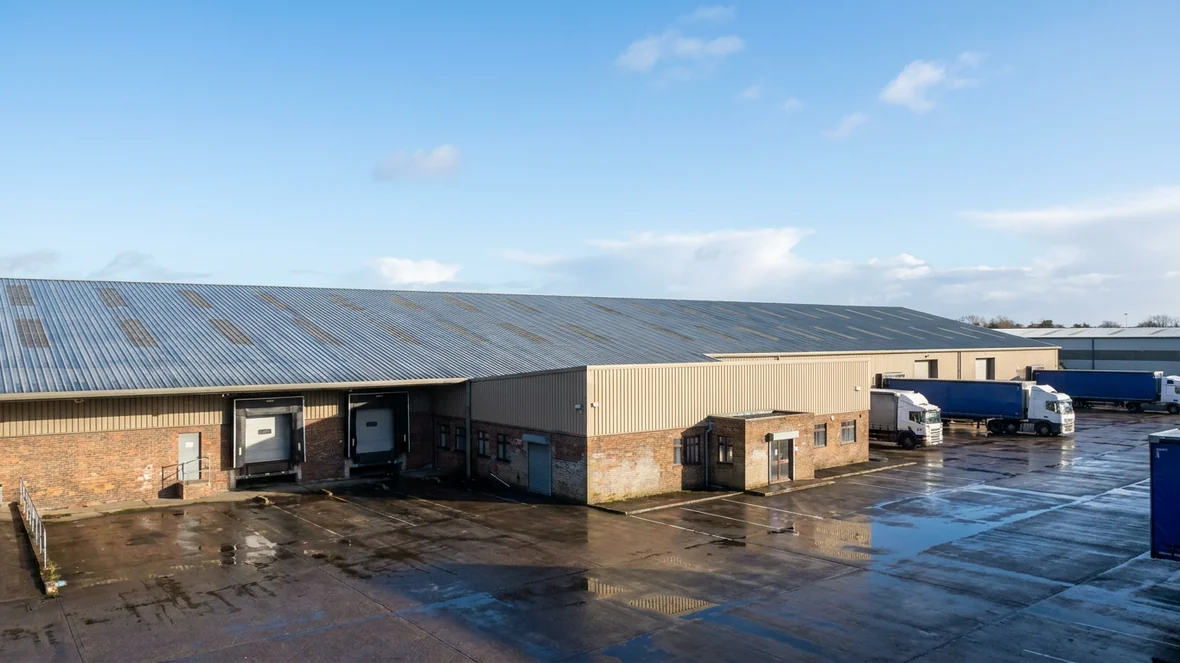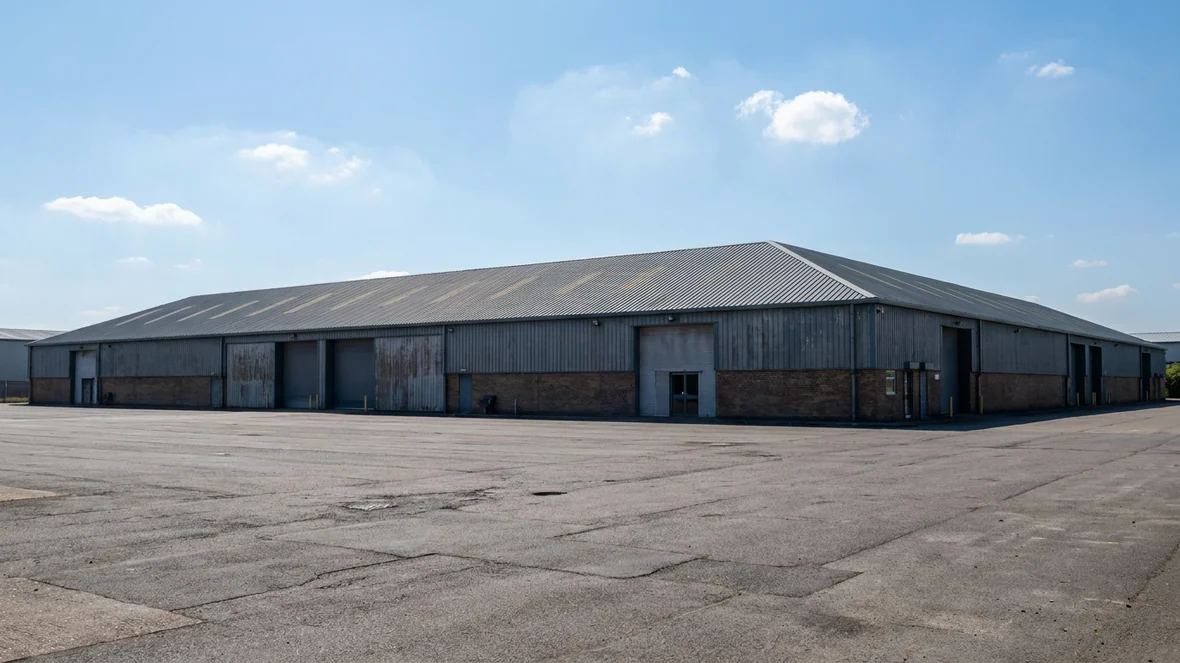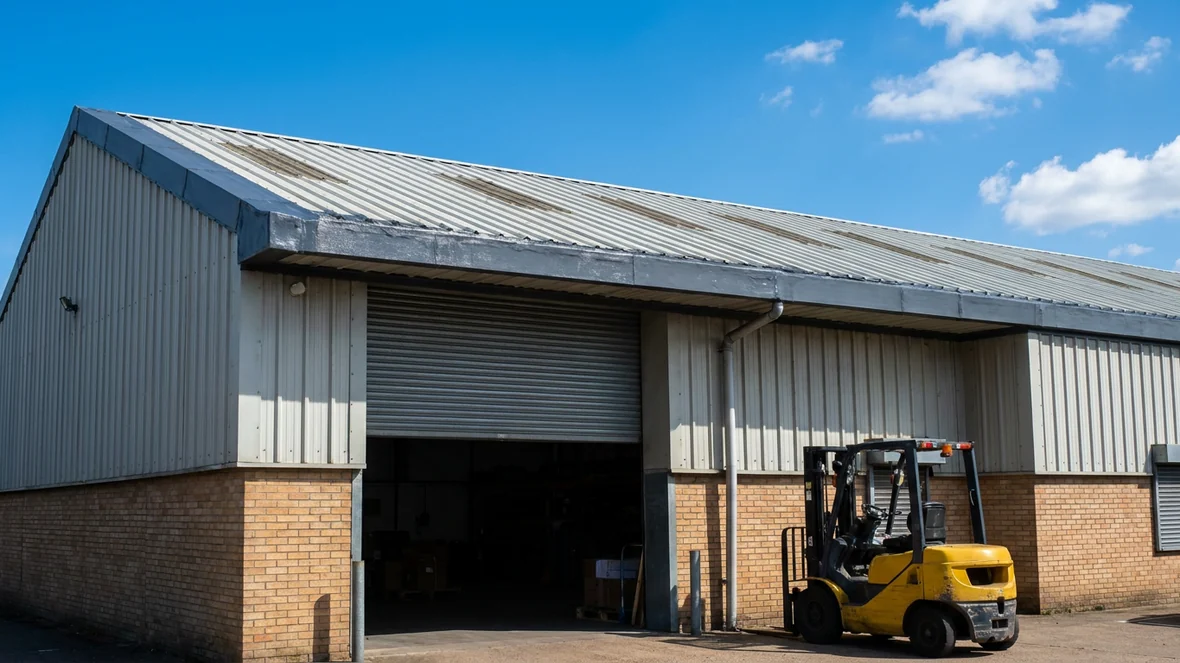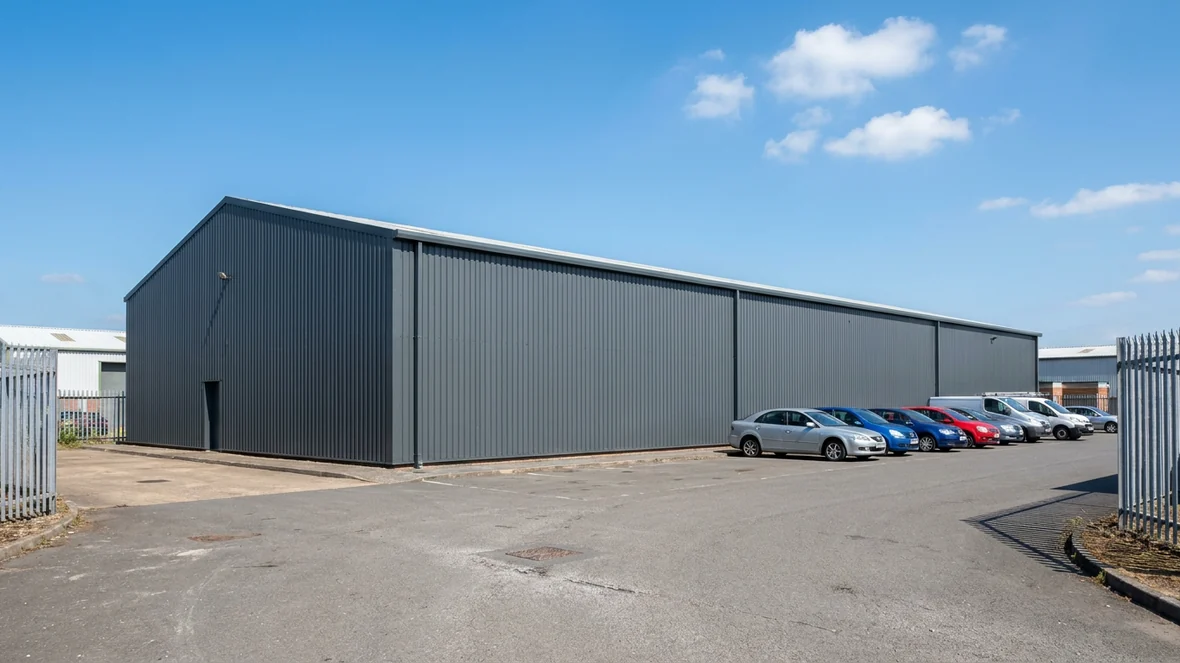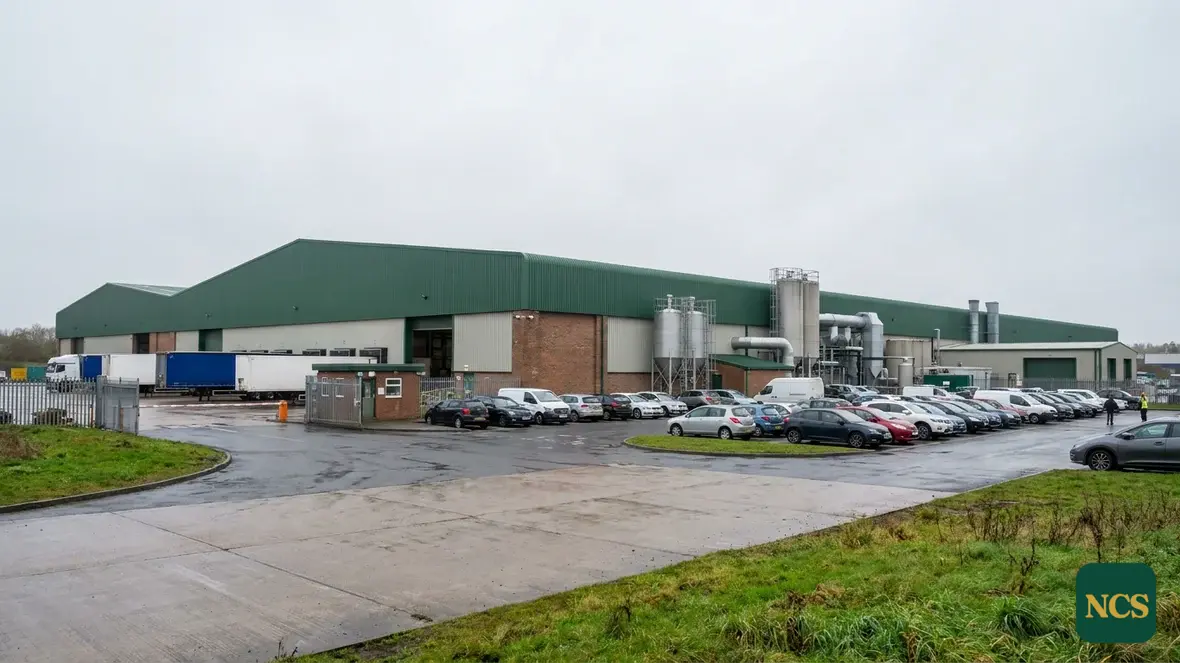









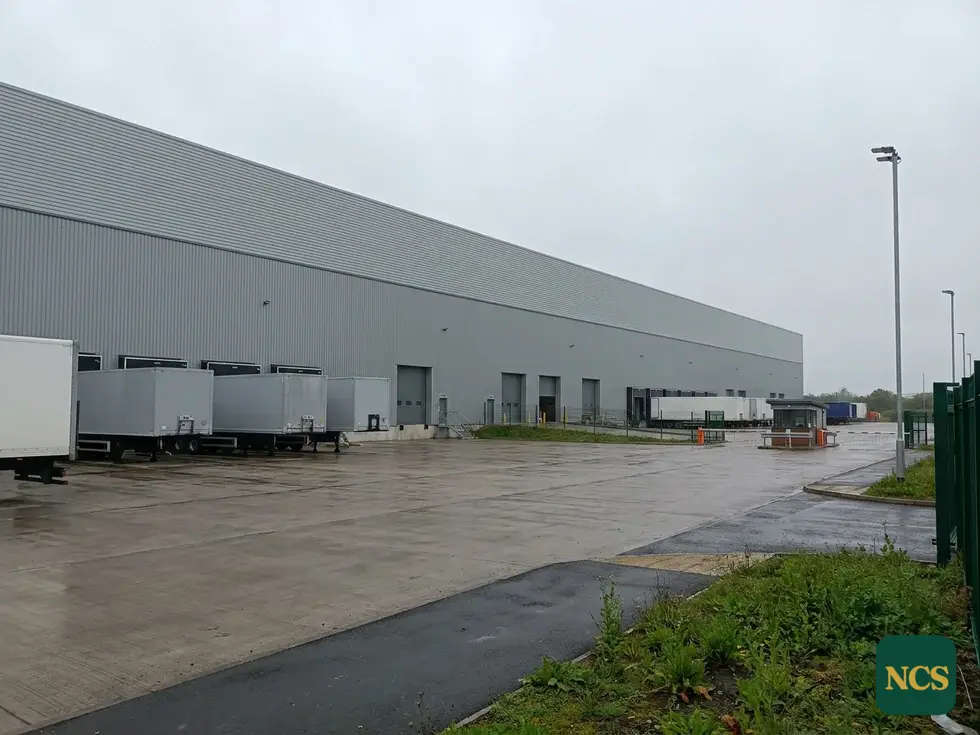
How much life is left in a thirty-five-year-old factory roof? It is the question every estates manager in Coventry’s manufacturing belt eventually faces. The profiled metal roofs covering the city’s industrial units were never meant to last forever untouched, yet very few of them actually need replacing. Most need honest assessment, thorough preparation and the right coating system, at a fraction of the cost and disruption of a re-sheet. National Coating Specialists provide exactly that, survey first, across Coventry and the wider Midlands.
A city that still makes things, under ageing roofs
Coventry’s industrial stock reflects its engineering history: factory units, component suppliers, workshops and newer distribution sheds, much of it built or re-roofed between the 1980s and early 2000s. Profiled steel sheet dominates, and its weak points are predictable. The factory finish chalks and fades, cut edges rust at the laps, fixings loosen with thermal movement and rooflights turn brittle. None of this means the roof is finished. It means the roof is at the point where intervention is cheap and delay is expensive, because corrosion on metal roofing accelerates once it starts.
Cut-edge corrosion and end laps
Cut-edge corrosion is the defining defect of this generation of roofing. Profiled steel arrives on site with its protective finish rolled on, but the edge created when each sheet is cut to length is bare metal. Those edges sit at the end laps and eaves, exactly where water lingers longest. Rust takes hold, then travels back beneath the factory coating, lifting it in strips. Our treatment is methodical: abrade back to bright steel, apply an anti-corrosive primer, seal the laps, then bring the whole roof up under a fresh coating. Half measures, such as painting over rust, fail within a couple of seasons, which is why preparation takes most of our time on site.
What the survey tells you before anyone talks money
We do not quote from the ground or from aerial photos. A surveyor walks the roof, checks the sheets, laps, fixings, gutters and rooflights, traces any internal leak evidence back to its entry point and assesses whether the steel is sound enough to carry a coating system. The findings come back to you in writing with a straightforward recommendation. Sometimes that is a full coating system; sometimes it is localised cut-edge treatment and gutter work now, with the full coat planned for a later budget year; occasionally it is replacement. The point is that you decide with evidence rather than a salesman’s optimism.
Keeping production running while the roof is done
Coventry’s factories and logistics units rarely have the luxury of pausing, so our working method assumes the building stays in use throughout:
- Working hours, access routes and exclusion zones agreed before we start
- External application only, with no sheet removal and no open roof
- Sectional sequencing, so areas above sensitive operations are coated when you choose
- A named contact and daily updates for your facilities team
- Loading doors, fire exits and the yard kept clear at all times
For most clients, the only evidence we were ever there is the finished roof.
The straight answer: when we advise against coating
Coating preserves a roof that still has structural life in it; it cannot resurrect one that has none. Where we find sheets perforated across large areas, corrosion eating through from the underside, soaked insulation or a deck moving underfoot, we say so and recommend replacement or overcladding instead, in writing. That costs us work occasionally. It is also the only way a survey-led company can operate, and it is why our recommendations are worth having. If your Coventry building deserves a coating, we will make the case with evidence; if it does not, you will hear that too.