Cladding Spraying for Commercial and Industrial Buildings
Cladding spraying gives faded, chalked or weathered commercial and industrial cladding a fresh, factory-style finish on site, restoring the look and weather protection of the panels without the cost and disruption of stripping and replacing them.
Surveyed, photographed, evidencedCoat, repair or replace adviceNationwide coverage
A real surveyor on your roof, not a call centreCoat, repair or replace: honest adviceManufacturer coating systemsFree written condition report
Survey first, then specify
Start with the building condition, not a generic price
On-site cladding spraying is often used on warehouses, retail units, factories and business parks where presentation affects tenants, visitors and asset value.
Preparation, masking, coating compatibility and weather windows all matter. The survey sets the correct route.
Avoids high replacement costsRespraying your existing cladding is significantly more cost effective than a full replacement.
Minimises operational disruptionOur on-site spraying is planned around your business operations to ensure minimal interruption.
Extends cladding lifespanA new high performance coating protects cladding from weather damage, extending its serviceable life.
Improves your building's appearanceA uniform, professional finish in your chosen colours refreshes your property's exterior.
What this service is for
Faded or weathered metal cladding
Commercial units, offices, warehouses and retail parks
Colour refresh and protective finish without unnecessary replacement
Cladding spraying problems this page covers
Faded metal claddingFactory-finished cladding that has lost colour, gloss or consistency across exposed elevations.
Brand refresh workBuildings being relet, sold or rebranded where exterior presentation matters.
Panel edge corrosionCladding with vulnerable edges, laps or isolated damage that needs preparation before spraying.
Occupied premisesSpraying projects that need masking, access control and clean sequencing around active sites.
Survey checks before specification
Panel coating type and adhesion
Corrosion, dents, fixings and failed sealants
Masking requirements around doors, glazing and signage
Colour requirements, neighbouring surfaces and site access
Specification
How cladding spraying is specified
Cladding spraying is not just a colour change. The existing panel finish, corrosion points and masking constraints decide whether a respray will look sharp and last properly.
A survey-led route can cover cleaning, preparation, primers, compatible topcoats and access planning so the finished building looks intentional rather than patched.
Specification
Coating systems and approach
Plastisol & PVF2 Coated SteelWe specify coating systems with excellent adhesion to pre-finished steel sheets after thorough surface preparation.
Aluminium & Steel PanelsBare or previously painted metal cladding is treated with specialist primers and durable topcoats for long term protection.
Composite & Built-Up SystemsWe use flexible, high performance coatings suitable for various composite panel types and built-up cladding systems.
Gallery
Coating work in detail
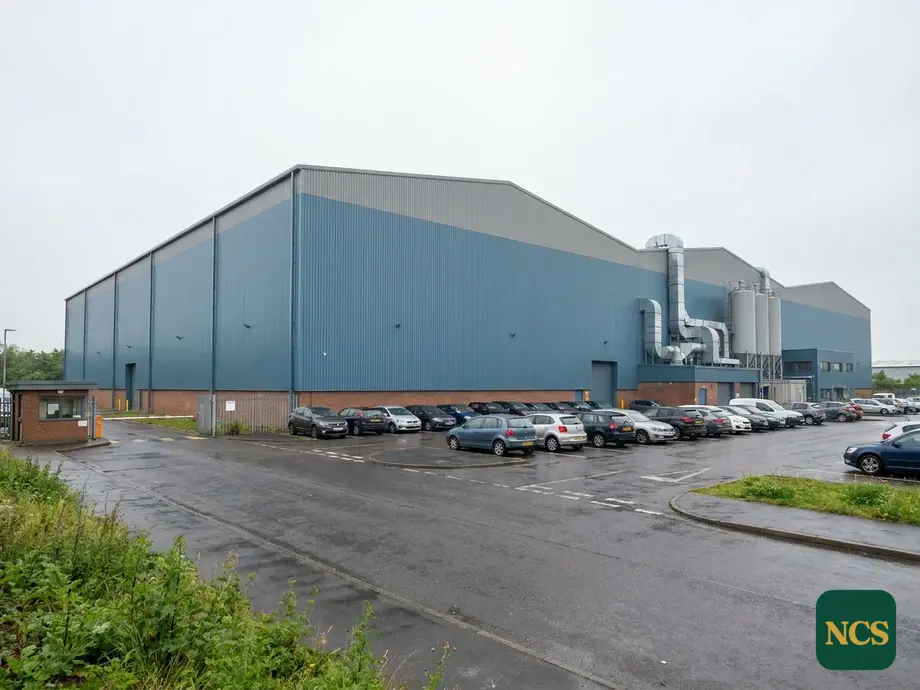
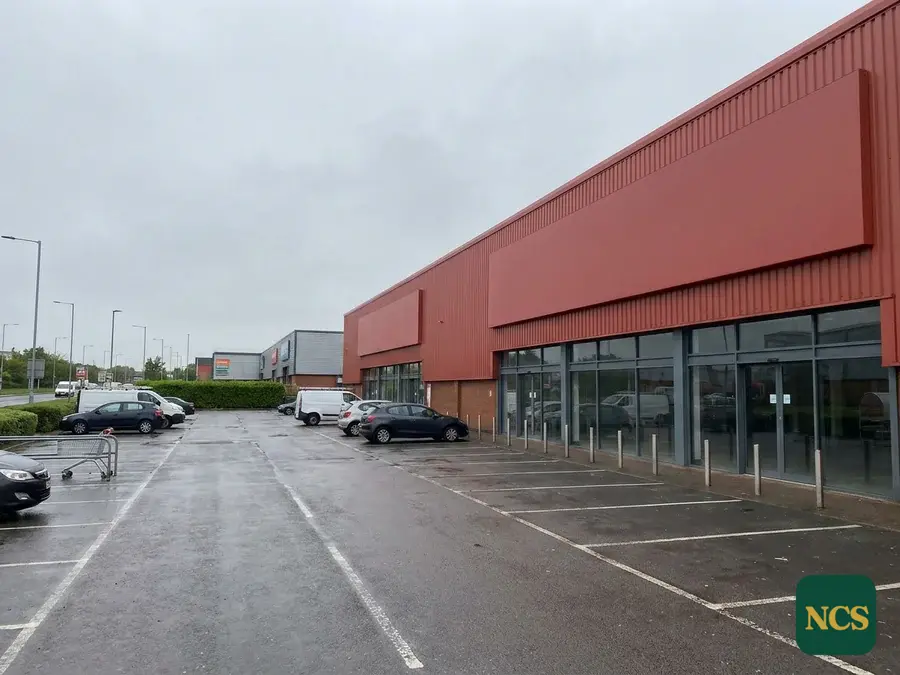
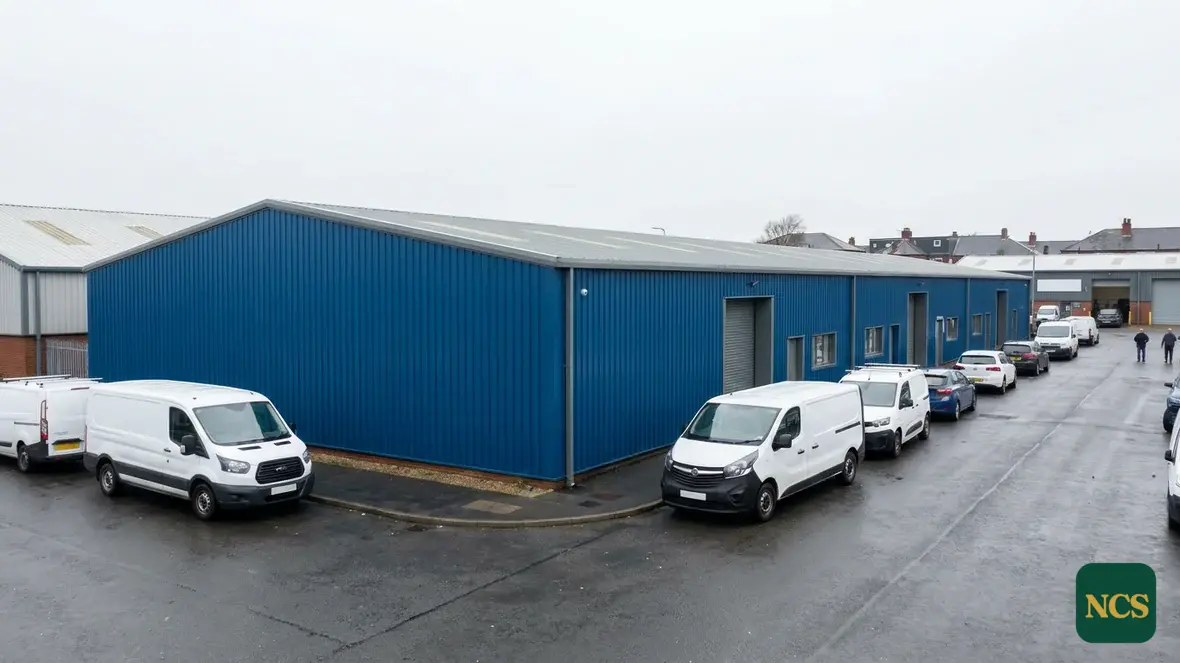
Warehouse unit in Manchester after full cladding respray.Retail park elevations brought back to a clean, uniform finish.Industrial facility cladding panels repaired and recoated.
How it works
Our survey-led process
1SurveySubstrate, access, exposure, corrosion and repairs are inspected first.
2ReportA written condition report on what the building actually needs.
3SpecifyCoat, repair and replace options separated clearly.
4PlanWorks shaped around safety, weather and site continuity.
5ProtectThe right system applied to extend life and restore the finish.
Accredited, insured & manufacturer-approved
Where we work
Sectors and buildings we coat
Survey-led coating, spraying and exterior refurbishment across commercial, industrial and agricultural property in England.
Honest Site SurveysOur free site survey provides a detailed condition assessment, not just a quote for spraying.
Repair, Don't ReplaceWe will only recommend respraying if it is the right long term solution for your building's cladding.
Manufacturer Specified CoatingsWe apply professional coating systems from trusted manufacturers to meet performance requirements.
How to prepare your building for cladding spraying
Almost all of the preparation is carried out by our team: washing down the panels, treating any corrosion, masking glazing, signage and adjacent surfaces, and protecting the ground beneath the work area. A small amount of preparation on your side, though, makes the programme run more smoothly and protects your own property while spraying is under way.
Move vehicles, stock and bins away from the elevations being sprayed, ideally leaving a clear strip for access equipment
Keep routes open for spray equipment and powered access platforms, including gates and yard entrances
Cut back any vegetation growing against or close to the cladding
Tell us about external alarms, CCTV, lighting and roller doors that must stay in use during the work
Let neighbouring properties know if access equipment will pass close to a shared boundary
Anything that cannot be moved is masked and sheeted before any coating is applied. If you raise these points at the survey stage we can build them into the plan, so there are no surprises on the first morning of the job.
Aftercare: looking after newly sprayed cladding
A correctly applied cladding coating needs very little attention once it has cured, but a simple maintenance routine helps the finish keep its colour and protective performance for as long as possible.
The most useful habit is an occasional gentle wash-down with clean water and a soft brush or low-pressure rinse, which removes the dirt, traffic film and airborne salts that slowly dull any painted surface. This matters most on buildings near the coast, busy roads or industrial processes. Avoid harsh solvents, abrasive pads and aggressive high-pressure jetting at close range, as these can damage any coated finish, not just a sprayed one.
It also pays to look over the elevations during routine building maintenance: check that gutters are clear, that fixings remain sound and that nothing is rubbing against or striking the panels. If a panel is scuffed or chipped, by a delivery vehicle or forklift for example, report it early, because a small localised touch-in is far simpler than dealing with corrosion that has crept under a damaged area. Keep a record of the coating system and colour used so that any future maintenance can be matched to it.
Common questions
Cladding Spraying for Commercial and Industrial Buildings FAQs
How much does it cost to spray cladding?
There is no flat rate. The cost of cladding spraying depends on the area, the height and access, the panel type and how much cleaning, corrosion treatment and making good is needed first. We survey the building free of charge and give a written quotation for the work it actually needs, so the figure reflects your elevation rather than a generic estimate.
Is cladding spraying cheaper than replacing the cladding?
In most cases, yes. Where the panels are structurally sound but faded or chalked, spraying restores the finish and weather protection for a fraction of the cost of stripping and re-cladding, and with far less disruption. If panels are failing or beyond economic repair, we will tell you honestly that replacement is the better route.
What is the best paint for metal cladding?
There is no single best product. The right coating depends on the original panel finish, its condition and the exposure of the building. We specify a system suited to plastisol, PVF2 or bare metal during the survey, with the correct primer and preparation, which matters far more for durability than the brand name on the tin.
Do you provide a free survey?
Yes. A survey-first process helps identify the right coating, repair or spraying route before any quotation is issued.
Do you work on live commercial sites?
Yes. The site is built around commercial, industrial and agricultural premises where access, safety, programme and business continuity matter.
Can coatings avoid full replacement?
Sometimes. Coatings can be a strong refurbishment route where the substrate is suitable, but the survey decides whether repair, coating or replacement is appropriate.
Do you publish fixed prices?
No. Access, substrate condition, preparation, repairs and specification change the cost too much for responsible fixed-price claims without a survey.
A real surveyor inspects the building, photographs the condition and quotes only what it needs. Send the details and we will come back with a clear, practical route forward.