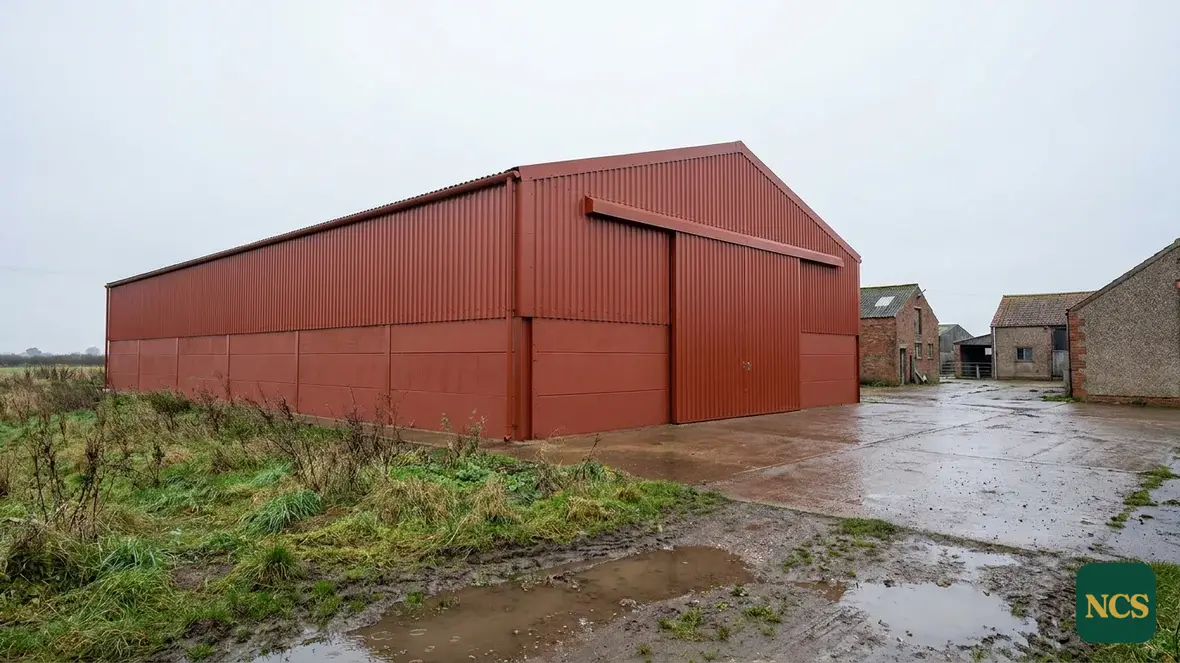
Building type
Agricultural Building Coatings for Barns, Sheds and Farm Units
Farm buildings get hammered: driving rain, damp, freeze-thaw and salt air all attack the steel, fibre-cement and render. A proper coating seals the surface and adds working years to a barn, shed or livestock unit you already own, without the cost and downtime of a full roof or wall replacement.
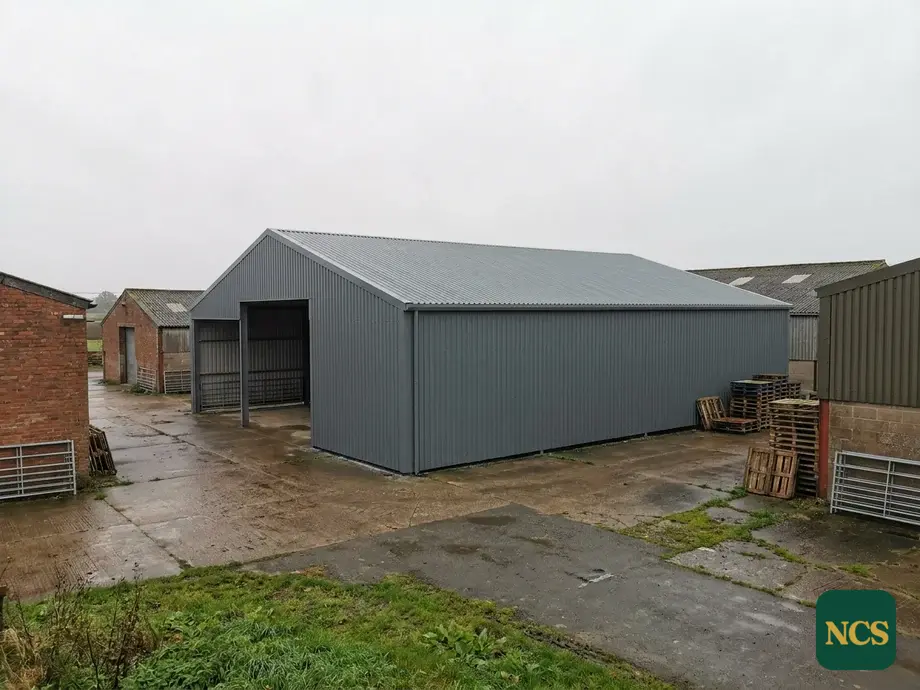
Sector route
The right coating route depends on how the building is used
Farm buildings get hammered: driving rain, damp, freeze-thaw and salt air all attack the steel, fibre-cement and render. A proper coating seals the surface and adds working years to a barn, shed or livestock unit you already own, without the cost and downtime of a full roof or wall replacement.
- Protect the asset A properly specified coating is one of the best ways to hold off corrosion and weather damage and get the most life out of the building.
- Better for the stock Ammonia-resistant coatings stand up inside livestock buildings, and lighter colours cut solar gain to keep summer temperatures down.
- Hold the value A well-maintained, protected building looks the part and helps meet insurance and regulatory standards.
What matters here
Key considerations for this sector
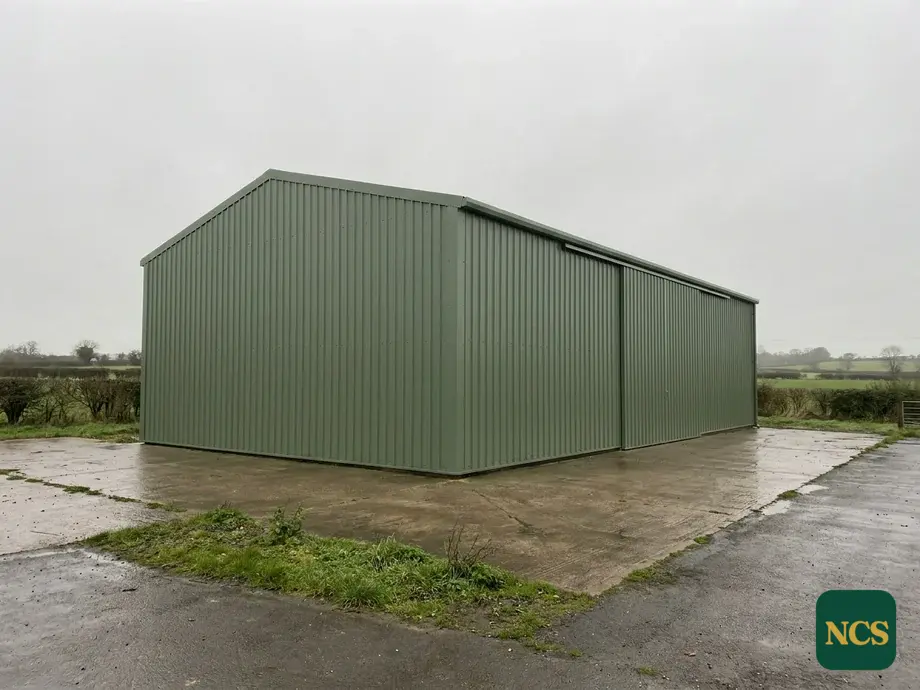
On site
Coatings matched to how the building is used
We survey the building first, then specify the right system for its exposure, access and use, rather than forcing one generic coating onto every job.
Where coating is not the responsible answer, we say so and point towards repair or replacement.
Book your free site surveyStanding up to the British elements
British farm buildings take a relentless beating: driving rain, persistent damp, freeze-thaw and salt-laden air near the coast all attack steel sheets, fibre-cement and rendered walls. Left untreated, that exposure brings rust, leaks, failed laps and spreading corrosion that shortens the life of the structure. A properly specified coating seals the surface, slows the weathering and buys you years of extra service from a building you already own.
We work across the UK on commercial, industrial and agricultural structures, applying protective roof coatings and wall systems chosen to suit the substrate and the conditions on your site. The right answer is not always a coating, and we will tell you when repair or replacement is the better call.
- Weatherproofing for steel, box-profile and fibre-cement roofs
- Wall coatings and cladding spraying for sheds and stores
- Treatment that targets rust and corrosion at source, not just the surface
- Systems suited to exposed, high-wind and coastal sites
Coatings for livestock, grain and dairy
Different farm buildings put different demands on a coating. Livestock housing throws out high humidity and ammonia from slurry and bedding, which sees off ordinary paint fast, so we specify coatings built to resist ammonia and chemical attack inside these units. Grain stores and cold buildings suffer from condensation, where warm, moist air meets cold steel and drips back onto the stock; anti-condensation coatings hold a layer of moisture in a breathable membrane and release it as conditions change, helping keep the produce dry.
We match the product to the building rather than slap one finish everywhere, drawing on polyurethane, silicone and epoxy systems depending on the flex, the chemical resistance and the substrate.
- Livestock and dairy: ammonia-resistant, washable coatings
- Grain and produce stores: anti-condensation systems to cut the drips
- Steel and box-profile roofs: flexible coatings that move with the sheet
- Rendered and brick walls: breathable, water-shedding finishes
Asbestos roofs and cut-edge corrosion
Many older farm roofs are fibre-cement containing asbestos. Removal is disruptive, costly and brings a licensed disposal burden, so encapsulation is often the more sensible route: a specialist coating over the sheets seals the surface, binds the fibres and stops further weather damage, leaving the roof watertight and the building in use. Encapsulation should only follow a proper condition assessment, and we will say if a roof is too far gone to treat.
On profiled metal roofs, the exposed cut edges of the overlapping sheets rust first and fail early. Our cut-edge corrosion treatment cleans back the affected metal and rebuilds the protection at those vulnerable laps, halting the rust before it eats into sound sheeting.
Gallery
Agricultural Building Coatings for Barns, Sheds and Farm Units
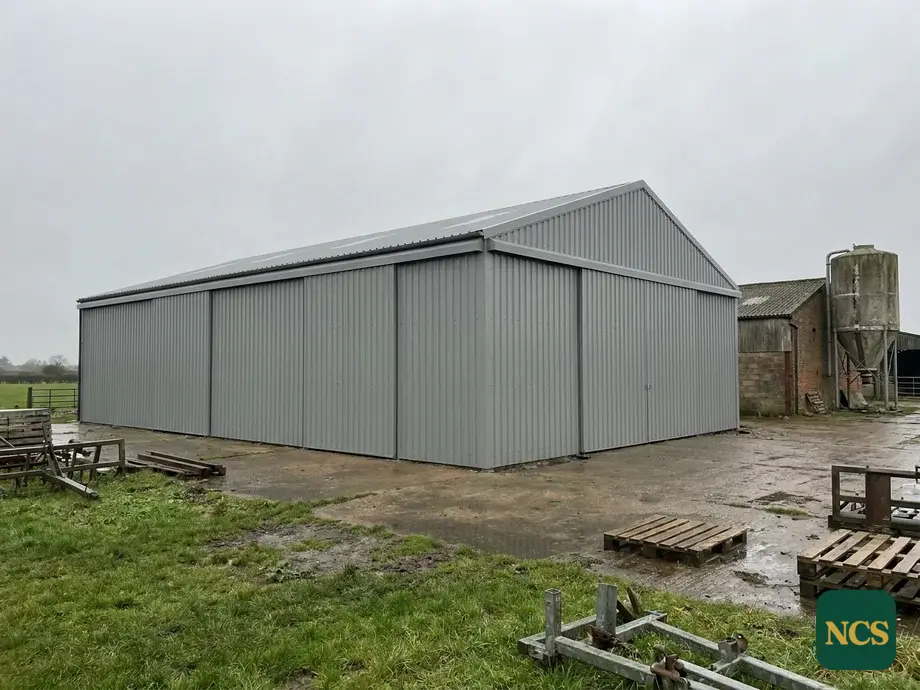
Accredited, insured & nationwide



Related support
Relevant coating services
 Agricultural Building CoatingsBarns, sheds and farm cladding coated for real rural exposure, worked around the way the farm actually runs.Read more
 Commercial Roof CoatingsSurvey-led roof coating that buys a sound roof more life and keeps you out of a strip-and-replace.Read more
 Cladding SprayingOn-site respray for faded, chalky cladding. A sharp finish without ripping off panels that are still worth keeping.Read more
 Asbestos Roof EncapsulationEncapsulation for sound asbestos cement roofs, as a controlled alternative to ripping them off. Only where the sheets can take it.Read more
How we work
Survey first, then specify
Common questions
Agricultural Building Coatings for Barns, Sheds and Farm Units FAQs
How much does it cost to coat a farm building?
It swings widely with the size, the condition, the level of prep and the system needed. A proper inspection is the only way to an accurate price, because things like corrosion treatment or repairs change the figure. It is generally a great deal cheaper than replacement.
How long will the new coating last?
A properly specified, properly applied system adds many working years before it wants attention, though how long depends on the product and the environment. Ammonia from livestock, UV and high moisture all affect it, which is why the right specialised coating matters for durability on a farm.
Will the work disrupt our farm operations?
We plan round your operation, working through quieter points in the farming calendar. For livestock buildings, low-odour, low-VOC (Volatile Organic Compound) products let the work go ahead without health risks to animals, so they often do not need moving. We plan the stages with you so the day-to-day is largely undisturbed.
Do you work on asbestos cement farm roofs?
Yes, where the sheets are sound enough to encapsulate. Asbestos cement is common on farm buildings, and a coating-led encapsulation avoids the cost and disruption of removal. If the roof is too far gone, we say so rather than coat over a liability.
Can you work around livestock and stored crops?
Yes. The work is planned around the farming calendar, stock movements and storage. We agree access, dust and containment before anyone starts, and the survey flags anything that needs the building cleared first.
Is coating worth it on an older steel barn?
Often. If the frame and sheets are structurally sound, treating the corrosion and recoating adds years of service for a fraction of replacement cost. The survey tells you straight which side of the line your building sits on.
Get a free site survey, no obligation
One of our surveyors walks the building, photographs the condition and quotes only what it actually needs. Send us the details and we'll come back with a clear, practical route, not a hard sell.
Book your free site surveyWhat does your building need?
Pick the surface, then the problem. We will point you to the right service.