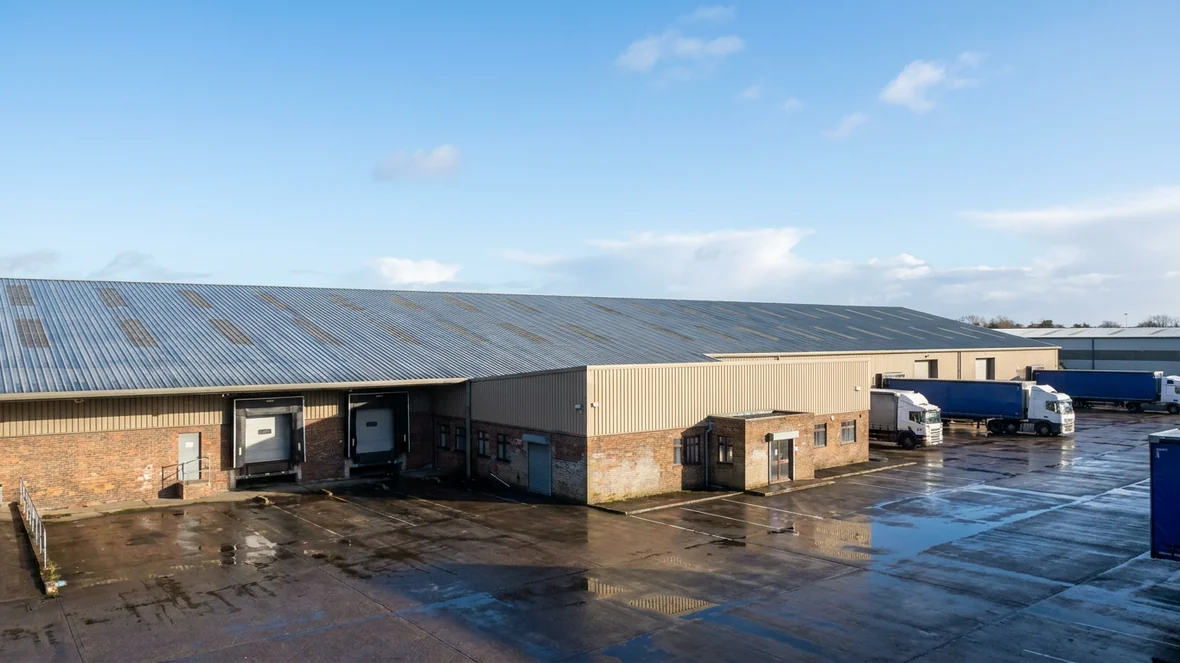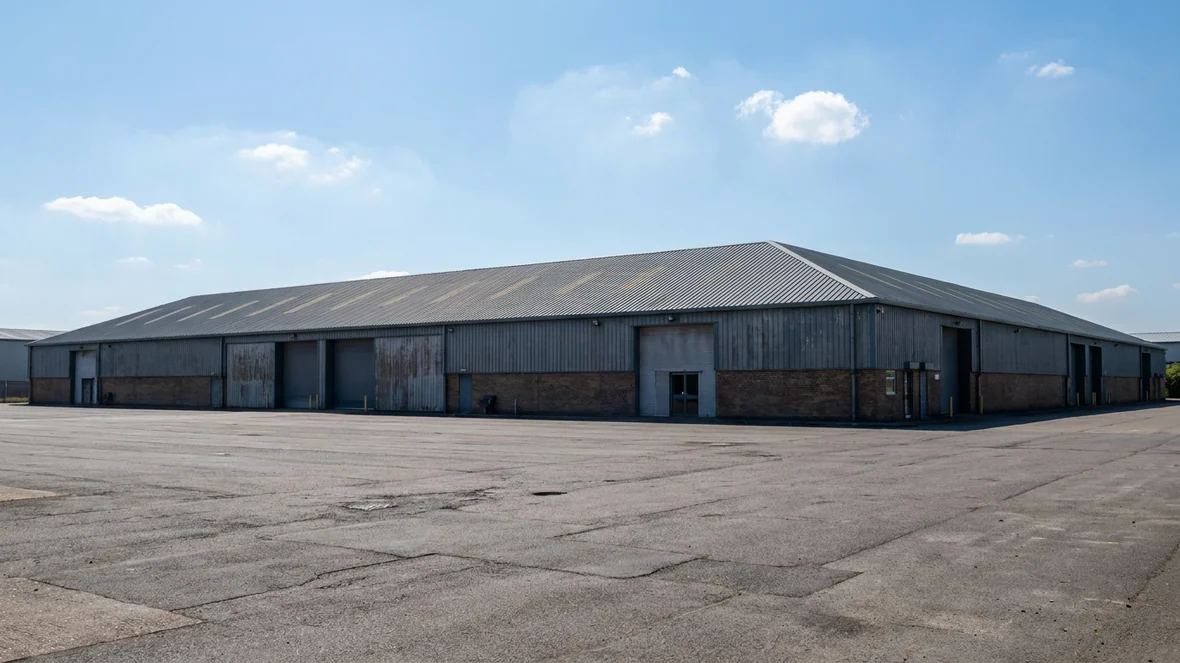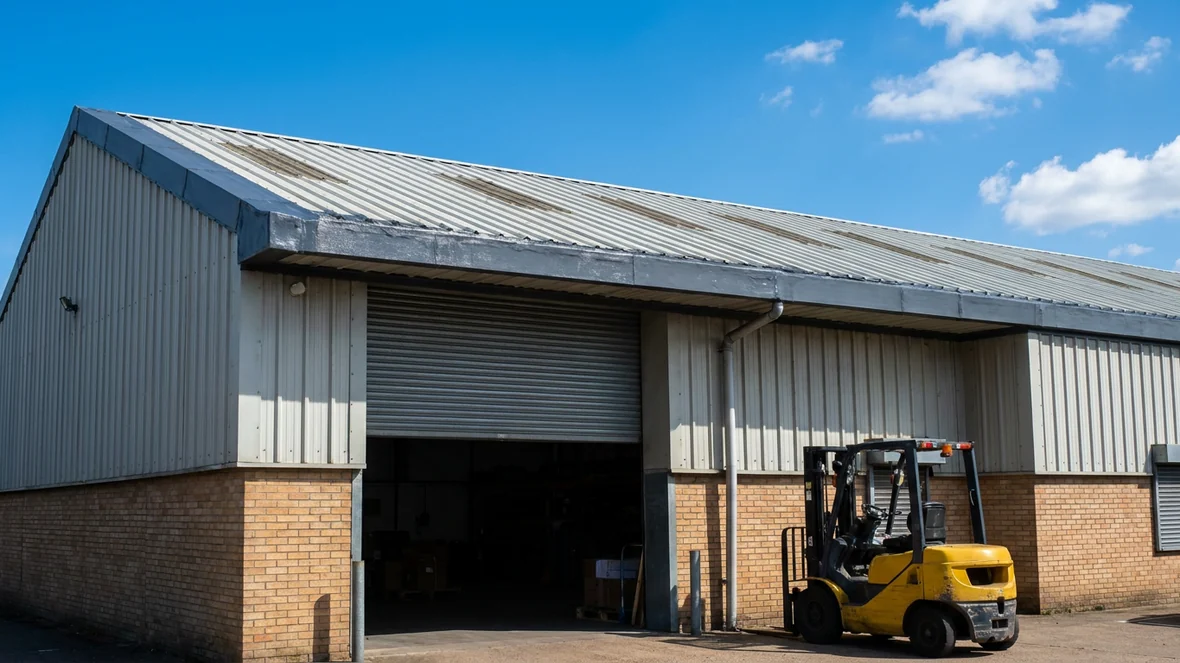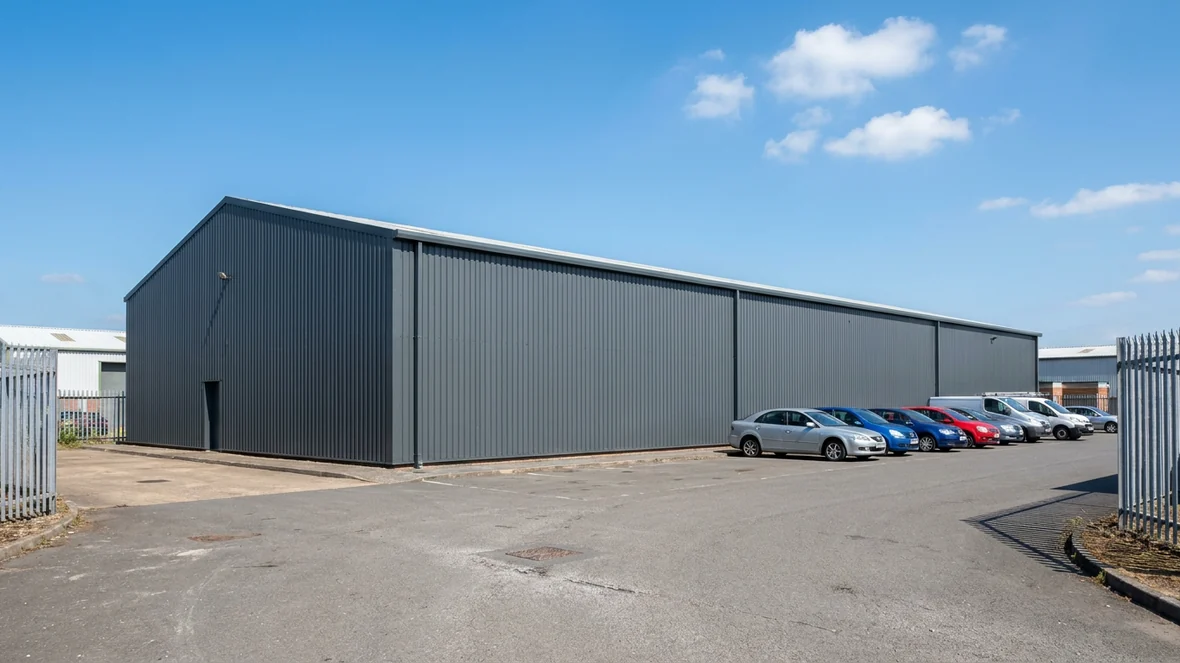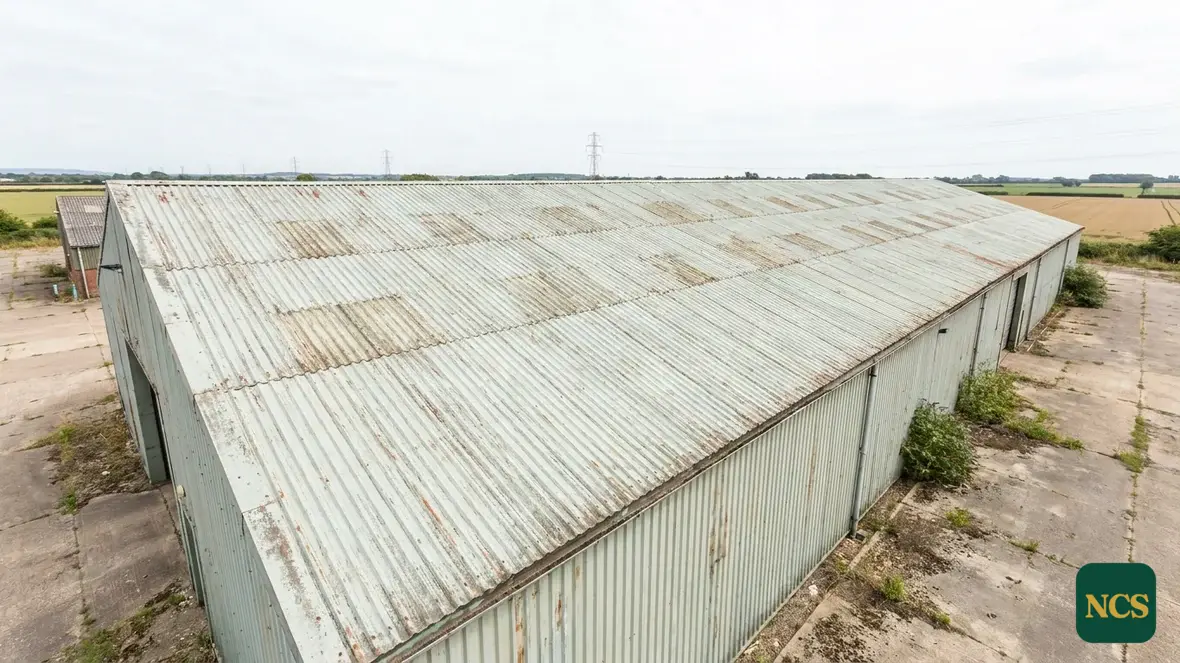








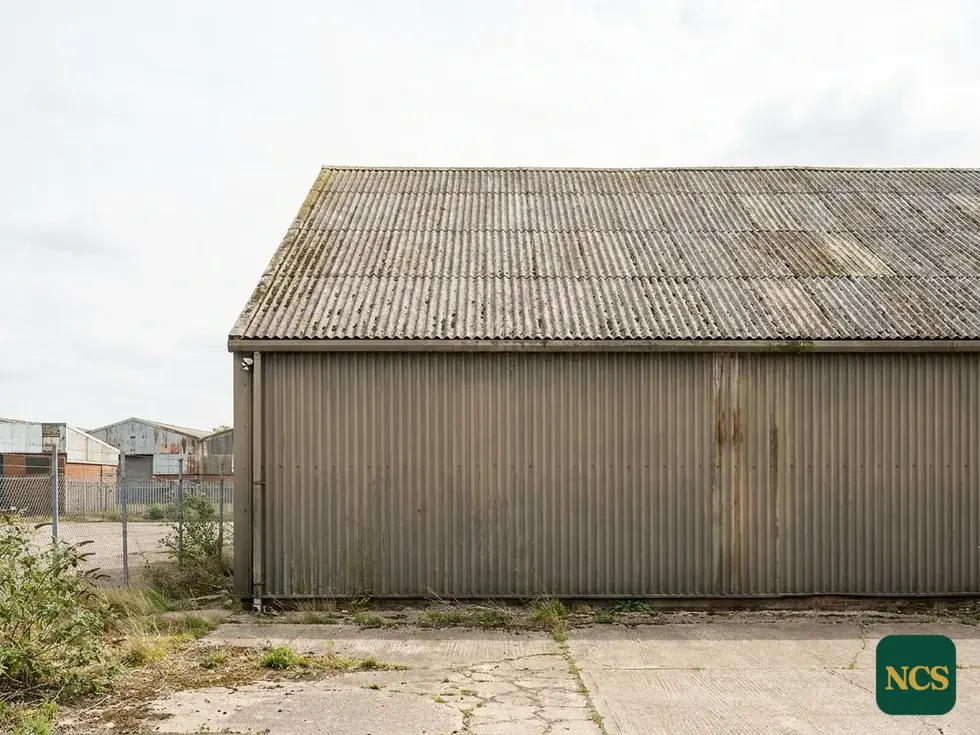
Hull is a port city, and its industrial roofs know it. Salt air off the Humber, wind that arrives across flat ground with little to slow it, and near-horizontal rain for a good part of the year all shorten the life of profiled metal sheeting. Add in a stock that is heavy on 1980s to early-2000s steel sheds, around the docks, along the A63 and out towards the eastern industrial areas, and you have a city full of roofs reaching the stage where the original finish has given up even though the building underneath is perfectly serviceable.
Industrial roof coating in Hull and along the Humber
National Coating Specialists surveys and coats large profiled metal roofs: warehouses, factory units, food processing buildings, freight and storage sheds, the working stock of a port economy. We are a South East based contractor carrying out work across England, and estuary-exposed steel is a familiar problem set: faster corrosion at the cut sheet edges, fixings failing sooner than they would inland, and factory finishes that have chalked away years ahead of schedule. The purpose of a coating programme is simple: stop the deterioration while the sheets are still sound, and put a continuous weatherproof skin over the whole roof.
Salt, wind and sheet steel
Marine air is hard on coated steel. The salt content accelerates corrosion wherever bare metal is exposed, and on a profiled roof the bare metal is at every cut sheet end: the overlaps, the eaves, the verges. That is why cut-edge corrosion on Humber-side buildings often runs ahead of identical buildings fifty miles inland. The remedy is the same in both places: caught before the rust perforates the sheet, the edges can be prepared, treated and sealed, and a full coating system then protects the entire surface, including all the points the original finish never covered properly in the first place.
Live sites, cold stores and round-the-clock operations
Much of Hull’s industrial activity does not stop: food processing, storage and distribution, port-linked freight. Coating work respects that. It is carried out from outside the building, so the operation underneath continues, and because nothing is stripped off there is never an open roof above your stock or your production. We agree the programme with your facilities team first: access positions, working zones, timings around despatch peaks, and any areas with particular hygiene or safety rules. The aim is that the only sign of us inside the building is a quieter roof when it rains.
Not every roof should be coated
If your roof deck is failing, we will tell you, not coat over it. Perforated sheets, corrosion that has gone through the steel rather than along it, saturated insulation and structural defects all point one way: replacement. A coating on such a roof would look fine for a year and then waste everything you spent on it. Our survey verdict is written down and yours to keep, whichever way it goes. Roof coating is for buildings with sound bones and a tired skin, and an honest contractor establishes which one you have before quoting for anything.
How the survey works
We inspect the roof at close quarters rather than pricing from photographs. On a typical Hull industrial unit the survey covers:
- Sheet condition and how much factory finish remains
- Cut-edge corrosion at laps, eaves and verges
- The state of fixings, washers and flashings
- Rooflights, ridge details and gutter condition
- Internal evidence of leaks where access allows
The report sets out what we found, whether coating is the right answer for the building, and the specification we propose if it is. To arrange a survey anywhere in Hull or the wider Humber area, get in touch with the building details and we will take it from there.