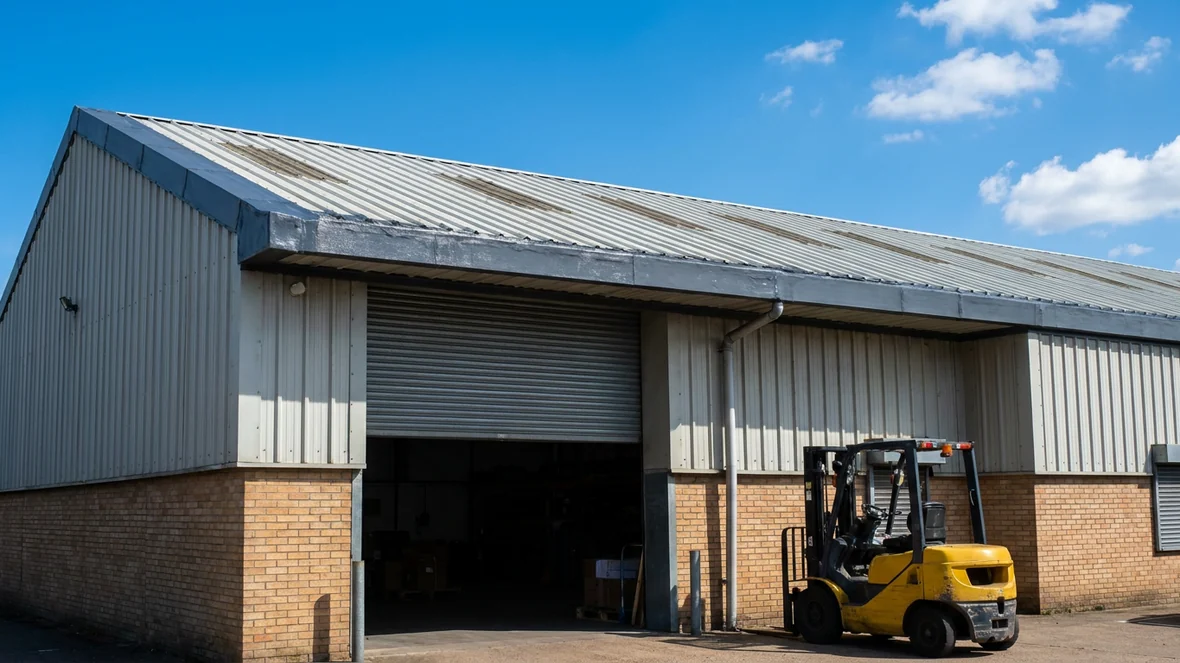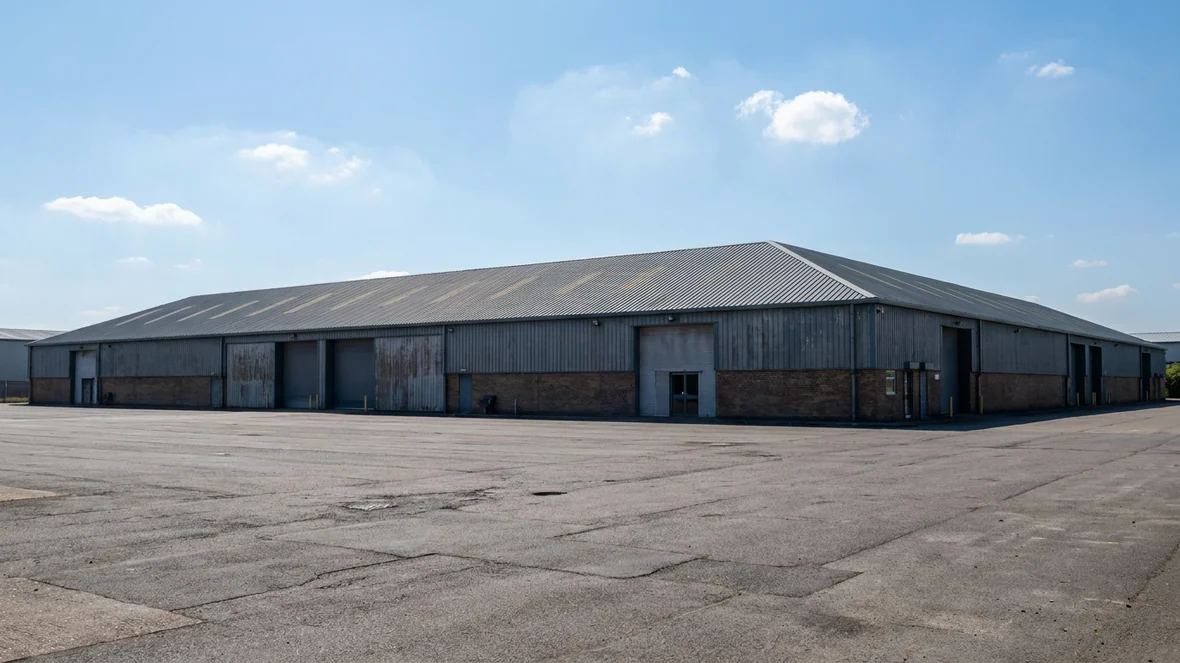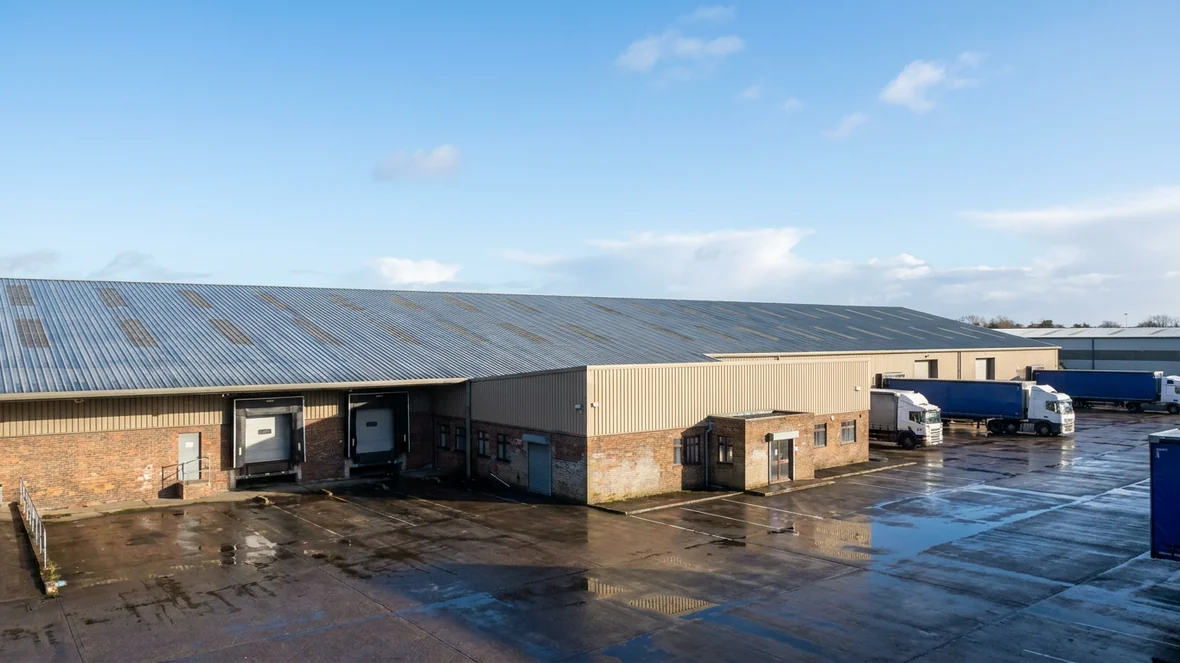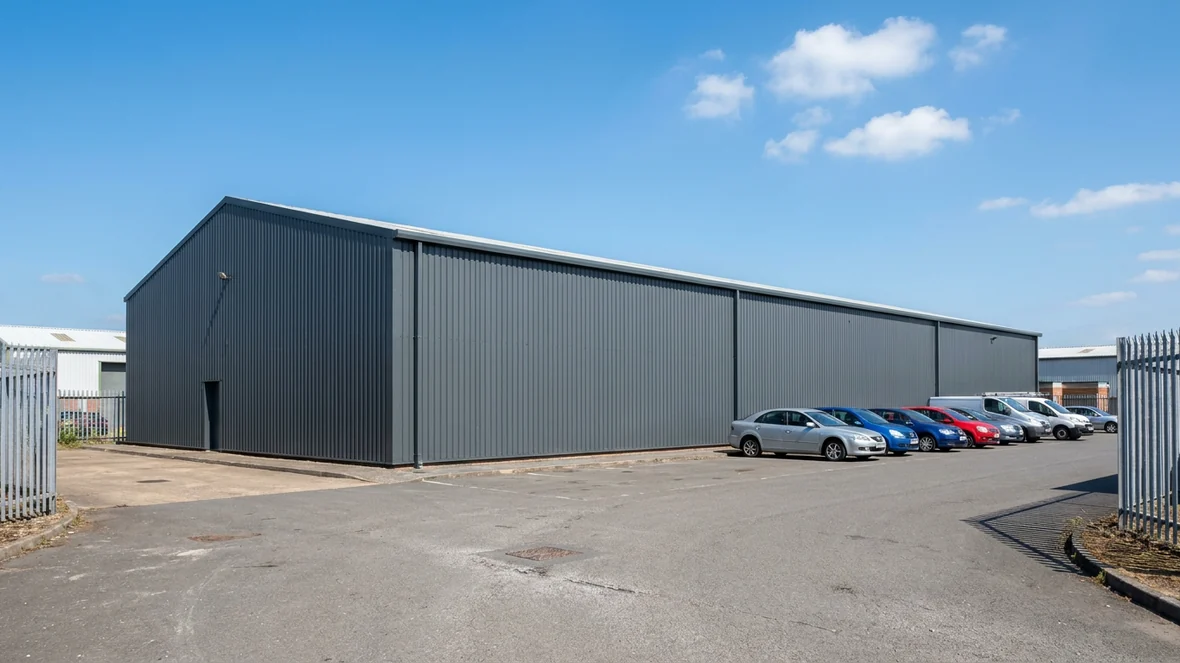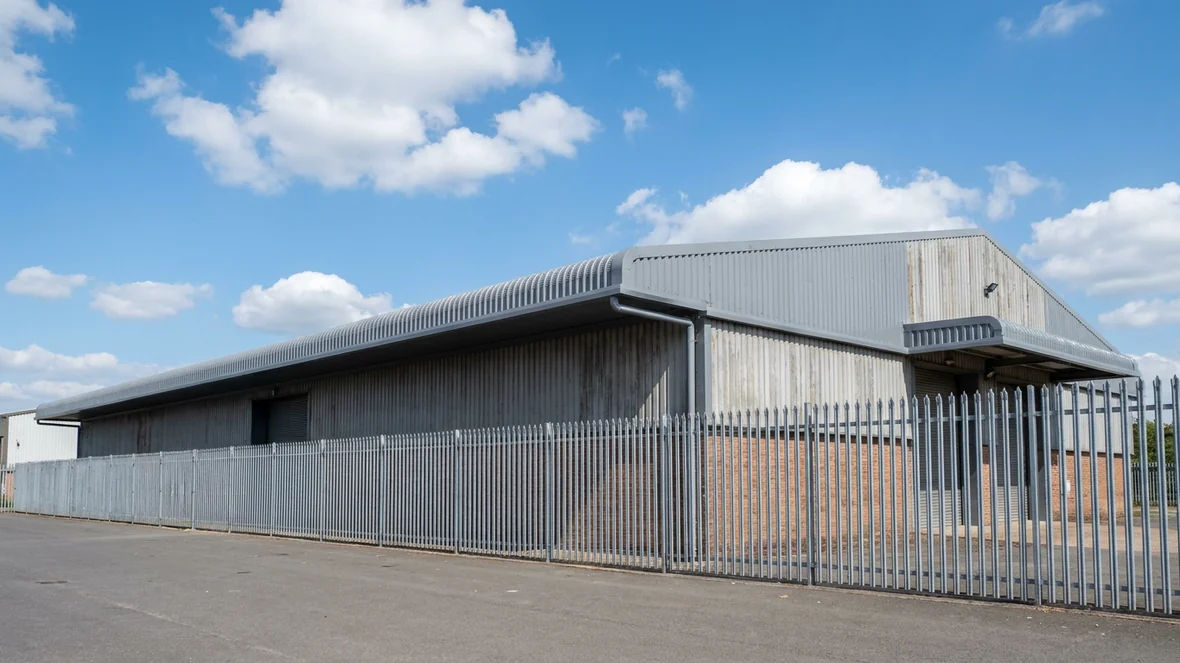










Few English cities ask more of a metal roof than Hull. The air carries salt well inland from the Humber, the wind arrives off the estuary loaded with rain, and much of the city’s industrial stock stands on open, exposed ground near the docks and the river. On profiled steel roofs that exposure shows up first at the sheet ends and laps, the places where cutting the sheet left bare steel facing the weather. That is cut edge corrosion, and here it tends to arrive earlier and move faster than the textbook says it should.
From bright steel to a brown lap line
Coated roof sheets start life protected by a factory finish, but the finish is applied before the sheets are cut, so every end and every overlap carries a strip of unprotected metal. Water sits inside the laps far longer than it sits on the open face of the roof, and the exposed edge rusts. The rust then burrows under the coating, breaking its grip on the steel, and the familiar sequence follows: a brown line at the gutter edge, peeling at the laps, detached coating, and finally holes in the sheet. By the time water reaches the inside of the building, the defect is years old.
Why the estuary speeds everything up
Cut edge corrosion is driven by how long bare steel stays wet and what the water carries. Hull scores badly on both. Several factors stack the odds against a sheet roof here:
- Salt in the air from the Humber and the North Sea beyond it
- Wind-driven rain forced deep into laps and end details
- Blocked or back-falling gutters holding water against sheet ends
- North-facing and shaded slopes that stay damp between showers
- Lap sealants from the original build that gave up years ago
None of these can be switched off. What an owner controls is how early the damage is found and how it is dealt with.
Found at survey, or found at leak
There are two prices for this defect. The early one covers cleaning the affected edges back to sound material, stabilising the rust, sealing the laps and coating the sheet ends with a flexible system built for the job. The late one adds replacement sheets, internal making-good and business disruption on top. We are a survey-led contractor, so the work starts with someone on the roof opening laps and photographing sheet ends, not with a price plucked from an aerial photo. The survey tells you which price you are facing and exactly where the roof sits between the two.
The honest limit: when sheets are too far gone
Treatment cannot rescue every roof, and we will not pretend it can. Where sheets have perforated, where the coating is releasing across wide areas of the sheet face, or where the steel has lost thickness to rust, an edge treatment is cosmetic at best, and we say so in writing. The right course then is replacement of the failed sheets, which is not work we sell, so the advice costs us rather than earns us. In practice many roofs around Hull land somewhere in the middle: a worst slope facing the estuary, better conditions elsewhere. An honest scope treats what can be saved and names what cannot.
One system across the whole roof
Edges fail first, but they rarely fail alone. If your laps are rusting, the rest of the finish is likely faded and chalking, and a full roof coating applied over treated edges resets the entire surface in one programme, with access costs paid once instead of twice. We are based in the South East and work nationwide across England; Hull and the wider Humber area are well within reach. If you have spotted staining at the sheet ends, or your gutters are running brown, book the survey while this is still a maintenance job.