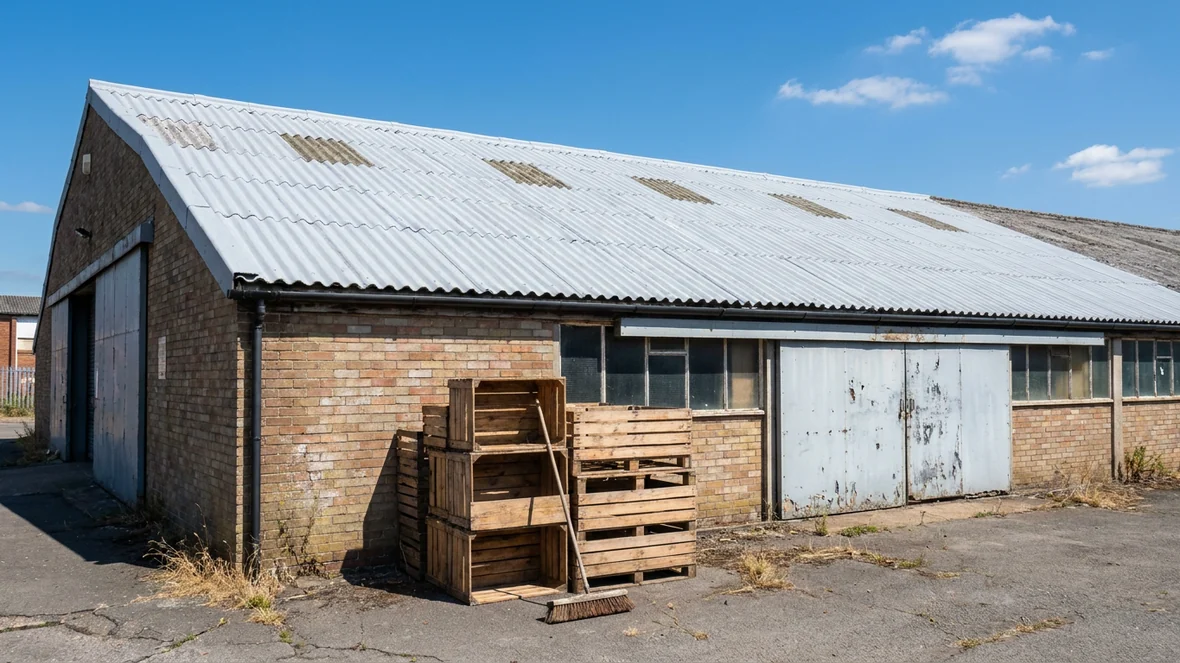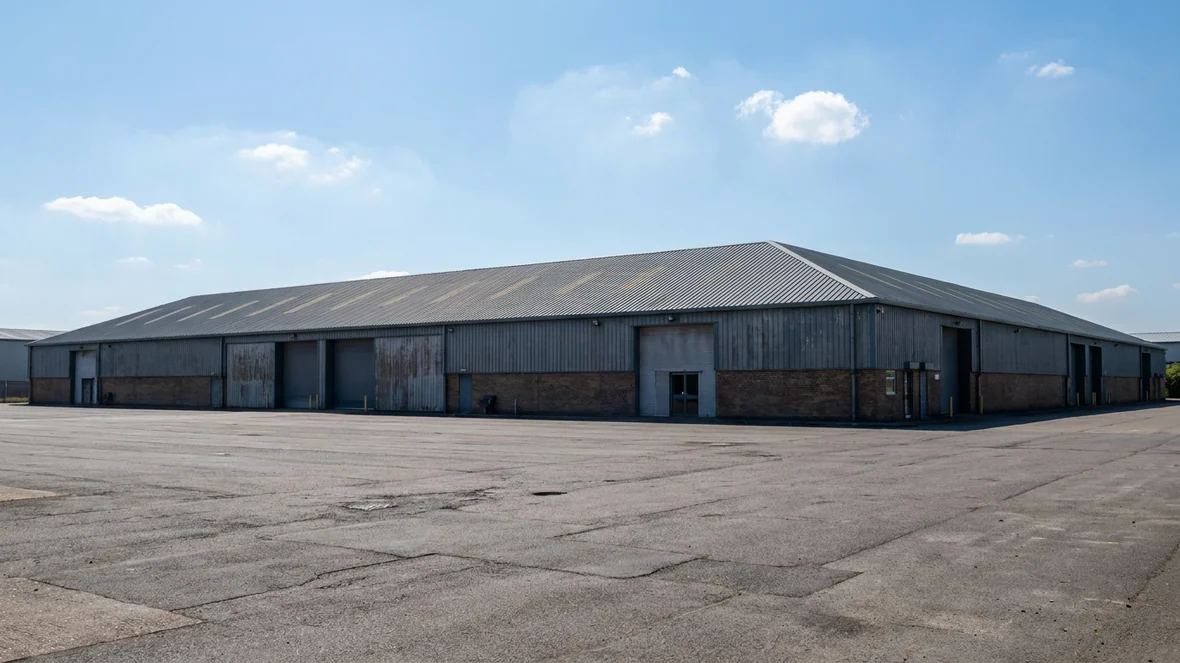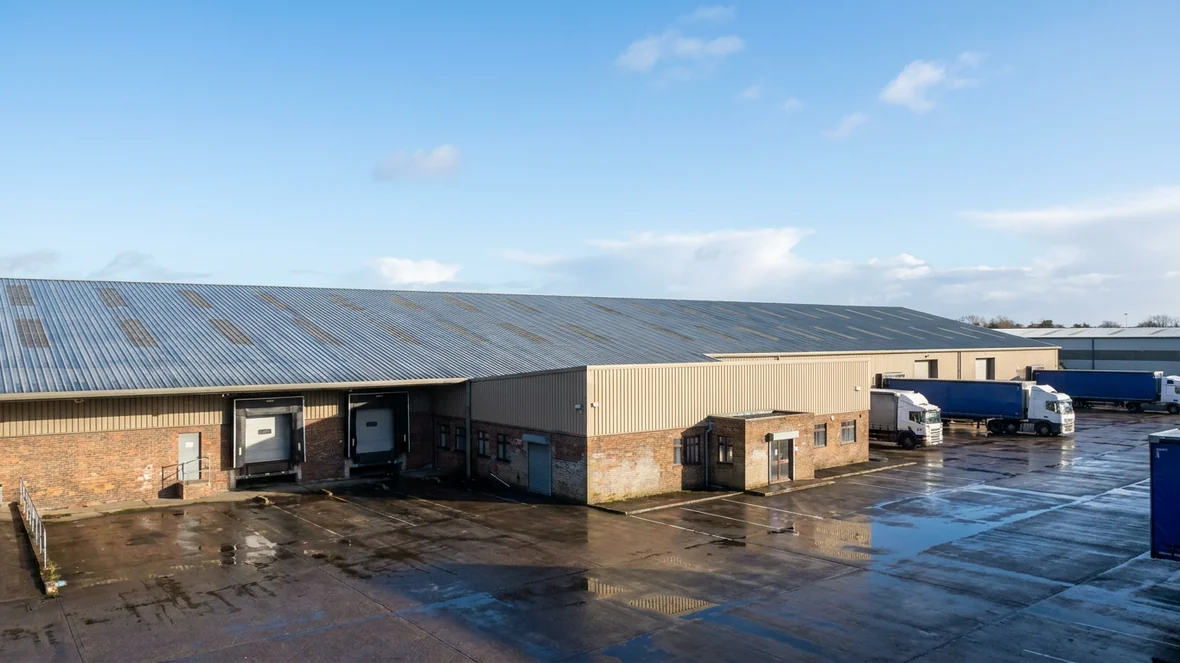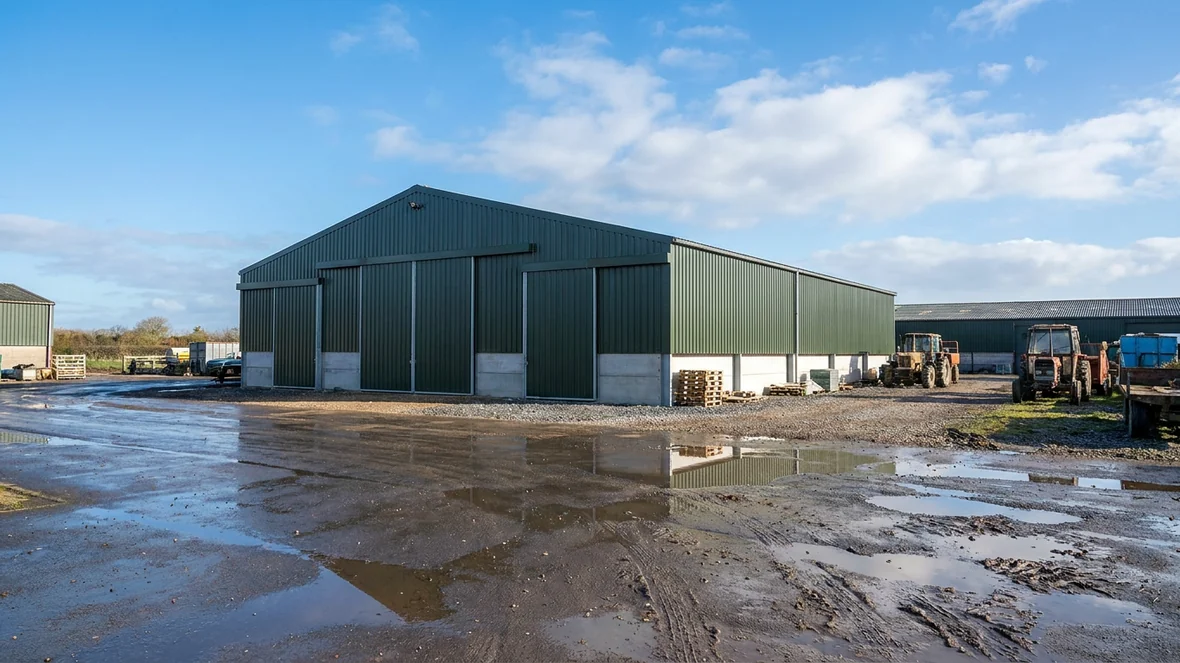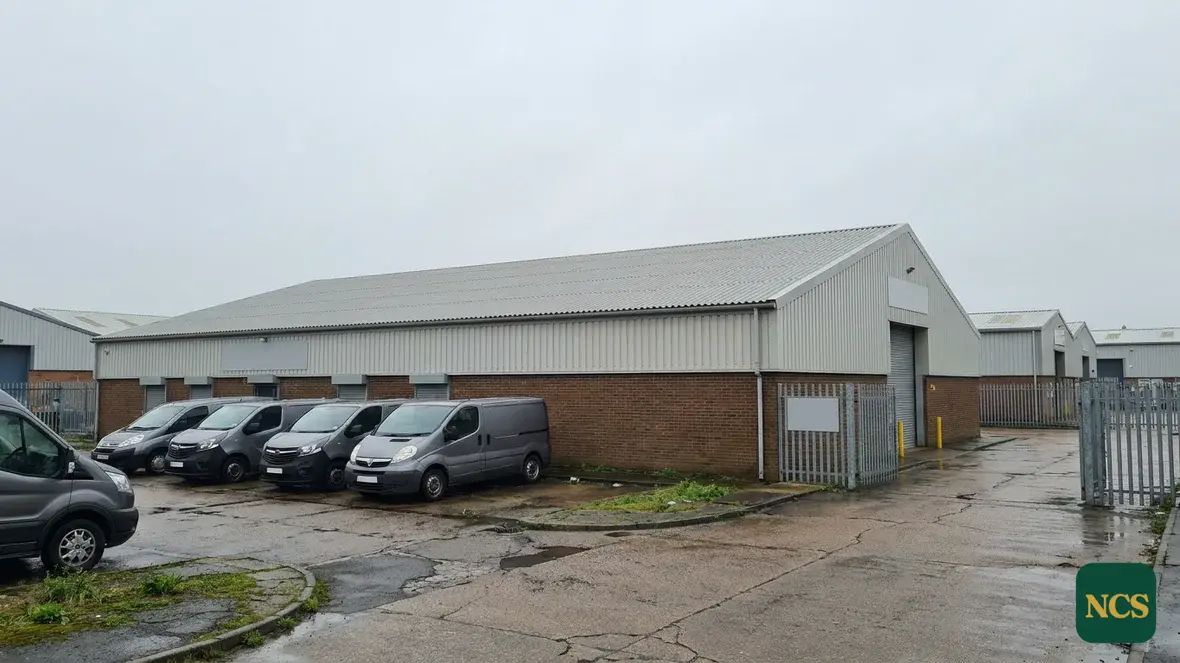










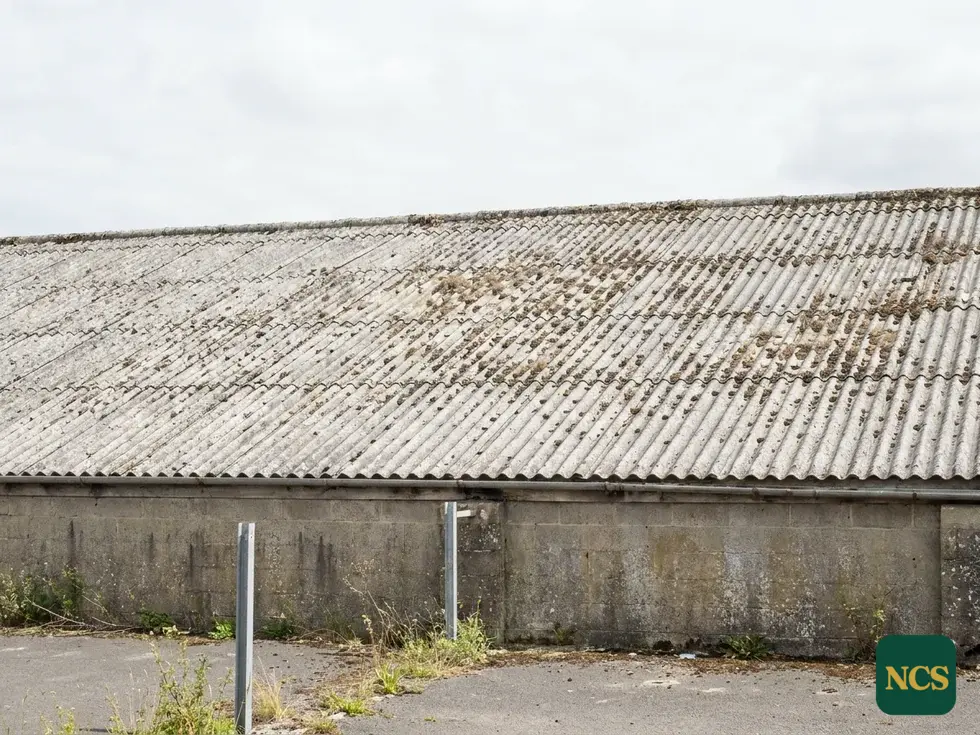
The east coast is hard on roofs. Around Ipswich, profiled asbestos cement sheeting from the 1960s to the 1980s still covers dockside stores, older industrial units and a large share of Suffolk’s farm buildings, and decades of wind-driven rain and frost have left many of those roofs porous, mossy and slowly shedding fibres from their weathered surfaces. The owner’s choice is rarely urgent but it is unavoidable: strip the roof, or seal it and manage it. Where the sheets are sound, encapsulation is usually the calmer and cheaper of the two.
Why sound sheets are often better sealed than stripped
Asbestos cement in fair condition releases very little fibre; it is weathering and disturbance that create the risk. Removal is itself a major disturbance: controlled stripping, wrapping, transport and disposal as hazardous waste, and then the full cost of a replacement roof, frequently with the building out of action. Encapsulation avoids all of that. The sheets stay where they are, the eroded surface is sealed under a purpose-made coating, fibre release is locked down and the roof becomes weathertight again. For a building with years of working life ahead, it is usually the proportionate choice.
What the regulations expect of you
The Control of Asbestos Regulations 2012 give the person who controls the maintenance of non-domestic premises a duty to manage asbestos: find it, assess its condition, record it and manage the risk under a written, reviewed plan. That duty applies to a unit on an Ipswich industrial estate just as it does to a grain store ten miles outside town. The regulations allow sound material to be managed in place, and HSE guidance supports that approach for asbestos cement in good condition. What the duty does not allow is drift: a weathering roof that nobody assesses or acts on is a duty being neglected.
How the work is carried out
Everything starts from the principle of not disturbing the sheets. Cleaning is controlled and non-abrasive; moss and lichen are treated rather than torn off; minor cracks, laps and fixings are made good; fragile roof lights are identified and managed. The encapsulant system is then applied across the roof to specification. The work proceeds from outside, so most occupiers keep trading underneath it. Done properly, the result is a sealed, maintainable surface with a defined re-inspection interval, rather than a roof quietly getting worse each winter.
When encapsulation is not the answer
We are a coating contractor, and the most useful thing we can tell some owners is that a coating is the wrong product. Sheets that are extensively cracked, holed, delaminating or friable cannot be honestly encapsulated, and neither can roofs with crumbling edges, failing fixings throughout, storm damage through the sheet or a suspect structure beneath. Buildings facing redevelopment are in the same category. In all those cases removal under proper controls is the right recommendation and the one our report will make. The survey decides which side of the line your roof sits on, not us and not you.
What you get on paper
Because encapsulation is part of a legal management duty, documentation is part of the job:
- A written condition survey with photographs
- A clear suitability verdict: encapsulate, or remove
- The specification for preparation, repairs and the coating system
- A record of the completed work for your asbestos register
- A recommended re-inspection interval for your management plan
We are South-East based and carry out asbestos roof encapsulation across England, with Ipswich and the wider Suffolk area firmly inside our usual working range.