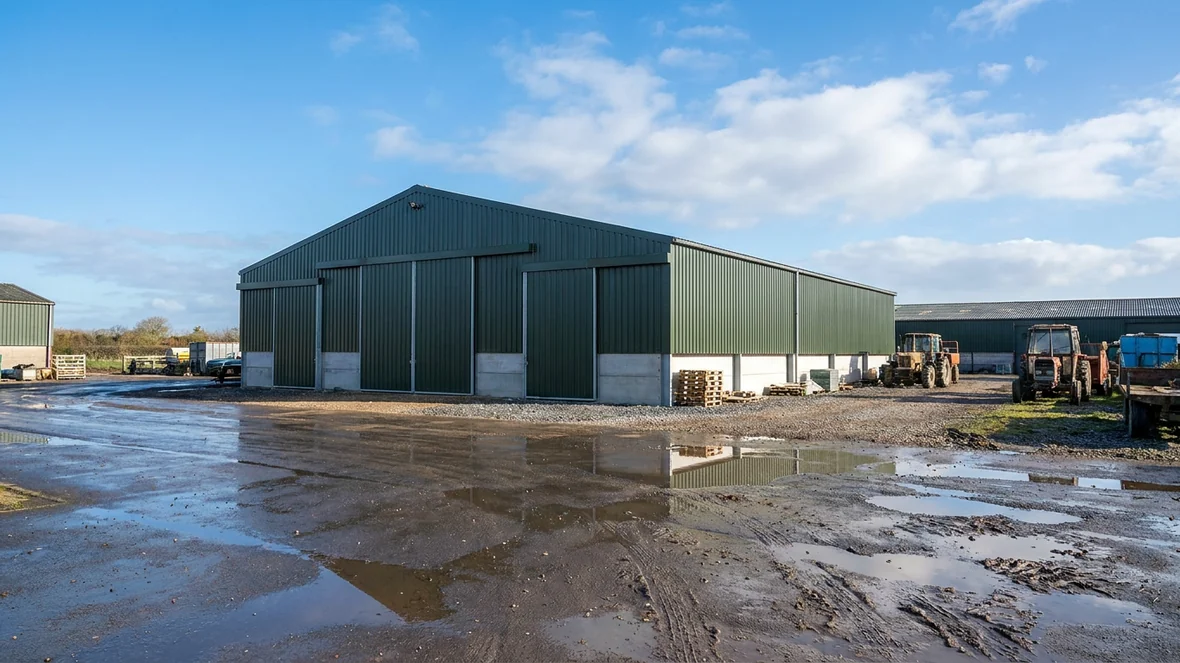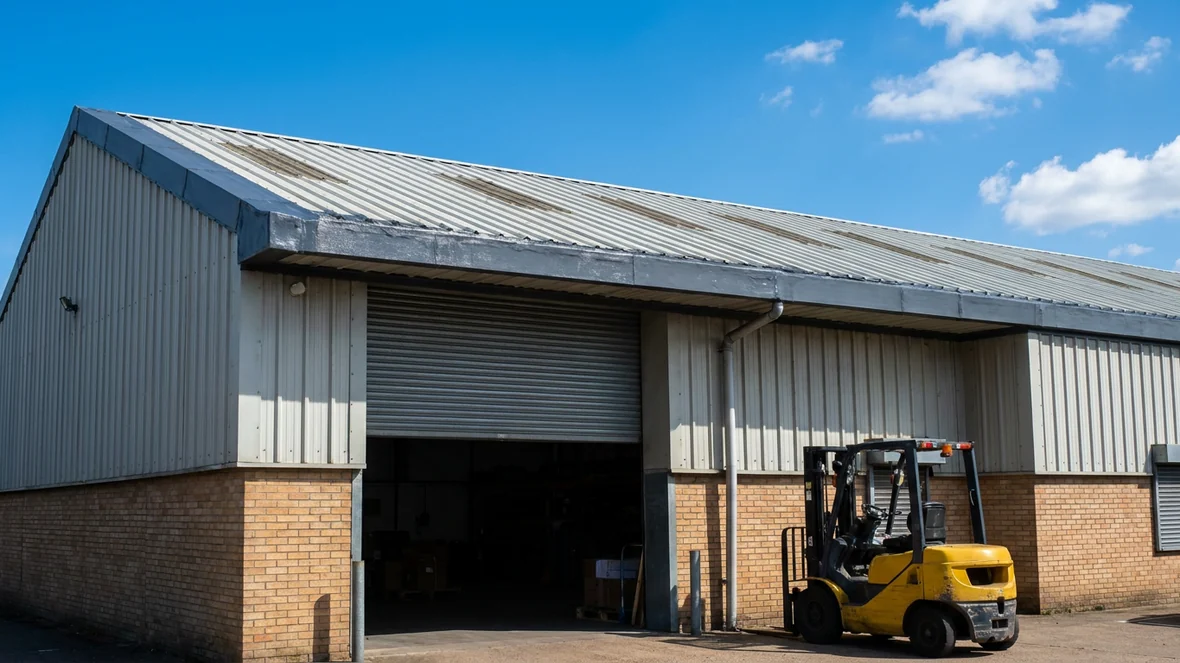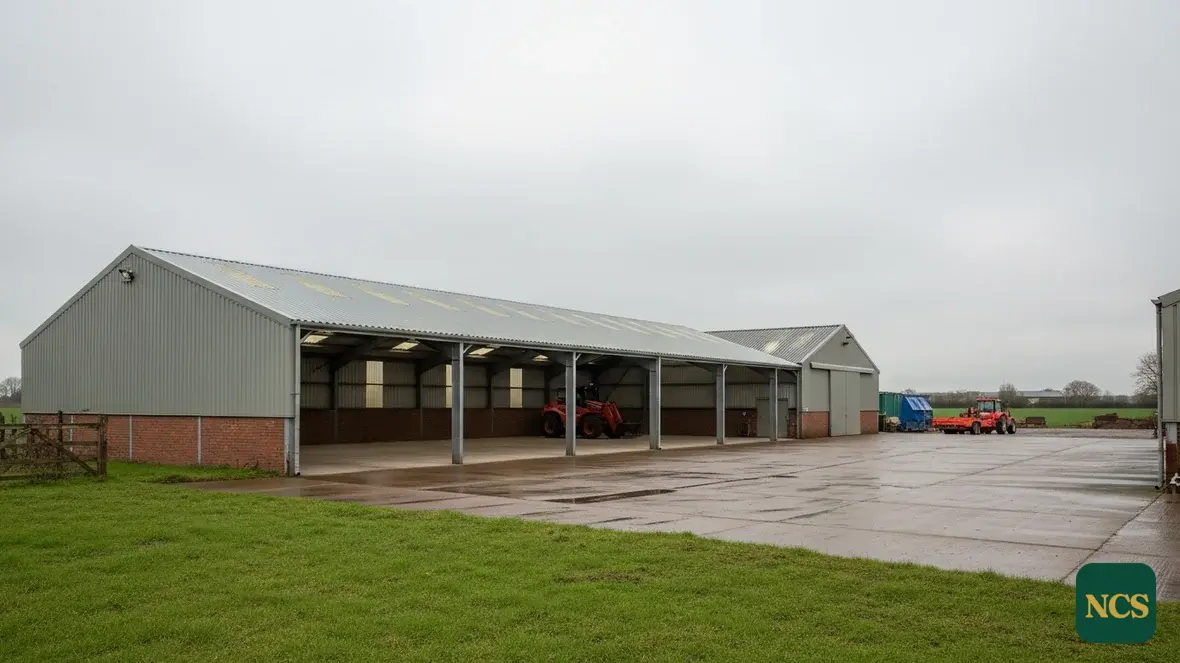










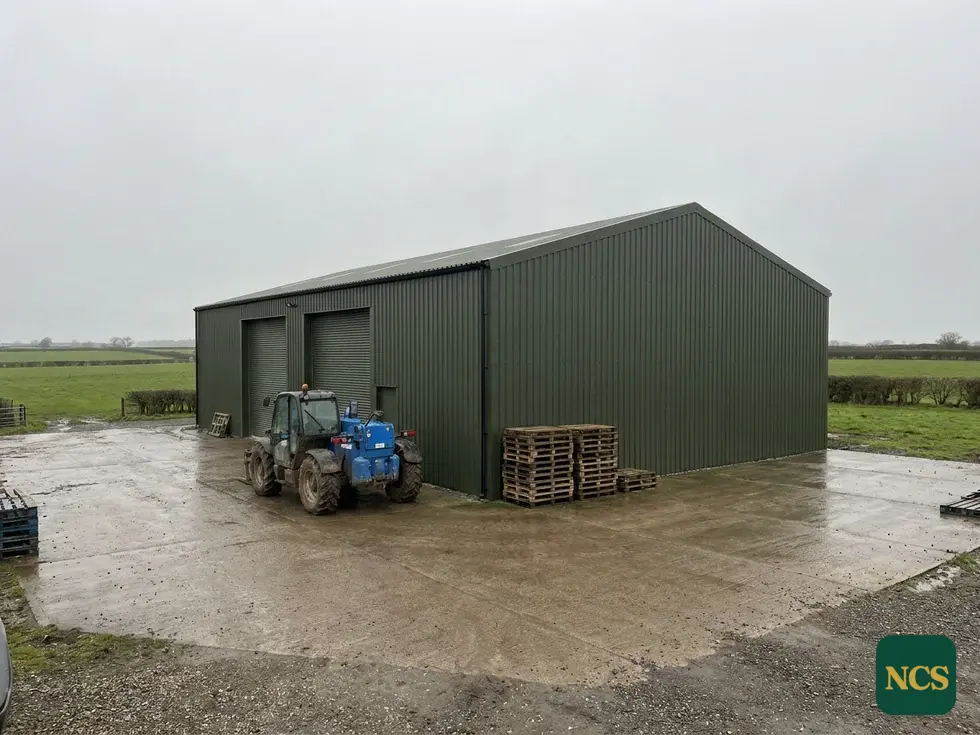
Farm building coatings around Shrewsbury
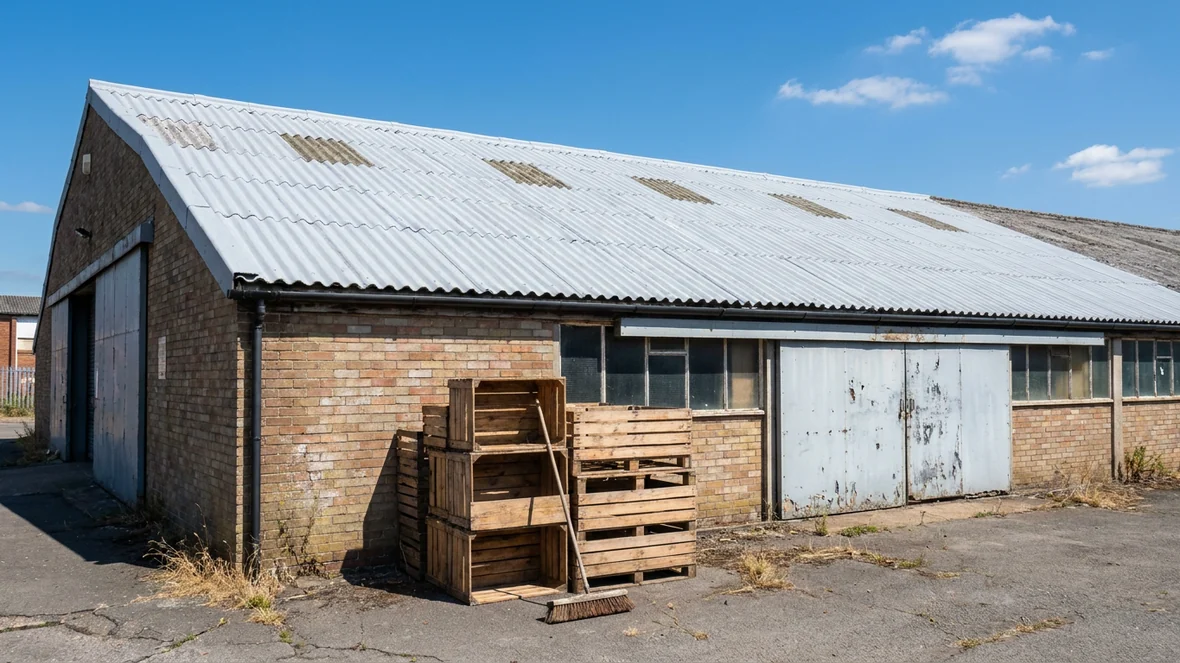
Shropshire farms mix dairy, beef, sheep and arable, and the buildings around Shrewsbury reflect that spread: cubicle housing and loose yards, silage and fodder stores, grain stores on the arable ground, machinery sheds, and a great deal of asbestos-cement and early profiled-steel roofing now decades into service. The western weather is not kind to any of it. Higher rainfall than the eastern counties, persistent damp on sheltered slopes and real exposure on open ones mean moss, porosity and corrosion arrive sooner and progress faster. An exterior coating system, correctly specified after a survey, halts that decline on a roof that is still fundamentally sound. The judgement about “fundamentally sound” is the part that matters, and it cannot be made from the ground or from a photograph.
Dairy and livestock buildings: the inside attacks too
On dairy and beef units the roof is under attack from both sides. Outside, rain, frost and UV erode the surface; inside, the warm moist air of housed stock condenses on cold sheets and drives corrosion at every fixing and cut edge. The visible result is rust streaking, drips over cubicles and feed passages, and sheets that hold water and grow green. Coating the weather side seals and protects the substrate and stops the absorption that feeds frost damage. It will not cure a ventilation problem, and if condensation is the dominant issue we will say that the fix is airflow, not paint. Honest sequencing matters too: fixings and laps get repaired first, failed sheets and rooflights replaced, and only then does the coating go on.
Programming around stock, silage and the Shropshire year
The workable window on livestock buildings near Shrewsbury is usually turnout to housing: stock out at grass, buildings empty or lightly used, yards able to give up space for access equipment. Silage cuts, harvest on mixed farms and autumn calving or tupping all carve pieces out of that window, so we agree dates at survey stage and build in weather contingency, because the west gets rain in every month with a name. Where buildings cannot be fully emptied, we plan the job zone by zone with the farm, and we follow whatever biosecurity rules the holding runs.
When the honest answer is not a coating
Some roofs around Shrewsbury should not be coated, and we will tell you which yours is. We advise against coating where asbestos-cement sheets are cracked, brittle or unsafe to prepare; where steel has perforated or lost section rather than just finish; where purlins, frames or gutters need work that a coating would merely disguise; where a building is due for replacement or conversion soon enough that the spend cannot pay back; and where preparation costs run close to the price of new sheets. In several of those cases a smaller package, perhaps gutter repairs, new rooflights and a handful of replacement sheets, is the better use of a farm budget, and the survey report will cost the logic of each route rather than pushing the largest job.
Survey-led and straightforward, wherever the farm is
We are based in the South East and work across England; Shropshire is part of our normal coverage rather than an exception. The process is a survey first, on the roof, looking at sheets, fixings, laps, gutters, rooflights and the building’s use and future, followed by a written assessment and a recommendation you can question line by line. No telephone quotes, no coating sold onto a roof that needs something else, and no programme that ignores your stock calendar. If a shed, store or barn near Shrewsbury has reached the point of decision, start with the survey and decide on evidence.