









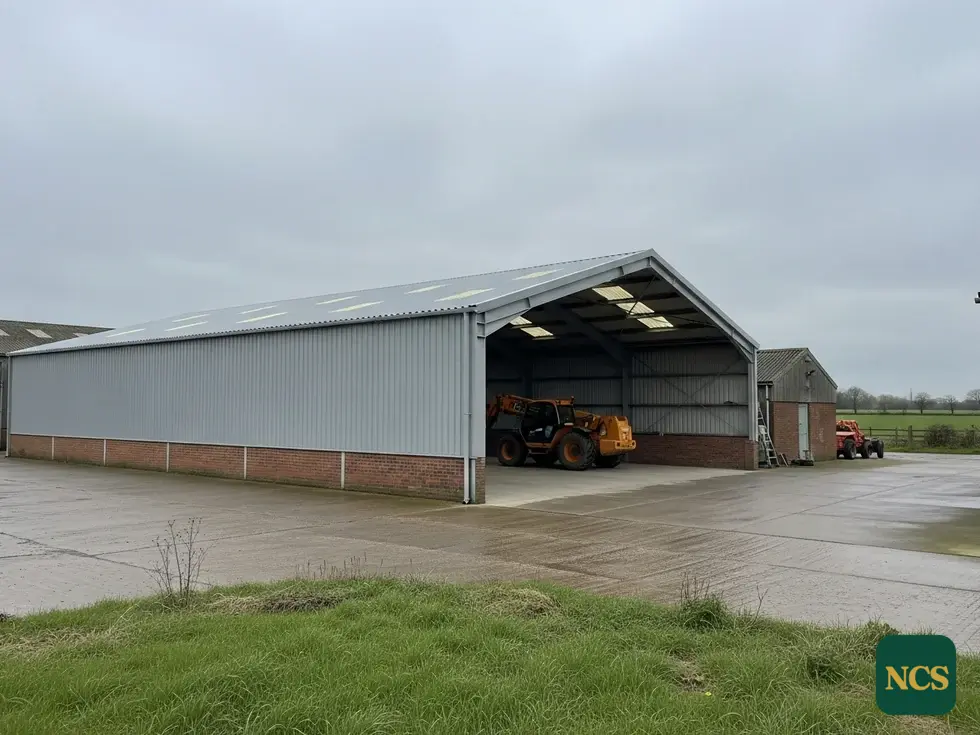
Agricultural building coatings in the Taunton area
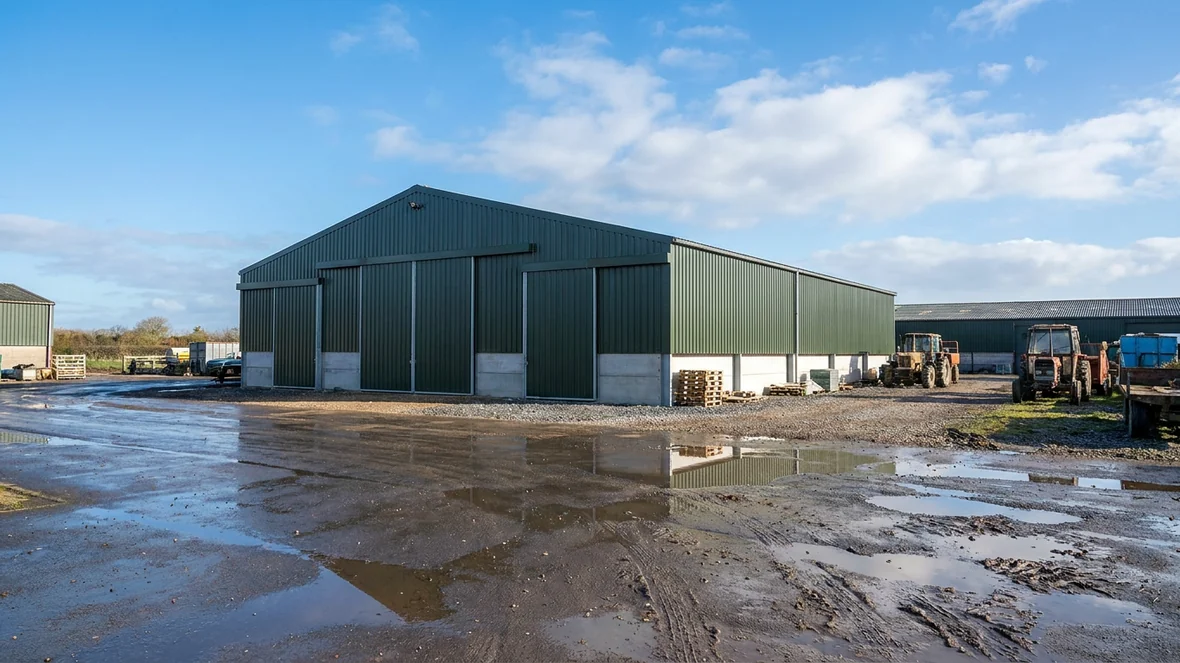
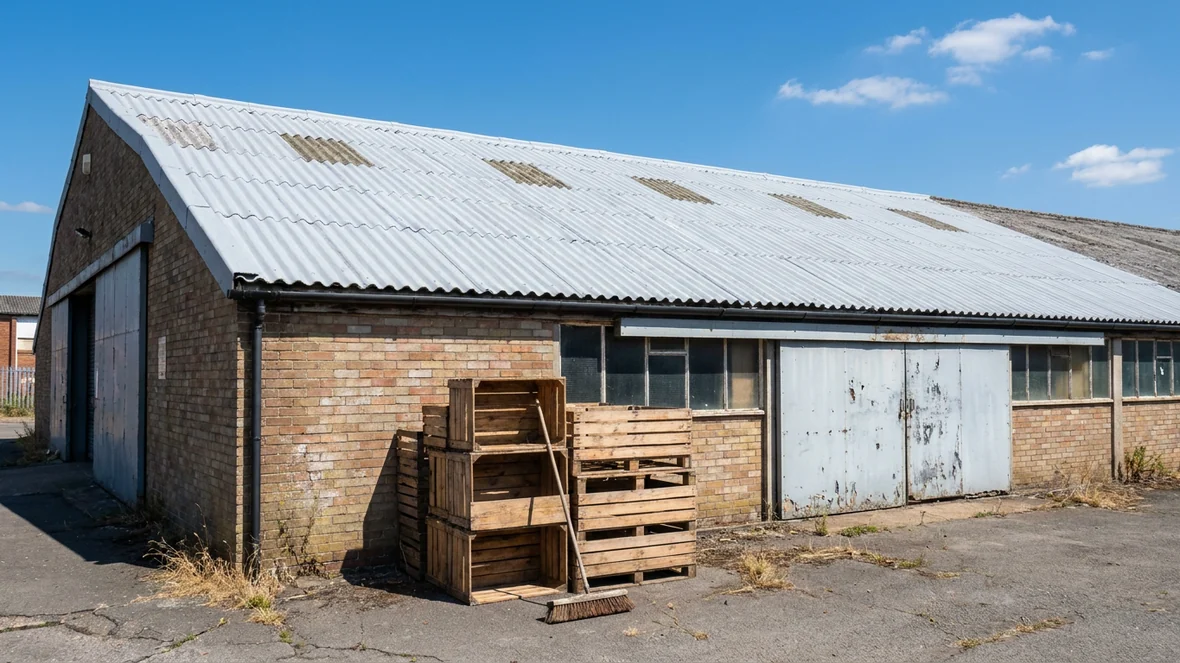
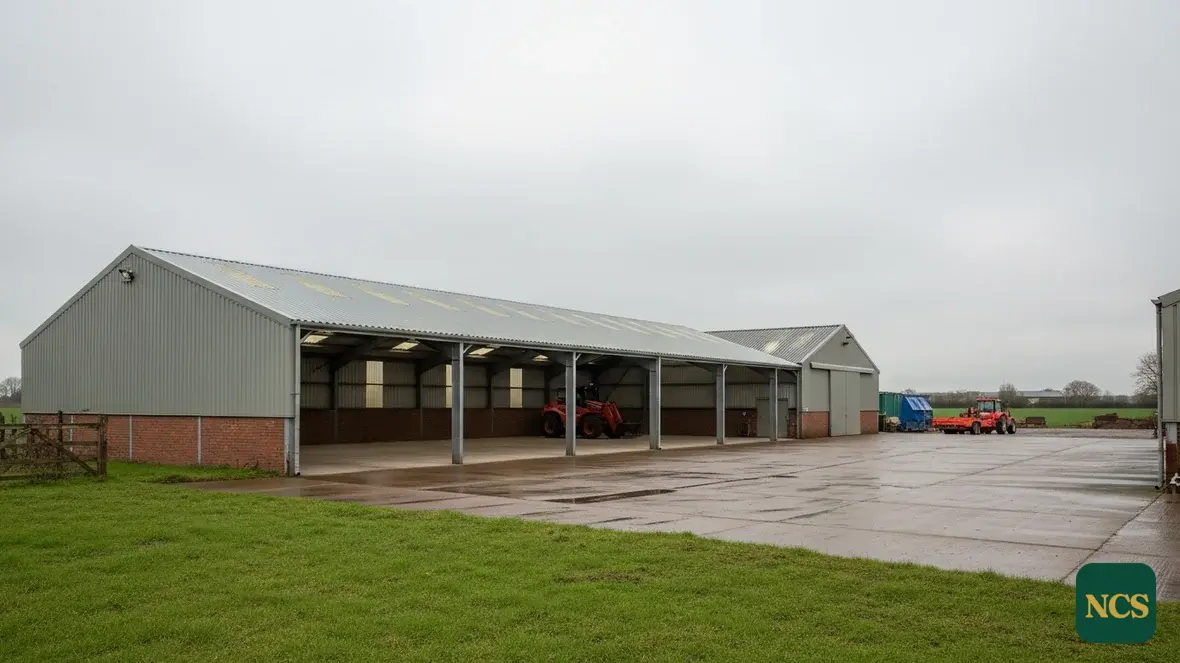
Somerset farming around Taunton is built on grass and livestock, with dairy units, beef and sheep enterprises, cider orchards and arable ground on the better-drained land. The buildings follow the pattern of the West Country: cubicle sheds and loose housing, parlour and dairy buildings, fodder and machinery stores, and a long tail of asbestos-cement roofs put up generations ago and still in daily use. Wet winters and mild damp air make the region hard on roof surfaces. Moss establishes early, fibre cement turns porous, steel corrodes along its cut edges, and gutters quietly fail under the volume of water they handle. A coating system applied to a sound, prepared substrate is often the most economical way to stop that decline. Whether your building qualifies is a survey question, and that is where we always begin.
Wet winters, housed stock and roofs under pressure
From autumn housing to spring turnout, livestock buildings near Taunton run warm and humid inside while the outside takes months of rain. Condensation on the underside of cold sheets drives corrosion at fixings and laps; on the weather side, saturated fibre cement suffers frost damage and surface erosion. The result is the familiar picture of drips over stock, streaked cladding and green roofs. An exterior coating seals the weather face, stops water absorption and arrests the surface breakdown, and on asbestos cement it also binds the surface. What it cannot do is substitute for ventilation, and where a wet shed is a ventilation problem we will say so plainly rather than sell a coating that treats the symptom.
Timing the work around turnout, silage and cider country
The realistic window for roof work on livestock housing is between turnout and autumn housing, when buildings are empty or close to it. Around Taunton that window competes with silage cuts, harvest on mixed holdings and the general pressure of a working yard, so we fix the programme at survey stage and keep it honest about weather contingency, which in Somerset is not a formality. Where parlours and dairies must keep operating, we plan the job in zones with the farm and follow the unit’s hygiene and biosecurity rules. Buildings tied to fruit or crop storage get the same treatment: the store cycle sets the dates, not the contractor’s diary.
Repair, coat or replace: the honest version
Coating is not always the right answer, and we put the alternatives in writing when it is not:
- Asbestos-cement sheets cracked, holed or too fragile for safe access and preparation
- Steel roofing corroded through from years of condensation over housed stock
- Buildings where structure, drainage or ventilation is the real problem
- Sheds likely to be replaced, extended or converted before a coating could pay back
- Roofs where preparation and repair costs sit too close to the price of new sheets
Many jobs end up mixed: replace the worst sheets and rooflights, repair gutters and fixings, coat the sound majority. The survey report sets out each route so the decision is made on your figures, not our preferences.
Getting a survey booked in Somerset
We are a survey-led exterior coating contractor based in the South East and working across England, with the Taunton area inside our normal range. The survey covers roof sheets, cladding, gutters, valleys, rooflights and fixings, plus how the building is stocked, used and planned for, and it ends in a written recommendation, including the recommendation to walk away from coating where that is the truth. If one of your buildings is leaking, streaking or simply overdue a decision, the survey is the inexpensive first step that stops money landing on the wrong roof.