Industrial roof coatings along the M5 in Somerset
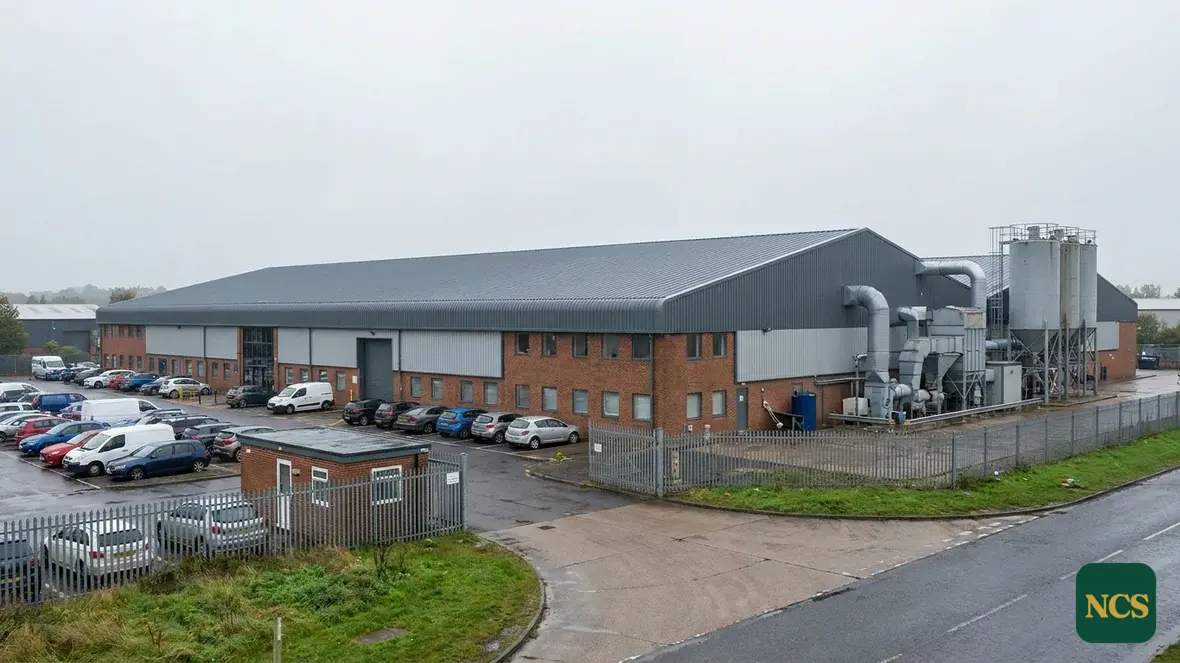
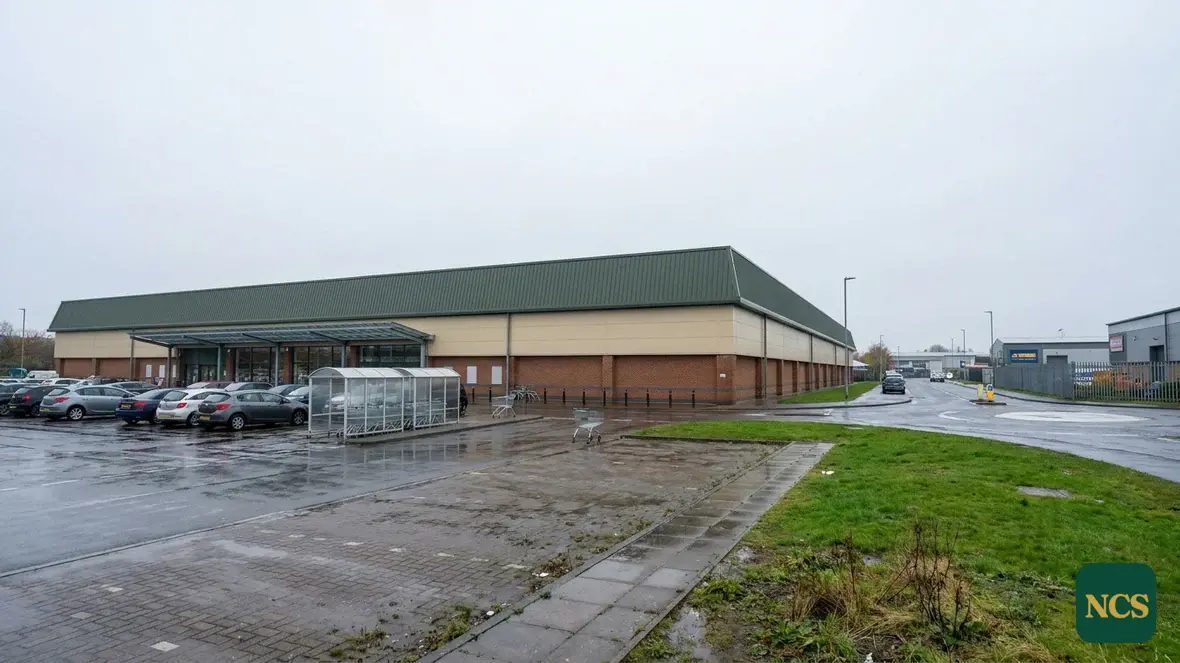
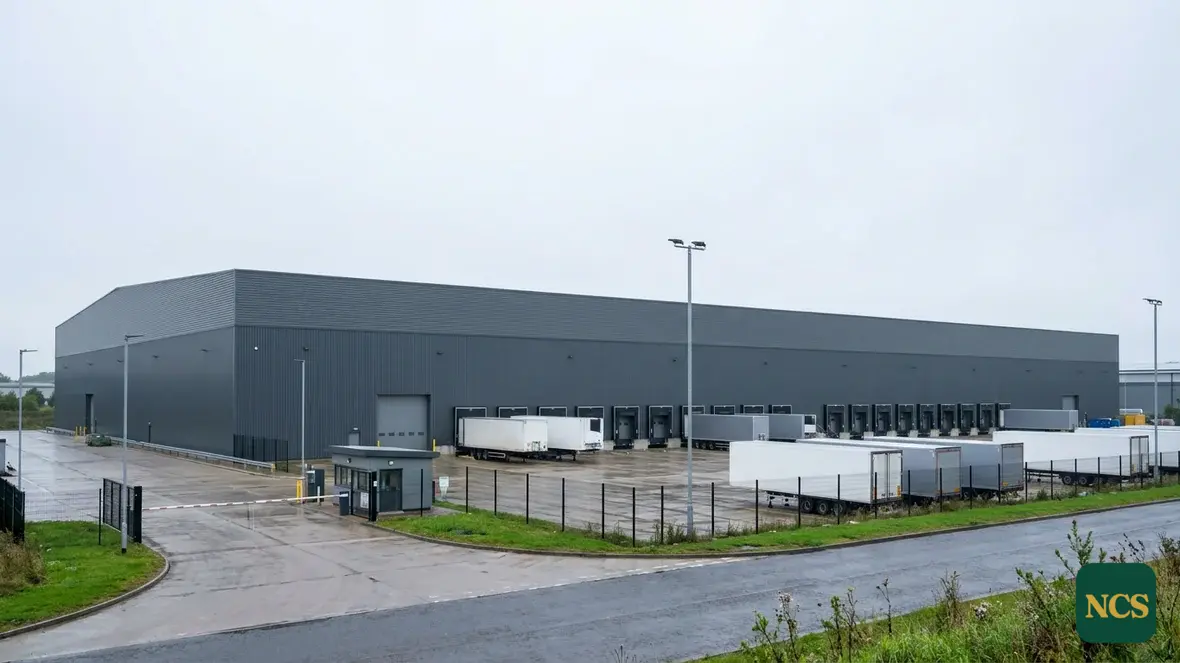
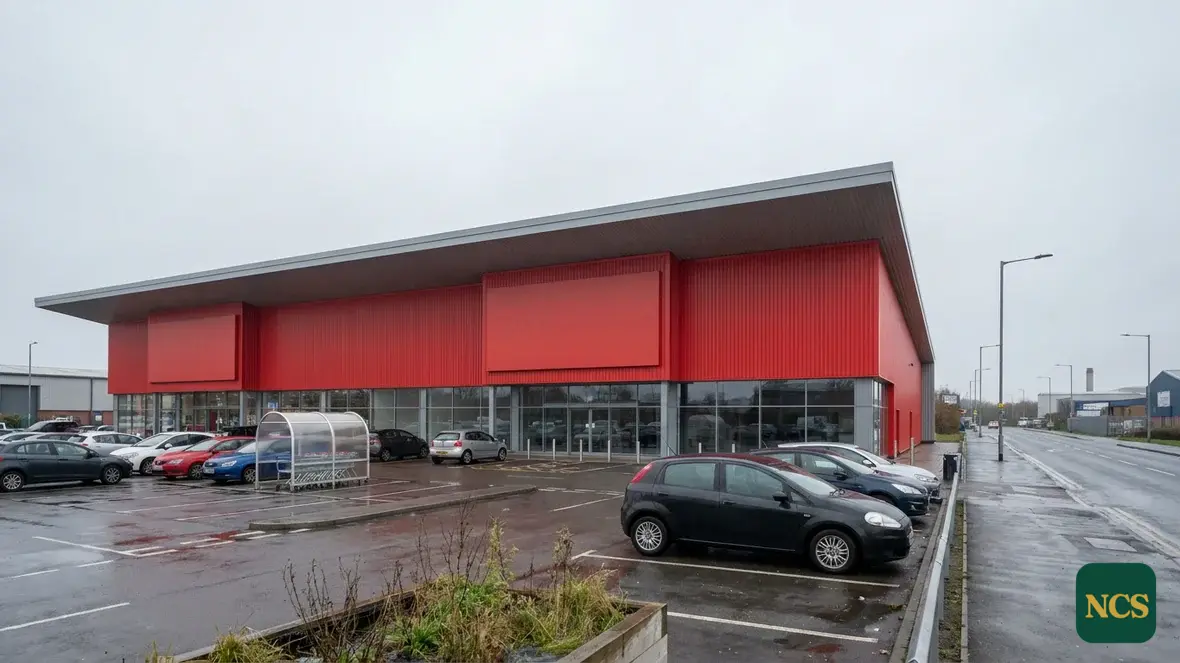
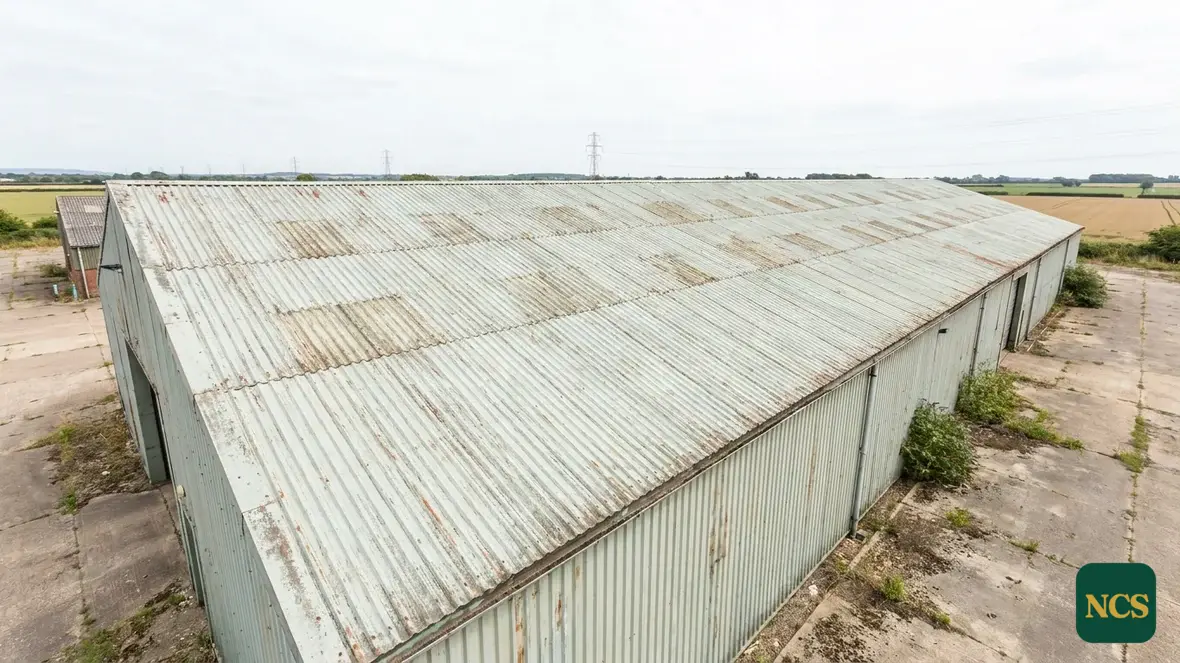
Taunton’s industrial buildings cluster around the M5 and the main routes into town: distribution and storage units, food and agricultural processing, vehicle workshops and trading-estate space serving the South-West. The common roof over all of it is profiled metal, and a good deal of that metal has now been up for twenty or thirty years. Somerset weather does the rest. Long wet spells keep lap joints damp for weeks, and roofs that were merely weathered begin to leak. For the facilities and estates people responsible, industrial roof coatings offer a way to renew the weatherproof surface of a sound roof without the cost and upheaval of replacement, and without stopping the business underneath.
What South-West weather does to profiled sheets
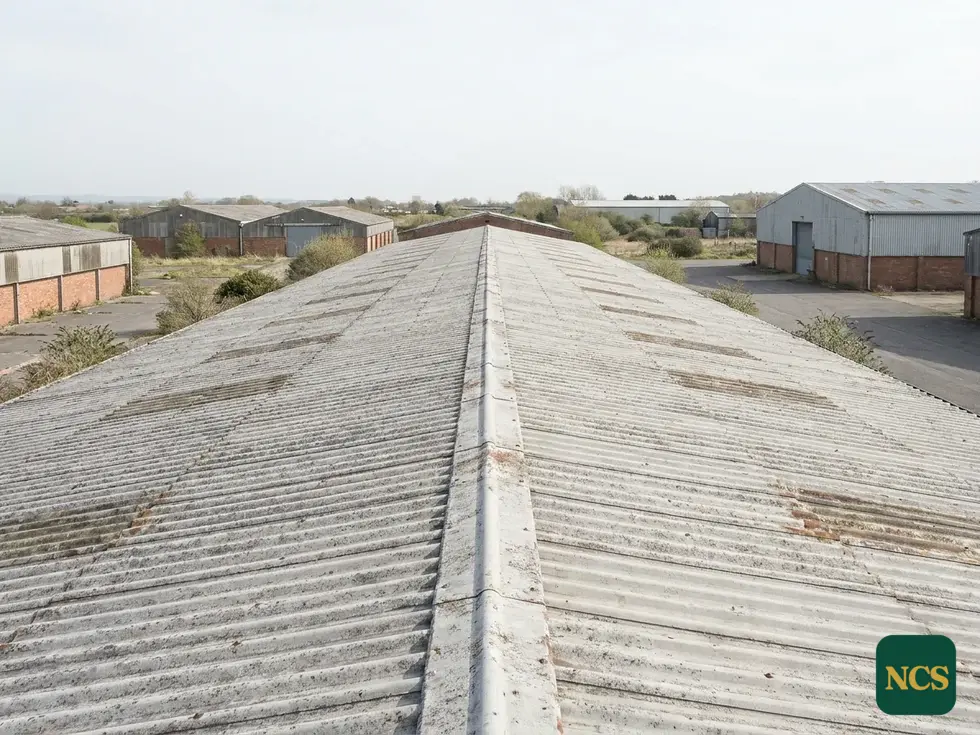
Persistent moisture is the quiet enemy. Cut-edge corrosion, the rusting of exposed steel at sheet ends, takes hold at laps and eaves and creeps back under the finish, faster where joints rarely dry out. Sealants perish, fixings rust, rooflights cloud and turn brittle, and gutters carrying years of moss and debris overflow into the building’s edges. None of this means the roof is finished. It means the surface layer is finished, and the choice is between renewing that layer while the sheets are still sound or letting the corrosion decide the timetable for you.
Faults a survey picks up before they become leaks
We inspect before we recommend, every time. On roofs of this age and type the survey typically examines:
- Cut-edge corrosion at laps, eaves and ridges, mapped against the coatable threshold
- Sheet perforation anywhere on the roof
- Fixing and washer condition along the sheet lines
- Rooflights and flashings, including fragility
- Gutter falls, joints and blockages
The written report gives a plain recommendation with photographs. If the roof suits a coating, the specification and preparation works follow from what the survey found rather than from a standard template.
Coating an occupied food or storage building
Plenty of industrial space around Taunton handles food, feed or stored goods that cannot tolerate dust, debris or an opened-up roof. Coating works are external: there is no strip-off, the roof is never removed, and the envelope stays closed throughout, which makes the approach far easier to accommodate for hygiene-sensitive operations than re-sheeting. We agree access, working hours and any sensitive zones with your site team in advance and sequence the roof in sections so deliveries and production carry on. We are a South-East based contractor and cover Somerset and the wider South-West as part of our normal working range across England.
An honest line on when not to coat
A coating is the right answer for a specific kind of roof: structurally sound, surface failing, corrosion still confined to the treatable zones. Outside that, we advise against it. Sheets perforated across large areas, corrosion run deep beyond the edges, saturated insulation in composite panels and brittle fibre cement in poor condition all call for repair or replacement instead, and our survey report will say so directly. We would rather tell a Taunton estates manager an uncomfortable truth at survey stage than apply a coating that cannot last. If the roof is right for coating, the report shows why; if it is not, the report is still useful, because it tells you what the building actually needs.