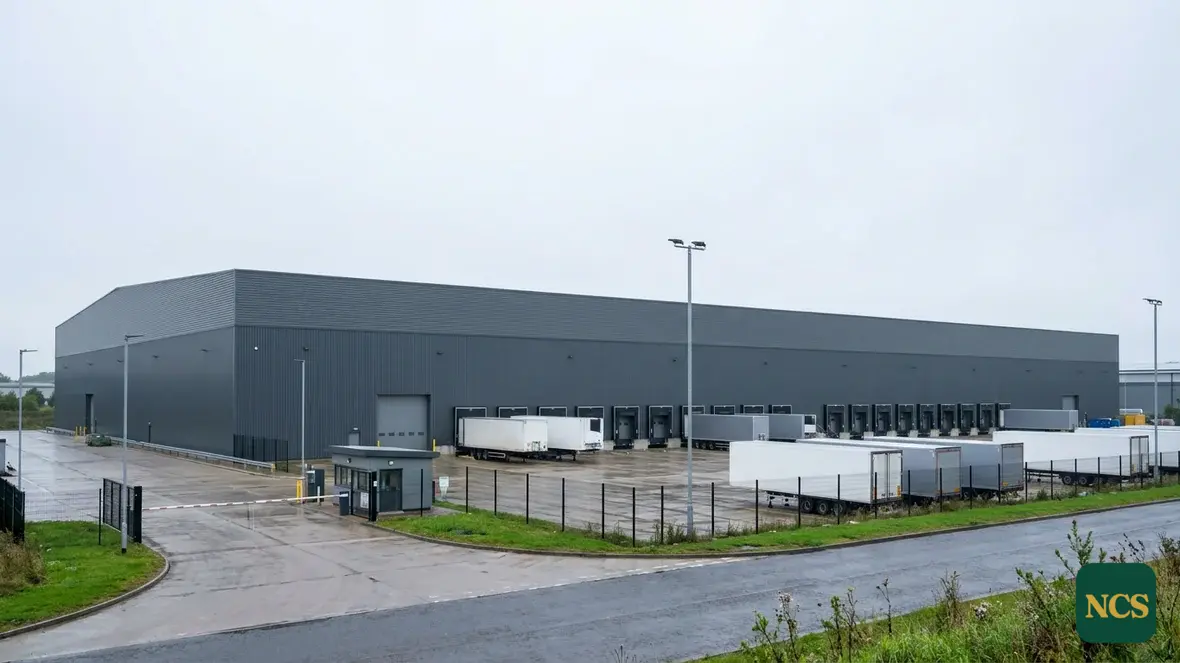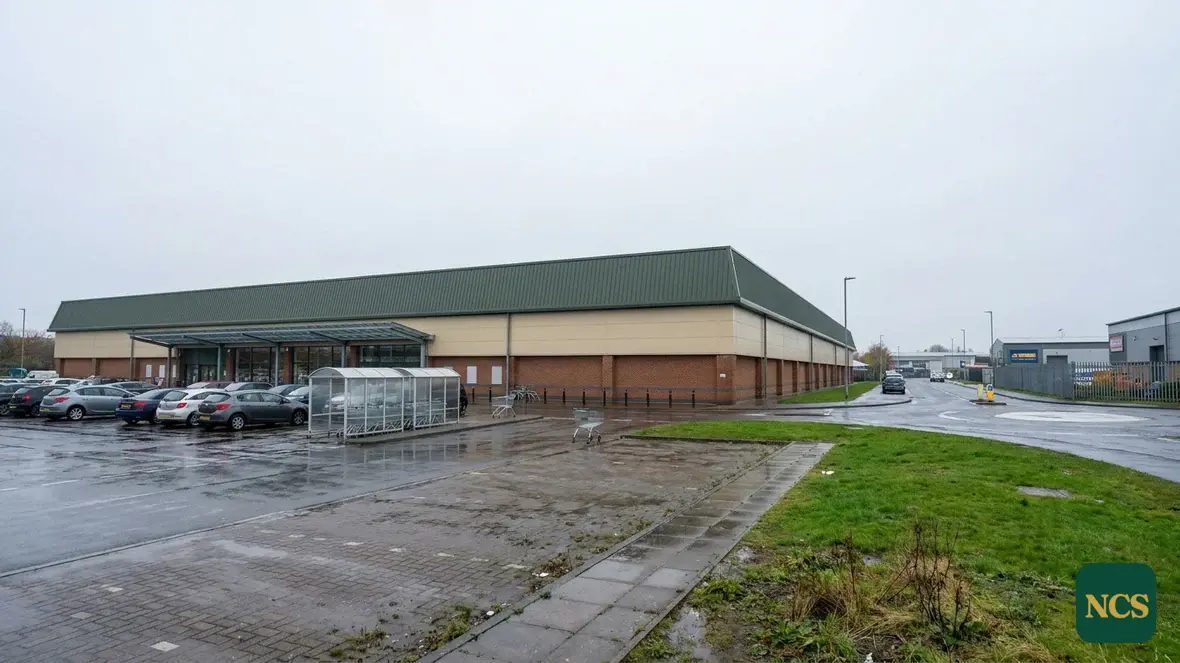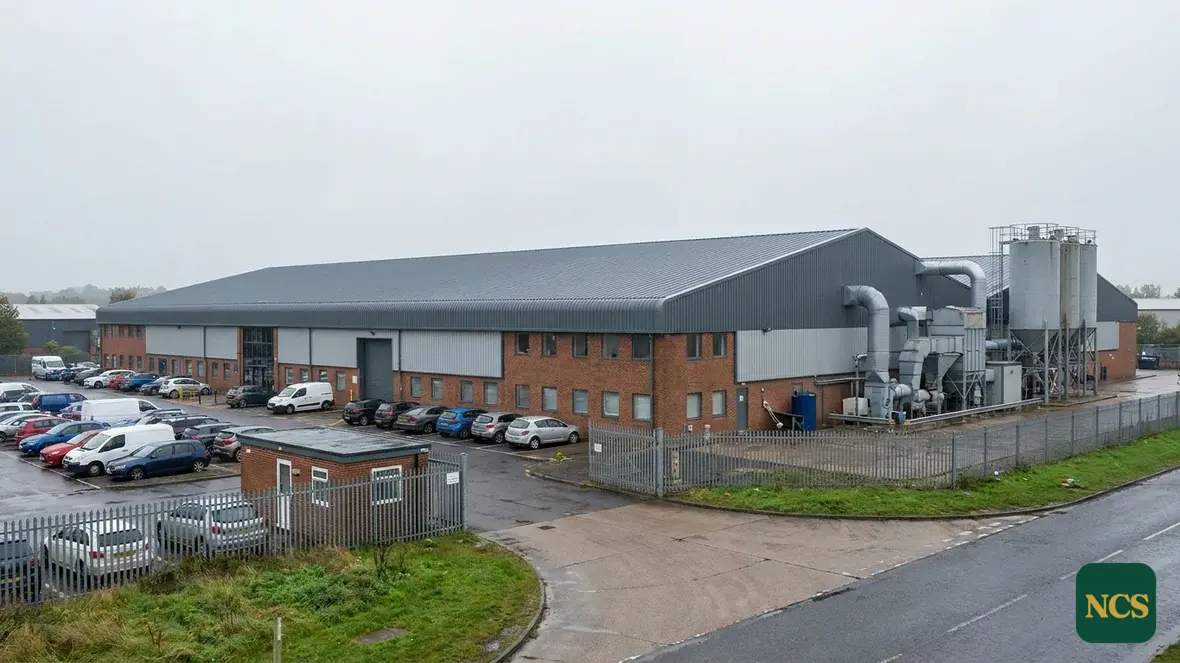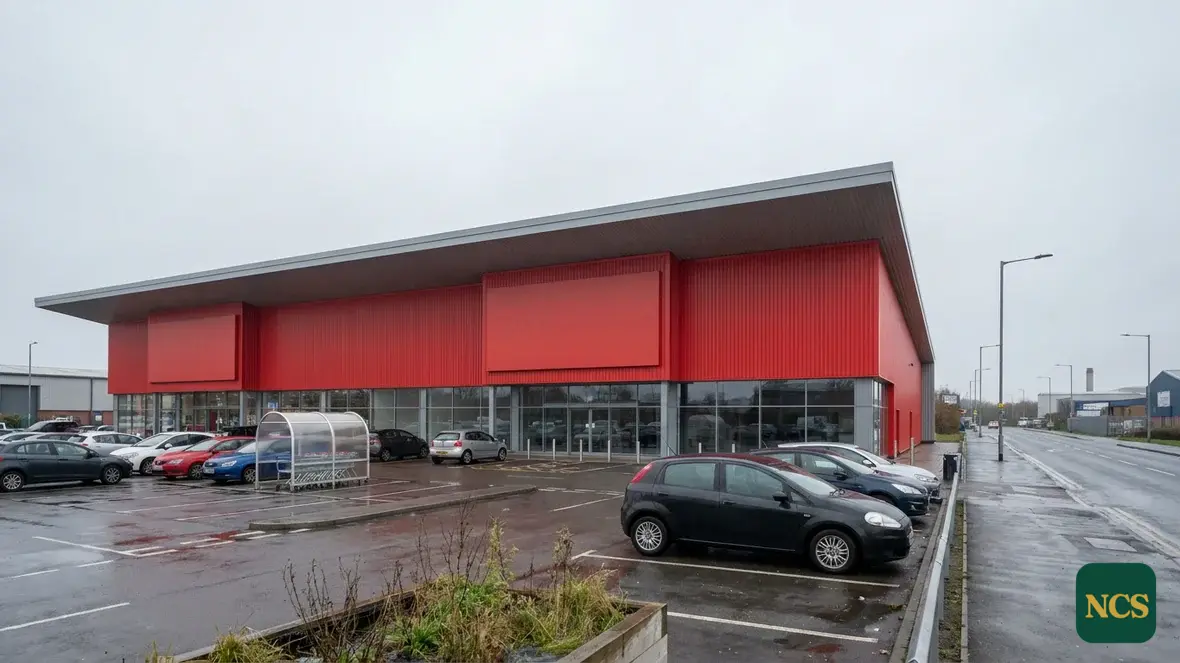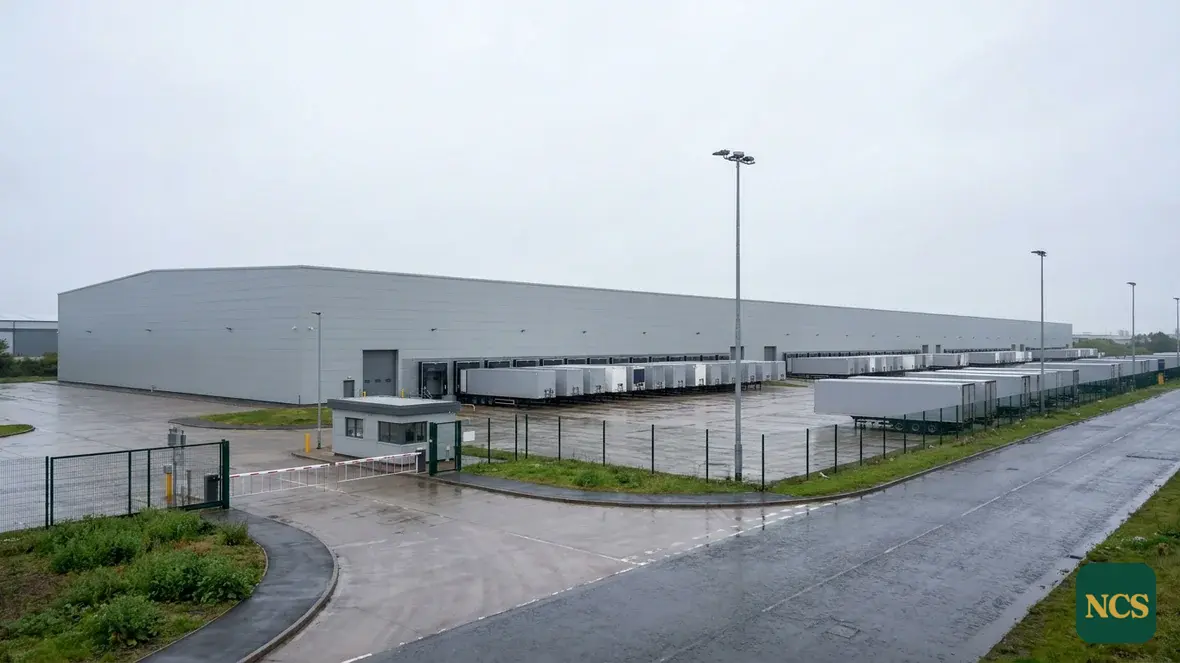
Roofs in the South West spend more of the year wet than almost anywhere else in England, and wet time is the fuel that cut edge corrosion runs on. Around Taunton, that means the steel-roofed agricultural sheds of the surrounding Somerset countryside and the distribution and trade units along the motorway corridor share the same slow-burning defect: rust forming at the cut ends of the roof sheets and creeping under the coating from there.
Understanding the defect on your roof
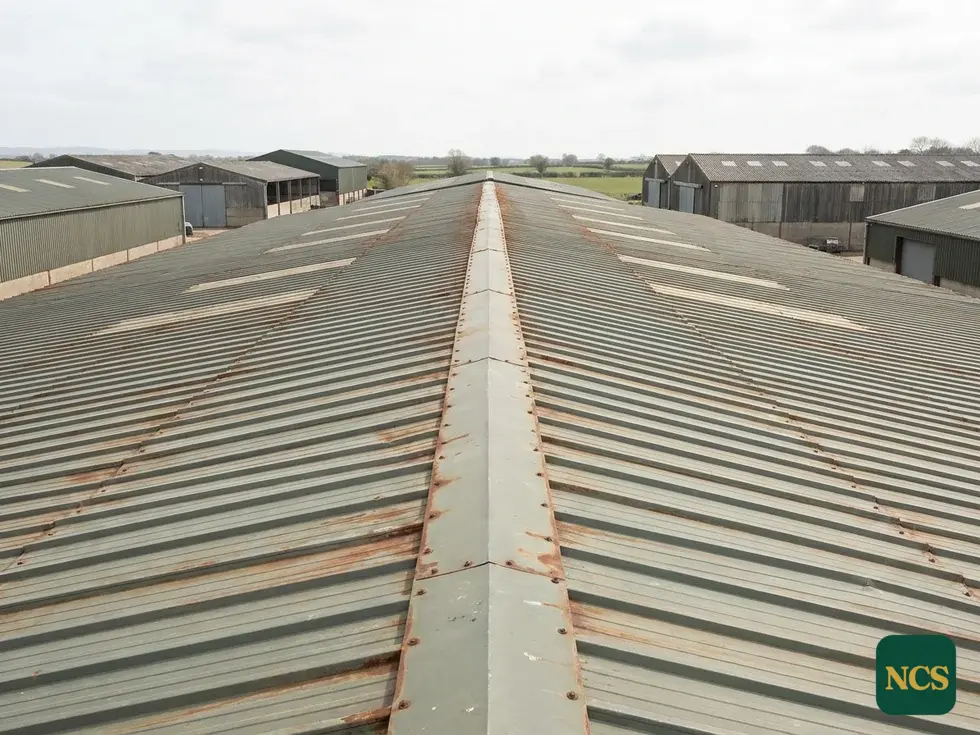
Profiled steel sheet is coated on its faces at the factory, but the ends are cut raw. Those raw edges end up at the eaves and inside the overlaps, where rainwater gathers and drains slowly. Bare steel rusts; the rust then works backwards beneath the coating, lifting it from the metal so that a protected face becomes an unprotected one. Because the failure exposes new steel as it goes, it accelerates rather than settles, and a roof showing a faint rust line one year can show peeling laps within a few more.
Somerset conditions, Somerset buildings
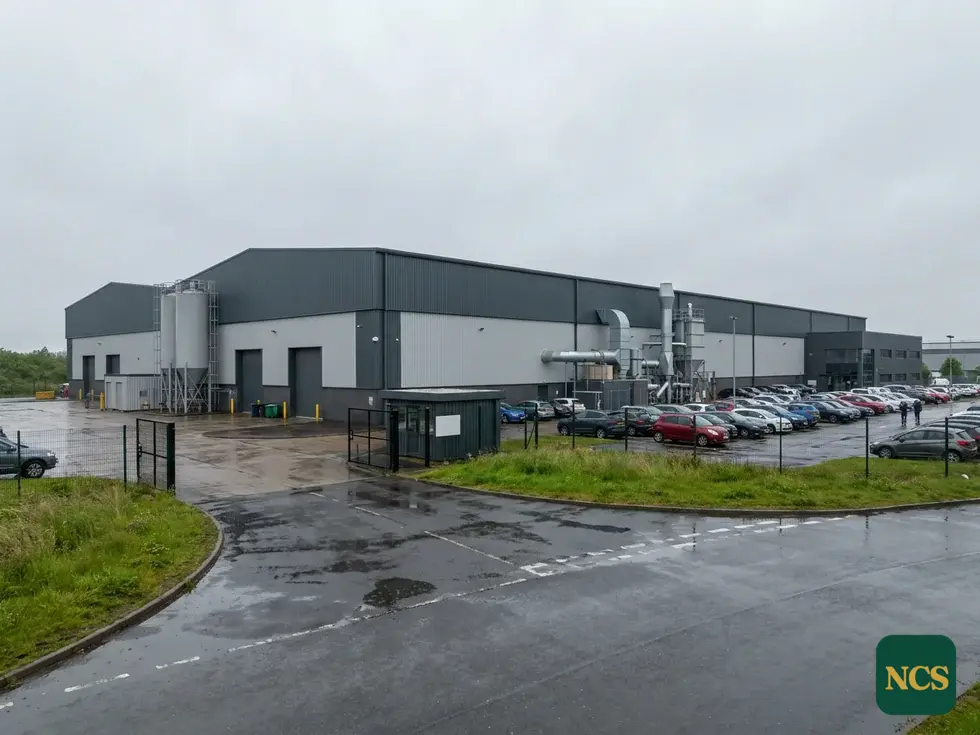
Two local factors deserve mention. First, the rainfall: laps stay wet for longer here, so corrosion runs faster than the national picture suggests. Second, the stock: a high share of steel-roofed buildings around Taunton are agricultural, and livestock housing adds warm, humid, sometimes corrosive internal air that attacks lap joints from below at the same time as the weather works from above. Farm roofs therefore deserve earlier and more frequent checks than their owners usually give them.
Why early treatment wins on cost
The arithmetic is consistent. Early treatment means preparing the affected edges, priming the cleaned steel and sealing the laps with a flexible waterproof band, all while the building carries on working underneath. Late discovery means perforation, leaks and sheet replacement. The early signs are modest and easy to dismiss, which is exactly why they should not be:
- Rust-coloured staining in the gutters or along the gutter line of the sheets
- A visible brown band along sheet ends at the eaves
- Coating starting to lift or flake at the overlaps
- Damp patches or drip marks inside the building along lap lines
Honesty first: not every roof can be saved
Where our survey finds perforated laps, paper-thin sheet ends or corrosion that has run far beyond the edge zone, we will tell you that treatment is the wrong spend and that replacement of the affected sheets is the genuine fix. We put that in the survey report rather than softening it, because an owner planning a farm or business budget needs the real position, not the convenient one. Treating steel that has already failed buys appearance, not protection.
Pairing the work with a full roof coating
Most roofs that need edge treatment also carry a topcoat near the end of its life. Dealing with both together, edges prepared and sealed and then the whole roof overcoated, restores a single continuous weatherproof surface and shares one set of access costs across the lot. National Coating Specialists surveys first and quotes after, working across England from its South East base, with Taunton and the wider South West well within range.