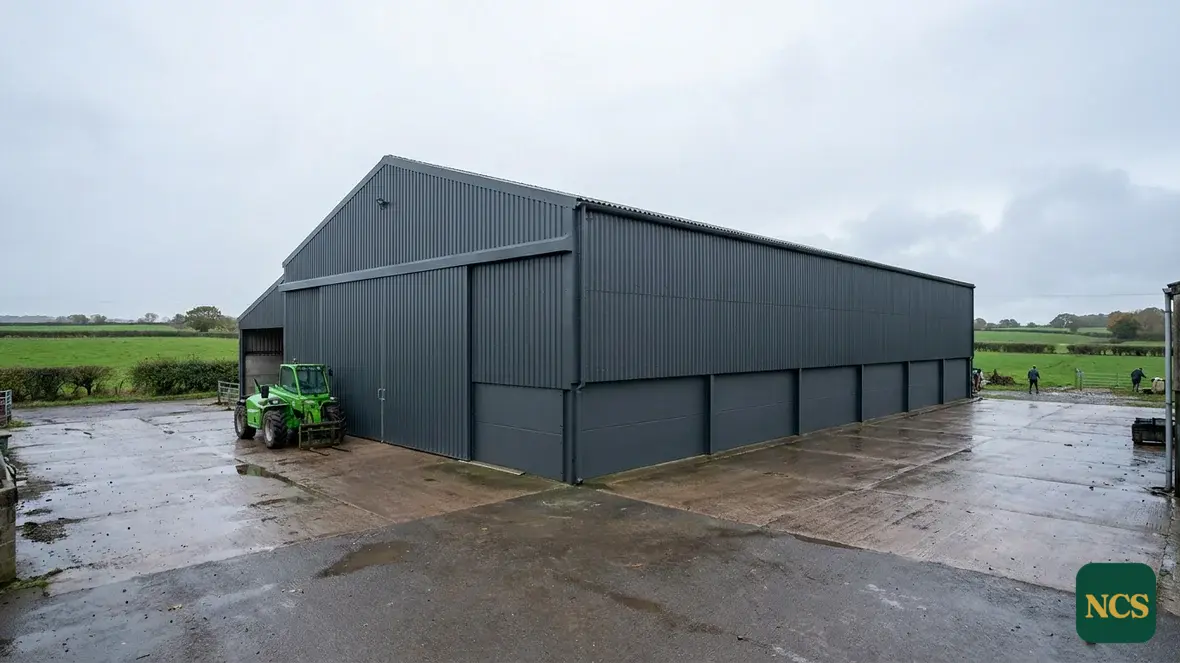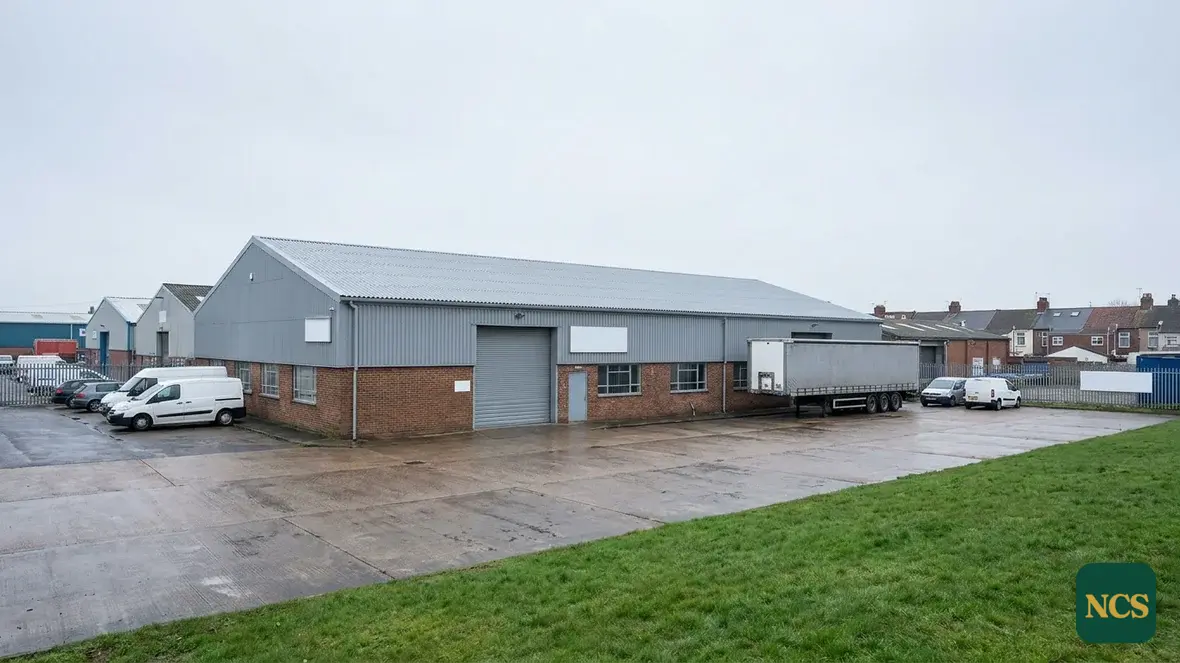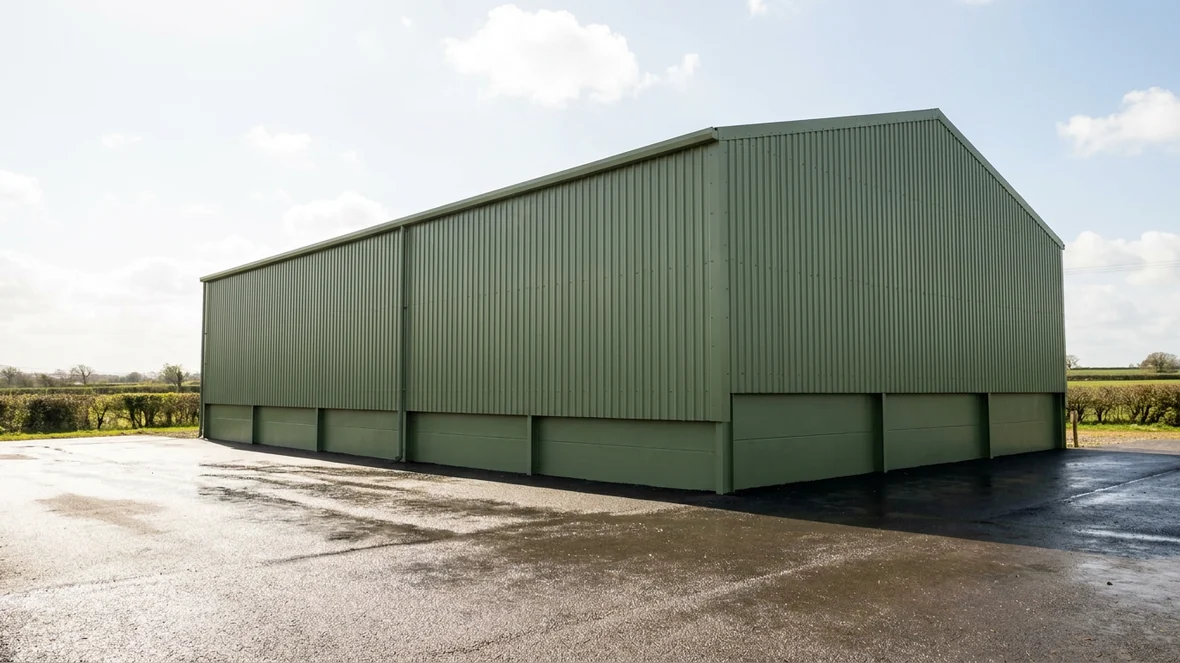
Head out of Hull into Holderness and the East Riding and the country opens into wide, flat coastal arable, exposed to whatever the Humber and the North Sea send inland. National Coating Specialists is a survey-led exterior coating contractor working across England from a South-East base, and the salt-laden air and open exposure around Hull put a particular kind of strain on farm buildings that shapes how we plan agricultural building coatings here.
Salt air, open ground and how roofs fail near Hull
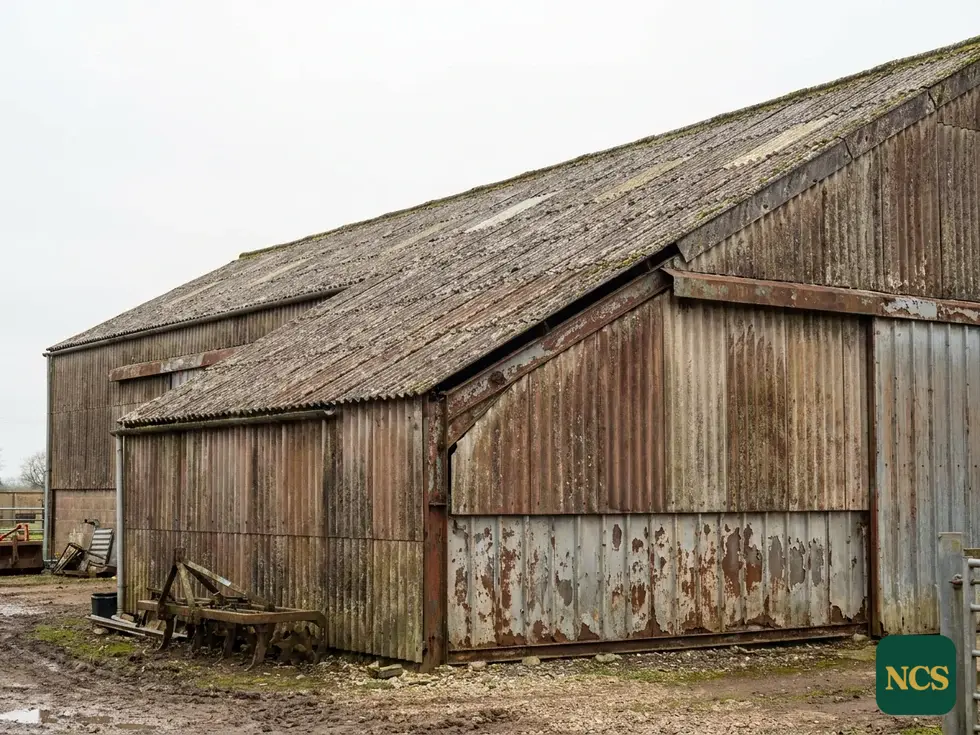
The flat country east of Hull offers little shelter, and the proximity to the estuary and the coast means a salt content in the air that pushes corrosion along faster than inland sites see. Cut edges on steel sheets rust early, fixings weep, and plastisol finishes chalk and fade under constant wind and UV. Large grain and machinery stores carry long, exposed slopes, while older fibre-cement barns sit alongside them on many holdings. None of that automatically means a roof is finished. Where the frame is sound and corrosion has not eaten through the sheet, sound preparation and the right coating system can hold a building together for many more seasons.
The survey settles it
We do not price farm roofs from the gateway, because the detail that decides a roof’s fate is rarely visible from the ground. Every enquiry around Hull starts with an inspection, and a typical survey records:
- Sheet condition, with attention to cut-edge corrosion accelerated by coastal air
- Fixings, washers and any sign of movement in the sheets
- Gutters, valleys and rooflights, which commonly fail before the roof
- Internal staining on purlins and stored grain that signals water ingress
- Access and how the ground will take working equipment
You get the findings straight, with photographs, before any figure is mentioned. If two slopes need different treatments, the report says so rather than averaging the problem away.
Legacy metal and asbestos-cement roofs
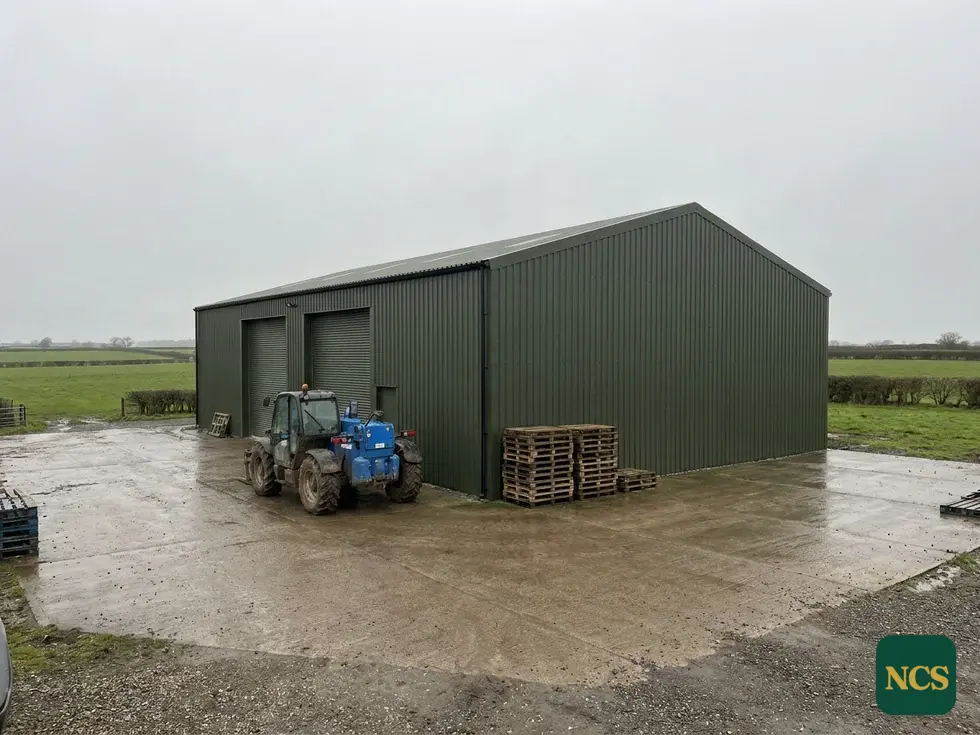
A large share of what we survey on Holderness holdings is older metal or asbestos-cement sheet. Weathered but sound asbestos-cement can usually be cleaned and encapsulated with a suitable coating, sealing the surface against further deterioration and avoiding the cost of removal. Cracked, fragile or delaminated sheets are a different conversation, and we will tell you plainly when a roof needs a licensed removal contractor rather than a coating. Inspection happens from proper access equipment, with sheet condition assessed before anyone commits weight to anything, because that caution is the difference between a safe job and a dangerous one.
Working with the arable calendar
Out on the East Riding the diary follows the grain. Stores fill from harvest and stay full through much of the year, so the window for coating a grain store is the gap after it empties and before the next crop arrives. We plan work for the quiet weeks each building actually has, agree daily vehicle movements with you rather than improvising around your routine, and protect any stored crop or wash-down areas that need it. Coatings need dry substrates and sensible temperatures, so programmes carry weather contingency built in.
Coat, repair or replace: the honest answer
Coating is not always the right call, and we would rather lose a job than coat a roof that should be replaced. Localised damage on an otherwise sound surface usually means repair, widespread surface breakdown on structurally sound sheets is where coating earns its keep, and sheets that are holed, soft or failing at the fixings are usually telling you the roof is done. The survey settles which category your building sits in. If the answer is replacement, we say so, and you can plan the spend with accurate information instead of a sales pitch dressed up as advice.