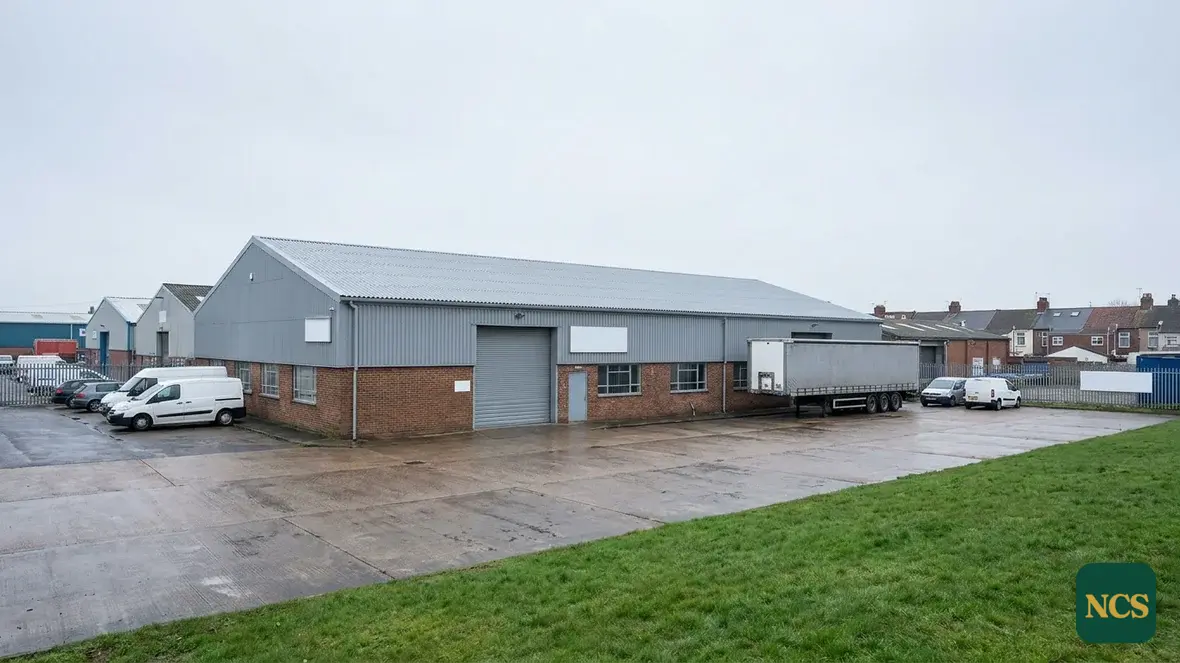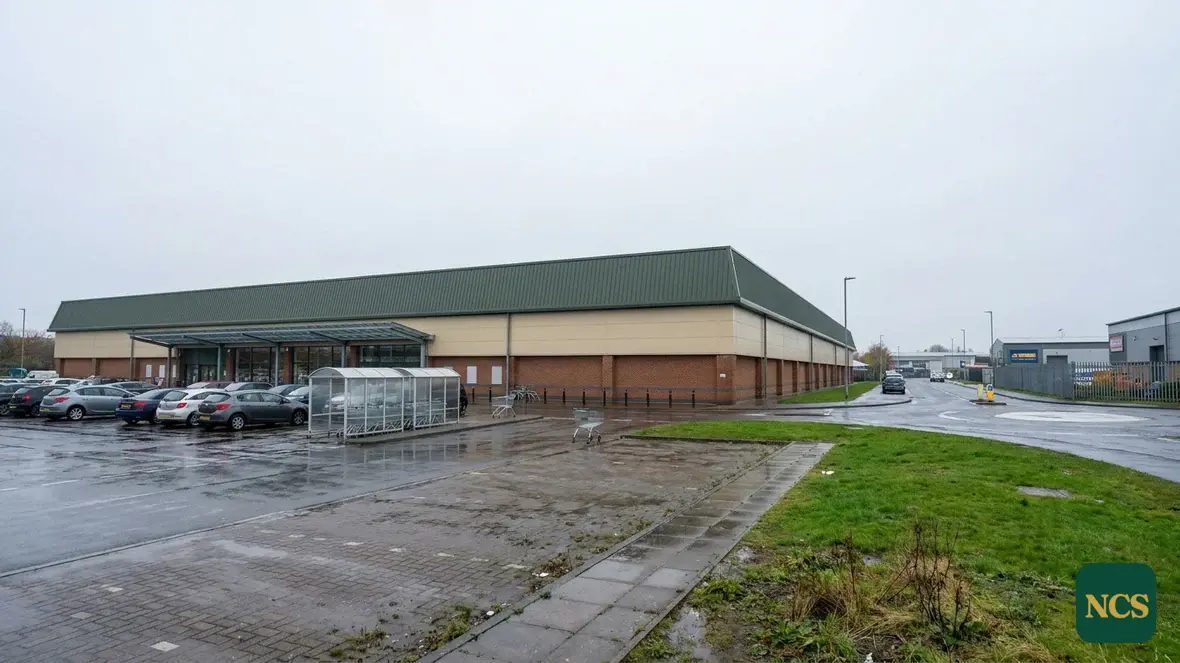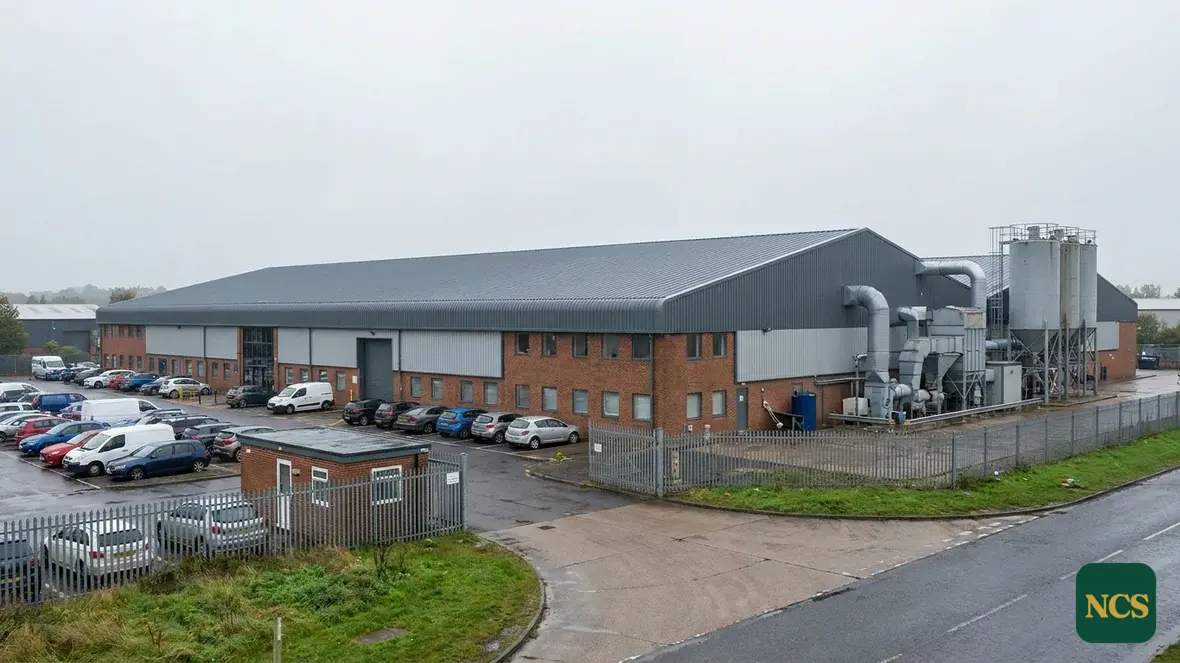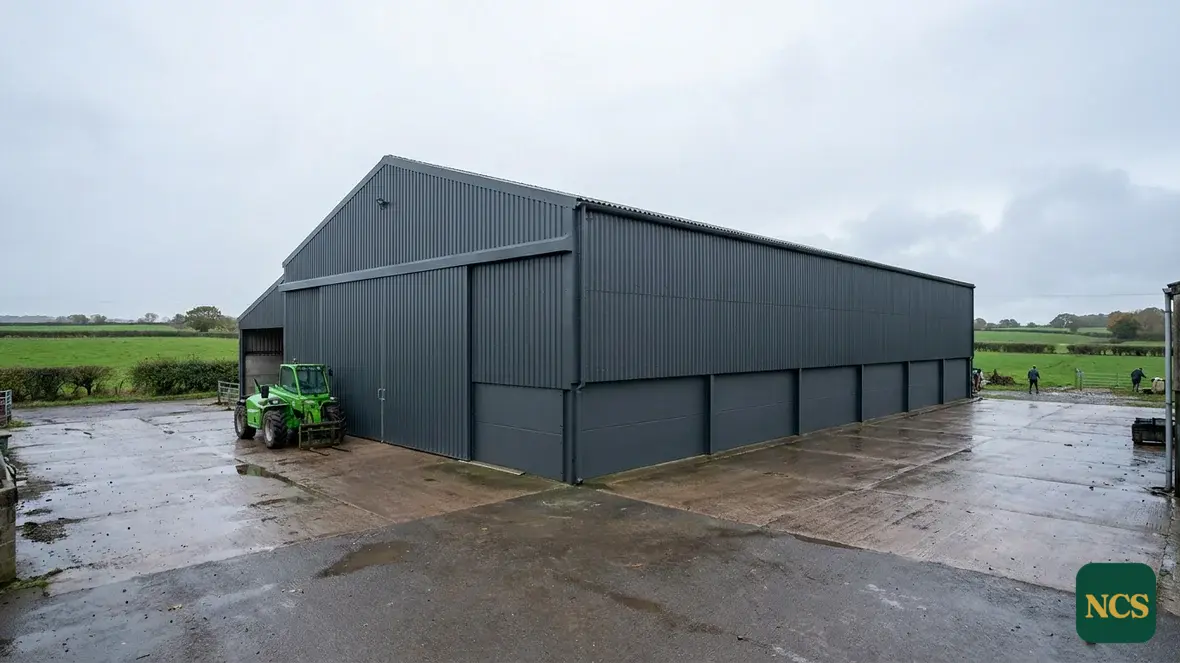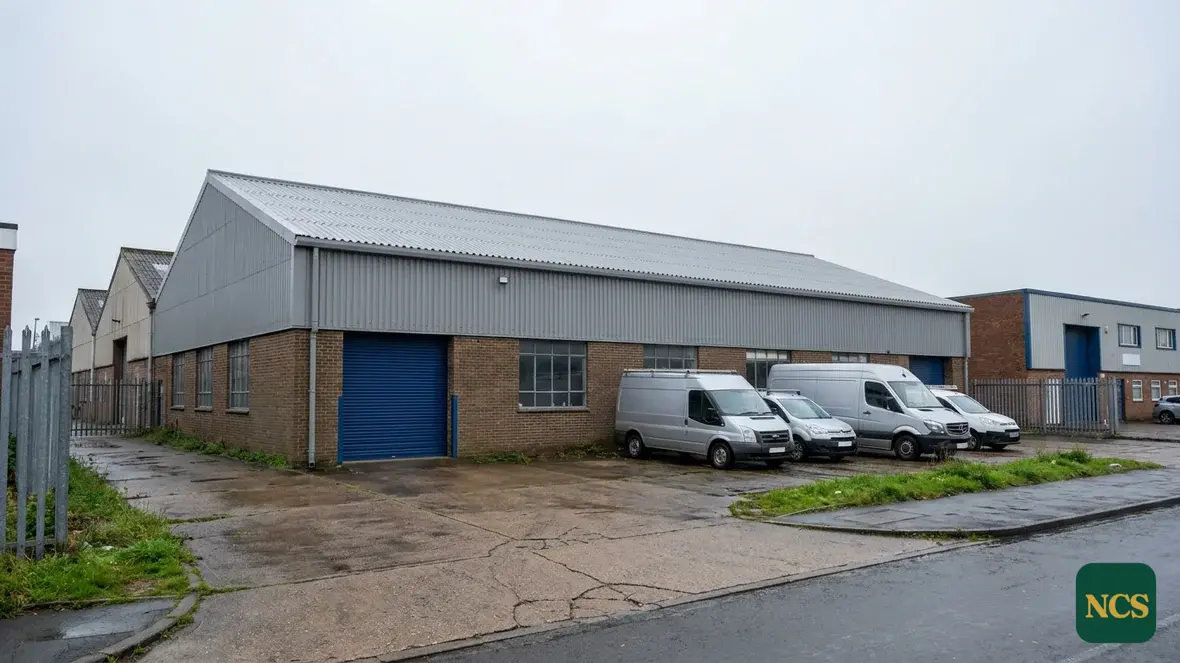
Across Taunton and the wider Somerset countryside, corrugated asbestos cement roofing is still everywhere on working buildings. It tops barns and packing sheds on the farmland around the town, the trade units on local industrial estates, and the storage and workshop buildings that keep rural businesses running. Fibre-cement sheet was the standard roof covering for decades, and a lot of it is now well weathered. If you own or manage one of these buildings, you eventually have to decide whether to strip the roof out or seal it in place, and for sound sheets encapsulation is usually the better-value answer.
Farm and trade roofs, and the duty attached to them
Regulation 4 of the Control of Asbestos Regulations 2012 places a duty to manage asbestos on whoever controls a non-domestic building, and agricultural and commercial buildings are squarely within that. You have to identify the asbestos-containing materials, assess their condition, record them and manage the risk. On the older barns, sheds and units around Taunton, built from the late 1950s through to the early 1980s, the roof is frequently the single largest asbestos element on the holding.
The duty is about control, not removal. The law asks you to keep the material in a safe condition, and where the sheets are sound a correctly applied encapsulation system is a recognised way of doing exactly that, at far lower cost than a full strip and re-roof, and without taking the building out of use.
How encapsulation works on a weathered roof
Asbestos cement releases fibres as the surface erodes, cracks and weathers over the years. Encapsulation stops that. The roof is cleaned with controlled wet methods rather than dry abrasion, damaged fixings and flashings are repaired, minor faults are made good, and the whole surface is sealed with a flexible coating designed for asbestos cement. The roof ends up watertight, the fibres locked into the sheet, and its serviceable life extended by several years.
Is your roof suitable?
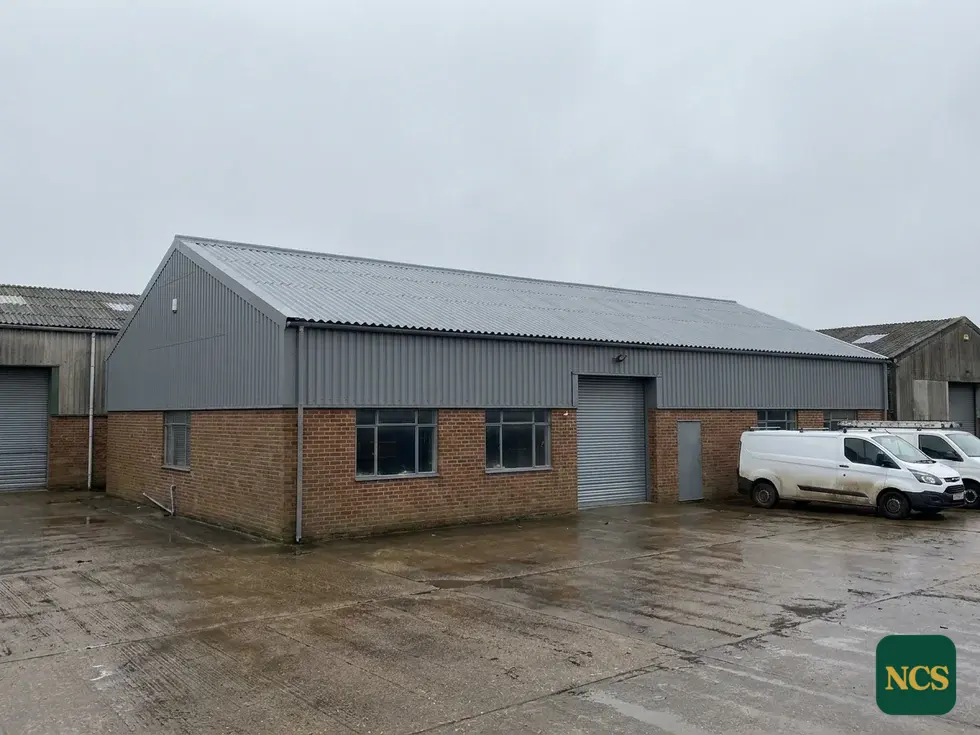
Not every roof is a candidate, so we survey before quoting. Encapsulation generally makes sense where:
- The sheets are weathered but not widely cracked or holed
- The cement substrate is firm, not soft or delaminating
- Fixings, laps and flashings are sound or repairable
- The roof structure beneath carries the load safely
- The building has a working future that justifies the spend
When removal is the honest recommendation
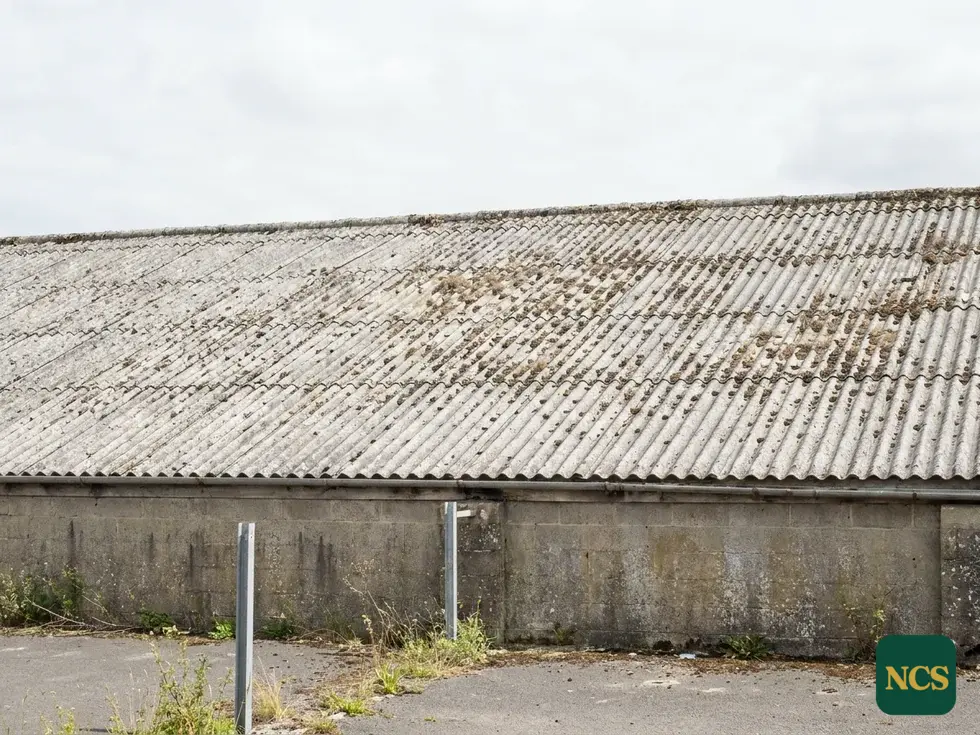
A genuine survey sometimes ends with advice you were not hoping for. Coating a failing roof wastes your money, because the coating moves with the sheet, and if the sheet itself is breaking up nothing painted on top will hold it together. Where we find brittle, delaminating or extensively cracked sheets, leaks that keep returning, or a frame that can no longer take the load, we will tell you that removal and replacement is the right course and put it in writing. The same applies if the material turns out not to be asbestos cement at all. Higher-risk products such as insulation board or sprayed coatings are a different category entirely and normally require an HSE-licensed removal contractor. Encapsulation is for sound asbestos cement, and we will not stretch it beyond that.
A straight answer, after a proper look
We inspect the roof before anyone discusses figures: sheet condition, fixings, rooflights, gutters, internal evidence of leaks, and the structure carrying it all. You receive written findings and a clear recommendation, whether that is encapsulation, repair first, or removal by the appropriate contractor. And it is worth knowing that sealing the roof does not end your duty to manage. The asbestos stays in place and on your register and should be re-inspected periodically. What changes is its condition, from a slowly failing liability into a sealed, maintained roof. If you are responsible for a building in or around Taunton, the sensible first step is a proper condition survey.