









Chelmsford’s industrial roofs are reaching the age of failure
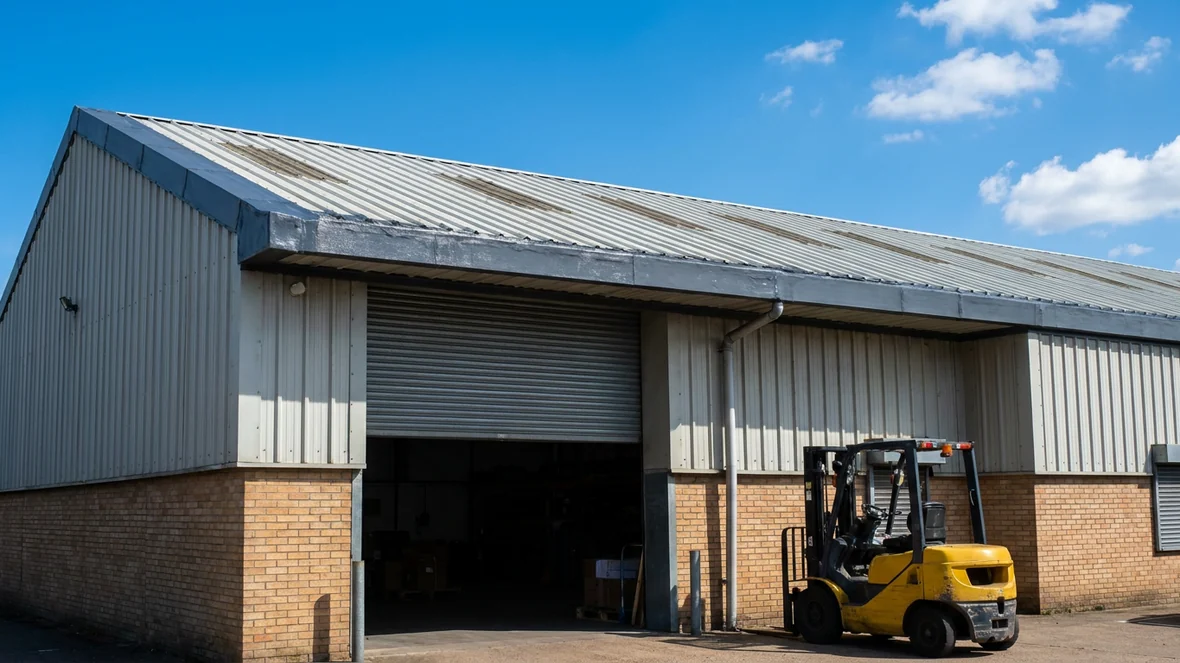
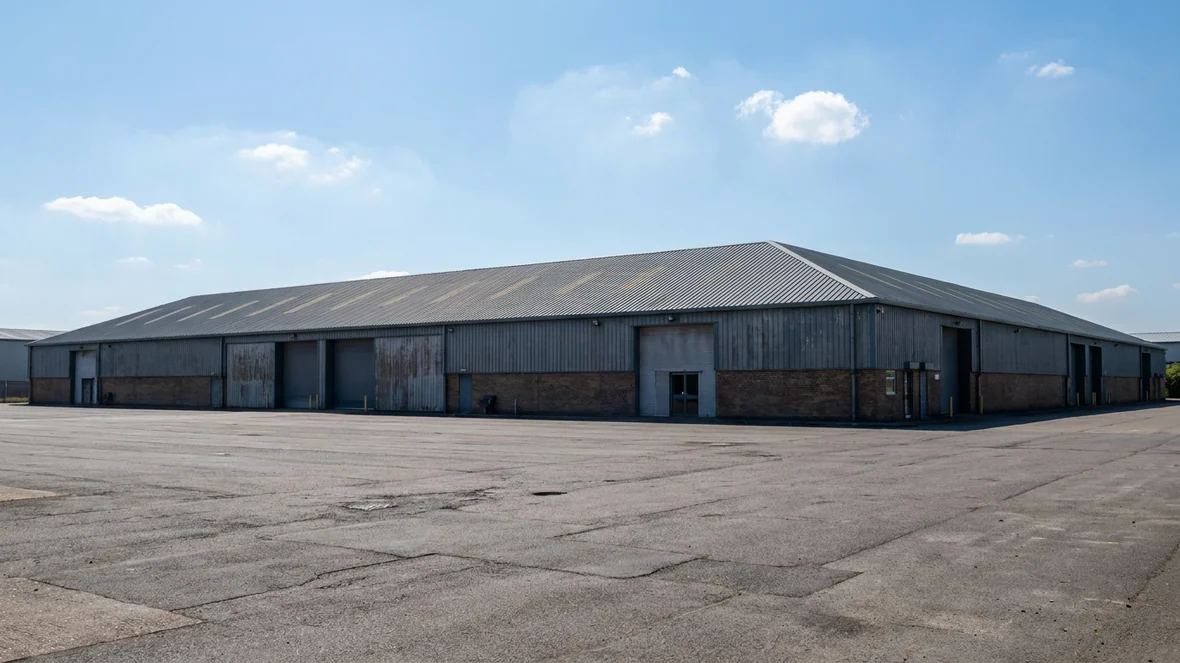
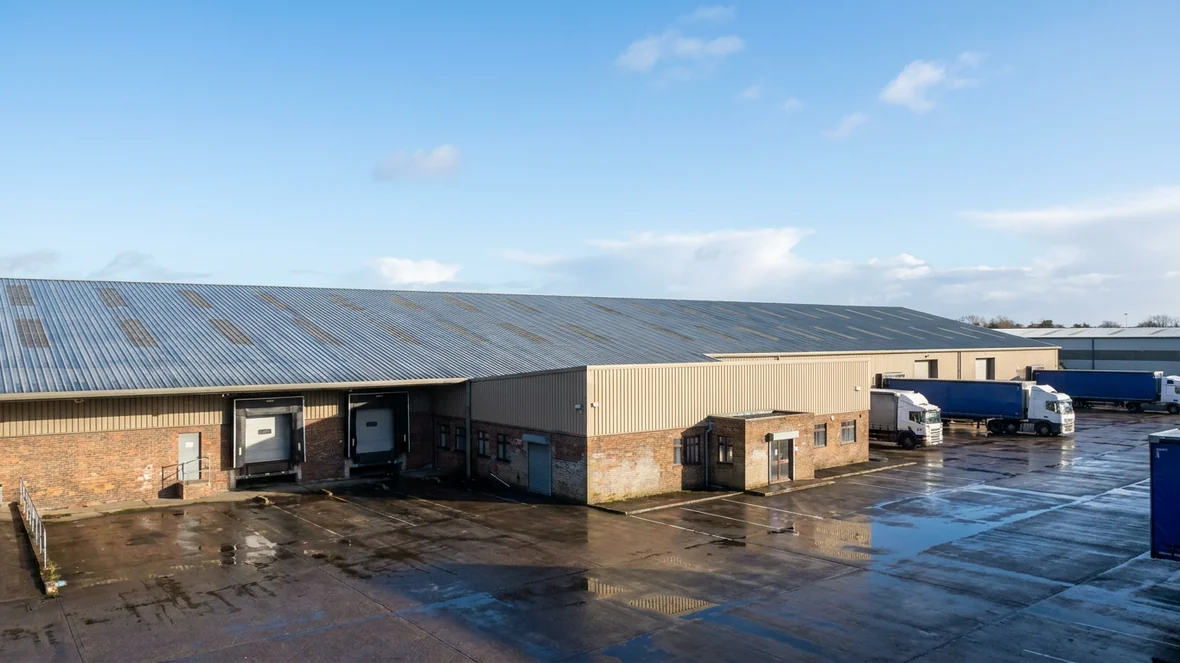
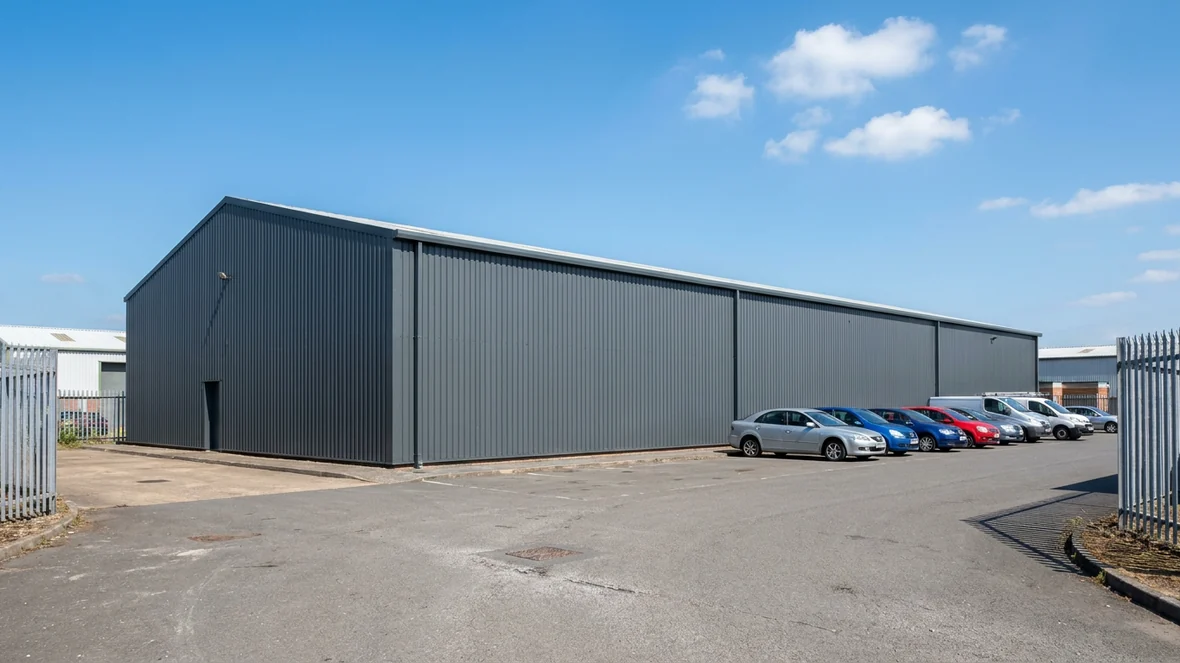
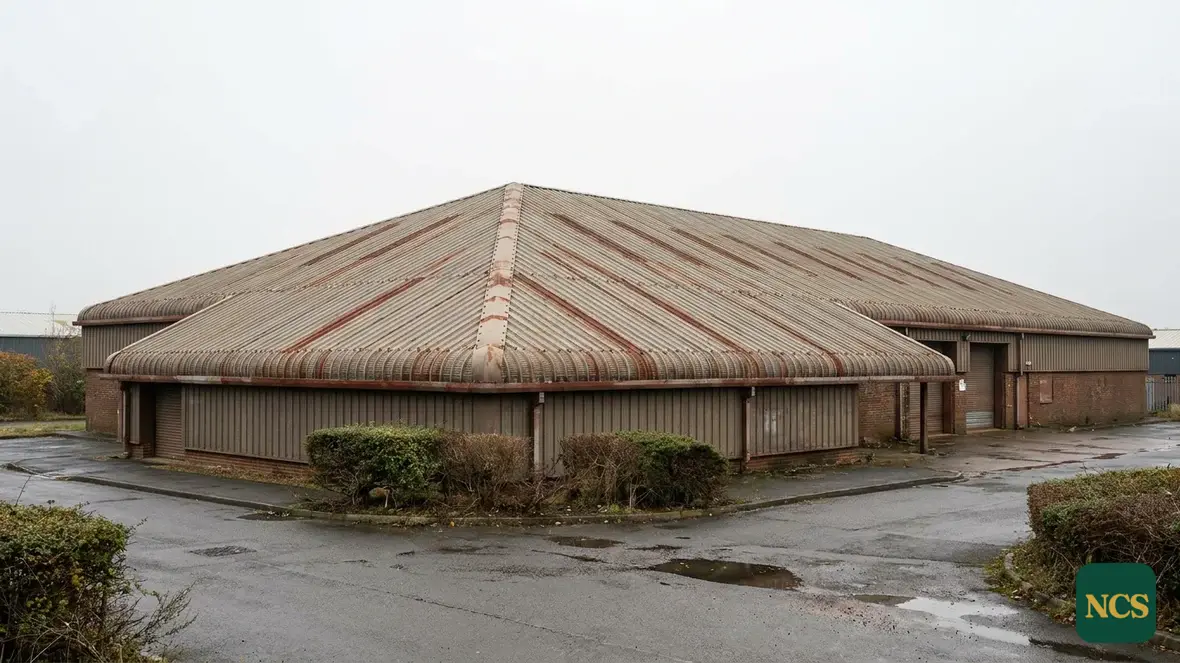
The Essex industrial belt is our home patch, and Chelmsford is a part of it we visit often. The business parks, distribution units and trade counters ringing the city run on profiled coated-steel roofing, a great deal of it laid in the 1980s and 1990s. That puts it firmly in the years when factory finishes tire and the cut edge starts to go. The flaw is original equipment: wherever a sheet was cut to size, the coating stopped dead at the cut, leaving raw steel along every sheet end, side lap and gutter edge.
On the flat, open Essex landscape there is little to soften the weather coming off the Thames Estuary, so those raw bands collect more wind-driven rain than a sheltered site would.
The chain reaction behind a rusted edge
It begins on that exposed line of steel and spreads sideways under the adjoining coating, stripping its adhesion and lifting it clear so fresh metal is laid open and rusts in turn. The fault compounds, which is why a roof can hold steady for years and then slide quickly once the bare zone reaches a tipping point. Within the overlaps, capillary action holds water against the steel and keeps the joint quietly corroding where nobody can see it.
Since so much of the damage is concealed under coatings and inside laps, what shows from the ground trails the true condition. These are the tell-tales worth watching for:
- Orange run-off marking the gutters after heavy rain
- Coating blistering or lifting where the sheets end
- Flaking and bare metal showing along the eaves
- Rust bleeding from the overlap lines up the slope
- Ceiling stains or drips appearing beneath the laps inside
Spend a little now or a lot in three years
Tackled in good time, this sits among the better-value repairs in commercial roofing. The edges are dressed back to solid metal, primed against further rust, and sealed under a flexible coating run across the laps, ends and gutter line, with no sheet lifted and no interruption to the day-to-day running of the unit.
Let it run and the same fault turns into holed sheet ends, leaks and replacement. Stripping a roof over a working Chelmsford unit costs a multiple of treating its edges, before you add the disruption beneath it. The sooner the work is done, the more of the roof’s original value survives, which counts whether you trade from the building or let it out.
Where treatment stops making sense
Some roofs come to us past the point of rescue, and we are upfront about it. If the survey finds ends corroded through, overlaps with too little sound steel to seal against, or rust that has taken hold across the sheet face, a coating would only mask a roof that has already failed. We then recommend replacing the worst sheets, or the whole covering where the condition warrants, and put the photographic record in front of you so the call rests on facts.
The middle ground is common too: one weather-facing elevation needing new sheets while the remainder is fine to treat. Dividing the job along that line usually serves the budget better than going all-in either way.
Folding edge repair into a complete coating
Once the cut edges have started to fail, the finish over the rest of the roof is usually weathering as well, even where it is still holding on. Bringing edge treatment and a full roof coating together restores the entire surface under one system and saves paying for roof access twice inside five years, which is why so many Essex owners take that route.
Our South East base puts Chelmsford on our doorstep, with the rest of England comfortably in range. It all begins with a survey: photographs, and a graded assessment of every edge and lap on the roof.