The Duty to Manage Asbestos in Wantage Under CAR 2012
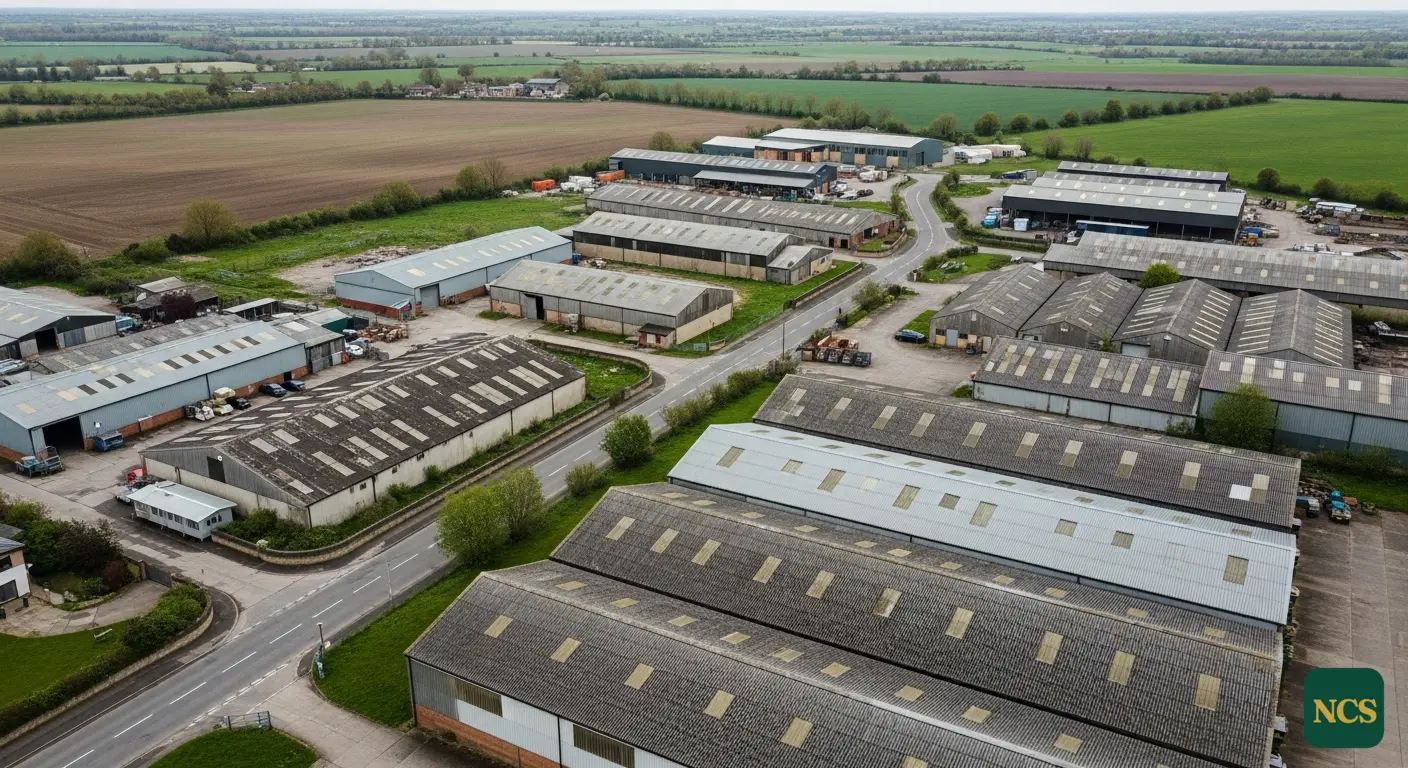
If you own or manage a commercial, industrial or agricultural property in Wantage built before the year 2000, you have a legal responsibility under the Control of Asbestos Regulations 2012 (CAR 2012) to identify and manage any asbestos-containing materials (ACMs) on your premises. This includes the roofs of many local buildings – from the old dairy units at Grove Business Park to the farm buildings dotted around the Vale of White Horse. Asbestos cement roofs were widely used across Oxfordshire due to their durability and fire resistance, but when damaged or weathered, they can release dangerous fibres. The law requires you to assess the condition of these materials and take appropriate action to prevent exposure risks to workers, visitors or the public. Ignoring this duty could leave you facing unlimited fines and even imprisonment.
Where Asbestos Cement Roofs Are Found in the Wantage Area
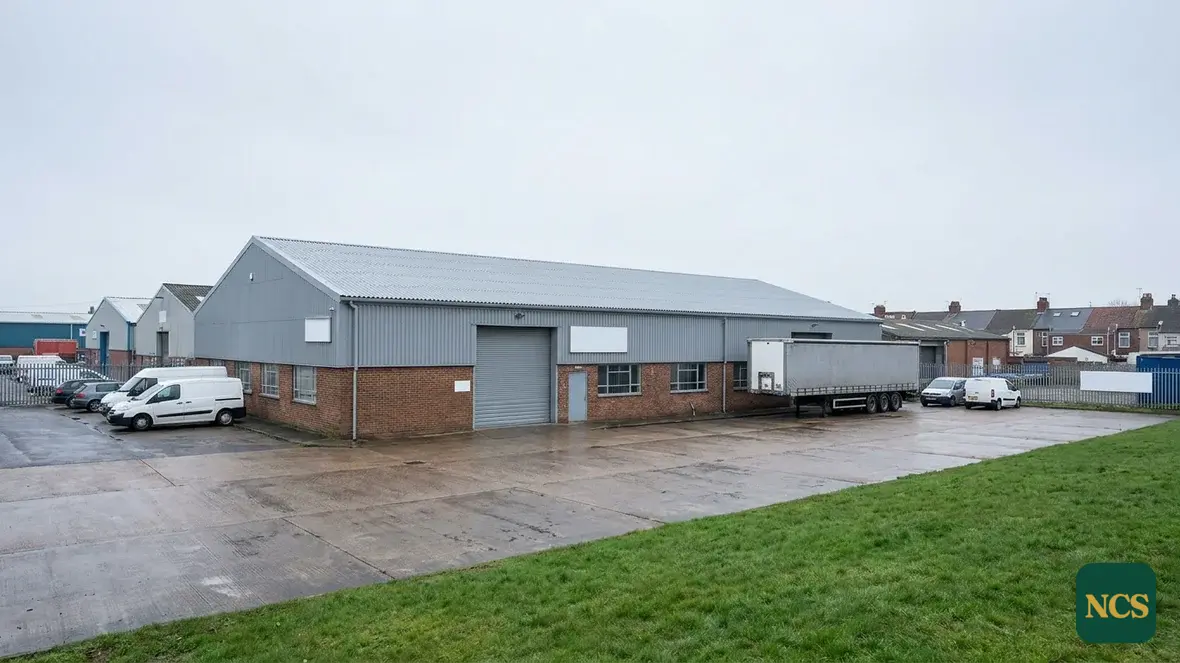
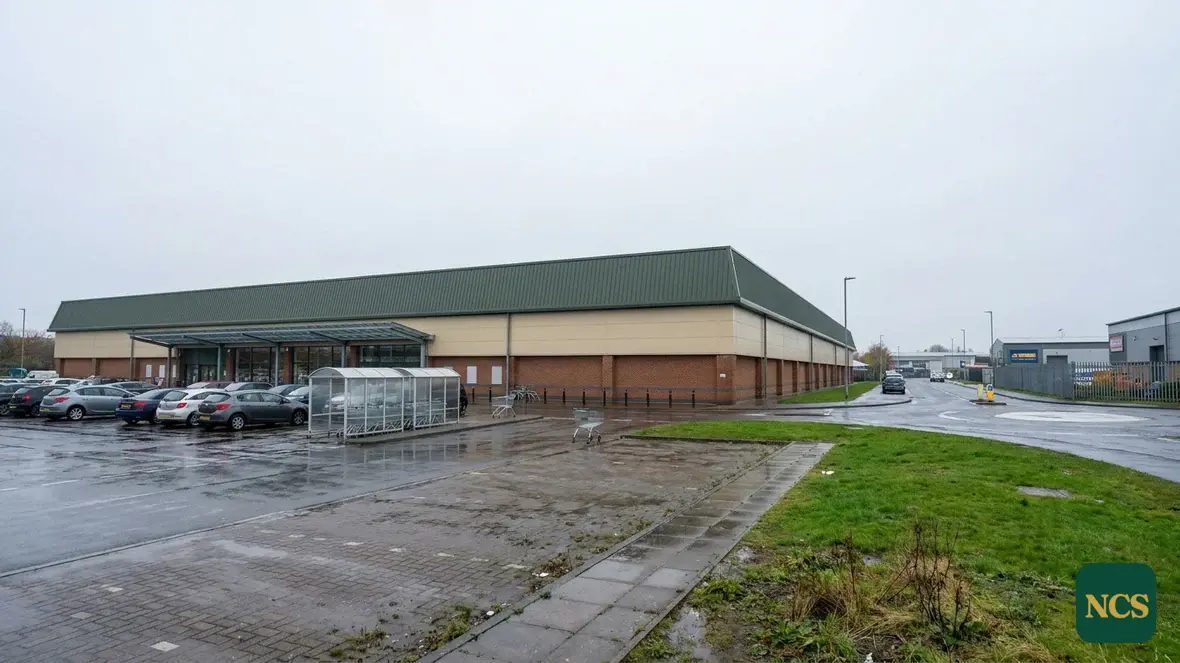
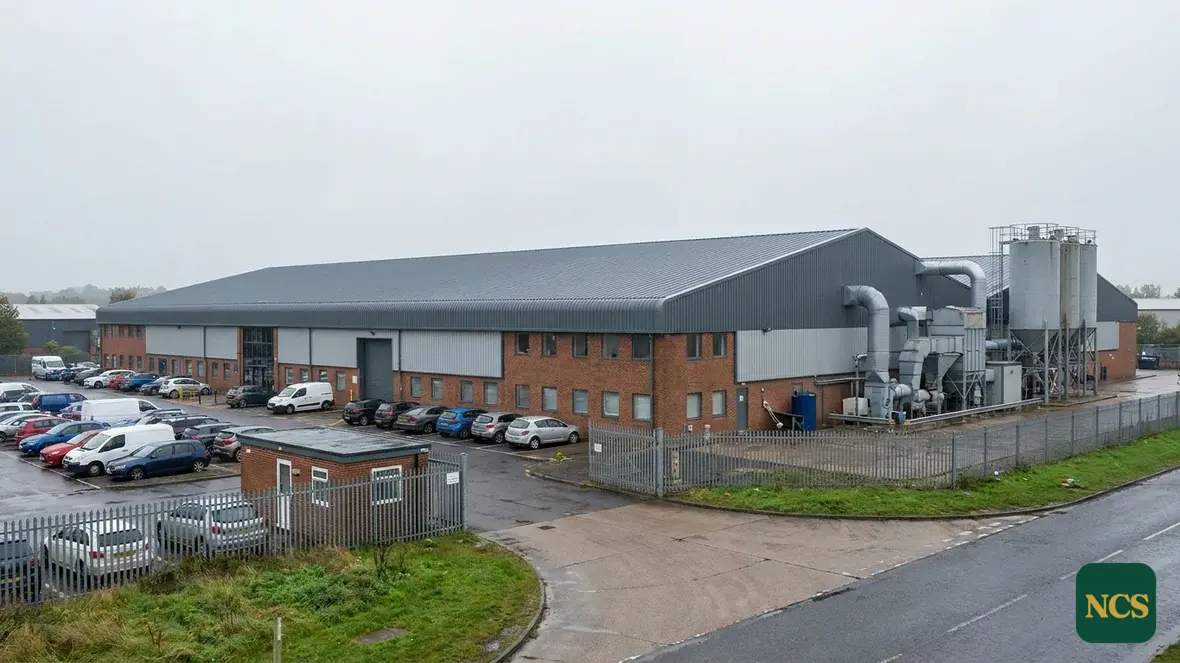
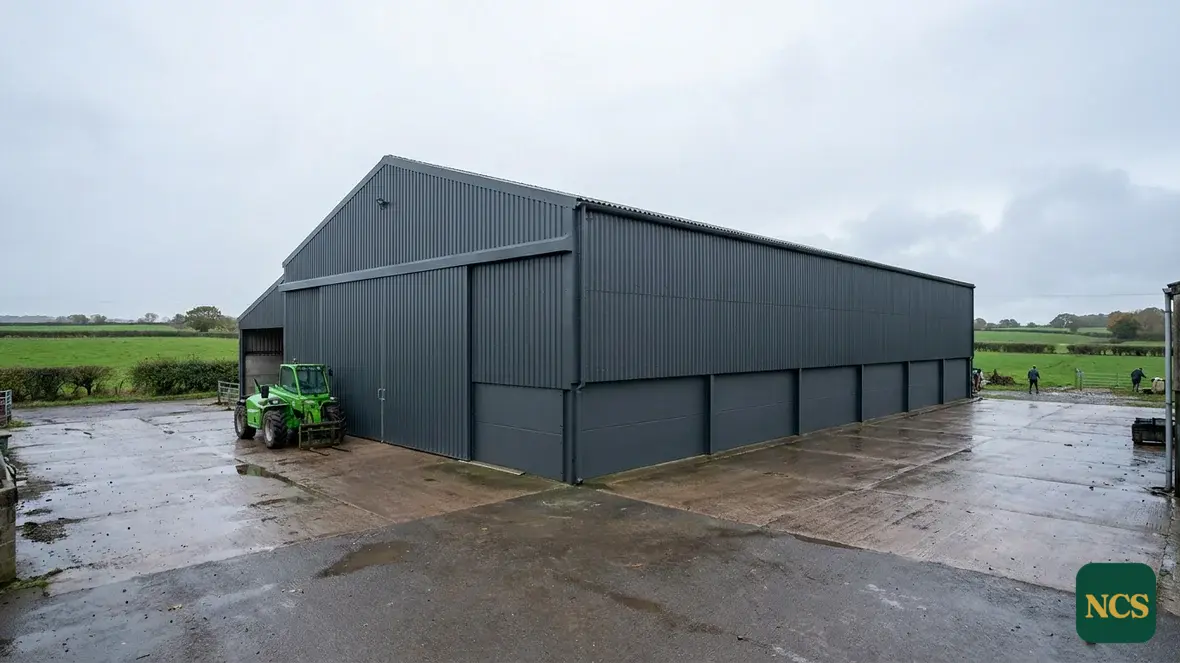
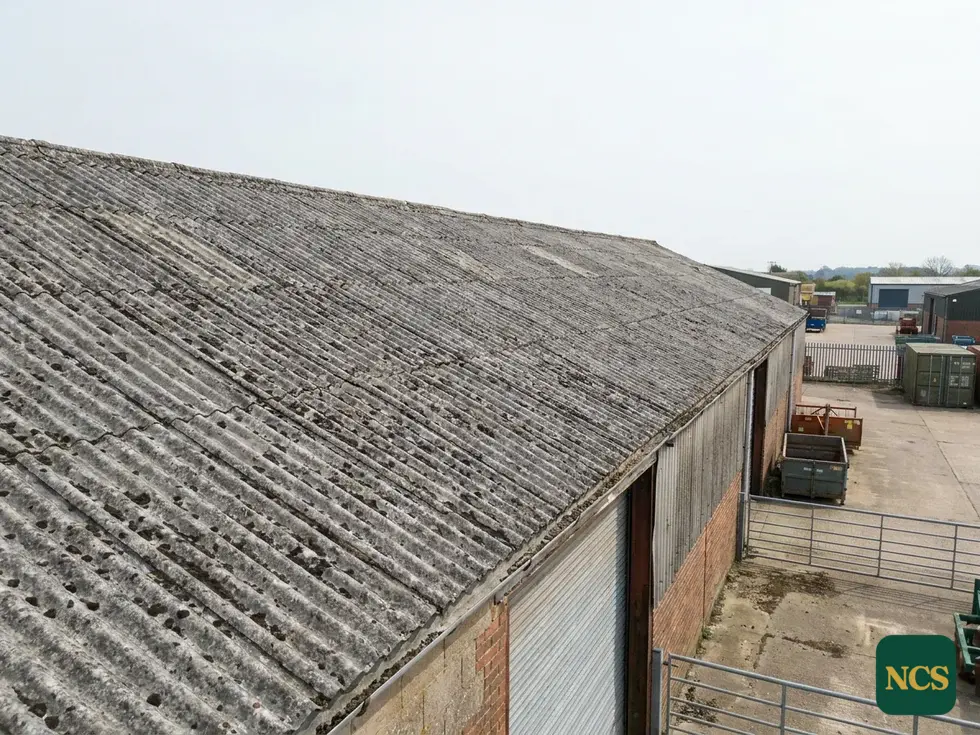
Wantage’s mix of light industry, agriculture and older commercial premises means asbestos cement roofs are more common than many local business owners realise. We regularly survey roofs on the industrial units along Orchard Road and Wallingford Street, the former Ministry of Defence buildings around RAF Grove, and the farm buildings in surrounding villages like East Challow and Letcombe Bassett. The characteristic corrugated asbestos cement panels were used on everything from factory roofs to agricultural barns, school outbuildings to retail park canopies. Even some older residential blocks like those on Newbury Street have these roofs on communal areas. The key risk comes when the brittle cement matrix degrades – whether from decades of Oxfordshire weather, fallen branches, or accidental damage during maintenance work.
What Asbestos Roof Encapsulation Actually Involves
Encapsulation is a controlled, HSE-compliant method of sealing and protecting an asbestos cement roof to prevent fibre release without the higher risks of full removal. Our team starts by thoroughly wetting the roof to suppress any loose fibres, then applies a specially formulated coating system that bonds with the existing surface to create a protective membrane. This is typically a multi-layer process: first a primer to penetrate and stabilise the substrate, then a reinforced bridging coat to handle movement, followed by a durable topcoat that withstands UV and weather. The result is a waterproof, fibre-sealed roof that maintains structural integrity while eliminating the need for costly removal and disposal. Crucially, encapsulation keeps the asbestos safely in place rather than disturbing it – which is why it’s often the safest solution for roofs in fair condition.
When Full Removal Becomes the Necessary Choice
While encapsulation is ideal for many Wantage roofs, there are situations where removal is the only responsible course of action. If panels are severely broken – whether from storm damage, long-term neglect, or failed DIY repairs – encapsulation may not provide a reliable long-term solution. Similarly, roofs with extensive moss growth or biological contamination often require removal, as the cleaning process could disturb embedded fibres. We also recommend removal when buildings are due for major refurbishment or change of use, as future works might compromise an encapsulated roof. The decision always comes down to our survey findings: we’ll never suggest removal unless it’s genuinely the safest option for your specific situation.
Our Survey-Led Process for Wantage Properties
Every NCS project in the Wantage area begins with a detailed roof survey conducted by our qualified asbestos surveyors. We examine the roof’s current condition, noting any cracks, holes or areas of degradation, while also assessing the building’s usage and future plans. Using borescopes and safe access methods, we check hidden areas like roof valleys and abutments where damage often starts. This survey isn’t just a box-ticking exercise – it’s how we determine whether encapsulation is viable, identify any preparatory repairs needed, and plan the safest access methods for your particular site. For farms near Childrey or light industrial units in Wantage town centre, this might involve coordinating around livestock movements or business hours to minimise disruption.
Why a Professional Survey Must Come First
Attempting to assess an asbestos cement roof without proper training is both dangerous and illegal. Even seemingly minor damage can release concentrated fibre clouds, particularly on weathered roofs where the cement matrix has eroded. Our surveys follow HSG264 guidelines, combining visual inspection with material assessments to give you a clear, compliant report. This documentation doesn’t just inform our work – it becomes part of your asbestos register, demonstrating your compliance with CAR 2012. Whether you’re a Wantage industrial estate landlord or a farmer near Upton, skipping this step could leave you liable if workers or contractors are later exposed. The survey also lets us advise on ancillary risks like asbestos cement downpipes or wall cladding that might need attention.
- Fully licensed asbestos surveys by UKAS-accredited inspectors
- No obligation recommendations tailored to your roof’s condition
- Clear explanation of all options in plain English
- Priority scheduling for urgent cases like storm-damaged roofs
- Detailed post-work documentation for your health and safety files
For more details on our asbestos roof services, visit our asbestos encapsulation page or request your free survey quote.