Colour range
Cladding & Roof Coating Colours
Most spray contractors say "any colour" and then show you ten grey sheds. Here is the palette we actually coat in, from Goosewing Grey to Sargasso Blue, with full RAL and BS 4800 colour matching on request.
Choosing a colour
Why the colour decision matters more than most owners expect
A respray is the one chance most commercial buildings get to change how they look without structural work. Some owners want the building back to how it left the manufacturer. Others use the coating to bring the unit in line with a new corporate identity, and a warehouse that carries the company blue does quiet marketing every day it stands beside the road.
The choice is rarely free of constraints. On managed estates the landlord or management company often holds a palette the units have to stay within. Planning departments take an interest where a building sits on the edge of open countryside, and a muted green or grey that settles into the landscape will pass where a bright finish would draw objections. We flag both early, before anyone falls in love with a swatch.
The palette
The UK cladding palette, with the real codes
These are the colours British profiled steel actually ships in, and the ones estates and planners expect to see. Every one of them can be spray-applied on site, and anything else can be matched from a RAL or BS 4800 reference.
| Colour | Reference | Where it suits |
|---|---|---|
| Goosewing Grey | BS 10A05 | The default for modern industrial cladding; bright, neutral and easy to keep smart. |
| Albatross | Plastisol range | A paler warm grey for estates that want lighter, softer elevations. |
| Merlin Grey | BS 18B25 | A mid grey that hides traffic film on busy roadside units. |
| Anthracite | RAL 7016 | The sharp dark grey every new build wears; strong kerb appeal on offices and showrooms. |
| Slate Blue | RAL 5008 / BS 18B29 | A deep grey-blue that reads as more considered than plain anthracite. |
| Sargasso | BS 18C39 | Deep marine blue, a classic on distribution sheds and older estates. |
| Ocean Blue | Plastisol range | Strong deep blue for logistics and cold-store units. |
| Gentian Blue | RAL 5010 | The corporate blue: roller doors, trade counters and branded units. |
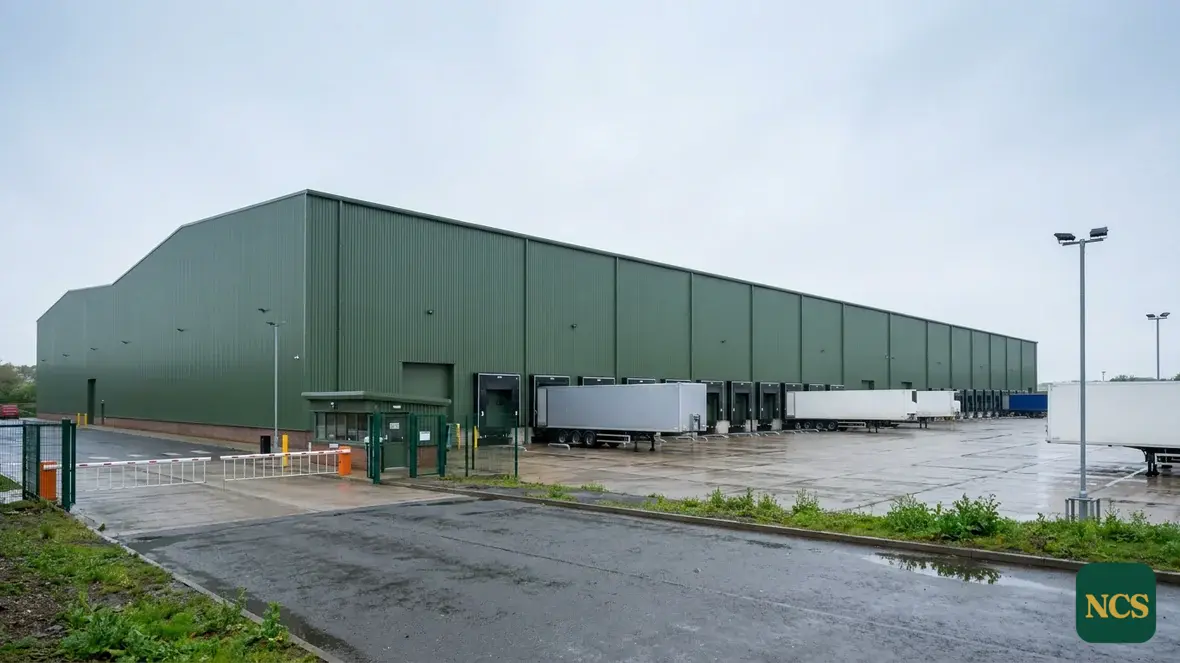
| Juniper Green | BS 12B29 | Deep green that planners like near open countryside. |
| Moorland Green | BS 12B27 | A softer estate green for rural and edge-of-town sites. |
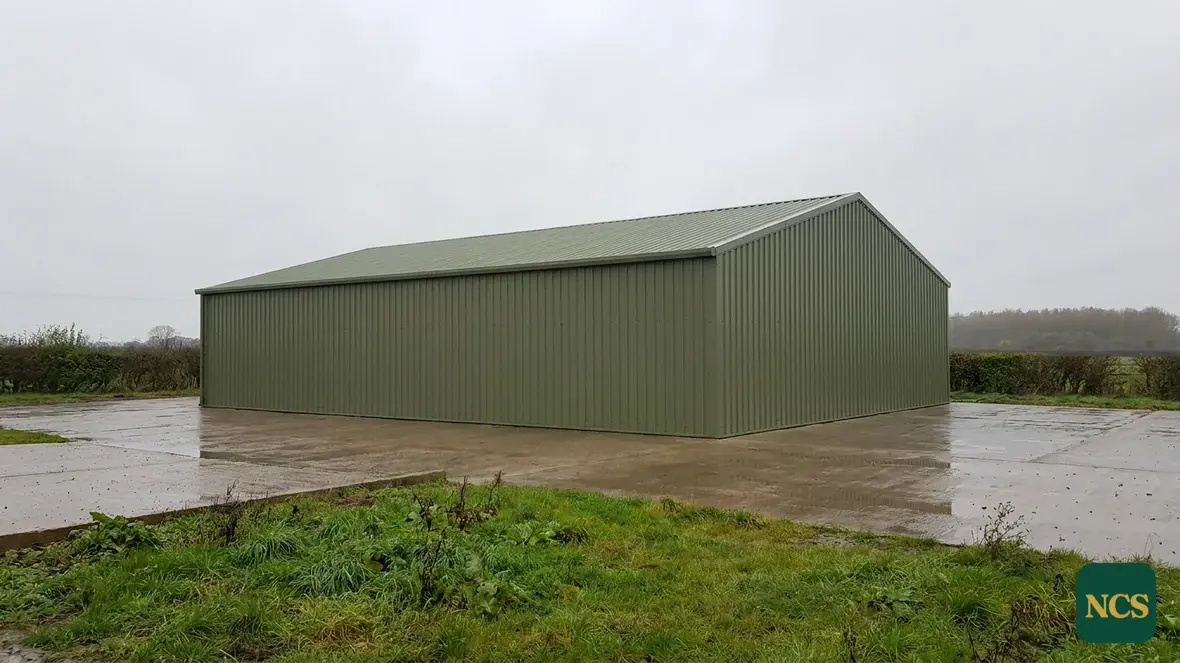
| Olive Green | RAL 6003 | The agricultural standard; sits quietly among fields and trees. |
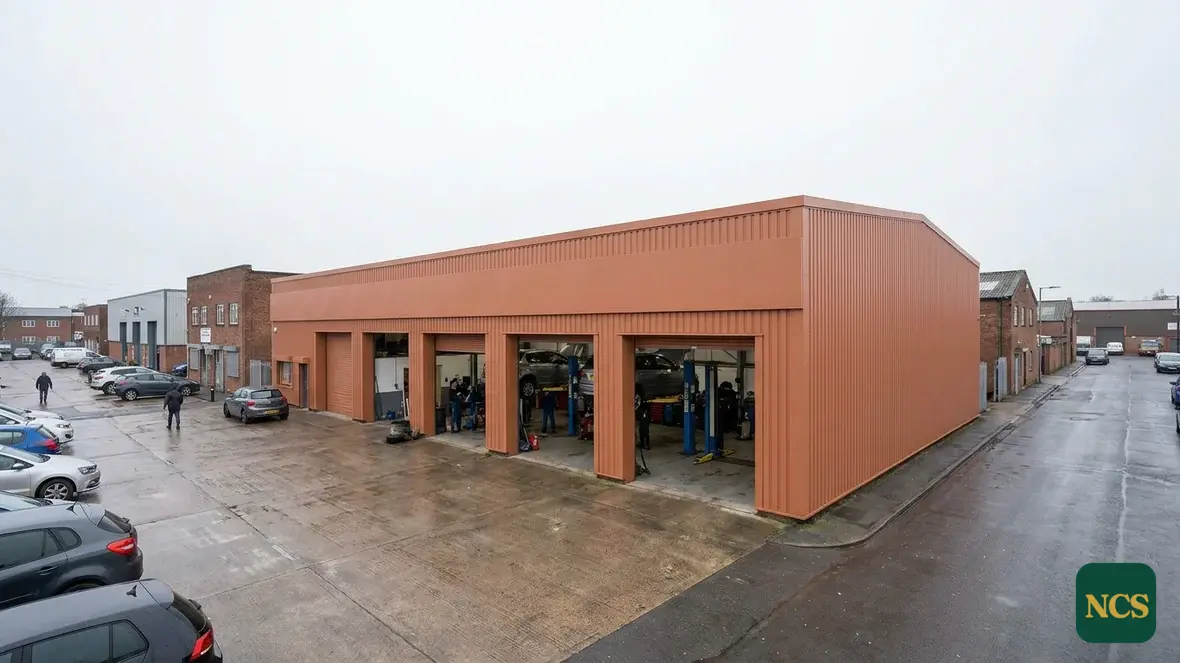
| Terracotta | Plastisol range | Warm red-brown that suits brick-heavy settings and older estates. |
| Van Dyke Brown | BS 08B29 | Traditional dark brown, still specified on farm buildings. |
| Poppy Red | Plastisol range | Signal red for trade brands that want to be seen from the road. |
Need something else? Any RAL or BS 4800 colour can be matched, and we can work from a paint reference, a brand guideline document or a physical sample panel.
Light or dark?
The practical side of the choice
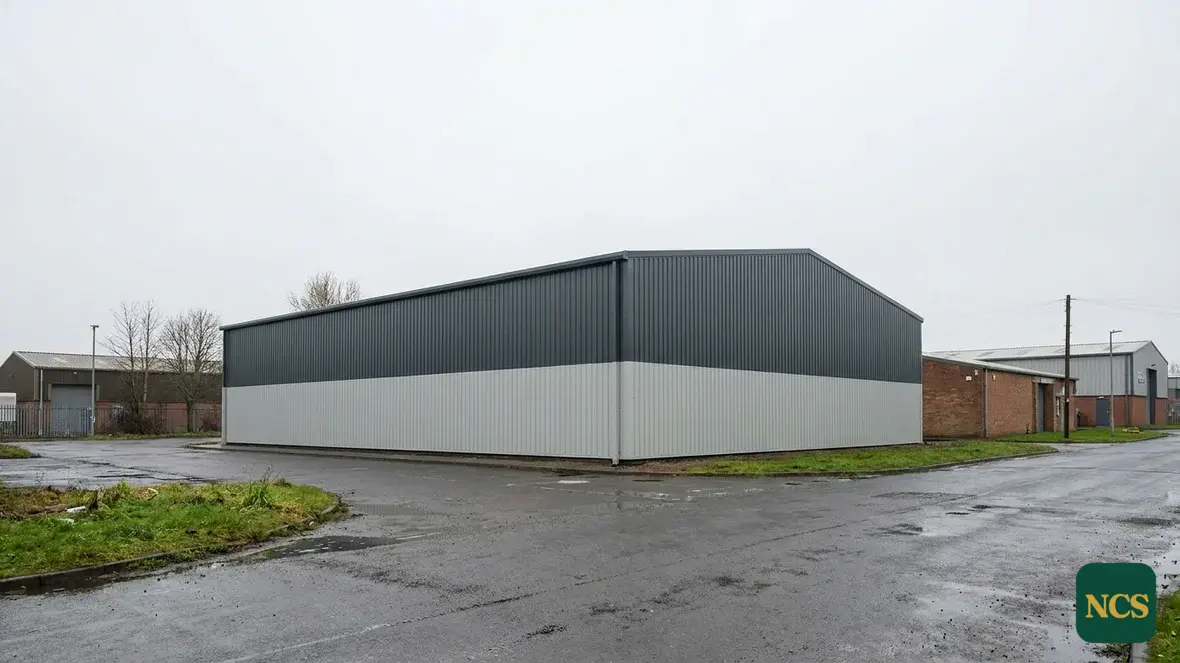
Seen on site
Two-tone and corporate schemes
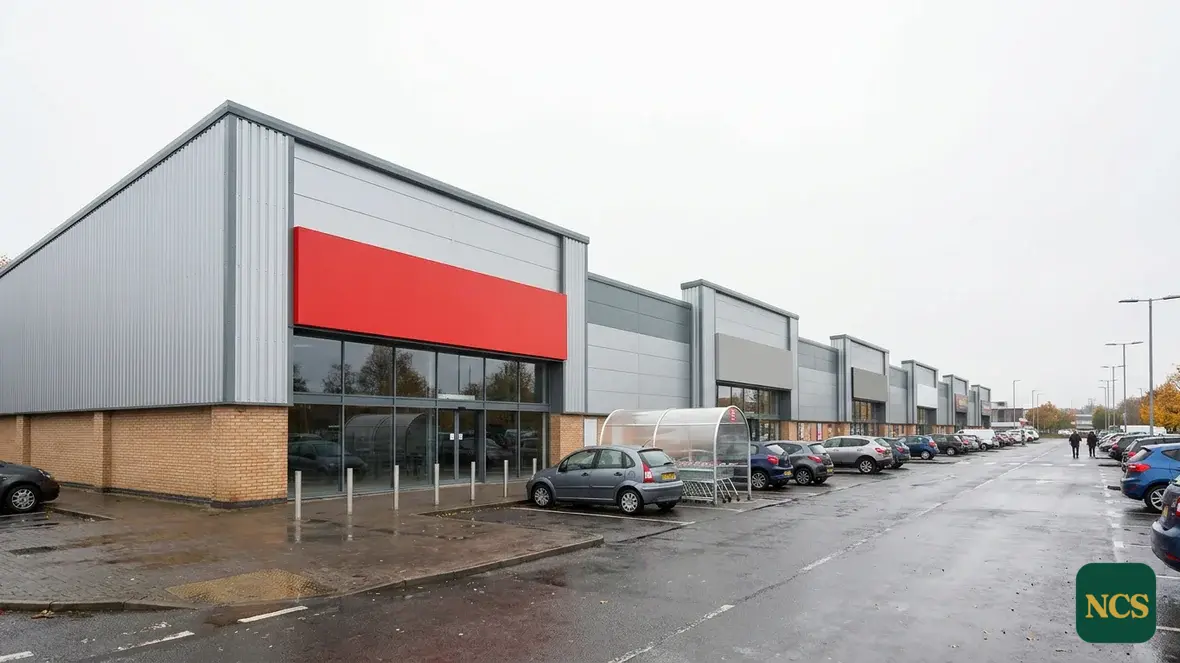
The classic scheme on modern trade and industrial units is a dark upper cladding over a lighter band or brick plinth: anthracite over goosewing grey is the pairing we get asked for most.
Where a business is rebranding, we take the corporate colour reference and match the coating to it, so the vans, the signage and the building finally agree with each other.
Book your free site surveyAccredited, insured & nationwide



Where we work
Sectors and buildings we coat
Survey-led coating, spraying and exterior refurbishment across commercial, industrial and agricultural property in the UK.
Finished in colour
The palette on real building types
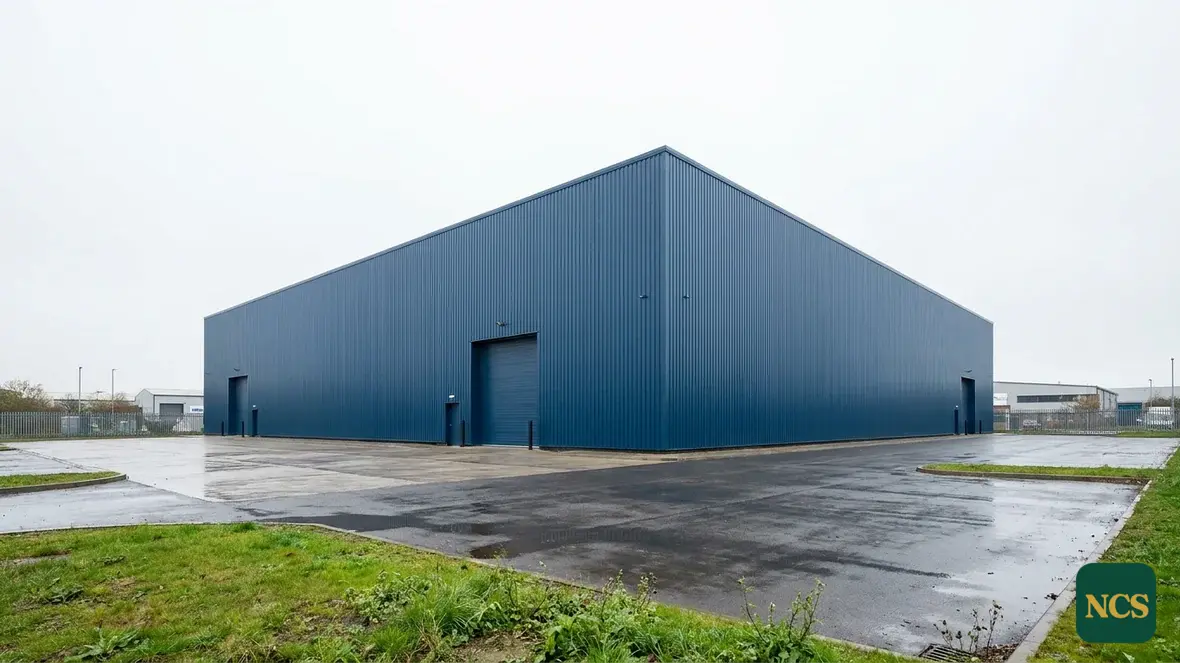
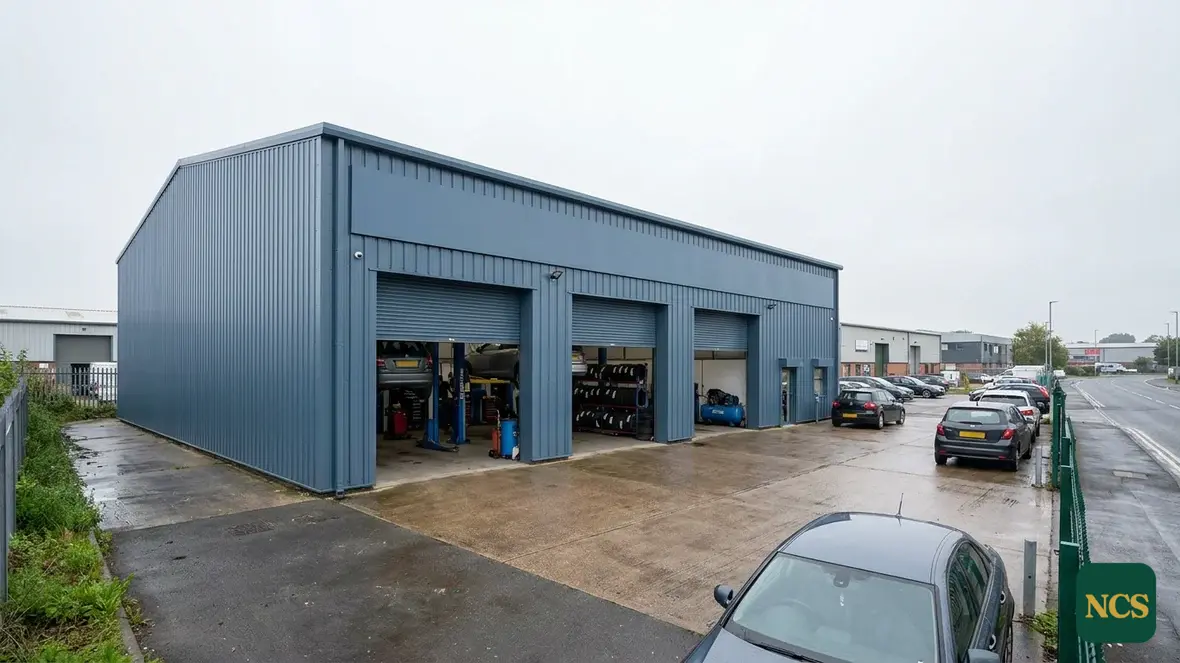
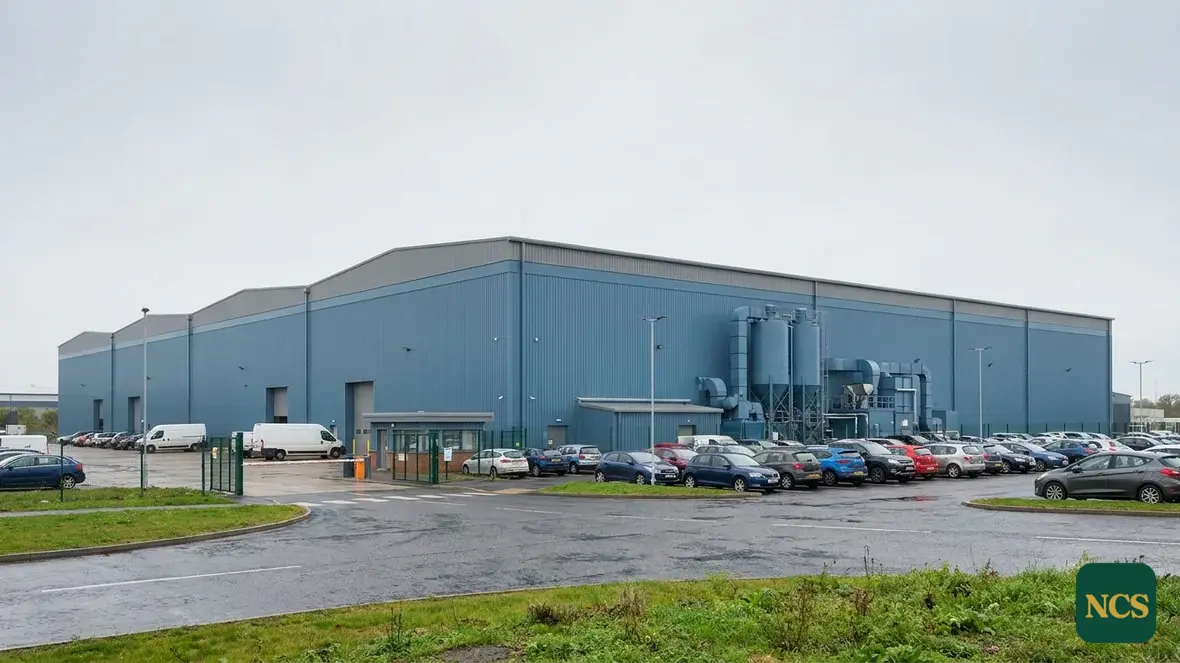
Where colour meets service
The services behind the colours
Colour is the last coat of a bigger job. The preparation and system underneath come from the service route: cladding spraying for profiled steel elevations, commercial wall coatings for render and masonry, and commercial roof coatings where the roof is being brought back at the same time. Whichever route the survey points to, the palette above applies to all of them.
Common questions
Coating colour questions
Can you match our company colour exactly?
Yes. Give us the RAL or BS 4800 reference and the coating is tinted to it. If all you have is a brand guideline document or a sample panel, we take the reference from that and confirm the match with you before any spraying starts.
Do we need planning permission to change the colour of our building?
Usually not for like-for-like refurbishment, but a marked colour change on a prominent or edge-of-countryside site can attract planning interest, and some estates have their own palette rules in the lease. We raise it at survey so it never becomes a surprise.
Do dark colours fade faster?
They show weathering sooner. A dark finish absorbs more sun, so chalking or a patch repair stands out more than it would on a pale grey. None of that rules dark colours out, it just means the spec and the expectations need setting honestly at survey.
Can the roof and walls be different colours?
Yes, and they usually are. A common scheme is a muted grey or green roof with a stronger wall colour, or a two-tone elevation with a contrast fascia. The whole scheme is agreed before work starts.
Pick the colour after the survey, not before
A surveyor checks the substrate first, then talks colours with real swatches and the constraints of your site in mind. The survey and the written report are free.
Book your free site surveyWhat does your building need?
Pick the surface, then the problem. We will point you to the right service.