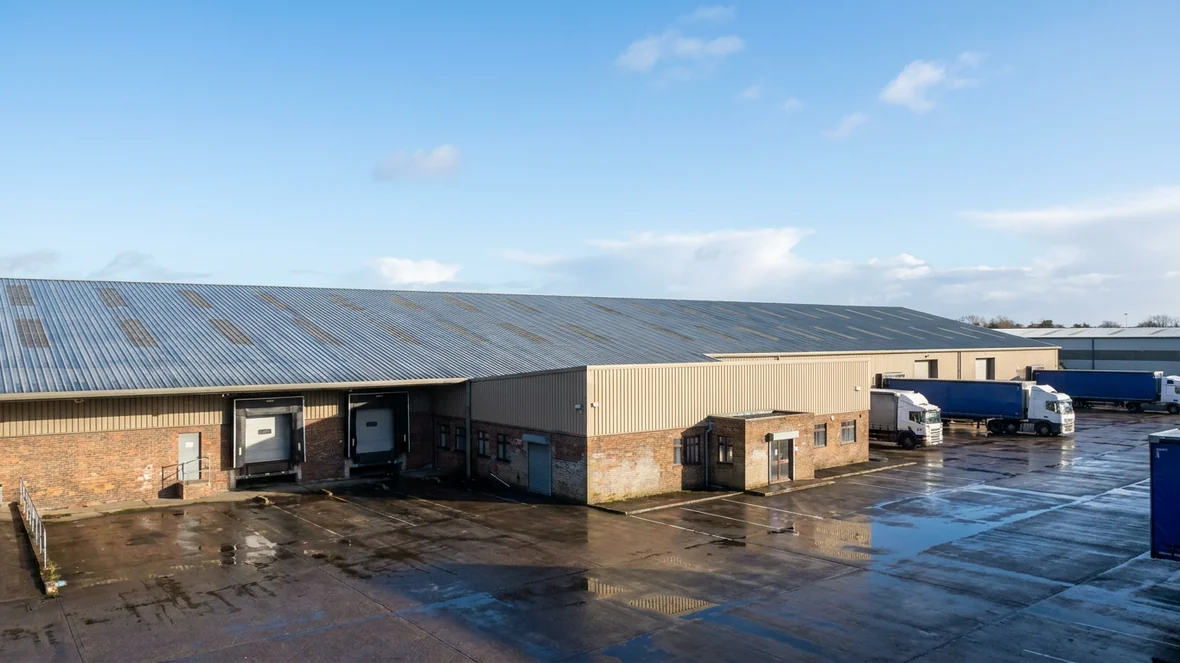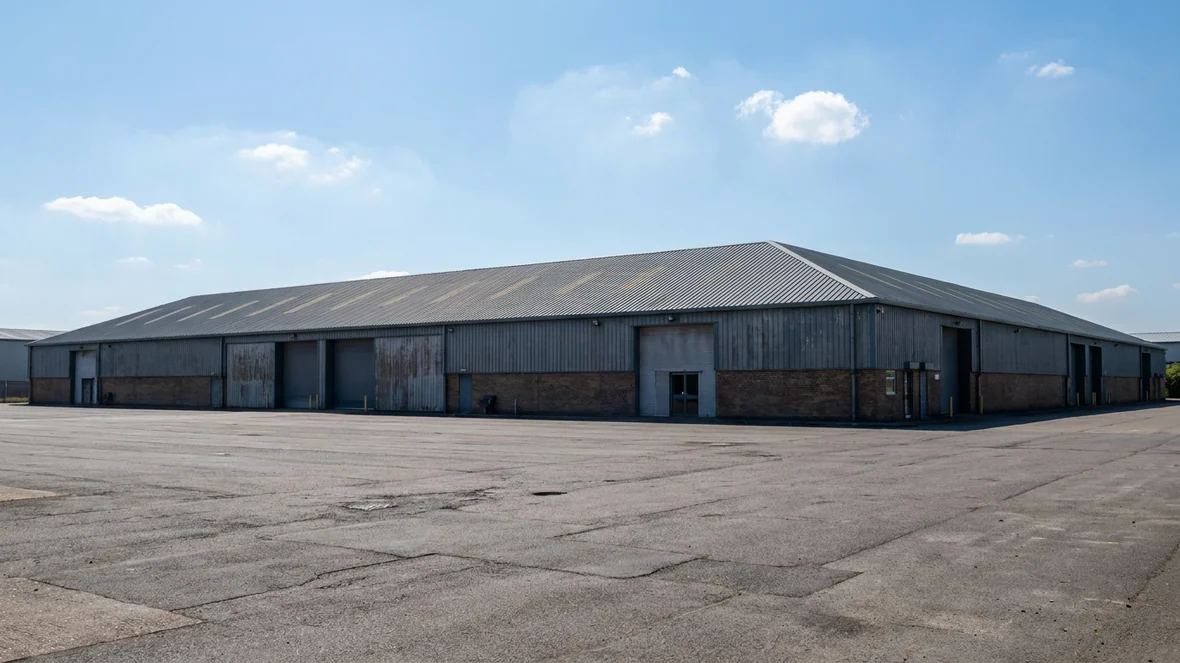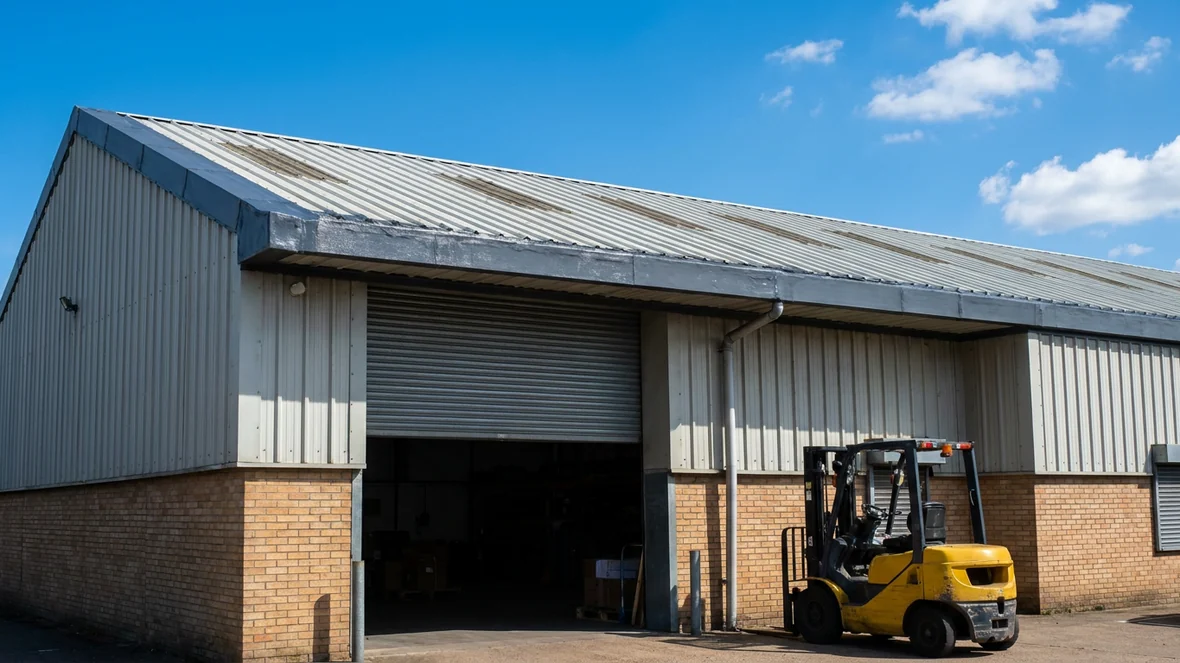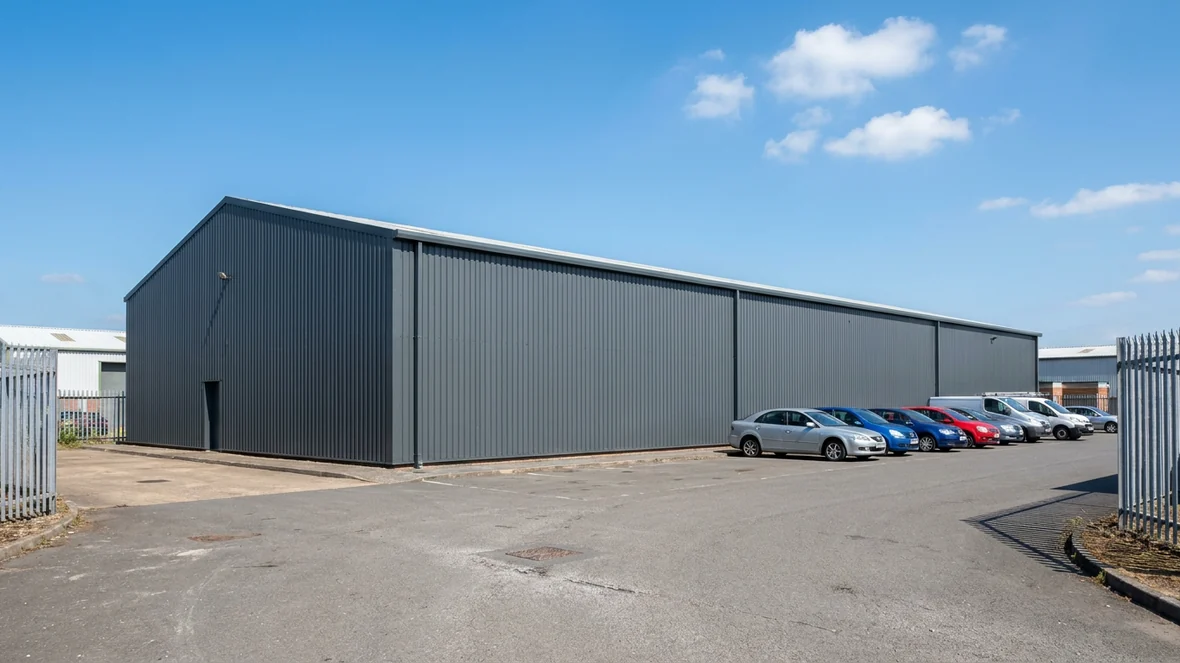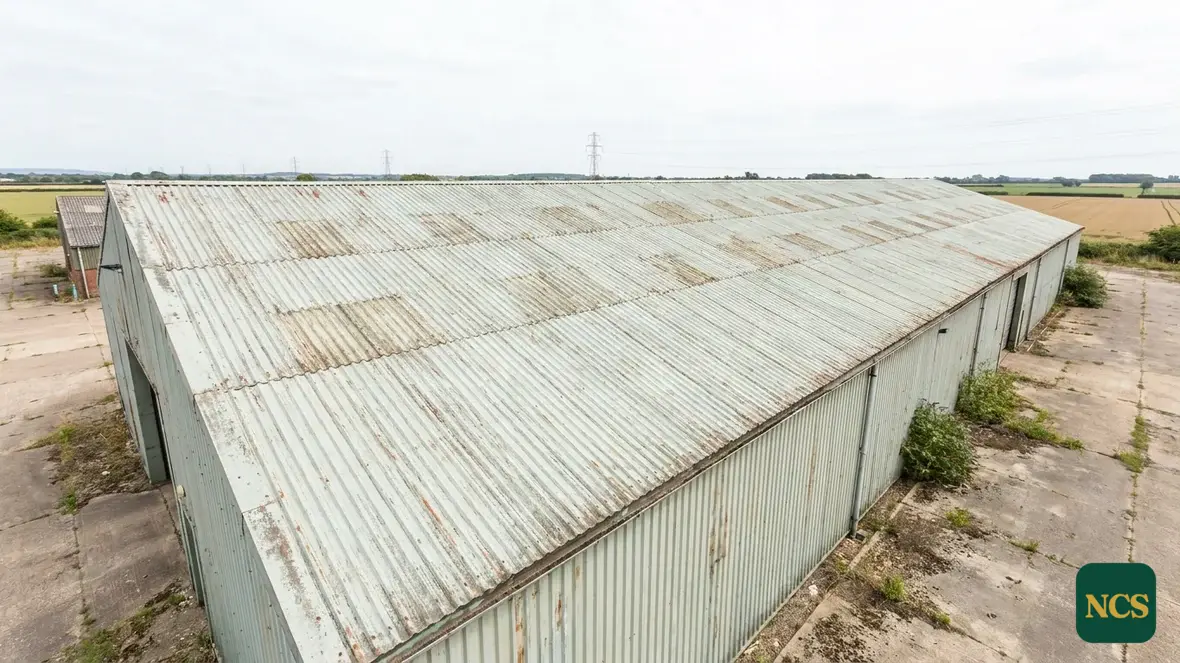








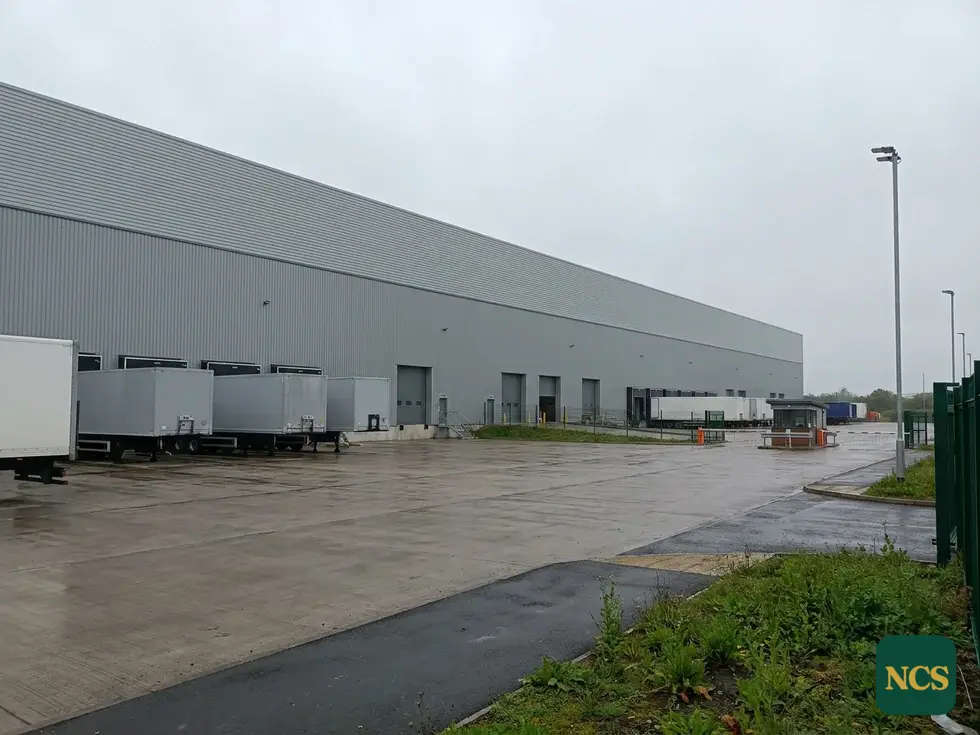
Birmingham carries one of the heaviest concentrations of industrial roofing in England. Portal frame units built through the 1980s, 1990s and early 2000s, most of them under profiled metal sheets, have reached the awkward age where the roof has not failed yet but is clearly heading that way: weeping fixings, rusting cut edges, laps that let water track in over racking and stock. National Coating Specialists survey, prepare and coat these roofs for facilities and estates teams who need the building kept dry without shutting the operation down or funding a full strip and re-sheet.
Why so much of Birmingham’s industrial stock hits trouble at once
Estates across the city and out along the motorway corridors were built in waves, so their roofs age in waves too. The factory-applied finish on profiled steel sheet has a finite service life. Once it chalks and breaks down, the steel beneath starts corroding, and roofs specified within a few years of each other start leaking within a few years of each other. For an estates team holding several units of similar age, that pattern matters: one leaking roof is usually a warning about the rest of the portfolio. A planned coating programme, sequenced across buildings while the sheets are still sound, costs far less than reacting to failures one emergency at a time.
Cut-edge corrosion: the usual culprit
The most common defect we find on this generation of roof is cut-edge corrosion. The protective finish applied to the sheet in the factory does not wrap around the edge where the sheet was cut, so bare steel sits exposed at every end lap and along the eaves. Water lingers in exactly those places. Rust forms on the exposed edge, then creeps back under the coating, lifting and peeling it as it goes. Caught early, it is treatable: mechanical preparation back to sound metal, a corrosion-inhibiting primer on the edges, sealed laps and a full overcoat. Left for years, it perforates the sheet, and at that point coating alone stops being the answer.
Working around a live 24/7 operation
Most of the buildings we coat in Birmingham cannot stop. Distribution runs around the clock, production lines have schedules, and nobody wants contractors getting in the way of either. Coating works in your favour here: it is external work, applied from the roof, with no strip-off, no exposed building and no skips full of old sheeting blocking the yard. We agree access routes, exclusion zones and working hours with your facilities team before anyone sets foot on site, and we sequence the roof in sections so the areas above sensitive operations are dealt with at the times you choose.
When coating is the wrong answer
We will tell you plainly when it is. If the survey finds widespread perforation, sheets corroded through from the underside, saturated insulation or a deck that has lost its integrity, a coating would only hide the problem while the roof carried on failing underneath it. In those cases the honest recommendation is replacement or overcladding, and we will put that in writing even though it means no coating contract for us. A coating system extends the life of a fundamentally sound roof; it does not rescue one that has already gone.
Survey first, quotation second
Every job starts with a proper roof survey, not a price plucked from satellite imagery. On a typical profiled metal roof in Birmingham we examine:
- Sheet condition, including underside corrosion where access allows
- The extent and depth of cut-edge corrosion at laps and eaves
- Fixings, washers and flashings
- Gutters, valley joints and rooflights
- Leak evidence inside the building, traced back to its entry point
- Whether the roof is a sound candidate for coating at all
You receive written findings and a clear recommendation, including replacement where that is the truthful answer. We are based in the South-East and work across England, with the West Midlands well within our regular reach.