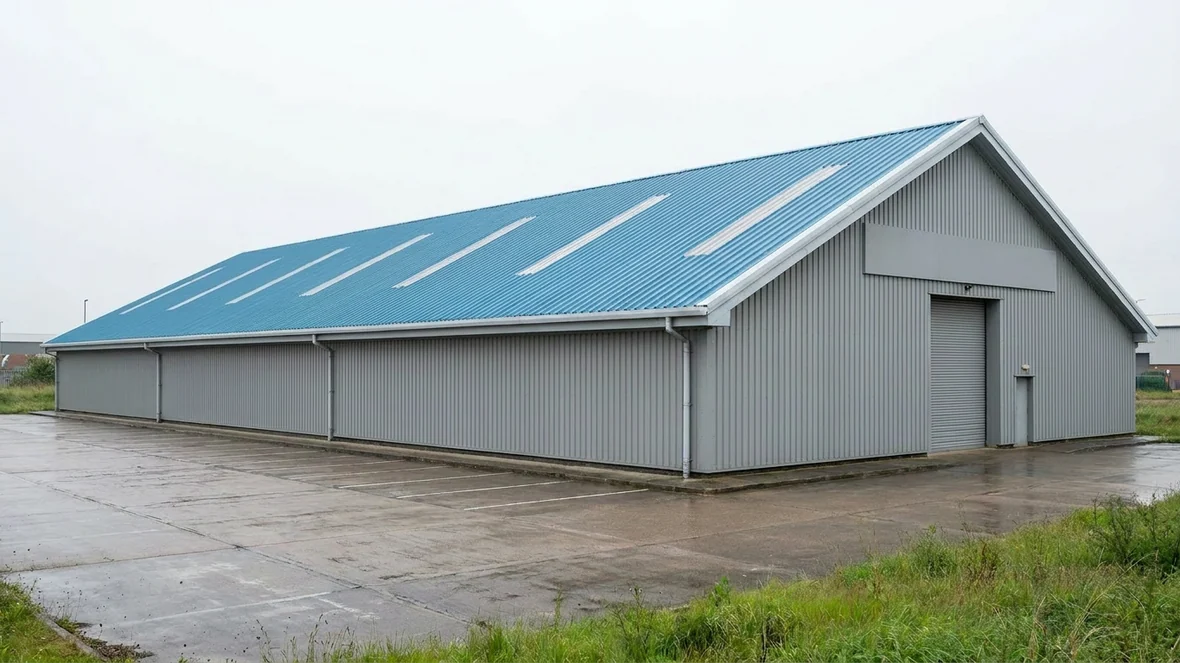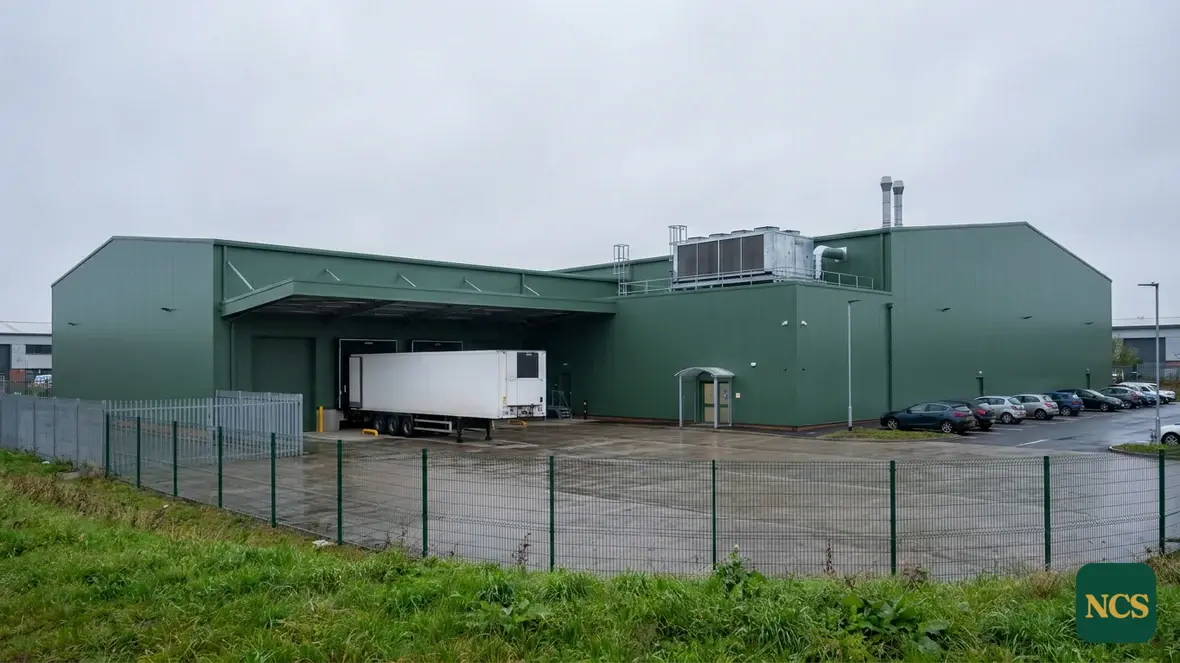




Birmingham sits in the West Midlands, and its metalworking and manufacturing heritage is written all over its buildings. Trading estates, factory units, distribution sheds and retail parks ring the city in every direction, most of them clad and roofed in profiled steel that has worn the same finish since the day it went up. When those roofs and walls begin to tire, the owner faces a decision either way: protect what is already there, or strip it out and start again. Commercial coating Birmingham is usually the faster route where the structure is still sound.
We are a survey-led exterior coating contractor working right across the city and the wider West Midlands. Our approach does not change with the size of the job. We look at the building first, trace what is wrong with it, and put a written specification in your hands. Sometimes that means telling you not to coat at all. On stock this varied, that candour is worth more than a fast answer. That survey-led approach underpins every commercial coating Birmingham project we take on.
Commercial coating Birmingham: how the building stock ages
Birmingham’s industrial past has left it with a bit of everything. Profiled metal covers the post-war and modern estates from Tyseley and Witton out to the motorways. Vast asbestos cement roofs sit over older factories. Northlight and saw-tooth profiles survive on the earliest buildings, and felt or single-ply flat roofs top offices, retail units and trade counters. Plenty of envelopes carry several of these at once after decades of extensions and repairs, and the walls run to the same mix: Victorian and inter-war brick, post-war concrete and render, and steel-framed units in huge numbers.
Sitting where it does in the West Midlands, the city takes the full run of prevailing weather, and that is what drives most of the ageing we survey. Rain lingers on shallow roof pitches and in blocked gutters, pressing damp against sheet ends until the steel rusts. Winter freeze-thaw works away at any coating that has already lifted. Urban grime and traffic film settle on inner-city elevations, adding a heavy cleaning job before anything else can begin. Plastisol chalks and peels, render cracks and chalks, and carbonation spalls concrete. Each fault has its own cause, and only an inspection tells you which one you are dealing with.
Commercial roof coating in Birmingham
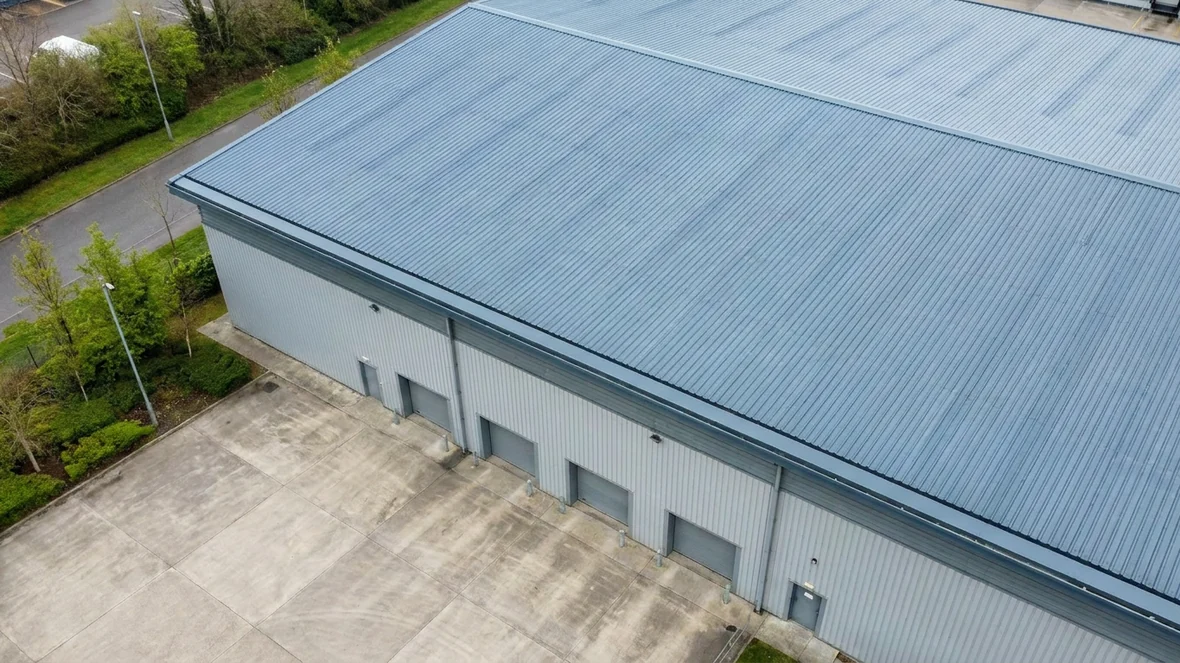
Few cities outside London carry as much commercial roofing as Birmingham, and a great deal of it has reached the age where the replace-or-restore question is unavoidable. Where the structure underneath is sound, a properly surveyed commercial roof coating stops corrosion, reseals laps and details, and allows the building to carry on working underneath.
The discipline that makes it work never changes: we survey before we specify. If you have been searching for commercial painters in Birmingham, it helps to know that an airless-sprayed coating system, matched to the substrate and laid over properly prepared laps and cut edges, will hold far longer than a brush-and-roller repaint. On larger estates we map condition bay by bay, because one roof can want coating in one section and repairs in the next, and all of it goes into a specification you can assess line by line. It is the same survey-led discipline we bring to every commercial coating Birmingham roof.
Commercial wall coating in Birmingham
What a wall needs in Birmingham shifts with the part of the city you are standing in. A post-war concrete office, a brick unit on a worn industrial estate and a rendered trade-counter front all weather differently, and each wants its own approach. We handle exterior painting and heavier commercial wall coating alike, and the survey decides which the building needs: repair, coating, or both. You cannot properly specify a system without first getting a good look at the wall it is meant to protect. That is the starting point for any commercial coating Birmingham wall specification.
The faults we are asked to look at are familiar across the West Midlands: concrete spalling from carbonation, cracked and chalking masonry paint on render, staining from failed copings and sills, and brickwork where an old coating has lost its grip. We trace the underlying cause of any cracking, damp or staining before suggesting anything, then carry out all repairs and preparation before a drop of coating goes on. Where walls are wet from a roof, parapet or drainage fault, that gets put right first and the fabric dried out, because coating over trapped damp only fails.
Cladding spraying in Birmingham
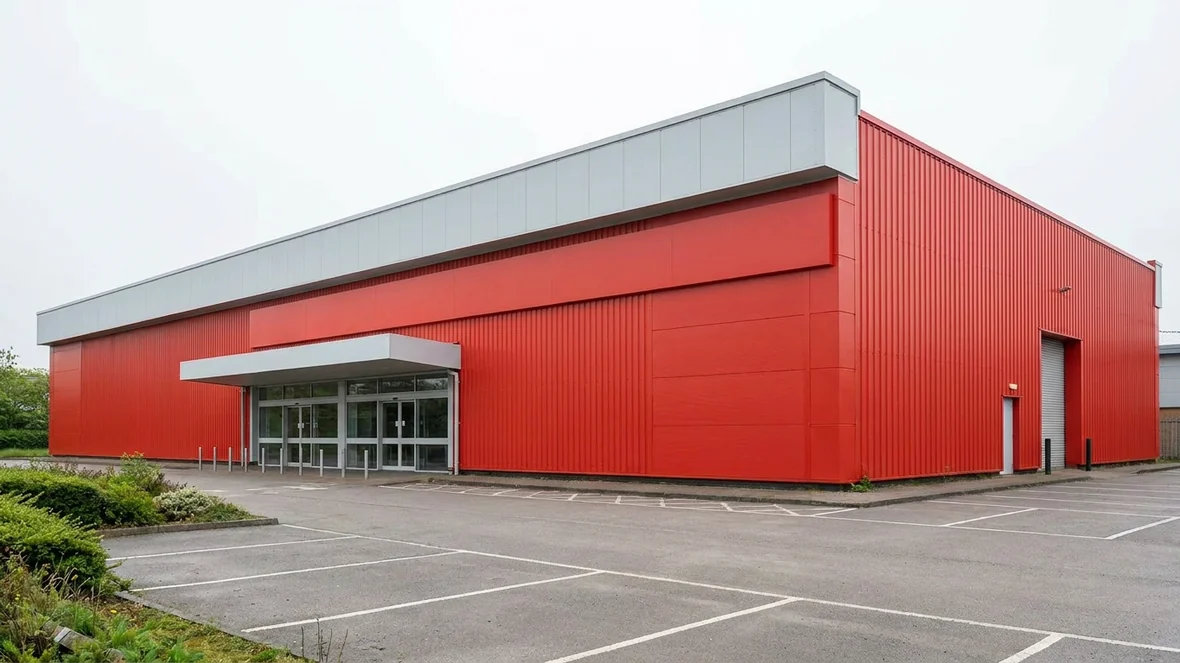
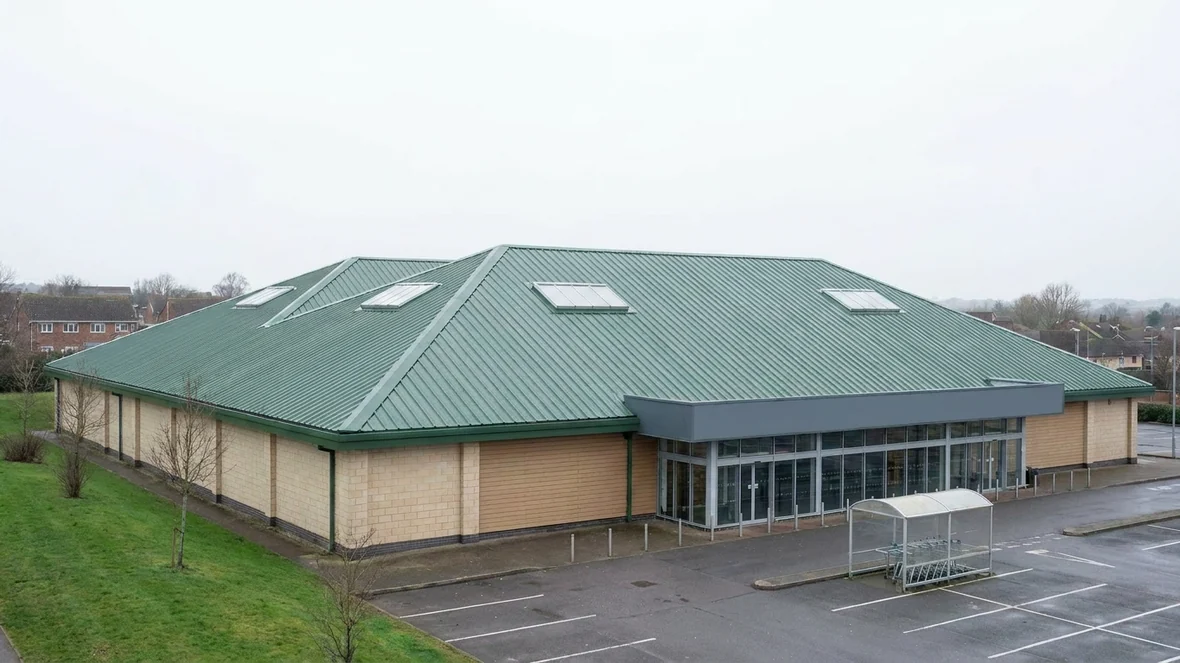
A huge share of Birmingham’s clad commercial stock has worn the same coating since it was built, and much of it can be renewed in place rather than replaced. Cladding spraying refurbishes profiled steel and composite panels from the outside, so we do not need to clear the interior or interrupt production while we are on site. Plastisol and PVDF finishes turn up everywhere here, in every state from lightly faded to heavily chalked, and sprayed systems take a full colour change as readily as a like-for-like refurbishment.
Scale is the local challenge. Portfolios here often run to several buildings of different ages and panel types, which is exactly why we survey each one rather than treat the lot as one. We wash down and degrease, treat cut-edge corrosion and prime any bare metal, mask glazing, signage and hardstanding, then spray the specified system evenly and sign off each elevation with you before moving on.
Access gets decided at survey stage too: powered platforms where the hardstanding allows, towers or scaffold where it does not. Rebrands and tenancy changes drive a lot of this work, and a faded unit does its rent no favours. The same detailed survey guides every commercial coating Birmingham cladding project.
Industrial roof coating in Birmingham
Birmingham carries one of the heaviest concentrations of industrial roofing anywhere in the region. Portal-frame units, most under profiled metal sheet, have reached the awkward age where the roof has not failed yet but is clearly heading that way: weeping fixings, rusting cut edges, laps letting water track in over racking and stock. Owners looking for industrial painting contractors are usually chasing exactly this, and a surveyed industrial roof coating keeps the building dry without a full strip and re-sheet.
Estates across the city and along the motorway corridors were put up in waves, so their roofs age in waves too. For a team holding several units of similar age, one leaking roof is usually a warning about the rest. Most of these buildings cannot stop either: distribution runs around the clock and production lines keep to their schedules.
Coating suits that, being external work applied from the roof with no strip-off and no skips of old sheeting blocking the yard. We agree access routes, exclusion zones and working hours with your facilities team, then sequence the roof in sections so the bays over sensitive operations are handled when you choose.
Cut edge corrosion treatment in Birmingham
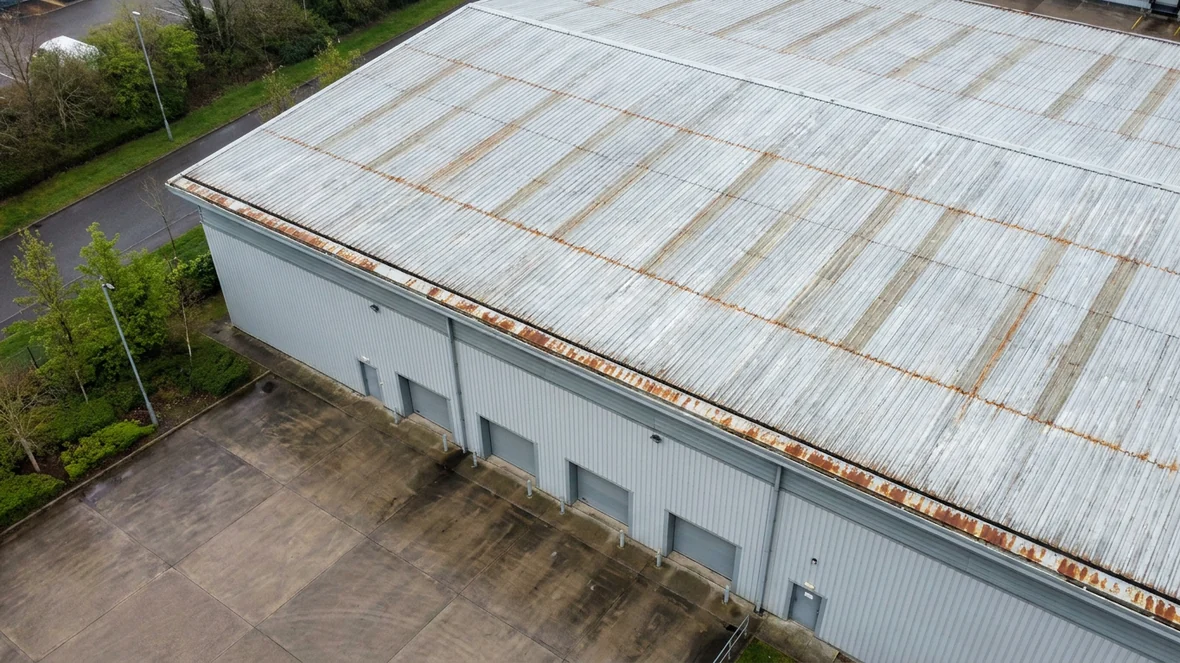
Walk any trading estate in Birmingham and you will see profiled steel roofing with one shared weak spot: the cut edge. When sheets leave the factory they are coated both sides, but every sheet is cut to length, and that cut leaves a thin strip of bare steel at the end laps, side laps and gutter lines. Those are the places rainwater collects and takes its time to dry. The bare steel rusts, and the rust then creeps back under the factory coating, lifting and peeling it as it goes. Cut edge corrosion treatment deals with it before the leaks start.
That is why a roof can look sound for years, then show a band of orange-brown corrosion along every sheet end at roughly the same time. Caught early it is a contained repair: we clean the edges back to sound steel, treat them with a corrosion-inhibiting primer, then seal the laps and gutter lines with a flexible system.
Left late, it perforates the sheets and you are into replacement, stripping sections of roof and disturbing everything underneath. Where the factory coating is chalking across the whole roof, it often makes sense to combine the edge work with a full coating in one visit, one set of access arrangements, one finished roof. Signs worth checking are simple enough to spot:
- Orange or brown staining along the gutter edge of the roof
- Bubbling, lifting or peeling coating where sheets overlap
- Drip marks or damp staining inside along the fixing lines
- Gutters holding water or filled with rust flakes and debris
Asbestos roof encapsulation in Birmingham
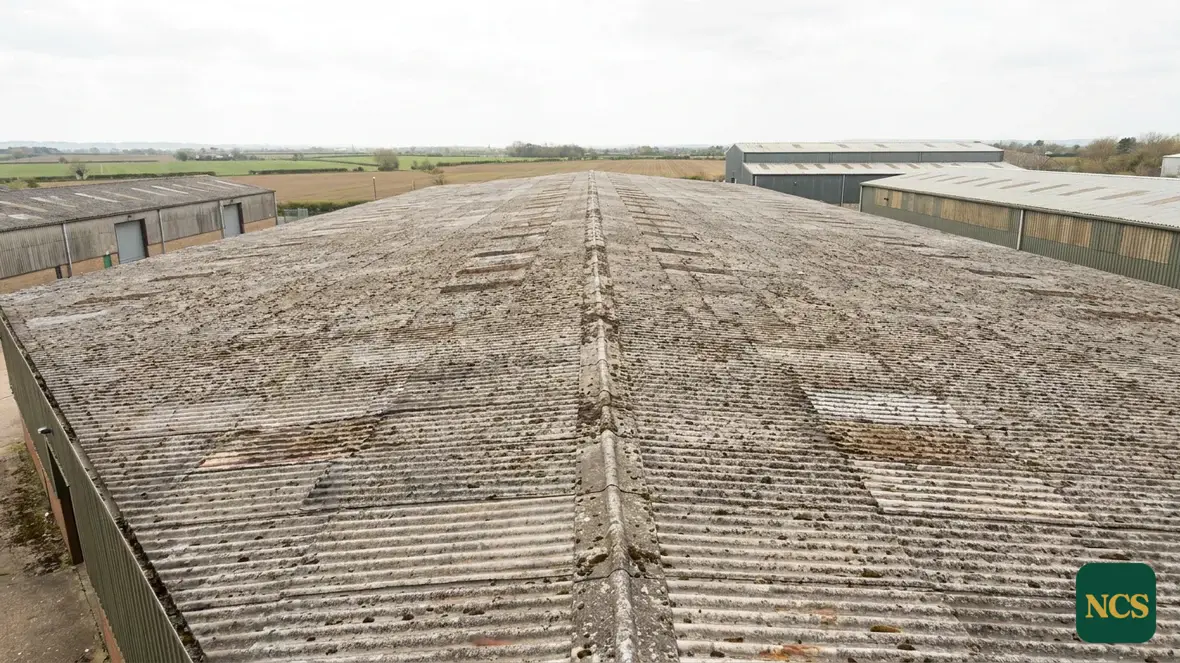
Older industrial estates around Birmingham still carry a great deal of asbestos cement roofing, put up in volume because it was cheap, fire resistant and quick to fix. For whoever runs one of those buildings it is not only a maintenance question but a compliance one. Asbestos cement is a lower-risk form of the material while it stays sound, since the fibres are locked into the cement. The problem starts only when sheets are cut, drilled, broken or left to weather until the surface begins to release them.
Under the Control of Asbestos Regulations 2012, anyone responsible for a non-domestic building has a duty to manage the asbestos within it: find it, log its condition, assess the risk and keep a written plan. Where the roof is still in decent order, asbestos roof encapsulation fits neatly into that framework, sealing the sheet surface under a coating matched to asbestos cement, shutting out the weathering that breaks the material down, and leaving a roof that is weatherproofed and easier to inspect.
The building can often stay in use while we work. When a roof is badly cracked, soft or friable, coating only hides a failing material, and the right way forward is removal by a licensed contractor followed by re-roofing.
Agricultural building coating in Birmingham
Twenty minutes out of Birmingham in most directions the city gives way to working farmland, mixed arable and livestock across the Warwickshire, Worcestershire and Staffordshire fringes. The barns, grain stores and machinery sheds serving that land are mostly steel portal frame or fibre-cement, several decades old, and many of their roofs are reaching the point where a decision has to be made. Plastisol chalks and peels, rust creeps out from cut edges and fixing holes, and moss holds moisture against fibre-cement right through the winter.
Caught at this stage a roof is usually a strong candidate for preparation and agricultural building coating; left another decade the same roof often is not, so timing matters as much as the decision.
We work to the farming calendar rather than asking the yard to bend around us: a grain store finished, cured and aired well before intake, machinery sheds handled while the fleet is out working the land, and livestock buildings coated in the months they stand empty. Where older asbestos-cement sheets are weathered but sound they can be cleaned and encapsulated; where they are cracked or breaking up they need a specialist removal contractor, and that is what we will say.
Coat, repair or replace across Birmingham
Coatings refurbish; they do not repair. A coating extends the life of a fundamentally sound roof or wall, and it does nothing for one that has already gone. If a survey finds saturated insulation, decking that has lost its integrity, sheets corroded through, membranes at the end of their life or asbestos cement too degraded for safe encapsulation, we recommend overcladding or replacement and back it with photographs. Concrete that is actively spalling needs proper repair, not paint. Hollow render needs hacking off and re-rendering. Sometimes a wall is simply sound and wants a good clean, not a system.
We would rather turn a job down than put our name over something that is failing underneath, and that rule does not flex for the size of the order. A contractor who recommends coating every time is not giving advice. What you get from us is the category the building falls into, the reasoning behind it and the evidence, then the decision stays with you. On a big roof that discipline saves you from the two classic mistakes: commissioning treatment the building never needed, or finding out halfway through that it needed far more.
Booking a coating survey in Birmingham
Every job starts with a physical survey, not a desktop assessment based on satellite imagery or a postcode. We check sheets and membranes, laps, fixings, flashings, valleys, rooflights, gutters and outlets, along with any evidence of moisture inside the building traced back to where it gets in. You see the photographs and the recommendation, with no obligation to proceed. You come away with a written diagnosis and a specification you can use, whichever way you decide to go. Every commercial coating Birmingham survey follows that process.
From the city we cover the whole West Midlands conurbation as standard, with Solihull, Wolverhampton, Walsall and Coventry all inside our regular working area and easily reached off the M6, M5 and M42. If you own or manage sites across the region, you can consolidate an entire portfolio under one contractor and one clear standard. For more on how we work across the county, see our West Midlands coating hub, or send us the building details and we will arrange a survey.
Recently
Through the drier summer months we can programme preparation, coating and curing with far less chance of a weather delay holding the job up.
We coat roofs and cladding that still have life in them, and we say so plainly when one is past saving.
Commercial coating birmingham: recent work we can show you
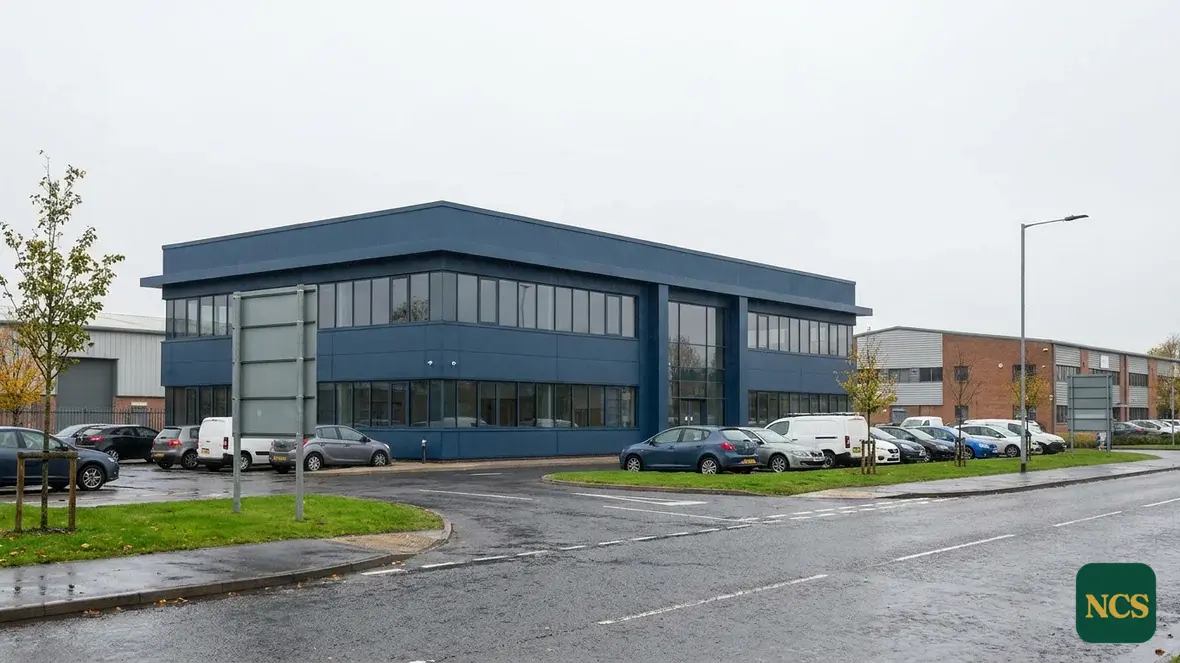
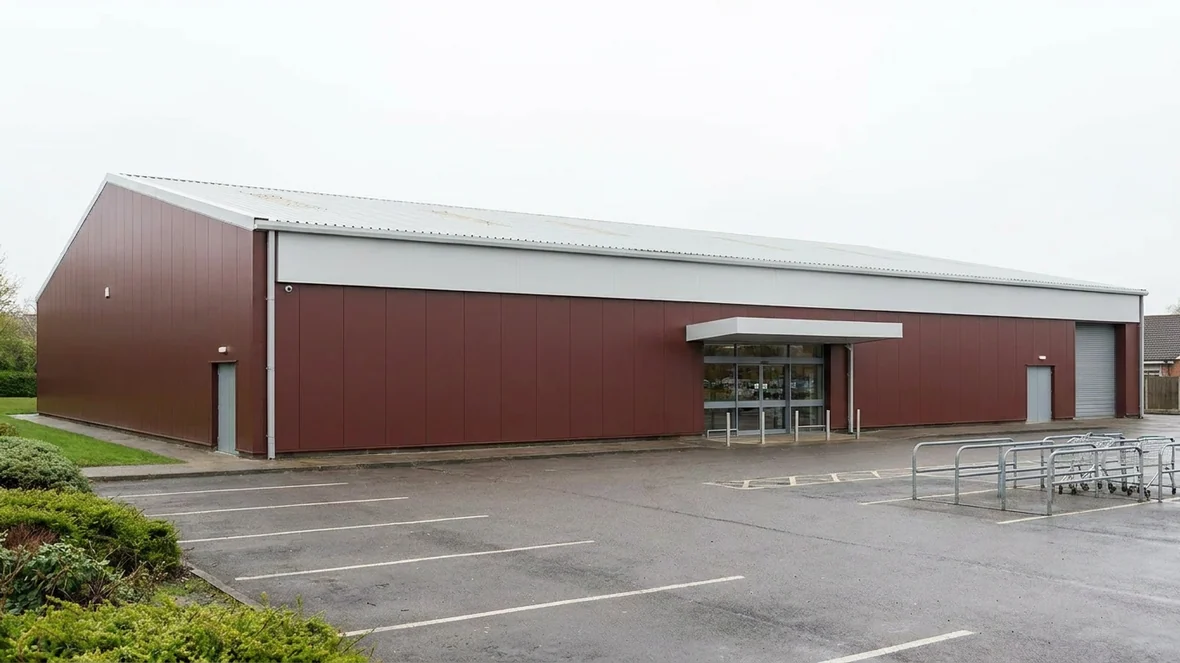
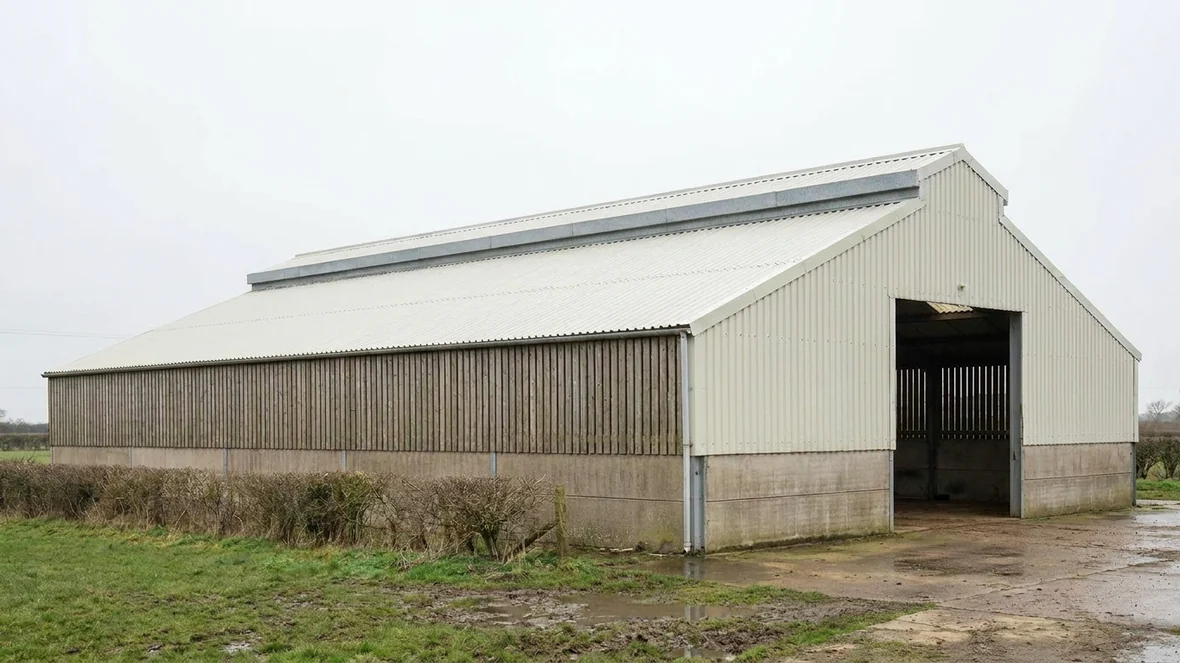
These are our own photographs from jobs of the same type. They are not stock images, and none of them is dressed up as something it is not. The caption tells you where each one was taken.
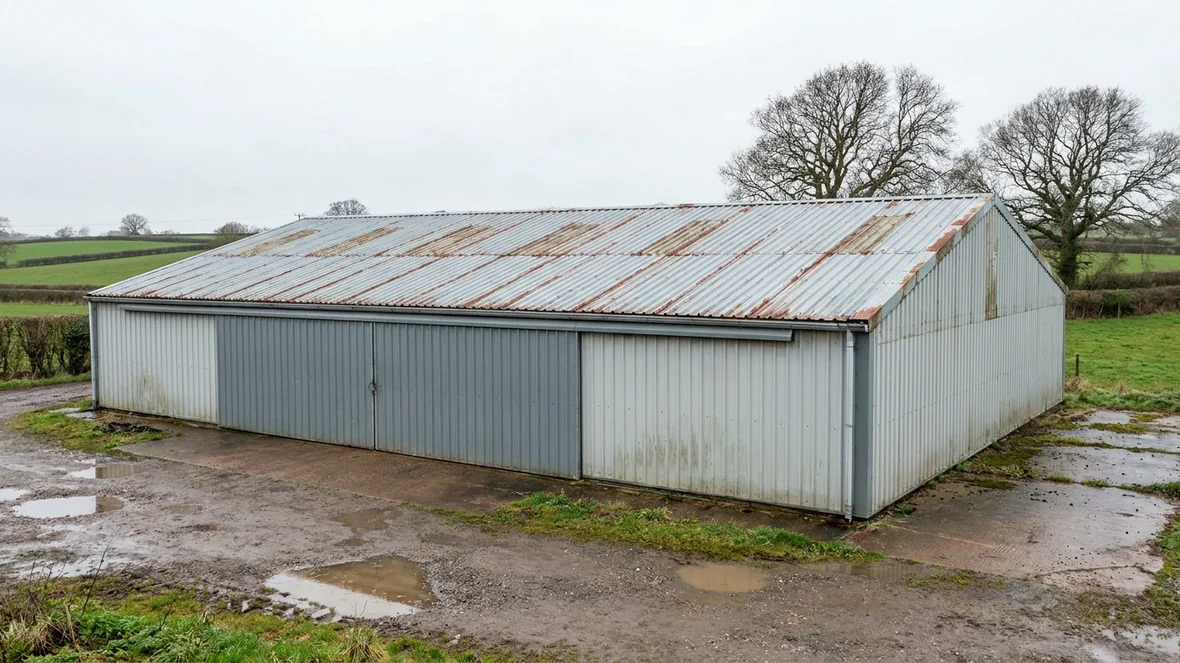
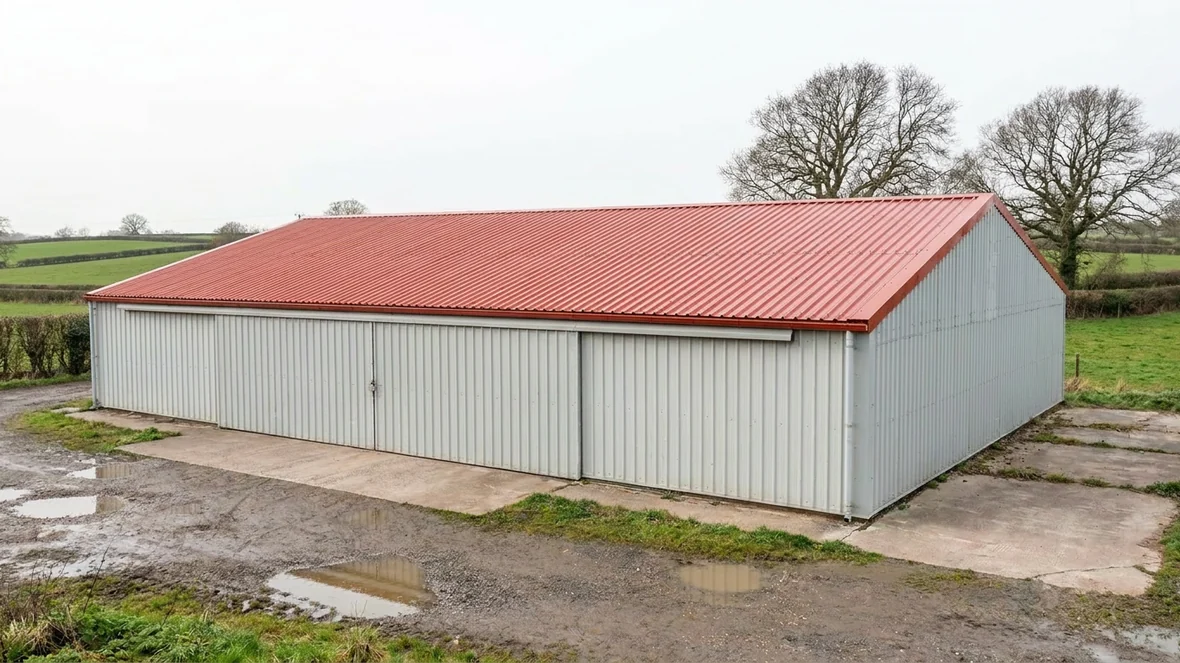
Standards behind our commercial coating birmingham work
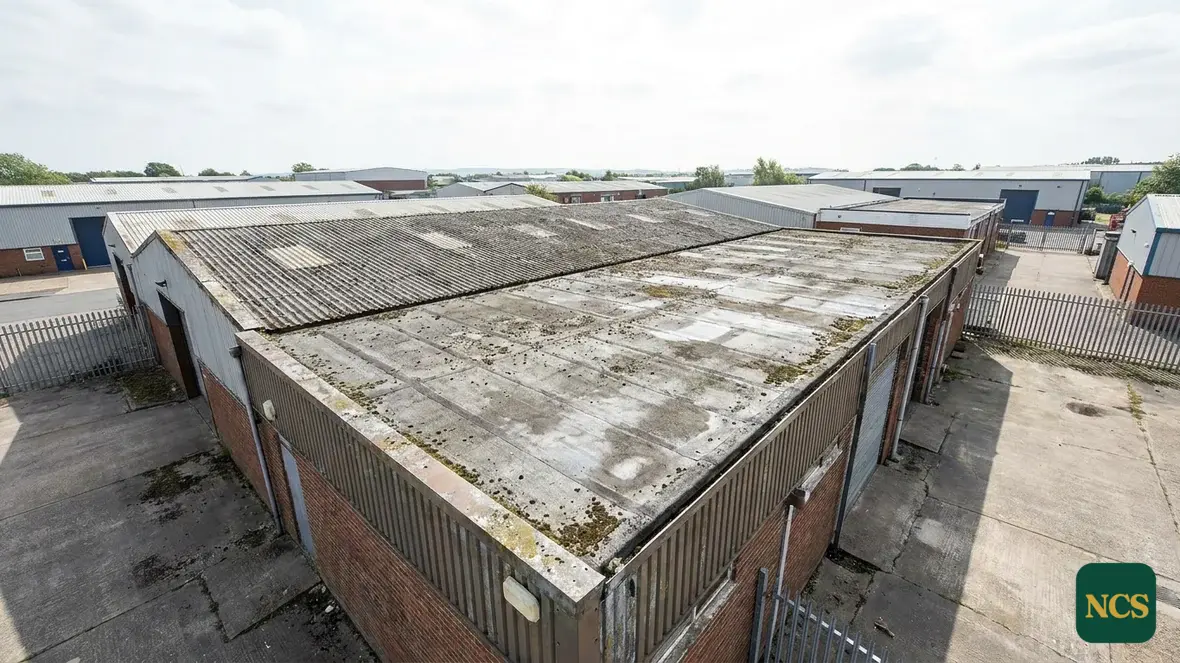
Birmingham’s estate roofs are usually reached with powered platforms agreed with your facilities team at survey stage. Our teams plan every job around the HSE’s work at height guidance, and we hold CHAS accreditation so the health and safety paperwork a facilities or estates team asks for is ready before the first van arrives.
Common questions about commercial coating birmingham
How long will a commercial coating project take in Birmingham?
We schedule work to minimise disruption, and programme length depends entirely on surface area, access requirements and weather windows. A typical mid-size office or industrial unit can be coated in a matter of weeks rather than months. We will give you a clear timeline after our initial survey.
Is commercial coating work in Birmingham weather sensitive?
Coating application is weather sensitive. We monitor forecasts closely and only proceed when temperature, humidity and wind speed are within the coating manufacturer’s specified limits. In Birmingham’s climate, this means most exterior work takes place between early spring and late autumn, though we plan contingencies for the odd shower.
What preparation do you carry out before coating a commercial property?
Proper preparation determines coating longevity. We typically pressure wash, degrease and mechanically scarify the substrate to remove loose or failing material. Corroded metal is ground back, and any active rust is treated. For porous masonry, we apply a stabilising primer. All preparation conforms to our written specification and is inspected before coating begins.
Will my tenants or staff be able to remain in the building during coating?
In most cases, yes. We section off working areas with cordoned zones and phased access routes, allowing normal business activity on the other side of the building. Low-odour waterborne coatings further reduce disruption. Where fumes or overspray cannot be fully excluded, we can carry out critical work outside business hours or at weekends.
How often does a commercial building in Birmingham need recoating?
Recoating frequency is driven by the coating system, exposure and substrate. A well-specified system on exposed steelwork in an industrial estate may need attention after a dozen years, whereas a sheltered masonry elevation might go twenty years or longer before it requires full renewal. We can assess the remaining life of your current coating and advise on maintenance priorities.