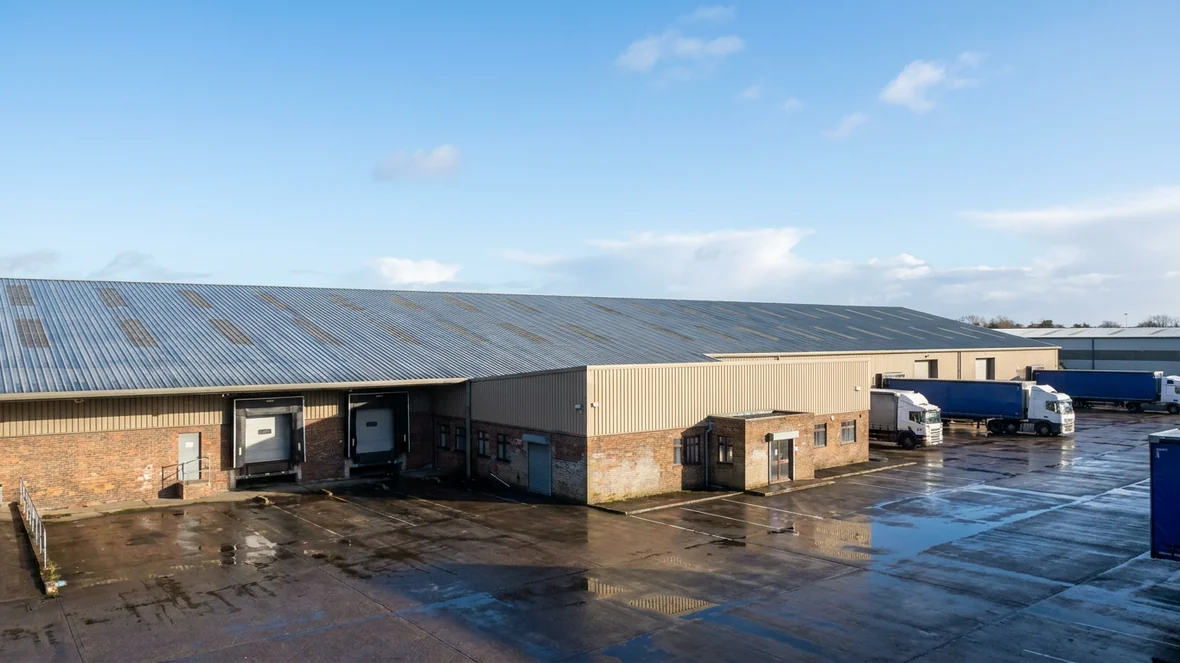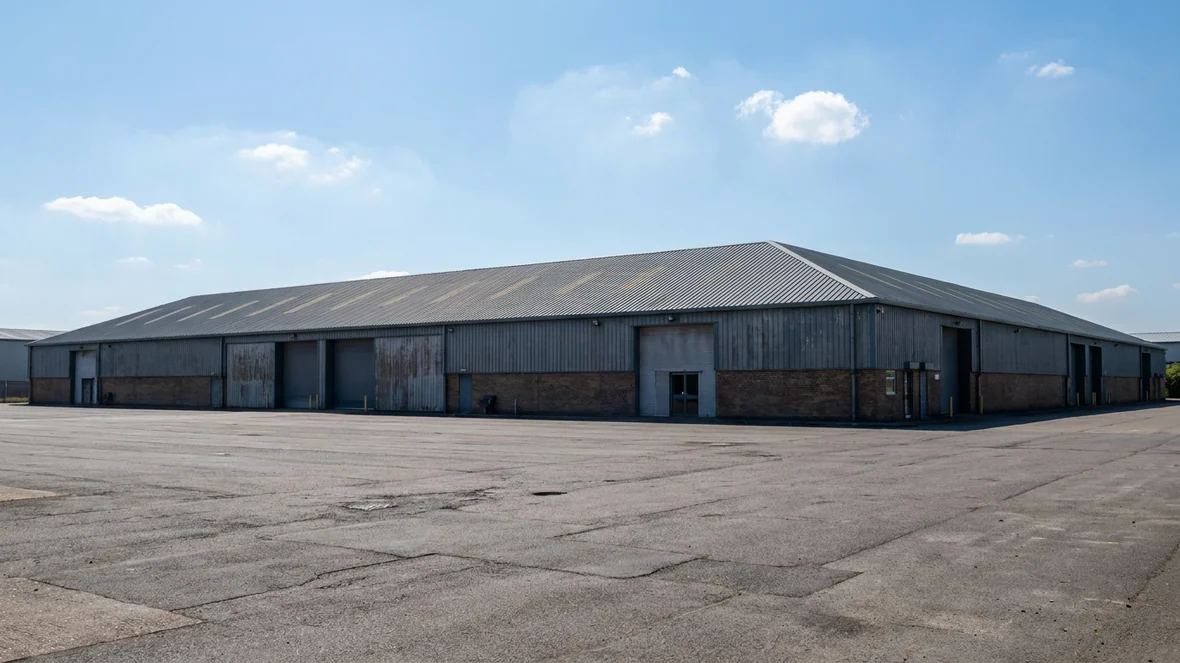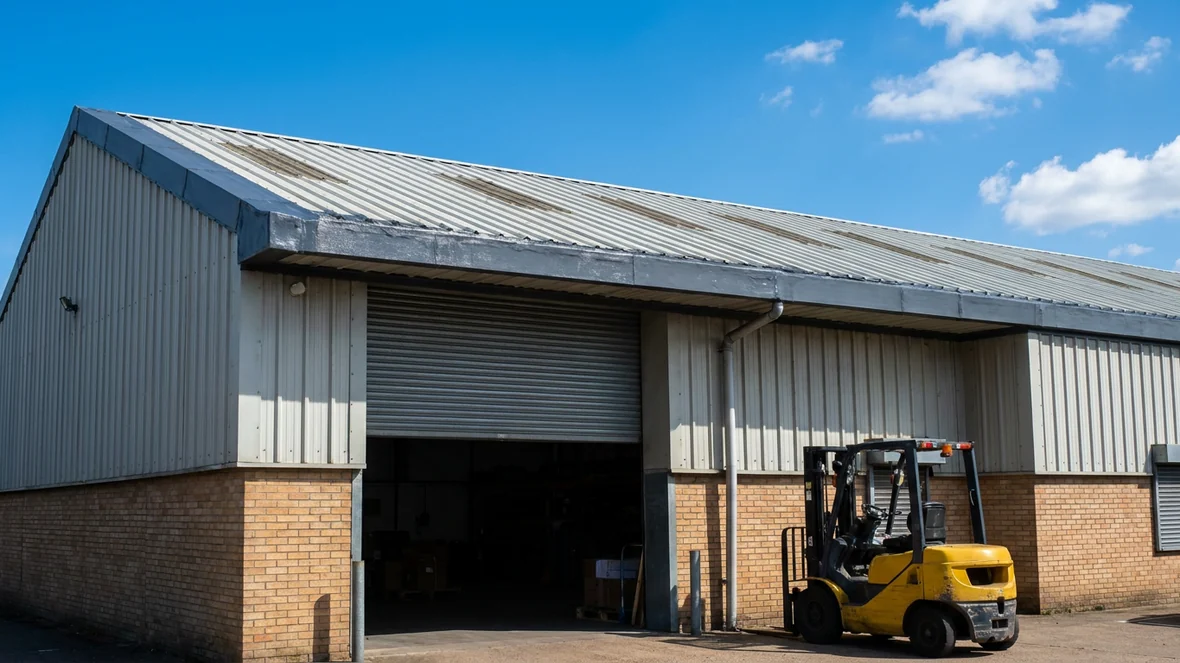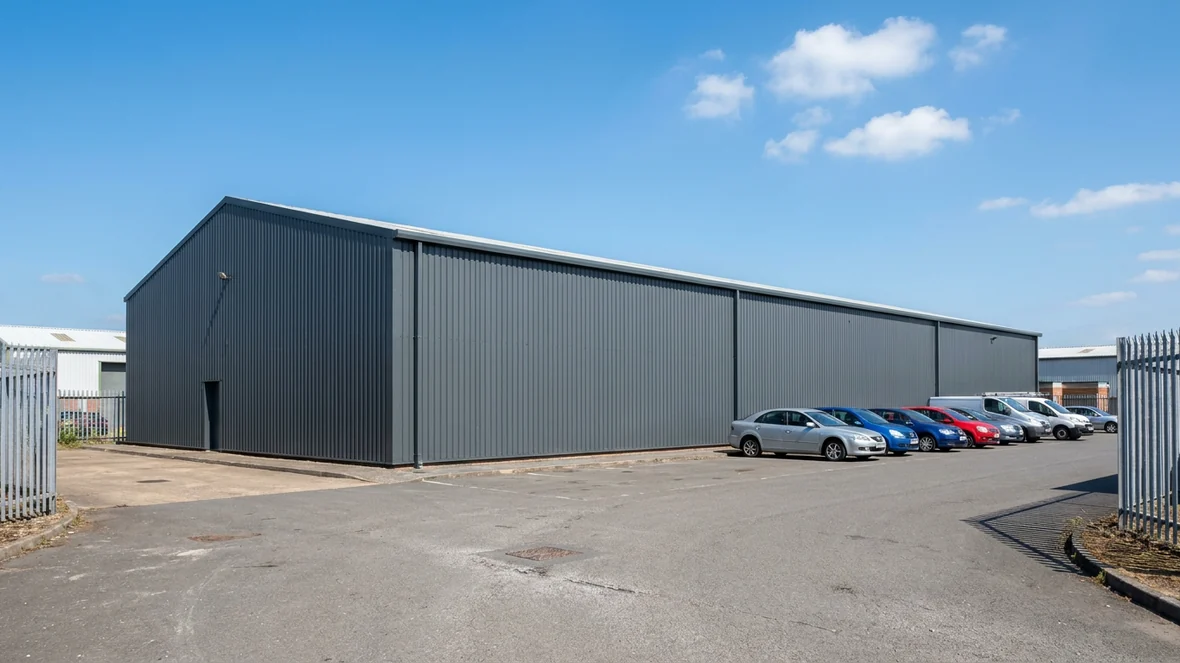








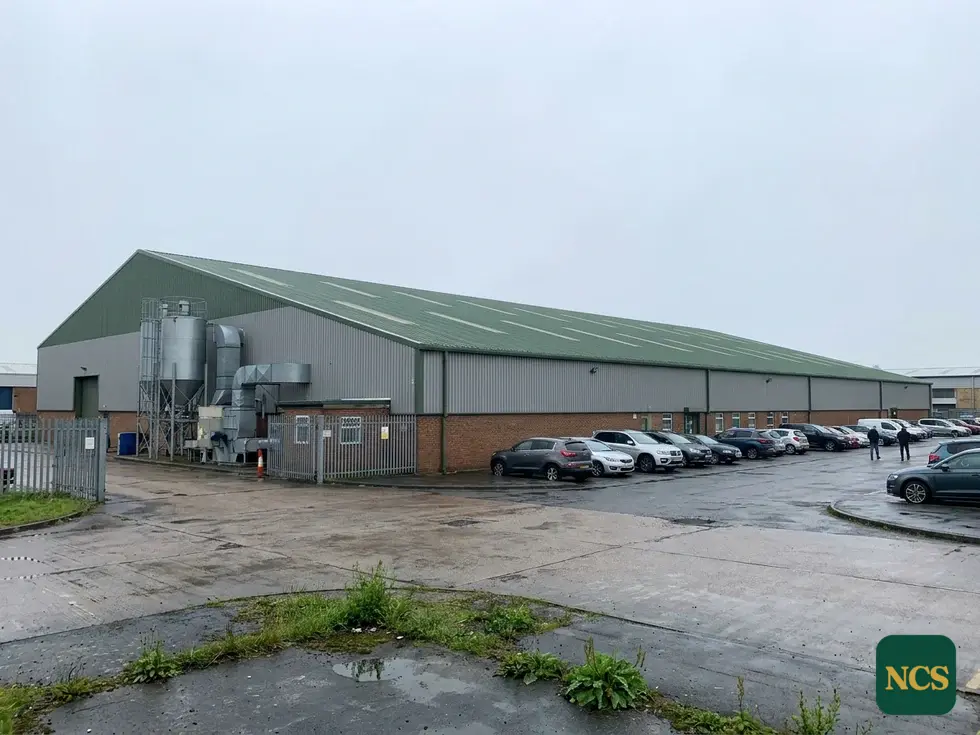
Derby is a city of engineers, and engineers ask the right questions about their buildings: what exactly is failing, what is the evidence, and what does the fix cost against the alternative? Industrial roof coating stands up well to that kind of scrutiny, which is why we set out our case for Derby facilities teams the same way we survey: methodically and in writing. On a structurally sound profiled metal roof, a coating system costs a fraction of replacement, takes a fraction of the time and keeps the building working throughout.
An evidence-based approach for an engineering city
The manufacturing and engineering employers concentrated in and around Derby support a wide supply chain housed largely in steel portal frame units built from the 1980s onward. Those roofs share a life cycle: the factory finish on the profiled sheet weathers and chalks, the unprotected cut edges begin to rust, fixings work loose with thermal cycling, and eventually water finds a way in. None of that is a verdict on the building. It is a maintenance stage, and the data point that matters is whether the steel underneath remains sound. That is a question a survey answers and a quotation alone never can.
What we inspect on a profiled metal roof
Before recommending anything, a surveyor walks the roof and records:
- Sheet condition across the whole roof area, not just where leaks show
- Cut-edge corrosion at end laps, eaves and around penetrations
- Fixings, washers, flashings and ridge details
- Gutters, joints and rooflights, which often account for a large share of leaks
- Internal staining and leak evidence, traced to the true entry point
- Overall suitability of the roof for a coating system
The report reaches you with photographs and a plain recommendation, so the decision can be defended to whoever signs off the budget.
Treating cut-edge corrosion before it becomes perforation
Cut-edge corrosion is progressive. In its early years it is cosmetic rust along the lap lines; left alone it undercuts the factory finish, thins the steel and finally perforates it. The economics shift at each stage. Early treatment is straightforward: preparation to clean metal, anti-corrosive priming, lap sealing and a full overcoat. Late treatment means sheet repairs or replacement panels before any coating goes near the roof. The honest summary for any Derby estates team is that the cheapest year to deal with cut-edge corrosion is always this one.
Programming work around shifts and continuous operations
Plenty of the buildings we work on run two or three shifts, and some never stop at all. Because coating is applied externally with the roof kept closed, the operation underneath carries on as normal. We agree the programme around your shift patterns, keep noisy preparation away from sensitive hours where required, hold strict exclusion zones beneath the work area and route our access away from loading doors. Your team gets a named contact and a daily picture of progress, so there are no surprises in either direction.
Our honest line: when replacement beats coating
Some roofs are past coating, and pretending otherwise helps nobody. Widespread perforation, corrosion advancing from the underside, wet insulation or a failing deck all point to re-sheeting or overcladding, and when the survey finds them we recommend exactly that, in writing, even though it ends our involvement. National Coating Specialists work from a South-East base across England, and we would rather lose one Derby job honestly than win it on a roof that should never have been coated.