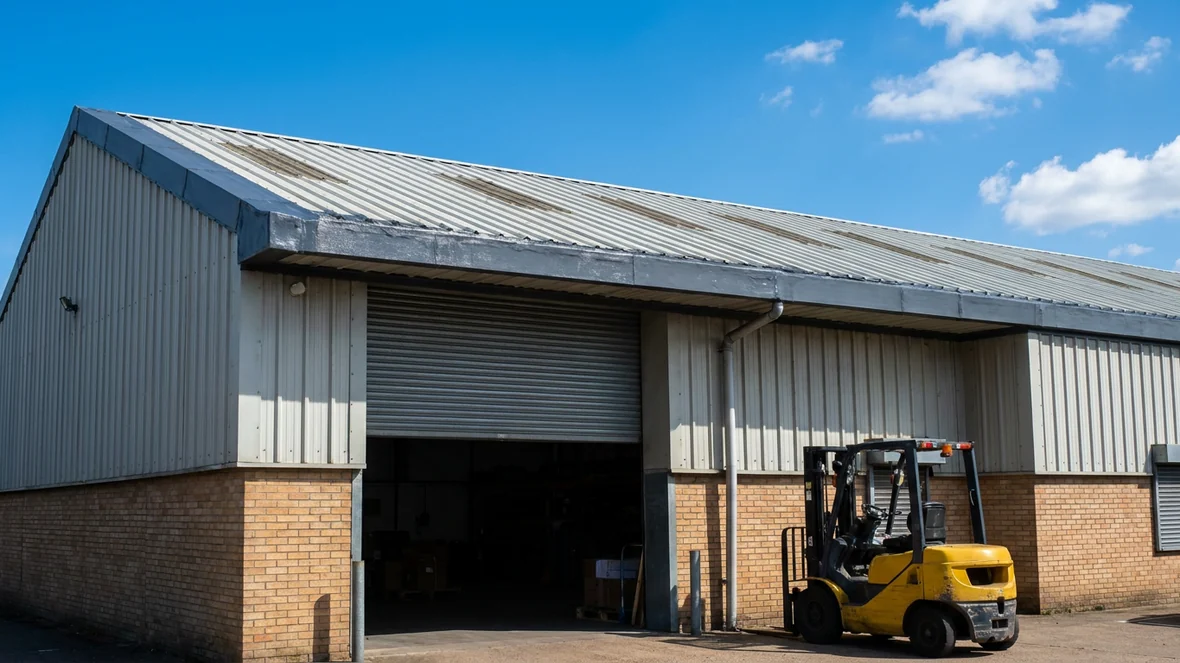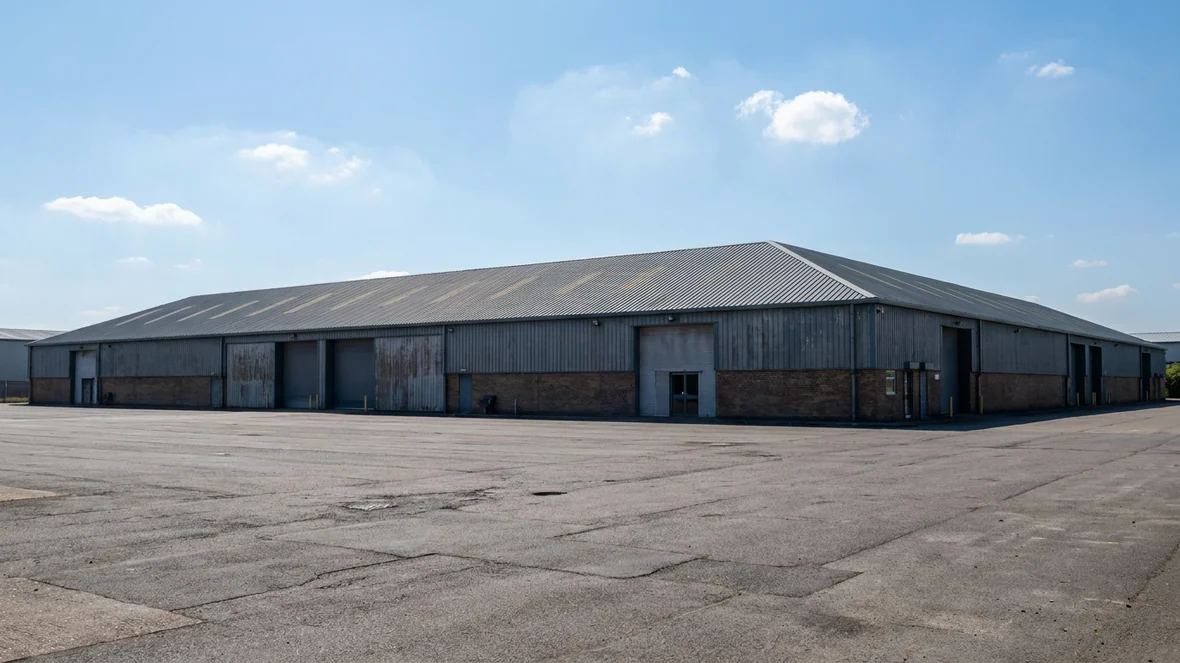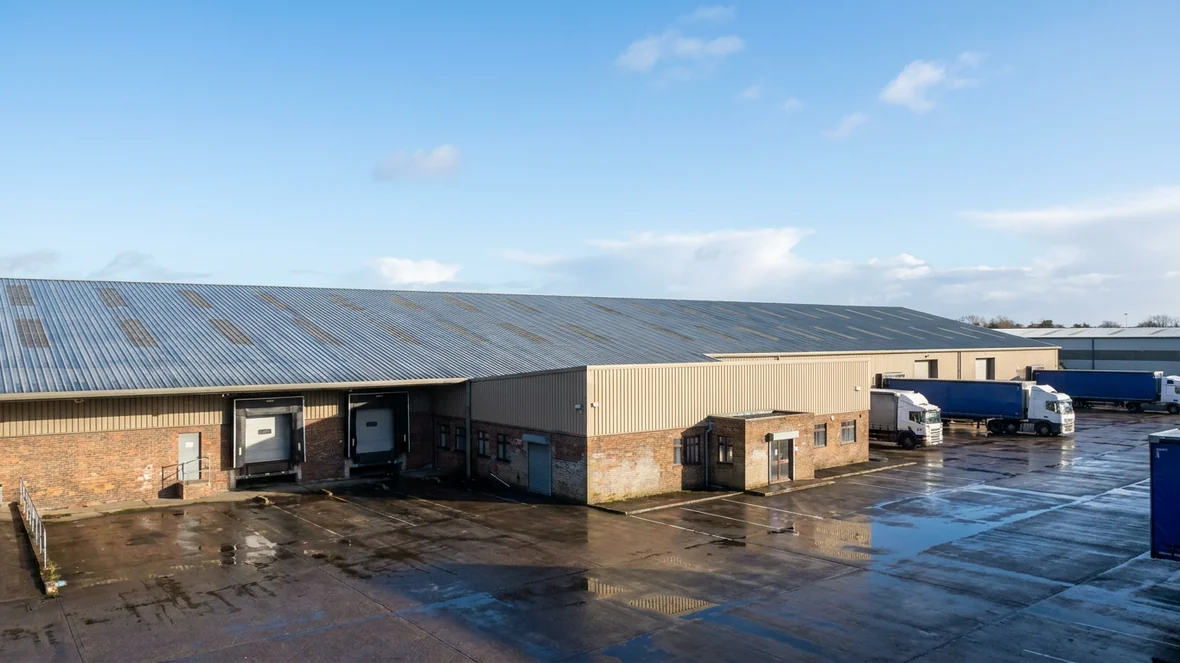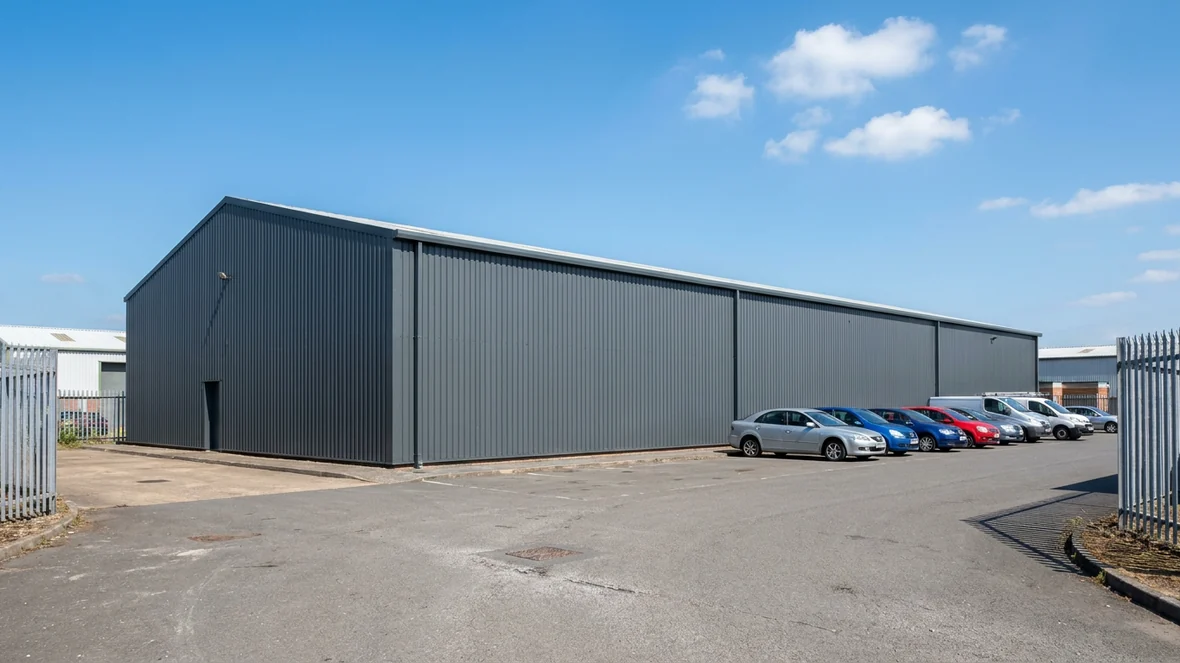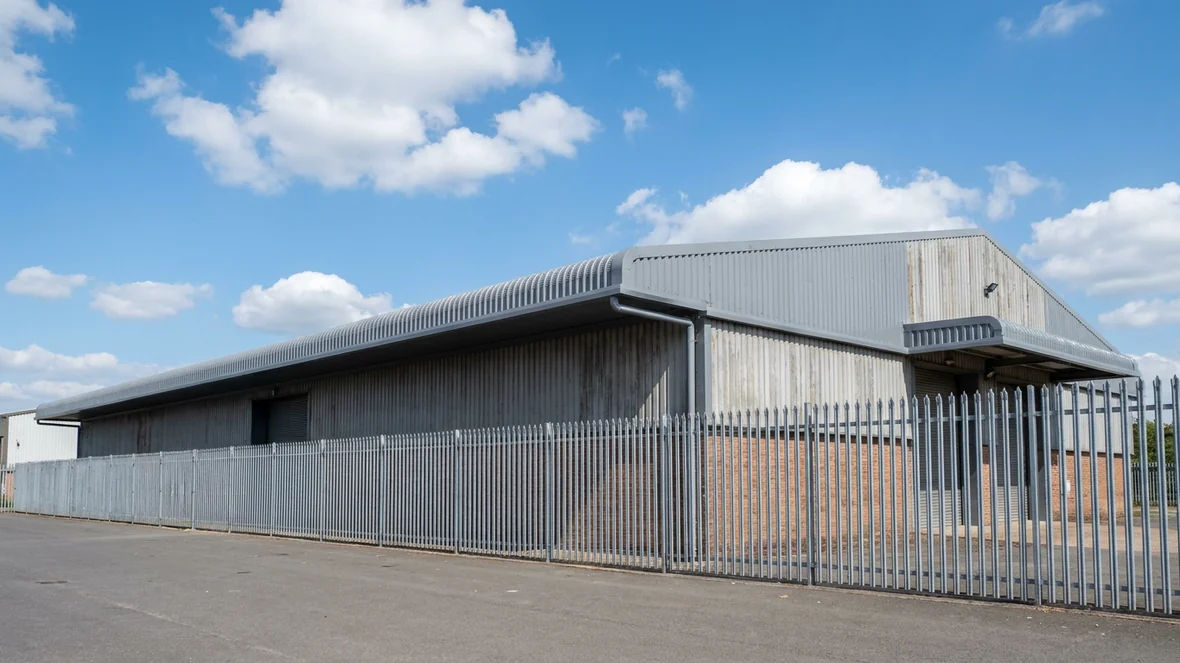










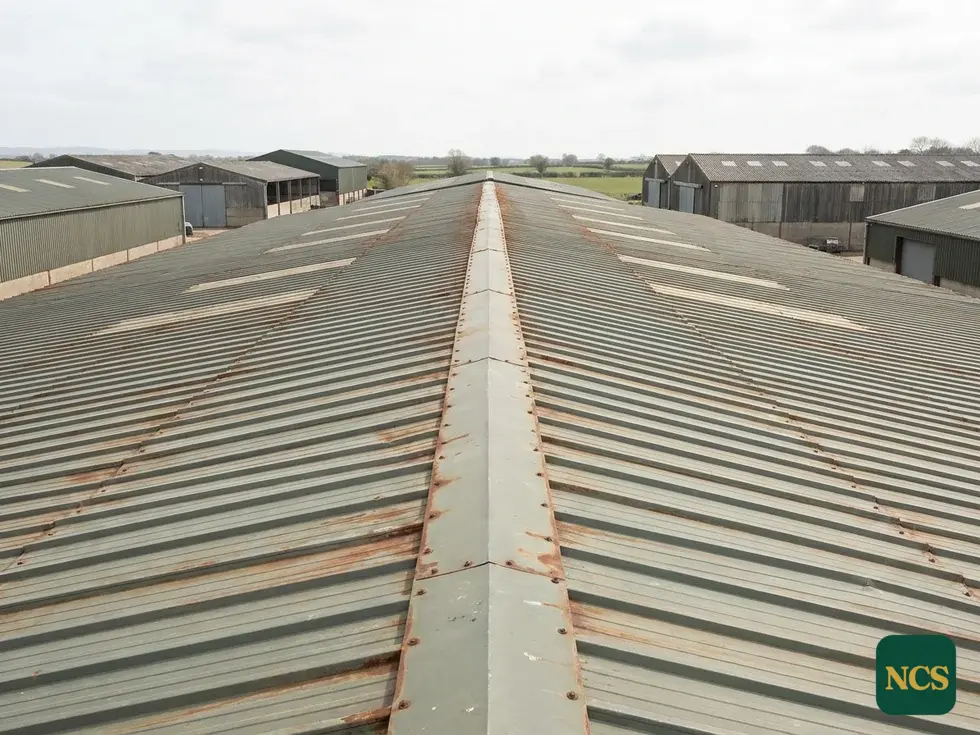
Profiled steel roofing covers a large share of Birmingham’s commercial stock, from post-war factory units on the city’s trading estates to newer distribution sheds further out. Nearly all of it shares the same weak point: the cut edge of the sheet. If a rust line has appeared along your gutter edge, or staining is showing where sheets overlap, you are looking at cut edge corrosion, and the sensible time to deal with it is now, not after the first leak.
What cut edge corrosion actually is
Plastisol-coated steel sheets leave the rolling mill protected on both faces, but every sheet is cut to length, and the cut exposes a thin strip of bare steel. On the finished roof those edges sit at the end laps, side laps and gutter lines, exactly where rainwater collects and dries slowest. The bare steel rusts, and the rust then creeps back beneath the factory coating, lifting and peeling it as it advances.
That is why a roof can look sound for fifteen or twenty years and then develop a band of orange-brown corrosion along every sheet end at roughly the same time. The coating did its job everywhere except the one place it could never reach.
Why it never stays where it started
Cut edge corrosion is progressive by nature. Once moisture gets under the coating it is drawn deeper into the lap by capillary action, where it cannot dry out. The corrosion front moves back from the edge, the coating delaminates ahead of it, and the steel thins. Left long enough, the sheet ends perforate, and water starts entering the building along the line of every lap.
Roofs around Birmingham face the same accelerants as the rest of the Midlands: shallow pitches that hold water, gutters blocked with debris pressing damp against the sheet ends, and winter freeze-thaw cycles working away at any coating that has already lifted.
The economics of treating it early
Caught early, cut edge corrosion is a contained repair. The affected edges are cleaned back to sound steel, treated with corrosion-inhibiting primer, and sealed with a flexible coating system along the laps and gutter lines. The work is targeted, the building stays in use, and the existing sheets keep their service life.
Caught late, the conversation changes to sheet replacement: stripping sections of roof, disturbing whatever sits beneath, and interrupting the business below. The gap between those two outcomes is the whole argument for acting while the damage is still confined to the edges. Signs worth checking this week:
- Orange or brown staining along the gutter edge of the roof
- Bubbling, lifting or peeling coating where sheets overlap
- Drip marks or damp staining inside along fixing lines
- Gutters holding water or filled with rust flakes and debris
- Daylight or wet patches visible at sheet ends from inside
When edge treatment is not the right answer
We will be straight with you: not every roof should be treated. If sheets have already perforated, if corrosion has travelled deep into the laps across large areas, or if the coating is failing across the whole sheet face rather than just the edges, an edge treatment is money spent on steel that is past saving. In those cases the honest options are sheet replacement or an over-roofing conversation, and we will tell you so after the survey rather than sell you a coating that cannot hold.
Survey first, then a clear scope
Every job starts with a proper roof survey: laps, edges, gutters, fixings and the coating itself, photographed and reported so you can see what we saw. Where the factory coating is chalking and tired across the whole roof, it often makes sense to combine cut edge treatment with a full roof coating in one visit, one set of access costs, one finished roof. We are based in the South East and carry out work across England, with Birmingham and the wider West Midlands well within our normal range. Send us the building details and we will arrange the survey.