









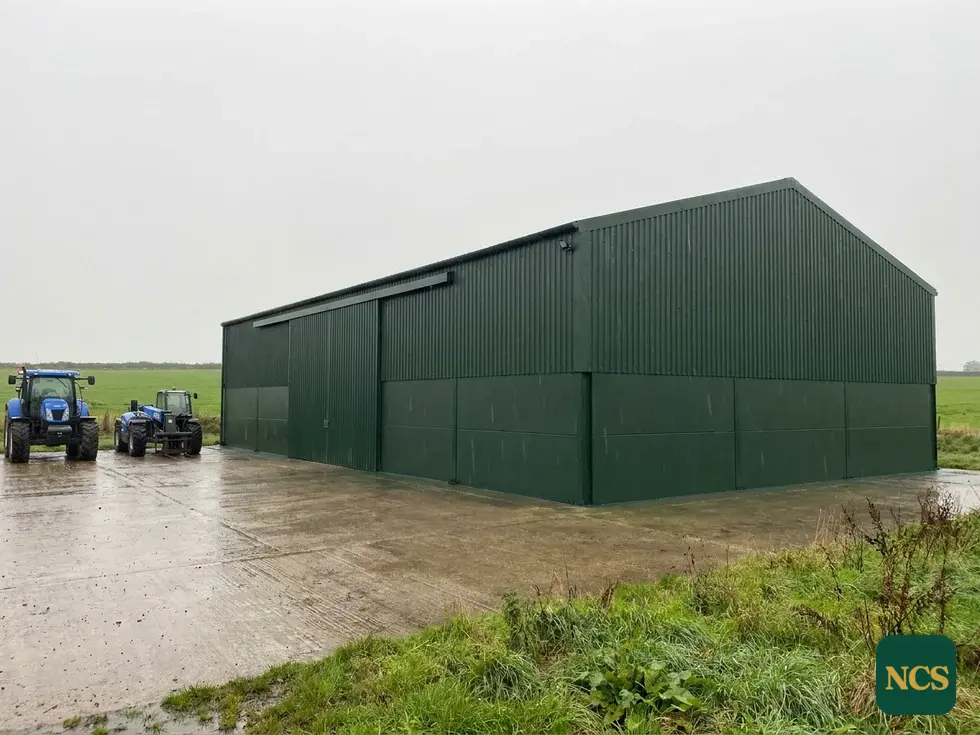
Coating farm buildings in the Ipswich area
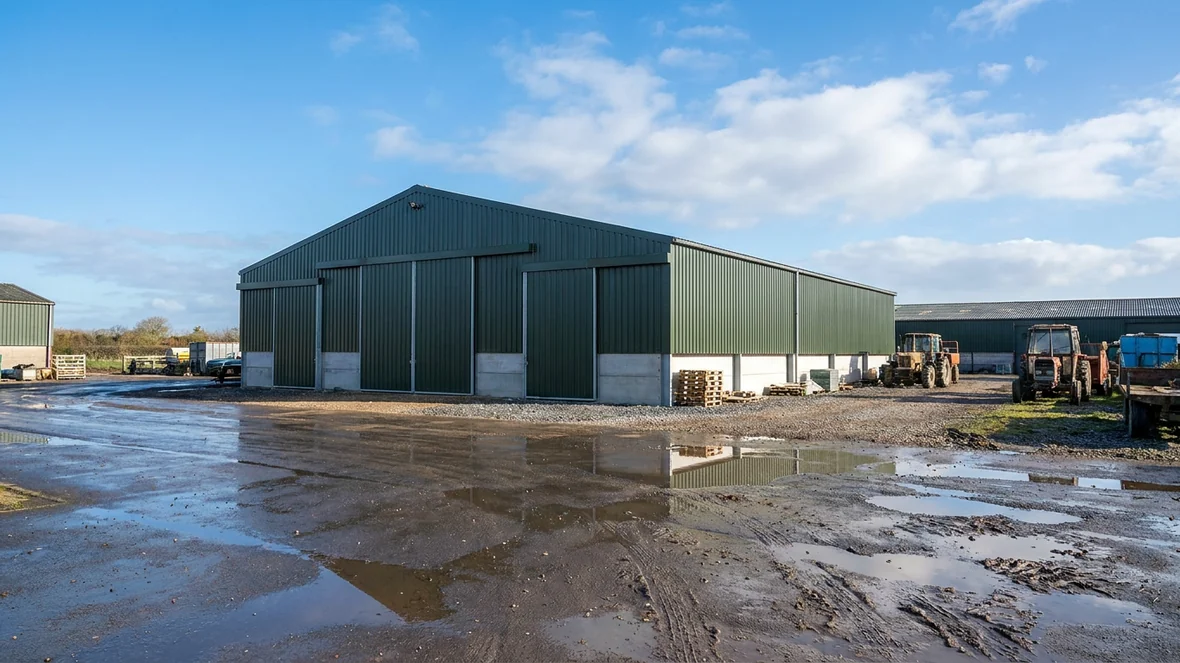
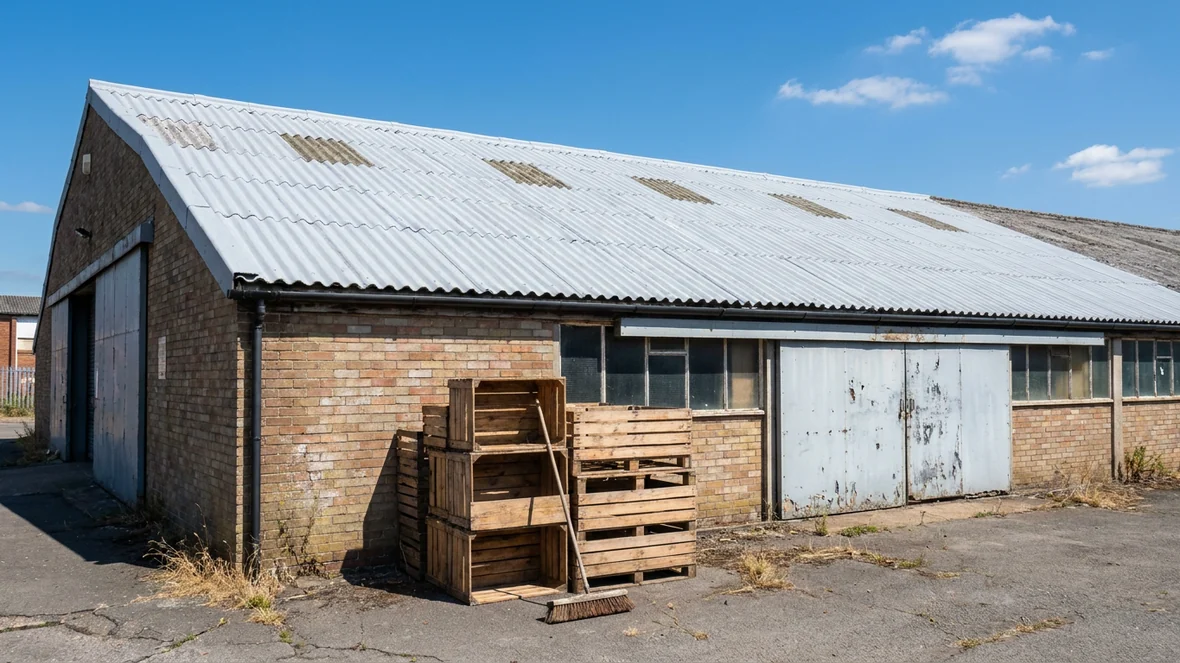
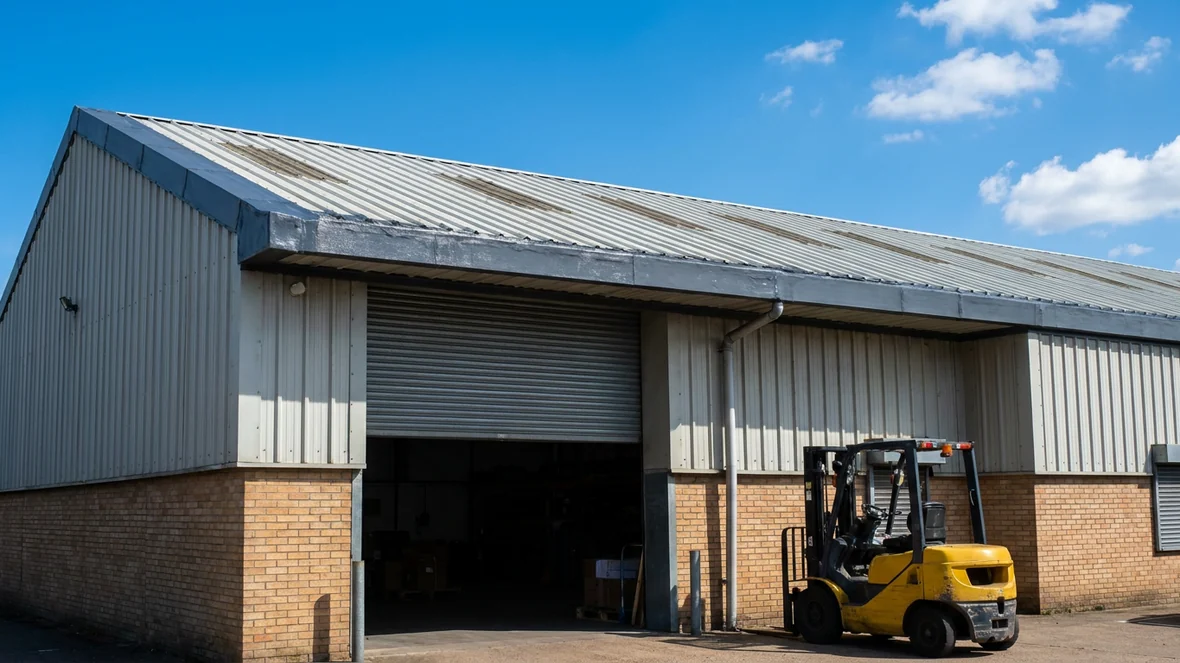
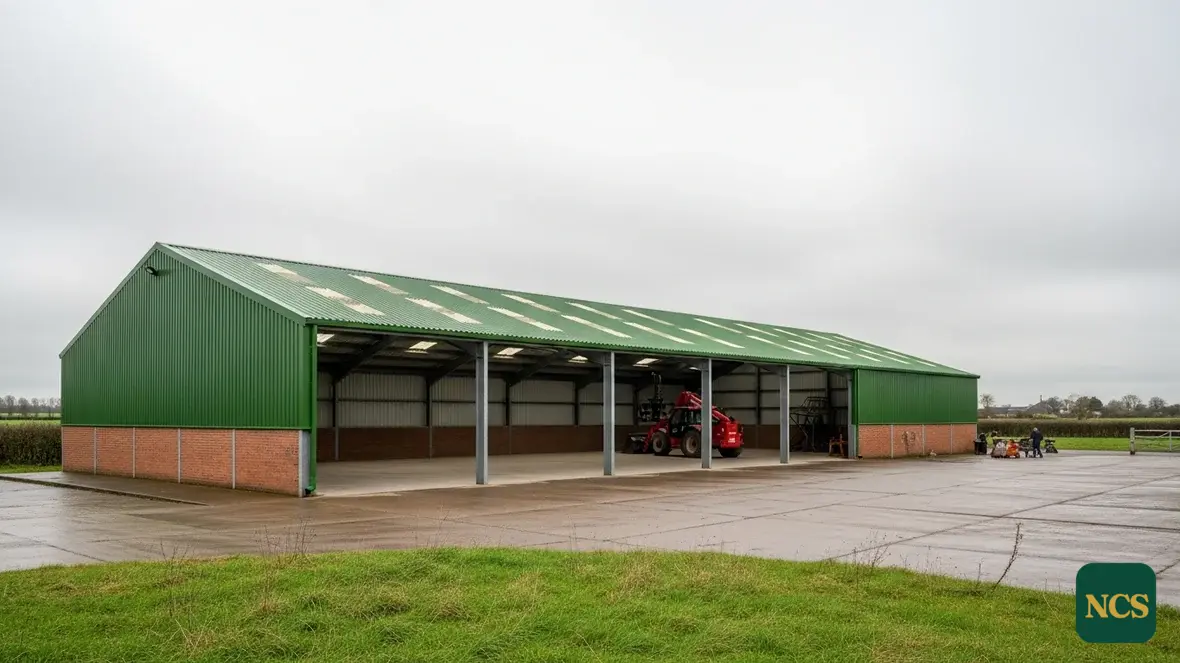
Suffolk farms around Ipswich run a mixed estate of buildings: modern steel-framed grain stores, older asbestos-cement roofed cattle yards and general-purpose barns, machinery sheds, and on some holdings pig and poultry buildings with their own demands. Much of this stock dates from the sixties through to the nineties, which means a lot of fibre-cement roofing and first-generation plastic-coated steel now well past its design life on the surface, even where the frame beneath is sound. Exterior coating exists for exactly this situation: a building that still does its job structurally but whose envelope is letting water, light and weather get to things that should stay dry. Done properly, it buys a serviceable building another working life without the disruption and cost of stripping the roof.
East coast exposure and what it does to roofs
Farms east and south of Ipswich, towards the estuaries and the coast, sit in salt-laden air that accelerates corrosion on steel sheeting, particularly along cut edges, laps and around fixings. Inland, the issue is more often UV chalking, moss growth on north-facing fibre-cement slopes and the slow porosity that lets old sheets hold water. A coating specification has to respond to which of these is actually happening, which is why we inspect before we price. Rooflights, gutters and flashings get surveyed as their own items; brittle rooflights and corroded gutter bolts are among the most common faults we find, and ignoring them undermines an otherwise good roof coating.
Fitting the work around harvest, pigs and stock movements
The farming year sets the programme, not the other way round. Grain stores near Ipswich need to be empty and clean before any internal-adjacent roof work makes sense, which usually points to a late spring or early summer window. Pig and poultry units bring biosecurity rules, washdown cycles and batch movements that dictate when contractors can be on site at all; we work to the unit’s protocols, not our own convenience. At survey stage we ask how the building is used month by month, then propose a slot that does not collide with intake, lambing, loading or bedding-up. If the realistic answer is “not until the store empties in May”, the programme says May.
Straight answers: repair, coat or replace
Coating is the right answer often, but not always, and we would rather lose a job than coat a roof that should be replaced. We will recommend against coating when sheets are cracked or spalling beyond safe preparation, when corrosion has gone through the metal rather than sitting on it, when fixings have failed widely enough that the roof needs re-securing sheet by sheet, or when your medium-term plan for the building is demolition or conversion. Sometimes the right outcome is a hybrid: replace the worst slope or the rooflights, repair laps and fixings, and coat the rest. The survey report sets out the options so you can put your budget where it does the most good.
How we work with Suffolk farms
We are survey-led and based in the South East, covering England, so the Ipswich area is well within normal working range. The process is simple:
- A site survey of the roof, cladding, gutters, rooflights and fixings, with access arranged to suit the yard
- A written assessment separating what needs repair, what suits coating and what does not
- A specification for preparation and coating matched to the substrate, whether fibre cement or steel
- A programme agreed around your farming calendar and any biosecurity requirements
- A clear recommendation to walk away from coating where replacement is the better spend
If a barn, grain store or livestock building near Ipswich is on your worry list, the sensible first step is a survey and an honest written opinion. Ask us for one before harvest fills the diary.