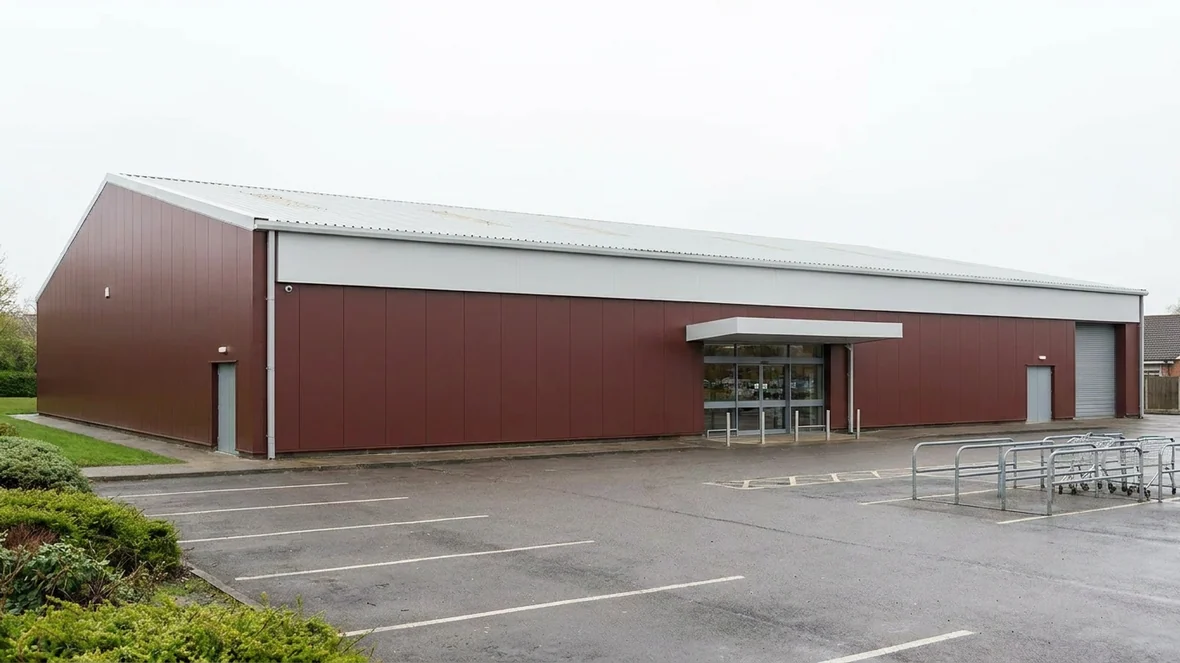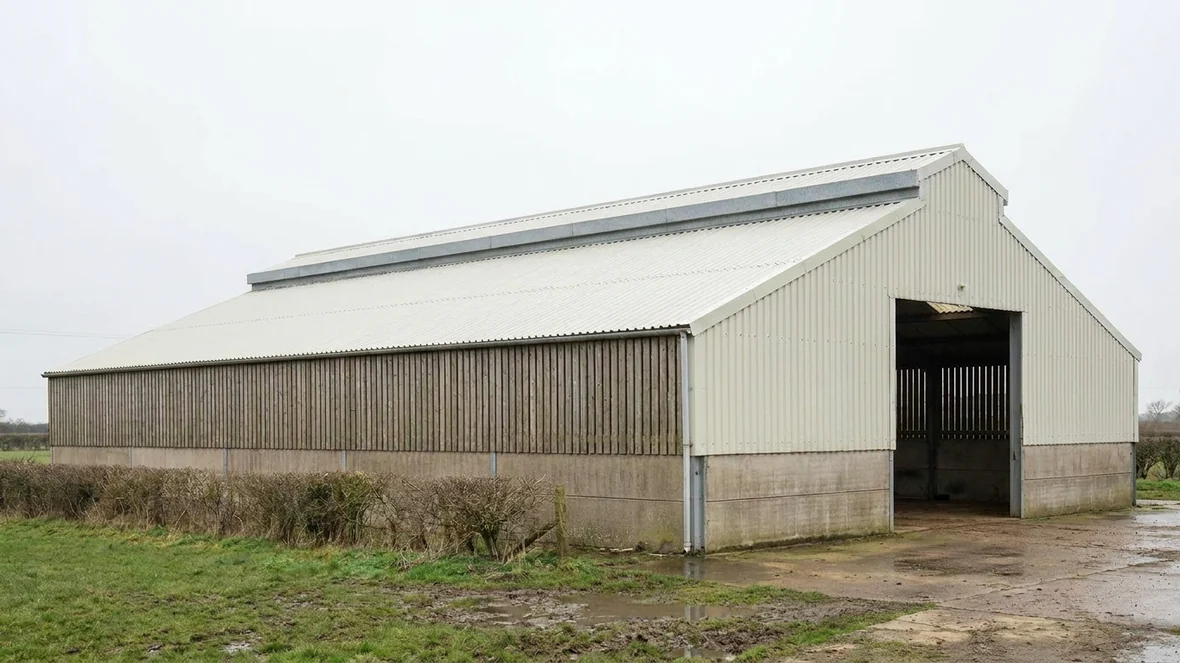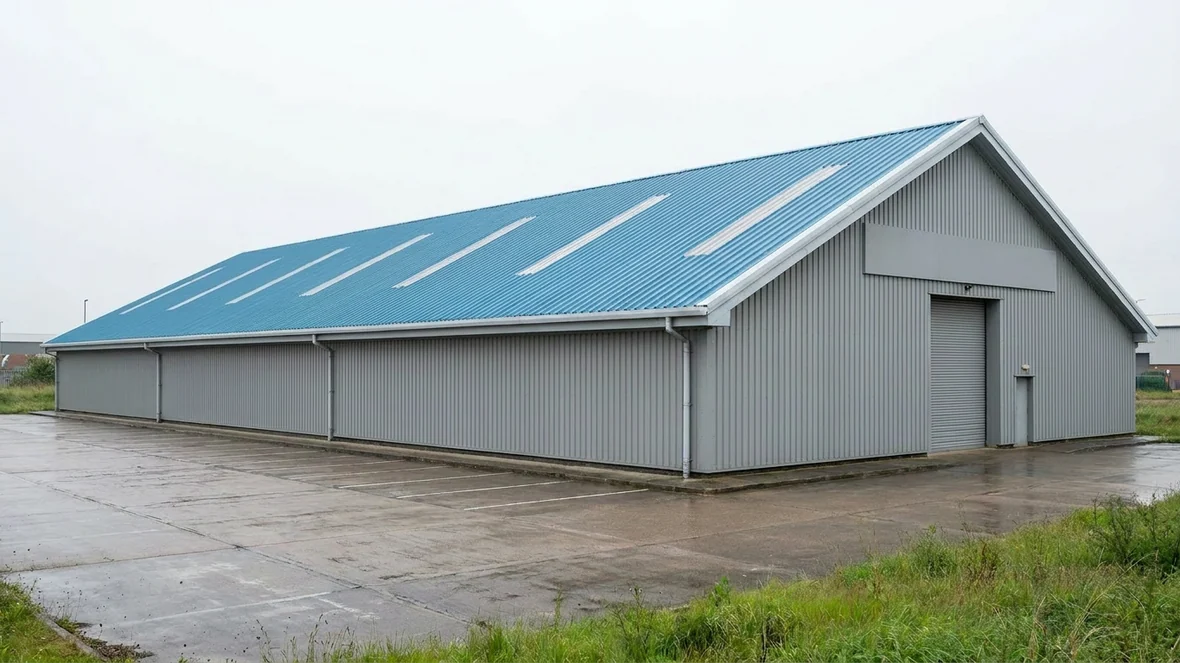



We coat the outside of commercial, industrial, and agricultural buildings. This isn’t about domestic painting; it’s about protecting your asset from the weather. For many building owners in Ipswich, especially those near the port on the Orwell or in Suffolk’s agricultural heartland, the question of asbestos cement roofs is a live one. We also focus on repair and planned maintenance, because catching a small leak or a bit of coating breakdown early can save you a much bigger headache and cost down the line. We survey the roof, we tell you what we see, and we recommend the best way forward: repair and encapsulate, or strip.
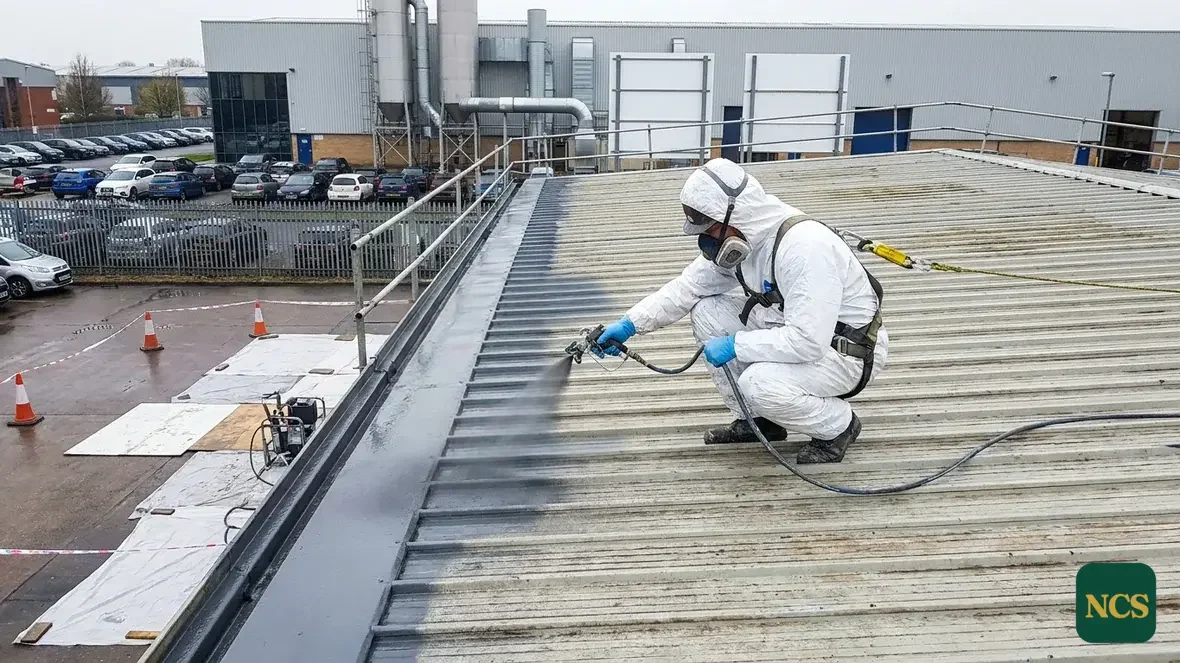
Encapsulating asbestos roofs in Ipswich
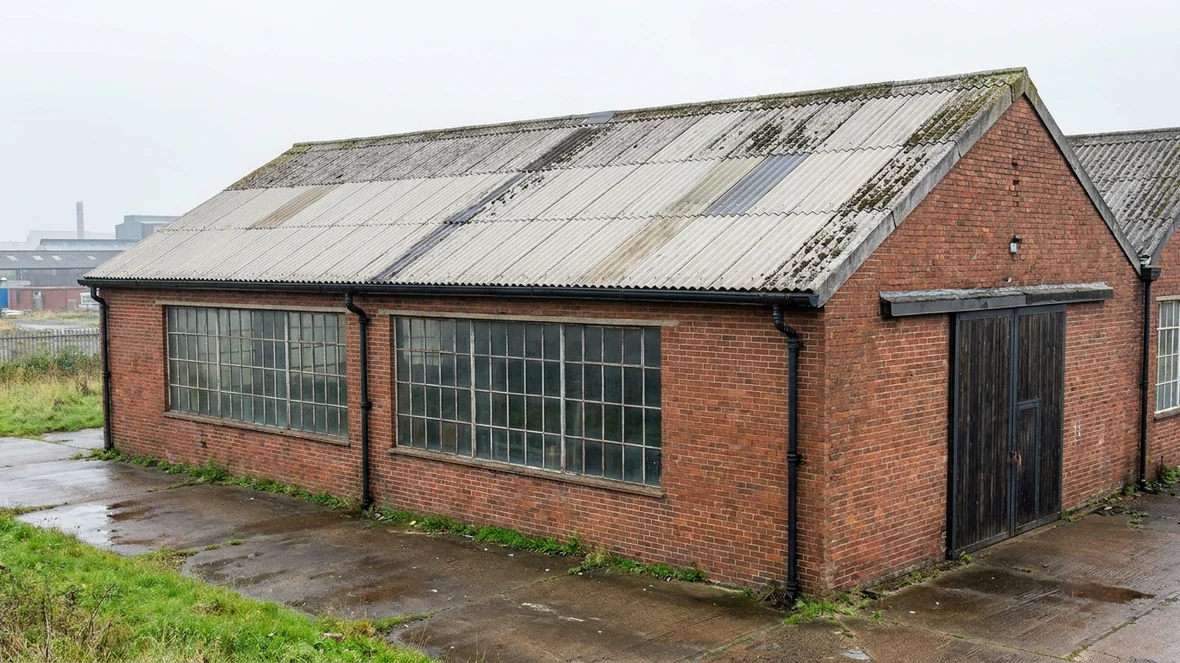
Asbestos roof encapsulation in Ipswich: here is what the survey looks for on an Ipswich building, and the route we recommend once we have seen it. The east coast gives roofs a hammering. Around Ipswich, we still see profiled asbestos cement sheeting from the 60s, 70s and 80s on dockside stores, older industrial units and plenty of Suffolk farm buildings.
Decades of wind-driven rain and frost have made most of them porous, mossy and slowly shedding fibres from the weathered surface. As the owner, you’ve got a choice, and it’s unavoidable: strip the roof, or seal it and manage it. If the sheets are sound, encapsulation is usually the calmer and cheaper option, and it’s the right choice for planned maintenance.
What the regulations require from you
The Control of Asbestos Regulations 2012 put the duty to manage asbestos on whoever controls the maintenance of non-domestic premises. That means finding it, assessing its condition, recording it and managing the risk under a written, reviewed plan. That duty applies to a unit on an Ipswich industrial estate just as much as it does to a grain store ten miles outside town.
The regulations let you manage sound material in place, and HSE guidance backs that up for asbestos cement in good condition. What the duty doesn’t allow is just letting things drift. A weathering roof that nobody assesses or acts on? That’s a duty being neglected. Painting an asbestos roof in Ipswich is legal and sensible when the sheets are sound and the system is specified for asbestos cement. The survey establishes both, and helps you meet your ongoing obligations.
When a coating system is not the answer
We’re coating contractors, and the most useful thing we can tell some owners is that a coating is the wrong product. Sheets that are extensively cracked, holed, delaminating or friable can’t be encapsulated. Neither can roofs with crumbling edges, failing fixings throughout, storm damage right through the sheet, or a dodgy structure underneath. Buildings earmarked for redevelopment are in the same boat. In all those cases, proper controlled removal is the right recommendation, and that’s what our report will tell you. The survey decides which side of the line your roof sits on, not us and not you, and it’s the first step in avoiding expensive future repairs.
Survey-led maintenance and repair for Ipswich roofs
A survey is crucial for any repair or maintenance plan. We don’t just quote for a coating; we identify the real condition of your roof. This means catching issues like failed fixings, small leaks, or early coating breakdown before they escalate. It’s about honesty: a small, honest repair now prevents a much bigger, more disruptive one later.
We look at the cut-edge corrosion on profiled steel, the chalking on fibre-cement, and the porosity of asbestos cement. This survey-led approach ensures that any work we do, whether it’s a full encapsulation or targeted repairs, is genuinely what your building needs to stay watertight and extend its useful life, saving you from emergency call-outs.
Examples of our asbestos roof encapsulation work
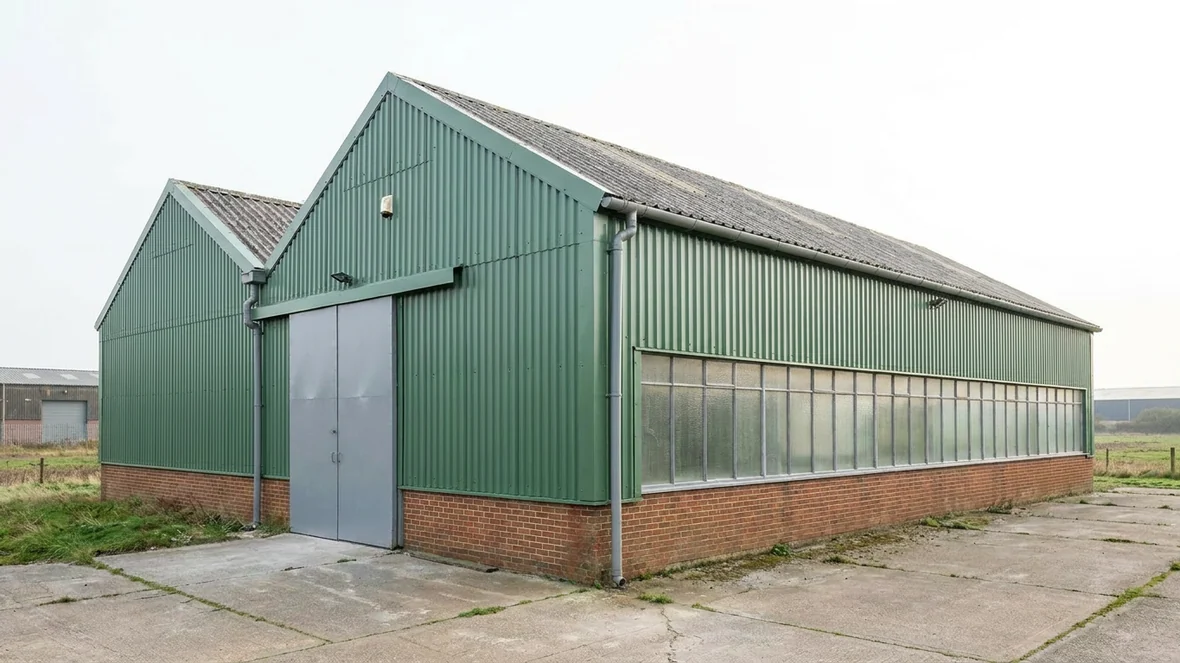
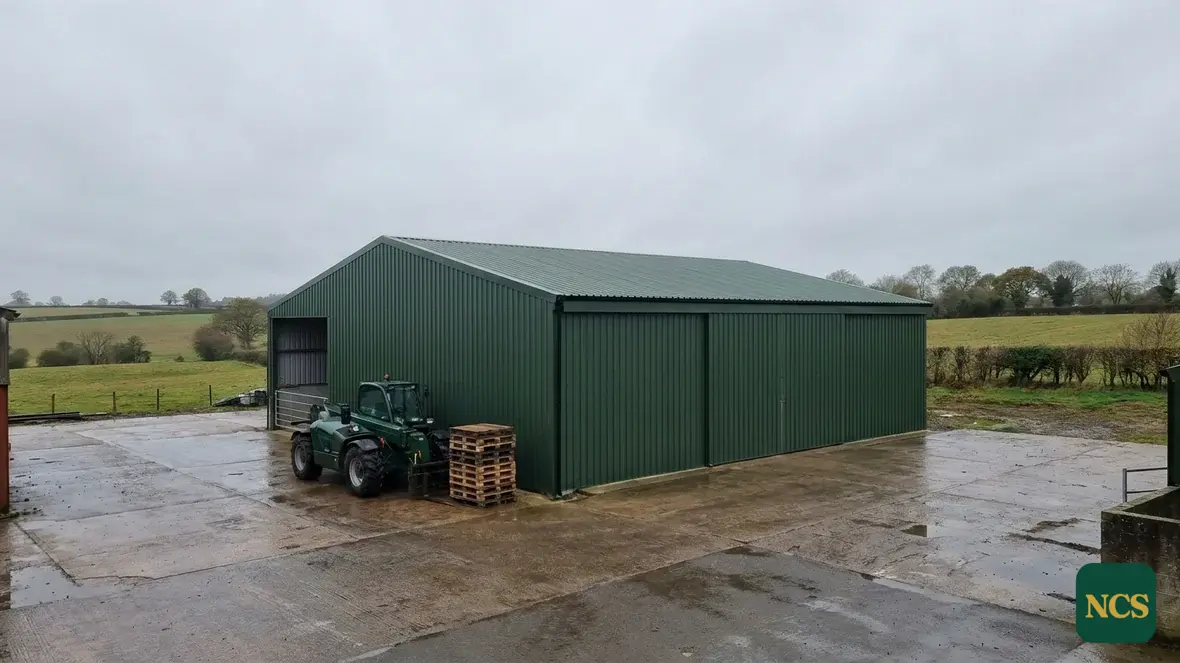
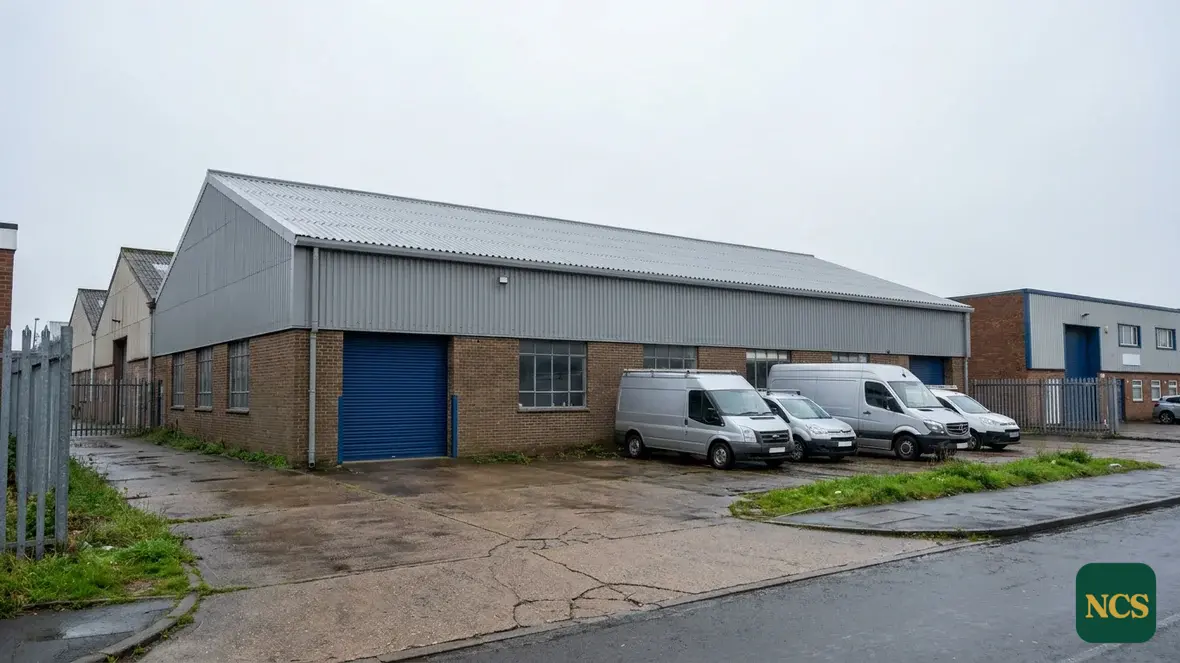
These are our own photographs from jobs of the same type. They are not stock images, and none of them is dressed up as something it is not. The caption tells you where each one was taken. We apply the same meticulous approach to asbestos roof encapsulation jobs in Ipswich.
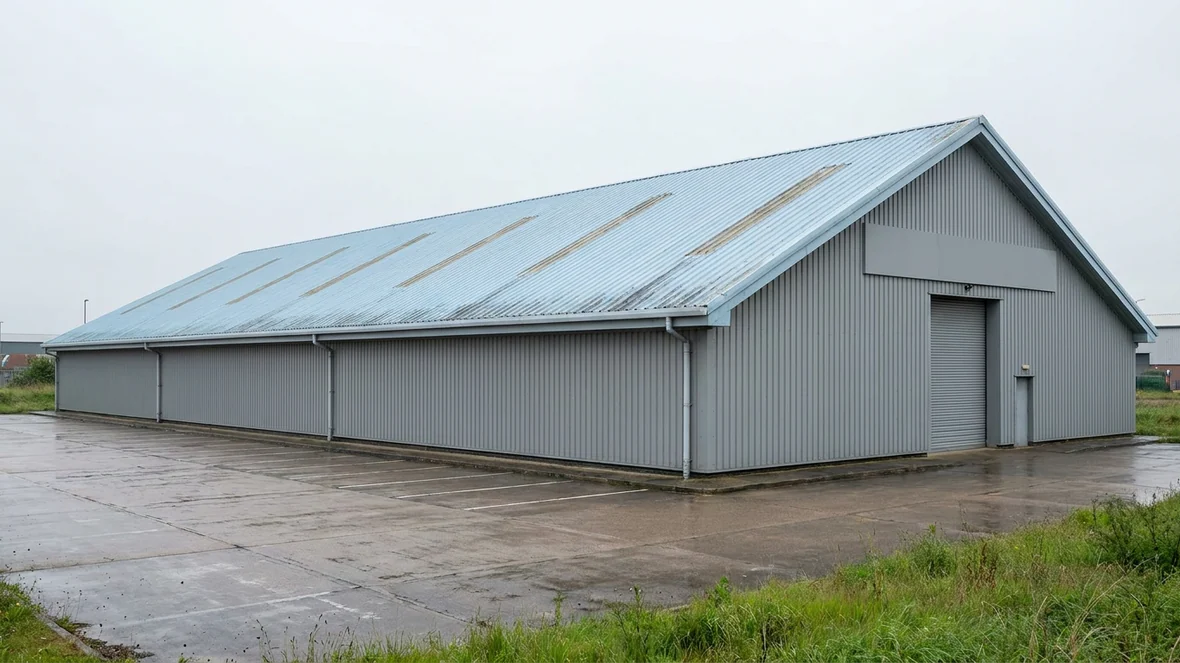
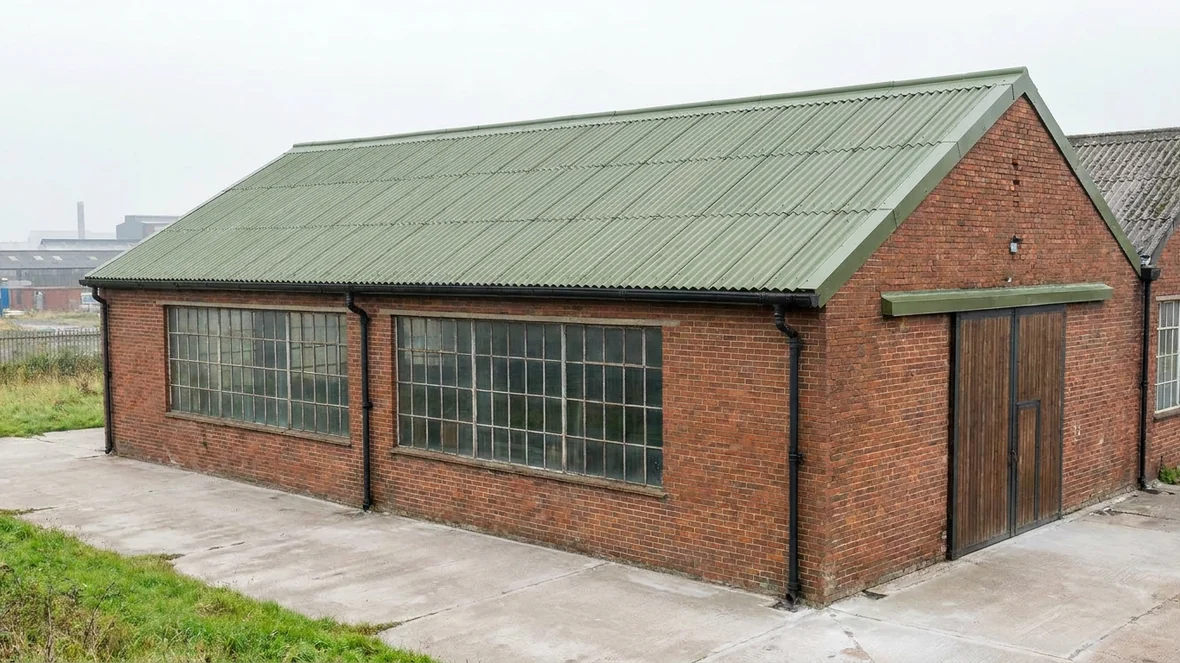
Why sealing sound asbestos sheets beats stripping them
Asbestos cement that’s in decent nick barely releases any fibre. It’s the weathering and disturbance that create the problem. And removal? That’s a major disturbance in itself. You’re looking at controlled stripping, wrapping, transport and disposal as hazardous waste. Then there’s the full whack of a replacement roof, often with the building out of action. Encapsulation avoids all that. The sheets stay put, we seal the eroded surface under a purpose-made coating, lock down any fibre release and make the roof weathertight again. For a building with years of working life ahead, it’s usually the proportionate choice, and a key part of planned maintenance.
The process of carrying out the work
Everything starts with the principle of not disturbing the sheets. Cleaning is controlled and non-abrasive. We treat moss and lichen, we don’t tear them off. We make good minor cracks, laps and fixings, and we identify and manage fragile roof lights. Then we apply the encapsulant system across the roof to specification. We work from the outside, so most occupiers can keep trading underneath. Done properly, you end up with a sealed, maintainable surface and a set re-inspection interval, not a roof that’s quietly getting worse every winter, helping you stay ahead of repair needs.
The standards behind our asbestos roof encapsulation in Ipswich
We work to established industry standards, ensuring the job is done correctly and safely, whether it’s on a building just off the A12 or near the A14. Our survey-led approach means we specify the right system for the condition of your roof, rather than guessing. We understand the specific challenges that weathering and age present to commercial and industrial roofs across Suffolk. Our commitment is to provide a durable, effective coating that extends the life of your existing structure, backed by transparent reporting and adherence to HSE guidelines. We won’t cut corners, because that only leads to bigger problems for you later.
What documentation you receive
Because encapsulation is part of a legal management duty, documentation is part of the job:
- A written condition survey with photographs
- A clear suitability verdict: encapsulate, or remove
- The specification for preparation, repairs and the coating system
- A record of the completed work for your asbestos register
- A recommended re-inspection interval for your management plan
We’re based in the South-East, and we carry out asbestos roof encapsulation right across the UK. Ipswich and the wider Suffolk area are definitely inside our usual working range.
Managing asbestos cement in place rather than removing it is a recognised, lawful route when the sheets are sound. See our asbestos roof encapsulation service for how we approach it across the UK. Our teams plan every job around the HSE’s asbestos guidance, and we hold CHAS accreditation so the health and safety paperwork a facilities manager or site engineer asks for is ready before the first van arrives. You can also request a quote for your Ipswich roof.
Common questions about asbestos roof encapsulation Ipswich
Can an asbestos cement roof be coated safely?
Yes, provided the roof is suitable and the work is properly controlled. We begin with a survey of the sheets, fixings, laps, rooflights, gutters and supporting structure. The preparation method must minimise disturbance of the asbestos cement and prevent contaminated water or debris from spreading beyond the work area.
Encapsulation seals the weathered surface beneath a protective coating system. It does not remove the asbestos, so the roof must remain recorded and managed as an asbestos-containing material.
How do I know whether my asbestos roof is suitable for encapsulation?
Suitability depends on condition rather than age alone. We look for cracked or badly eroded sheets, failed fixings, movement at laps, persistent leaks, deflection and corrosion in the supporting structure. We also consider safe access, drainage and the intended future use of the building.
Minor local defects may be repairable before coating. Where deterioration is widespread or the roof no longer provides a sound base, we will not present encapsulation as a substitute for replacement.
Will encapsulation stop an asbestos roof from leaking?
It can address water ingress associated with porous sheets, vulnerable laps and certain local defects, but only after the source has been identified. Not every leak originates in the asbestos cement. Rooflights, flashings, gutters, fixings and adjoining elevations can all allow water into a building.
We therefore investigate the roof before specifying treatment. Applying coating without resolving failed details may conceal a problem rather than correct it.
Can a business remain open during asbestos roof encapsulation?
Often it can, although this depends on the building layout, access arrangements and the activities taking place below the roof. We plan work areas, exclusion zones, vehicle movements and controls for debris or cleaning water around the needs of the occupied premises.
Some operations may need to be moved or paused while particular areas are treated. A site-specific plan is more reliable than assuming the entire project can proceed without disruption.
Do I need an asbestos survey before coating the roof?
The asbestos-containing material must be identified and its condition understood before work begins. Existing survey information may be useful, but it must be sufficiently current and detailed for the proposed work. If the records are incomplete or the roof contains different sheet types, further investigation may be required.
For asbestos roof encapsulation in Ipswich, we also assess aspects outside the asbestos survey itself, including structural condition, access, drainage and the compatibility of any previous coatings.
Asbestos roof coating or replacement: which is the better option?
Coating and replacement solve different problems. Encapsulation retains the existing asbestos cement sheets and protects their surface. Replacement removes the sheets and installs a new roof covering. The correct choice depends on condition, building plans and the performance required from the roof.
When coating is the stronger option
Coating can be appropriate where the sheets remain broadly sound, the supporting structure is serviceable and defects can be repaired without extensive disturbance. It avoids removing the whole roof and can reduce disruption inside an occupied industrial or commercial building.
It may also be a proportionate choice where the principal concerns are surface weathering, localised water ingress and the need to manage the existing asbestos cement in place. However, coating does not strengthen a failing structure, remove asbestos from the property or correct major roof deformation.
When replacement wins
Replacement is the better option when sheets are extensively cracked, soft, badly eroded or no longer capable of supporting a coating system. It also wins where fixings and laps have failed across large areas, the supporting structure requires substantial work, or repeated repairs have not controlled water ingress.
Replacement may also be preferable where the owner intends to redevelop the building, alter the roof layout, improve thermal performance significantly or remove asbestos as part of a longer-term property strategy. In these circumstances, coating can merely postpone work that is already foreseeable.
How we compare the options
We assess the roof as a complete assembly rather than judging the visible sheet surface alone. Our comparison considers the asbestos cement, structural support, rooflights, flashings, drainage, internal use and the owner’s plans for the building.
Encapsulation is not automatically the economical or practical answer, and replacement is not automatically necessary because asbestos is present. A sound recommendation should state what each option will achieve, what it will leave unresolved and why it suits the expected life and use of the property.