Industrial roof coatings in Chichester: survey first, always
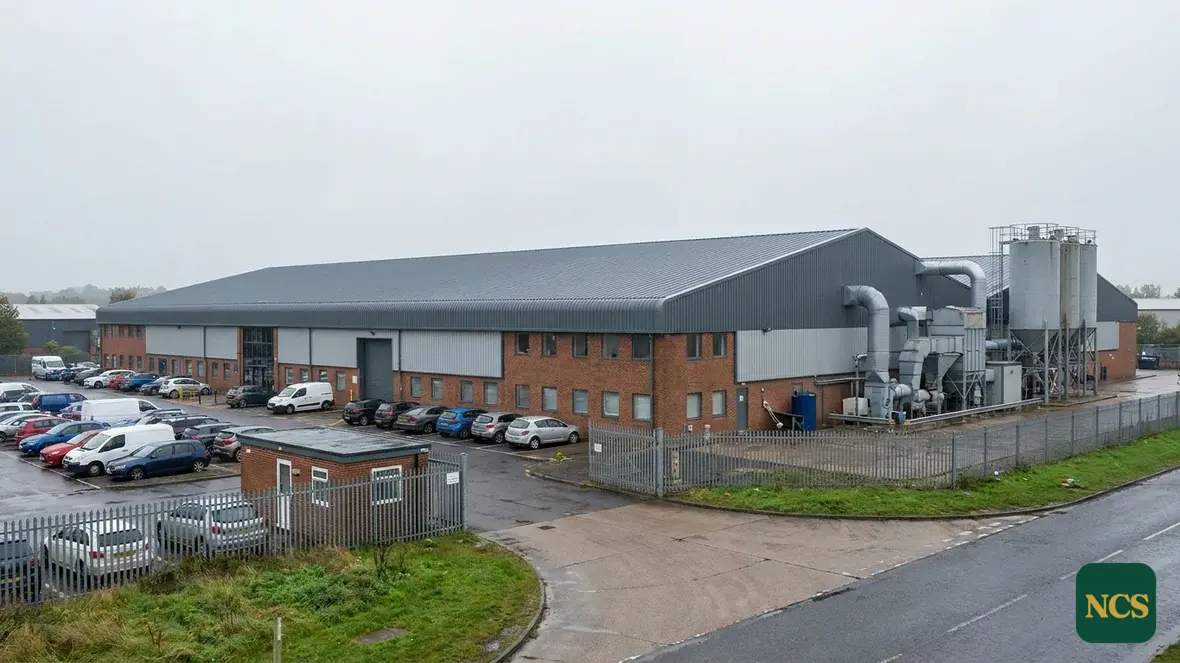
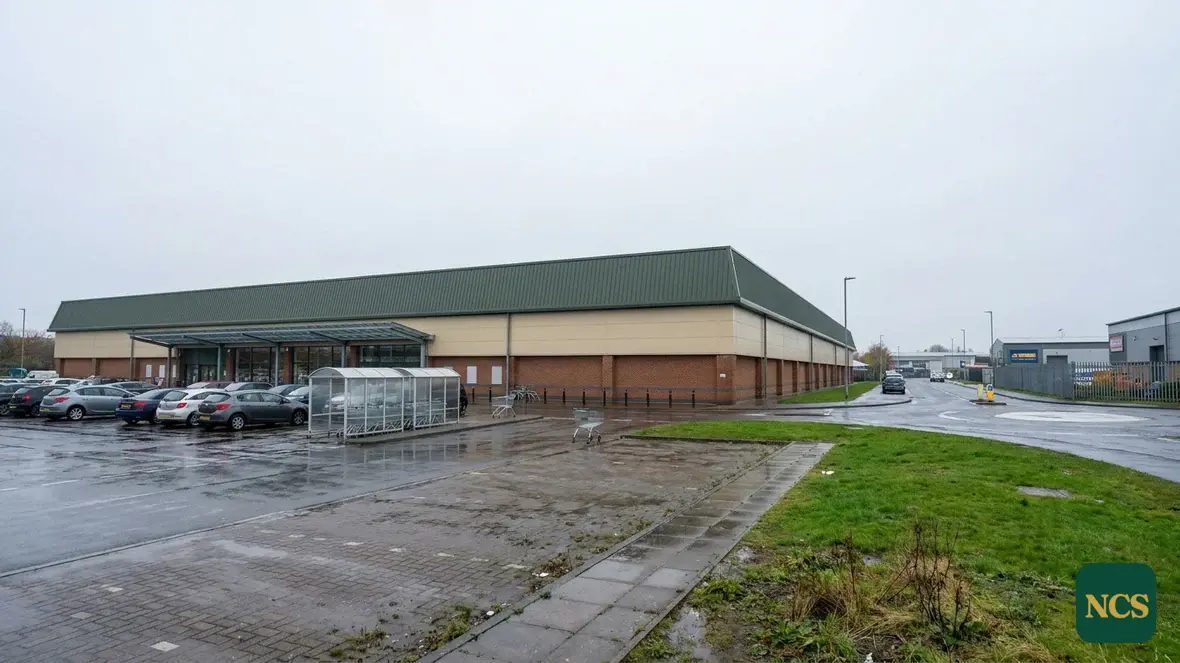
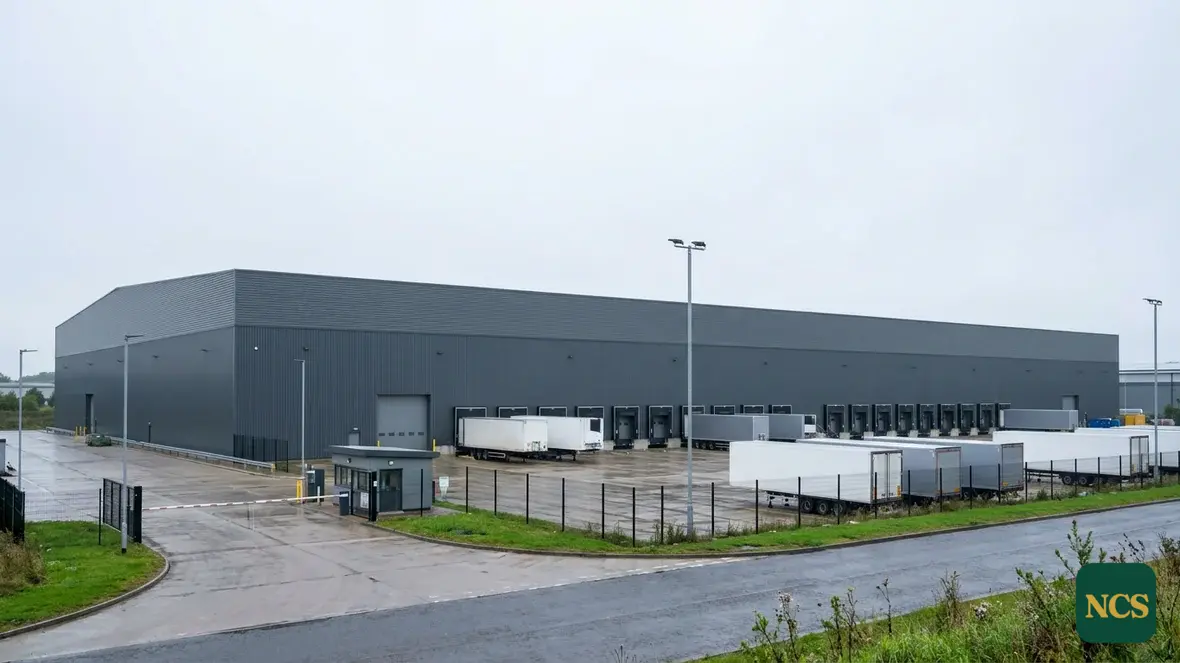
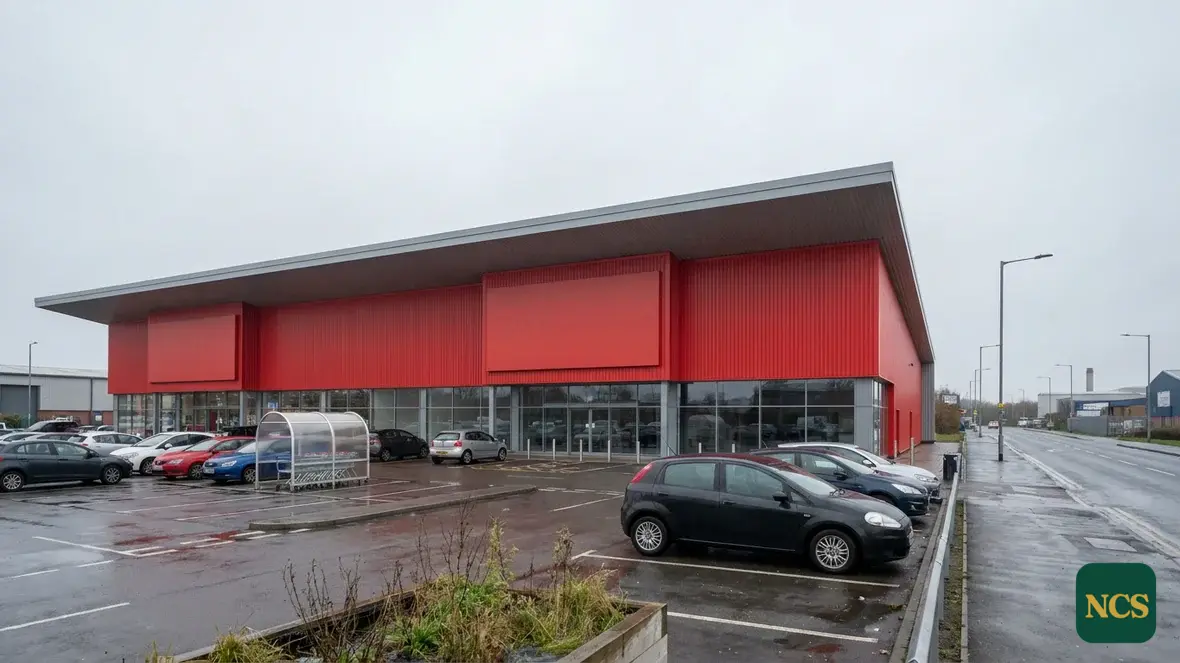
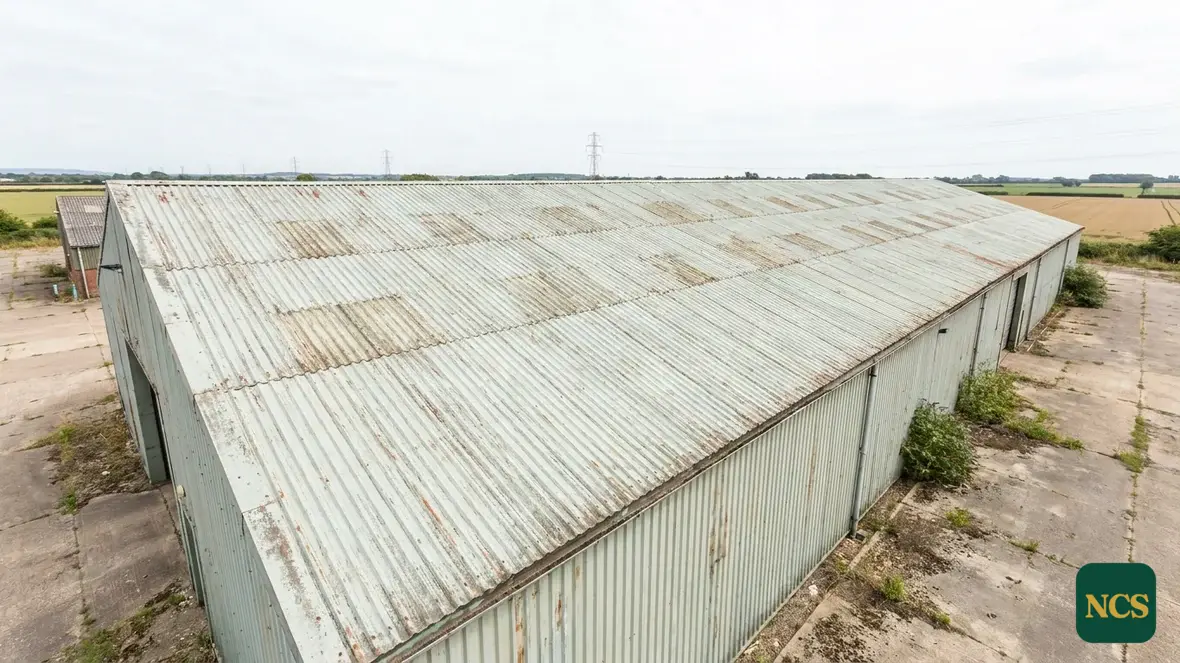
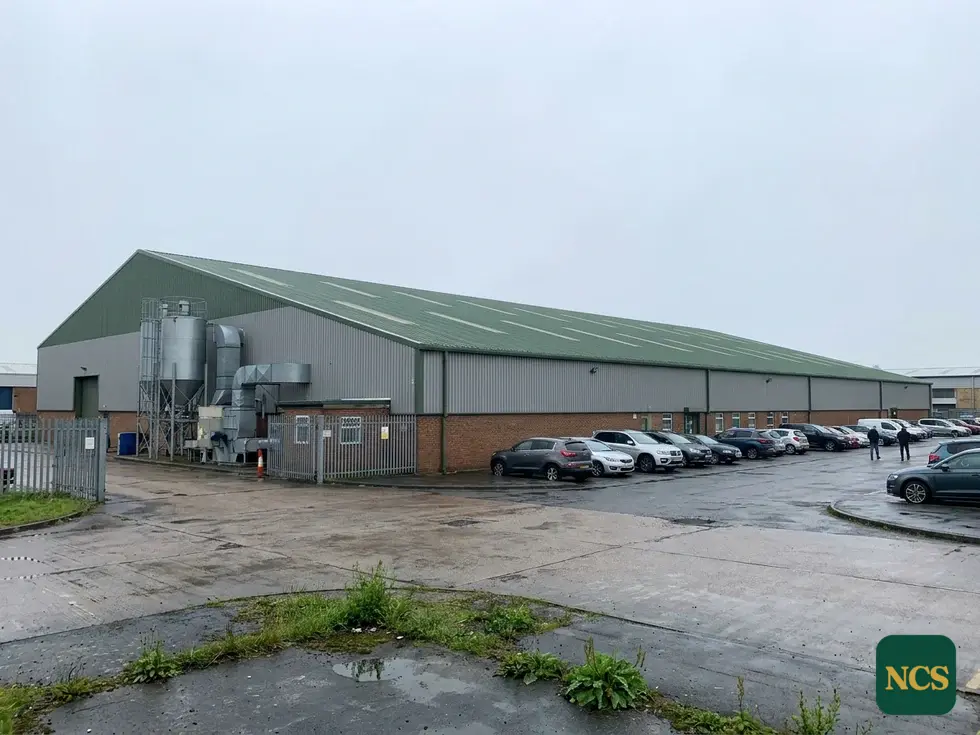
Chichester’s industrial stock is concentrated on the trading estates and business parks around the city fringe: light industrial units, workshops, storage buildings and distribution space, much of it roofed in profiled metal that has been in service for twenty years or more. National Coating Specialists provides industrial roof coatings across Chichester and the wider West Sussex area, and every project begins with a physical survey of the roof itself. We do not price from satellite imagery, because the condition of the sheets, the laps, the fixings and the cut edges decides whether a coating is the right answer at all.
For facilities and estates teams the appeal of coating over replacement is straightforward. A sound roof can be protected and its working life extended without stripping the building back to its frame, and without the cost and downtime that re-sheeting brings. The qualifier is the word sound, and that is what the survey establishes.
Coastal air and what it does to profiled metal
Chichester sits within reach of the harbour and the open coast, and salt-laden air is harder on exterior metalwork than an inland climate. The factory-applied finish on profiled steel sheets weathers gradually: the surface chalks, the colour fades, and eventually the coating thins to the point where moisture reaches the substrate. Once that happens, corrosion stops creeping and starts accelerating. A roof that looked merely tired at the last inspection can show rust staining and edge delamination within a couple of seasons.
An industrial roof coating intervenes before that stage. Applied to a prepared, sound substrate, the system restores a continuous weatherproof layer across the whole roof area, seals laps and fixings, and stops slow cosmetic decline from turning into sheet failure.
Cut-edge corrosion: the fault we find most often
On almost every profiled metal roof we survey, deterioration shows first at the cut edges: the exposed ends of the sheets at eaves, laps and verges, where the steel core has no factory coating to protect it. Moisture wicks into the overlap, rust forms along the edge, and over time it tracks back beneath the finish and lifts it. Left alone, cut-edge corrosion is what turns a coating project into a re-sheeting project.
Caught early, it is very treatable. Affected edges are mechanically prepared, treated and sealed with a dedicated cut-edge system before the main roof coating goes on. It is detailed, unglamorous work, and it is the part of the job that decides how long the rest of the system lasts.
Working around a live site
Most of the buildings we coat in Chichester are occupied and trading, and coating suits that reality because the work happens on the outside of the building. There is no strip-off, no exposed deck overnight, and no need to clear racking or move production. We plan the practical details with your site team before anyone arrives:
- Access scheduled around deliveries, shift patterns and yard movements
- No hot works in standard coating application
- Occupiers and site managers given clear notice of each phase
- Work sequenced area by area so the roof stays watertight throughout
- A clean, operational site at the end of every working day
When coating is not the right answer
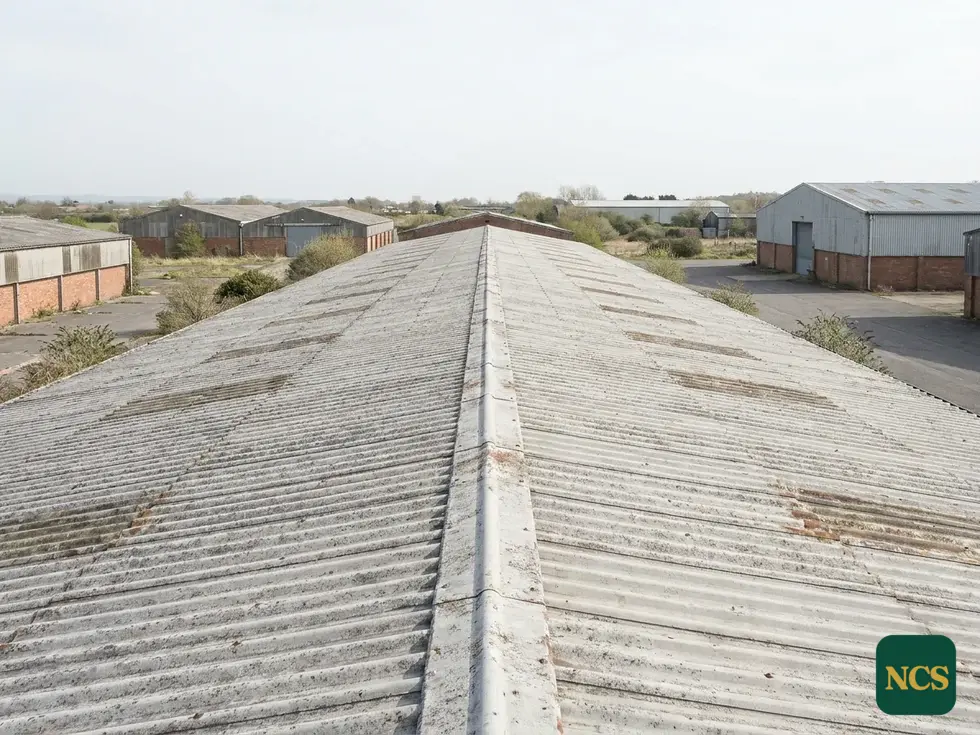
We will not coat a roof that should be replaced. If the survey finds widespread perforation, corrosion that has weakened the sheets or their fixings across large areas, or saturated insulation within a built-up system, a coating would only hide the problem and waste your budget. The same applies where persistent ponding is caused by structural deflection: no coating corrects a roof that no longer falls the way it should.
In those cases we say so plainly and put it in writing, so you can take an honest condition report into your maintenance planning, whichever contractor ends up doing the work. Where the roof is sound, or sound enough once the cut edges and isolated defects are dealt with, coating is usually the most economical way to keep an industrial building in Chichester dry for years to come. The survey tells you which side of that line your roof sits on.