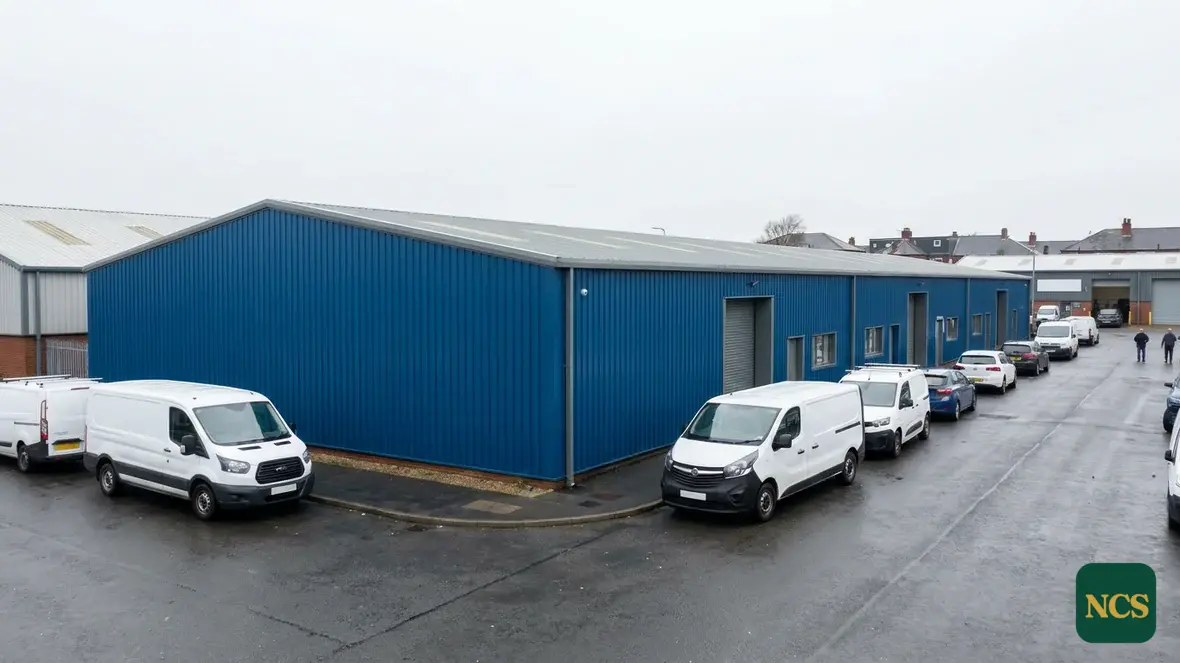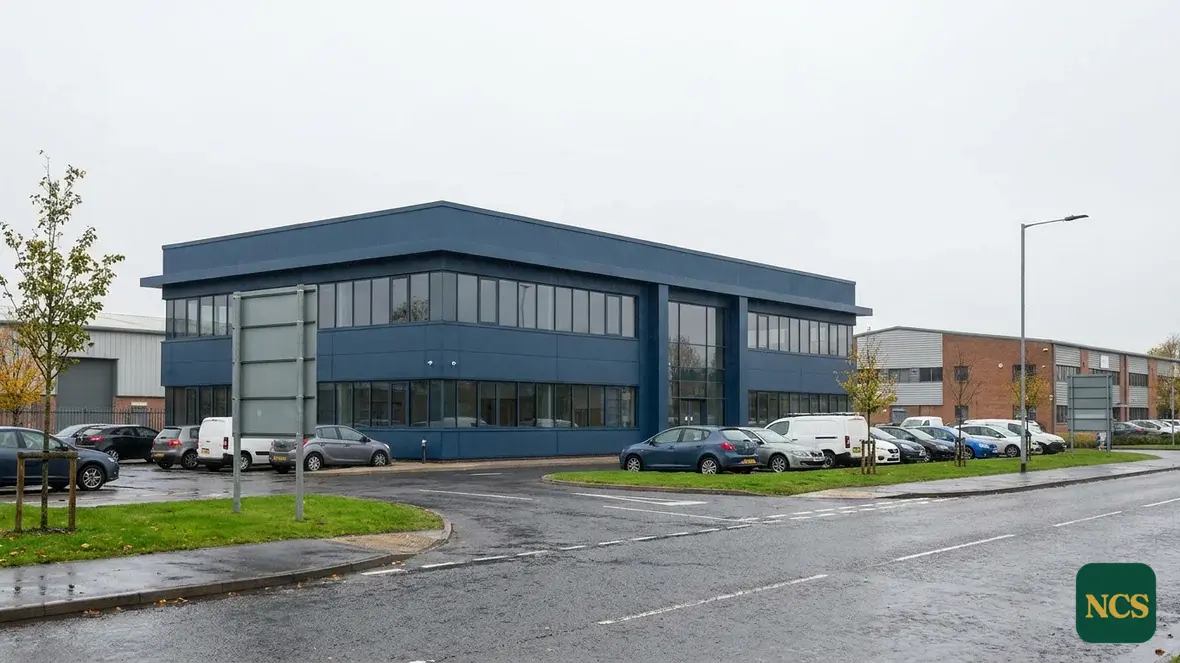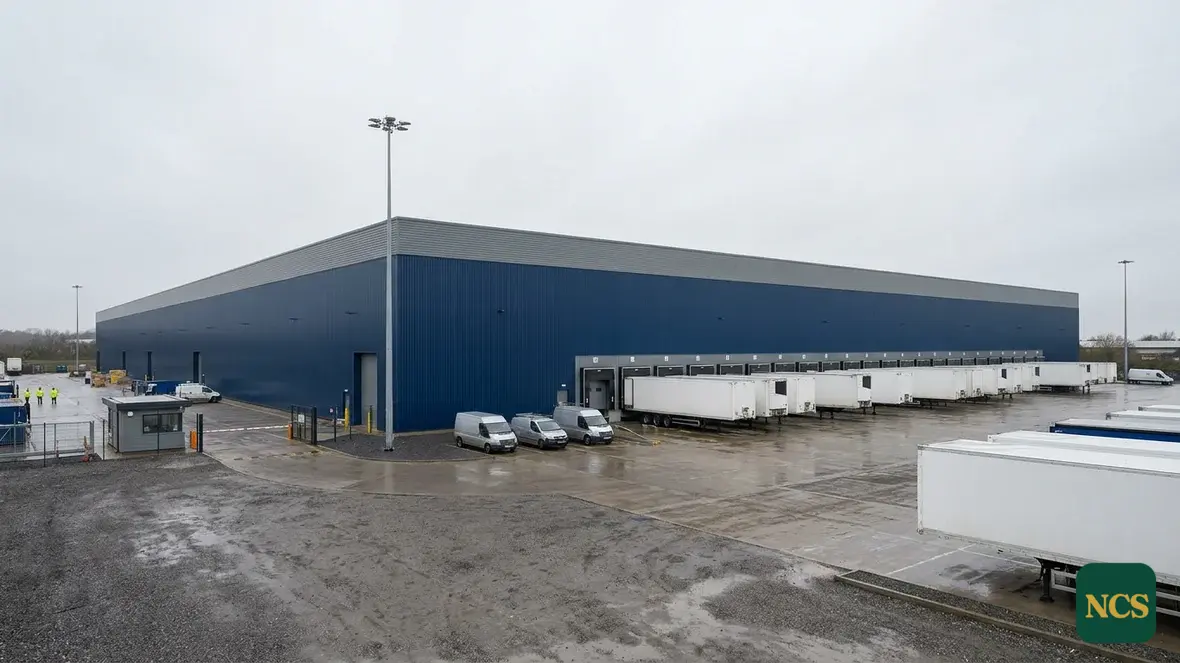
The salt air sets the agenda here. Chichester sits on the West Sussex coastal plain, between the harbour and the Downs, and we see coated steel weather noticeably faster here than the same sheet would inland. Cladding spraying in Chichester is therefore as much about weatherproofing and corrosion protection as appearance. We need to renew that barrier between the steel and the salt before rust gets a foothold and water can creep in, and we can restore the colour at the same time.
We’re National Coating Specialists. We lead with a survey, and Chichester sits close enough to our South East base that we can make that first inspection easy to arrange for you.
How we assess your Chichester building
The survey comes first: adhesion testing of the existing finish, corrosion mapping at cut edges, laps and fixings, and a check of gutters, sealants and flashings. You receive the findings as a plain written report with a clear recommendation. We do this before we commit to anything else. If coating is the right answer, preparation follows: washing, corrosion treatment, priming and masking, before we spray the finish in even coats and inspect it with you at the end. Timing the work for drier, calmer spells matters near the coast, and we build our programme around that reality.
We combine surveys here easily with Bognor Regis, Havant, Portsmouth and Worthing, covering the coastal strip in a single trip. We also work much further afield across the UK when portfolios demand it.
When we advise against spraying for your building
Not every coastal building should be coated. Where salt has already done its worst, with finishes delaminating wholesale, panels perforated by rust, sheets loose or hiding active leaks, our honest recommendation is repair or replacement, and that is what our report will say. Nor can any coating change a panel system’s fire performance. That question belongs with a fire specialist.
This is why survey-led matters. A contractor whose process starts with inspection has nothing to gain from coating a doomed elevation, so the recommendation follows the evidence. If you have a clad building in Chichester or anywhere in West Sussex, the survey is the place to start. It takes little time, commits you to nothing, and tells you exactly what the salt has and has not done to your building.
Repainting profiled cladding around Chichester by brush rarely lasts. A sprayed system applied to prepared panels is what brings the factory finish back.
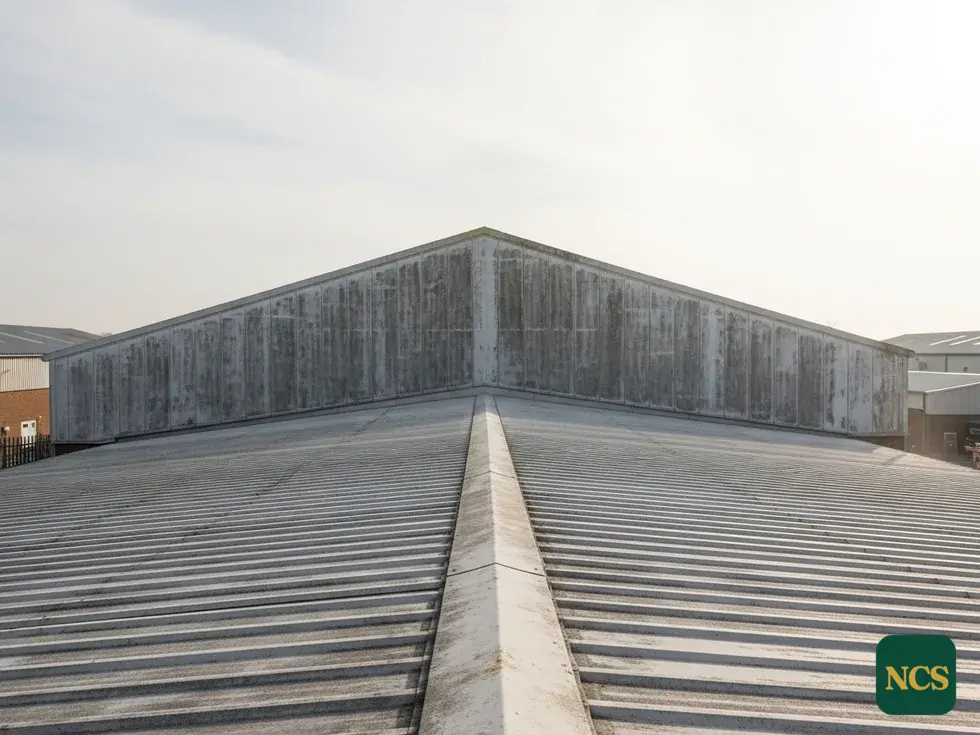
The impact of coastal conditions on cladding
Buildings near the West Sussex coast wear in a recognisable pattern. Our survey is structured to find every bit of it, particularly on elevations taking the prevailing weather:
- Cut edge corrosion accelerating where salt settles on sheet ends and laps, allowing water ingress.
- Fade and chalking on south-facing elevations under strong coastal UV.
- Fixings and flashings corroding ahead of the panels around them.
- Gutter lines collecting salt-laden debris that holds moisture against the steel.
- Fascias, shutters and doors dulling and streaking ahead of the main walls.
Catch all this early and it’s treatable as part of a spray refurbishment. Leave it for years and it moves from cosmetic to structural, which is why timing matters more on the coast than almost anywhere else, especially for keeping water out.
Cladding spraying in Chichester for protection
The salt air sets the agenda here. Chichester sits on the West Sussex coastal plain, between the harbour and the Downs, and we see coated steel weather noticeably faster here than the same sheet would inland. Cladding spraying in Chichester is therefore as much about protection as appearance. We need to renew that barrier between the steel and the salt before corrosion gets a foothold, and we can restore the colour at the same time.
We’re National Coating Specialists. We lead with a survey, and Chichester sits close enough to our South East base that we can make that first inspection easy to arrange for you.
Types of buildings we work on near Chichester
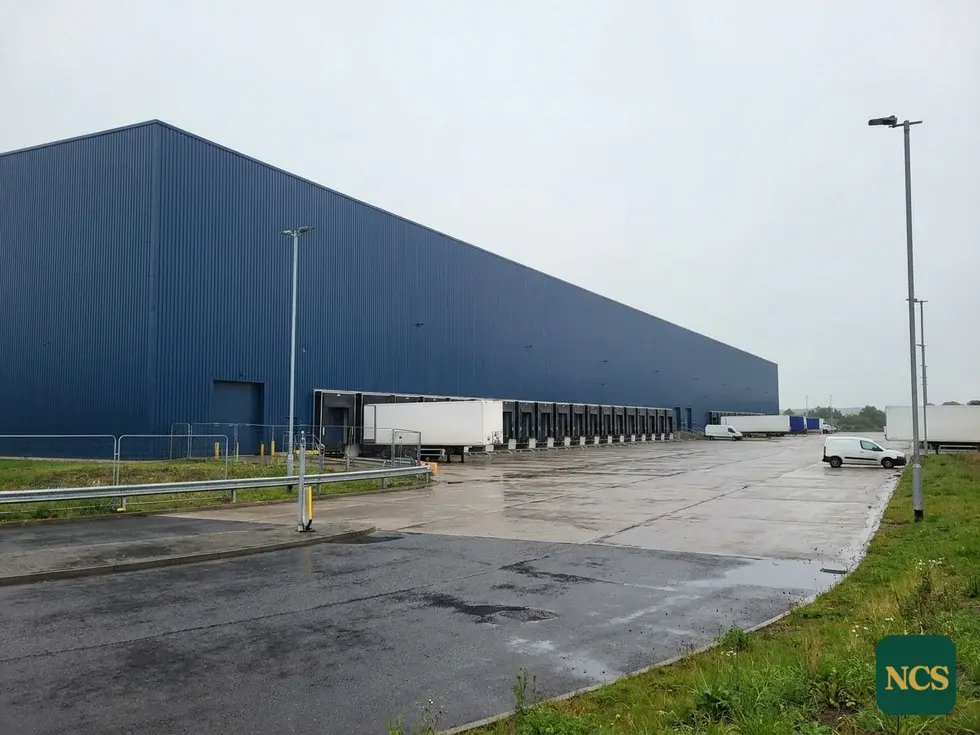
Around the city, the work tends to mean business park units and offices on the edge of Chichester, trade counters and retail sheds, and the horticultural and agricultural buildings, packhouses and stores the coastal plain is known for. Construction is the familiar mix: profiled steel, composite panel, curtain walling, and the ancillary metalwork, fascias, shutters, doors and flashings, that we can coat to match the main elevations. Where a building is sound, spraying renews the lot in one visit, with a full colour change available if your branding or the planning context calls for it.
Chichester also cares about appearance in a way not every city does. Conservation sensibilities reach well beyond the centre, and a clad building refurbished in a considered colour sits far more comfortably in this landscape than one left to fade. Spraying offers that control without structural work.