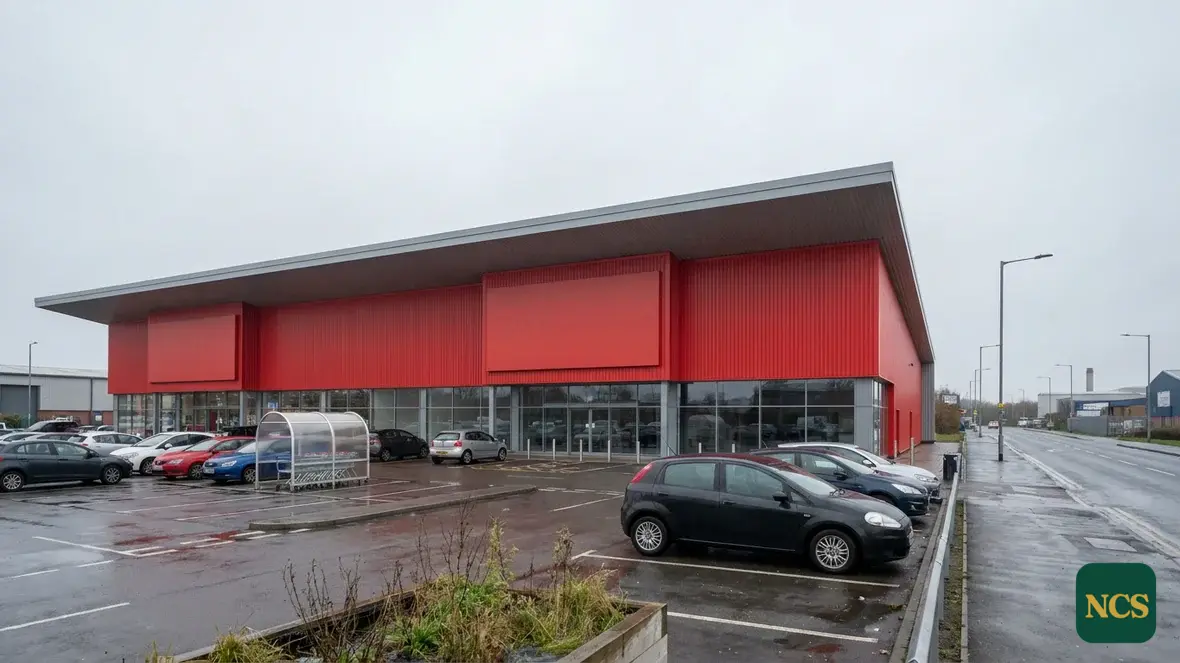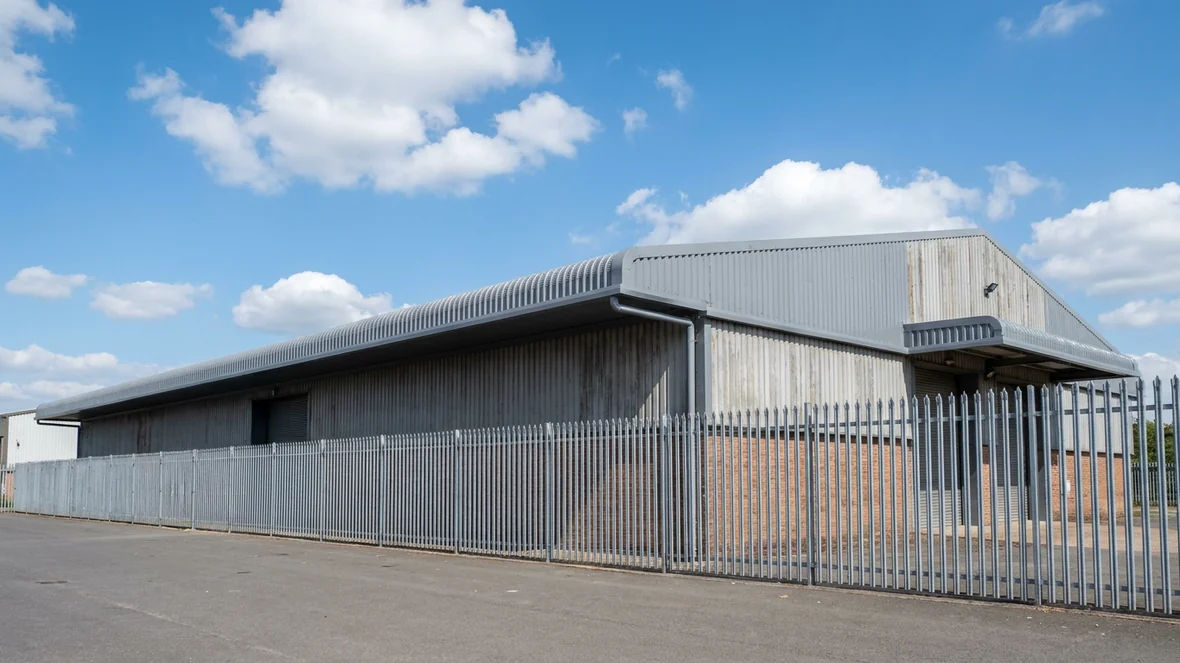
That rust line along the gutter edge has a name
Stand in the yard of most industrial units around Chichester and look up at the roof edge. If you can see a brown stain running along the bottom of the sheets, or coating starting to lift at the overlaps, you are looking at cut edge corrosion. Profiled steel roof sheets are cut to length when they are made, and that cut slices straight through the protective layers, leaving bare steel exposed at every sheet end and side lap.
The factory coating, usually plastisol, protects the face of the sheet for decades. It cannot protect an edge it does not cover. Moisture finds the bare steel, rust forms, and the corrosion begins working its way back underneath the coating, lifting it from the metal as it goes.
Why it spreads faster on the coastal plain
Chichester sits close to the harbour and the open coast, and salt-laden air is one of the most reliable accelerants of edge corrosion on profiled metal roofs. Salt deposits hold moisture against the steel and speed up the reaction that drives rust. Agricultural sheds on the coastal plain and units on the trading estates around the city often show edge corrosion earlier than identical buildings further inland.
The defect also feeds itself. Once the coating starts to peel back, more bare steel is exposed, the peeled lip traps water, and the corrosion front moves up the sheet. Overlaps are worst of all, because capillary action draws water deep into the joint where it cannot dry out.
Treat it early and the numbers work in your favour
Caught early, cut edge corrosion is a localised repair. The affected edges are mechanically cleaned back to sound metal, treated, primed and sealed with a flexible coating system designed for sheet ends and laps. The rest of the roof stays in service and the building stays open throughout.
Left alone, the same defect ends in perforation. Once a sheet has rusted through, no coating can recover it, and you are into sheet replacement: access equipment, stripping, new sheets, and disruption inside the building while it happens. The gap in cost and disruption between an edge treatment and a re-sheet is the whole argument for acting while the rust is still shallow.
Signs worth checking on your own roof
- Brown staining along the eaves, visible from ground level
- Coating peeling or curling back at sheet overlaps
- Rust halos around fixings near the sheet ends
- Damp marks or drips inside the building below the laps
- Gutters collecting rust flakes or coating fragments
None of these confirms the full extent on its own. The reliable answer comes from getting onto the roof, checking the worst laps where it is safe to do so, and establishing how far the corrosion has travelled under the coating.
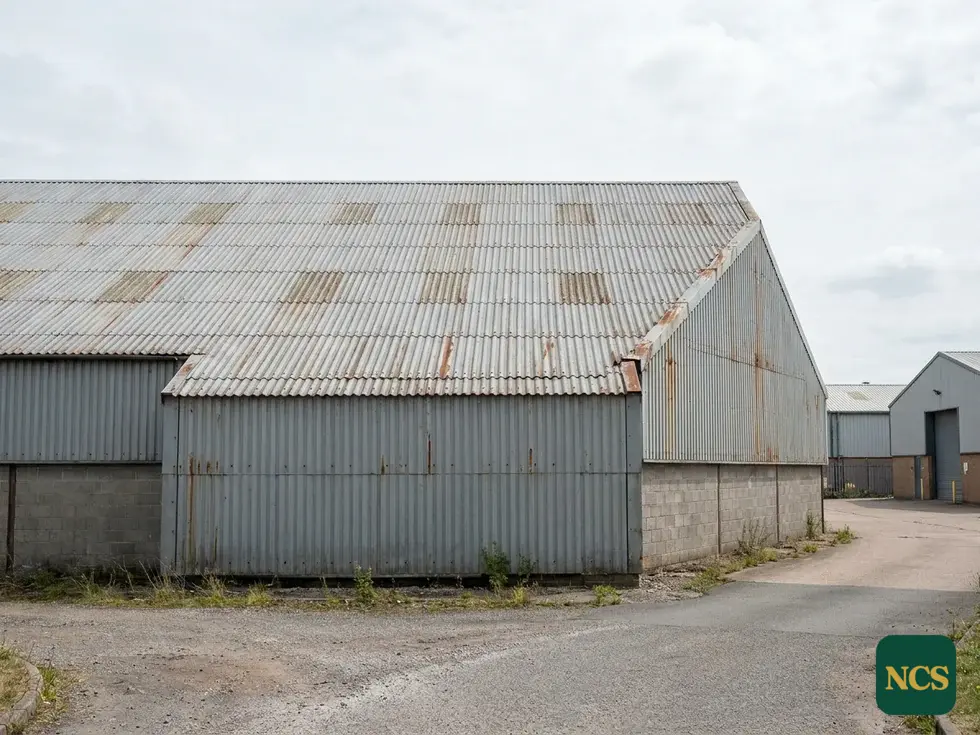
Our honest position: some sheets are past saving
We survey before we quote, and sometimes the survey says the wrong thing for us and the right thing for you. If sheets are perforated, if corrosion has travelled a long way up under the coating, or if the underside of the sheet is rusting where no treatment can reach, we will say so. Coating over a failed sheet wastes your money and fails quickly. In those cases the honest options are replacing the worst sheets and treating the rest, or an overlay or re-sheet if the roof as a whole is finished.
Where the edges are failing but the sheet faces are also chalking and fading, it often makes more sense to deal with the cut edges as part of a full roof coating, so the whole surface is protected in one visit rather than piecemeal. We are South-East based, work across England, and every recommendation for a roof in Chichester starts with photographs and findings from the survey, not a standard answer off a list.