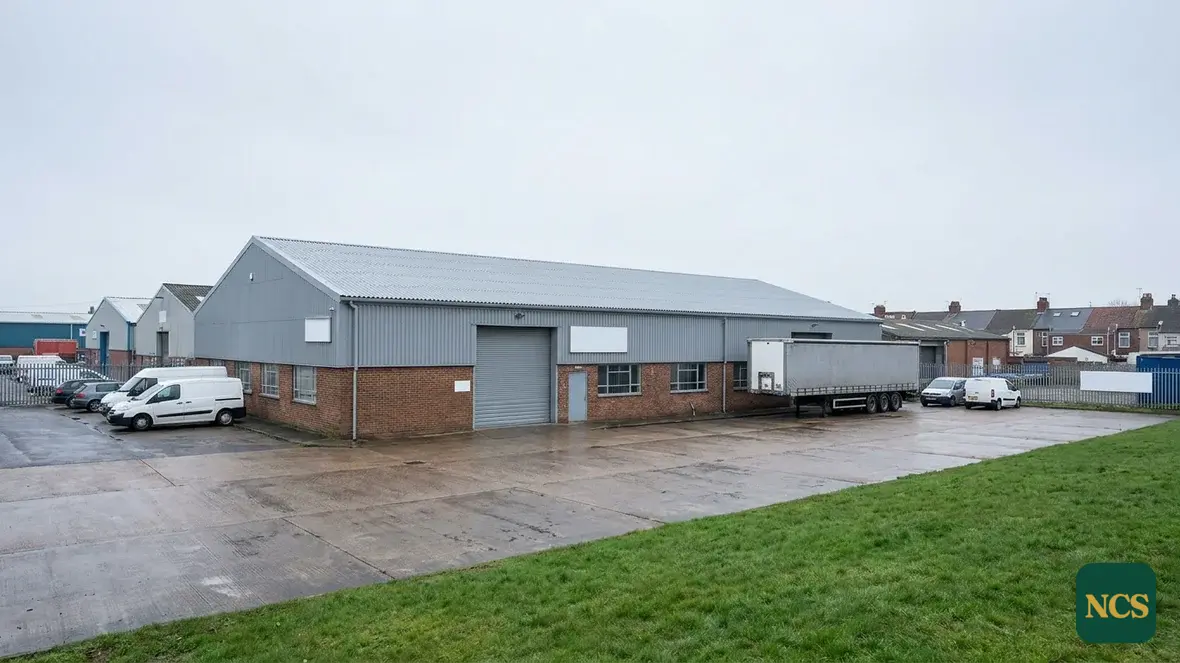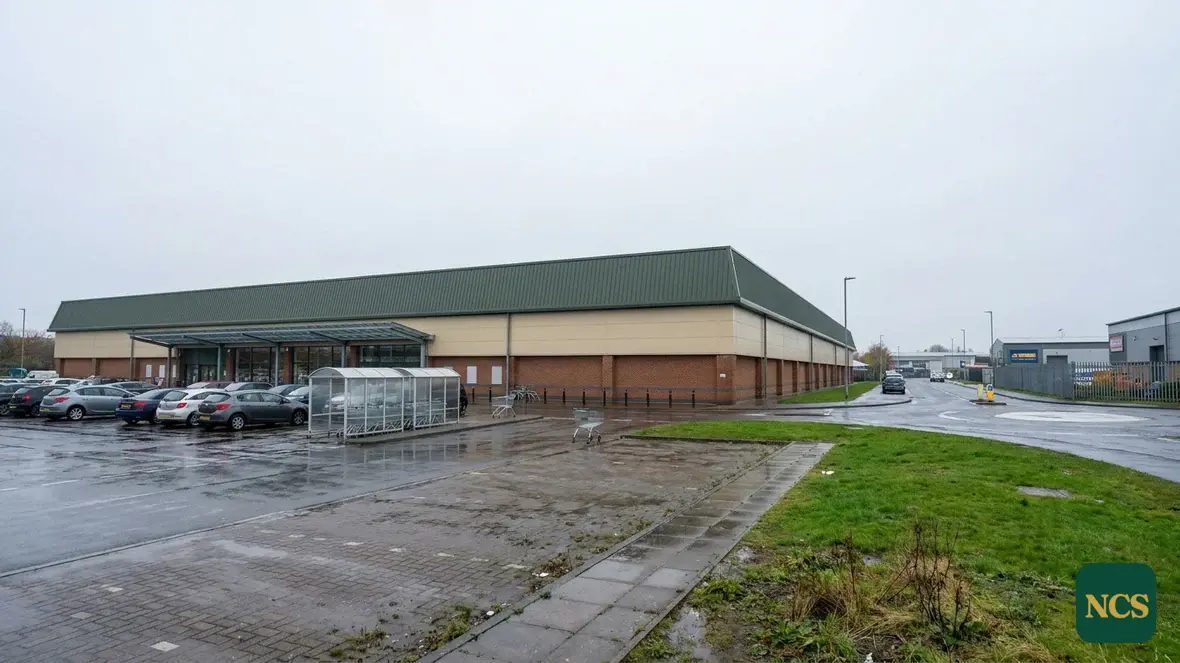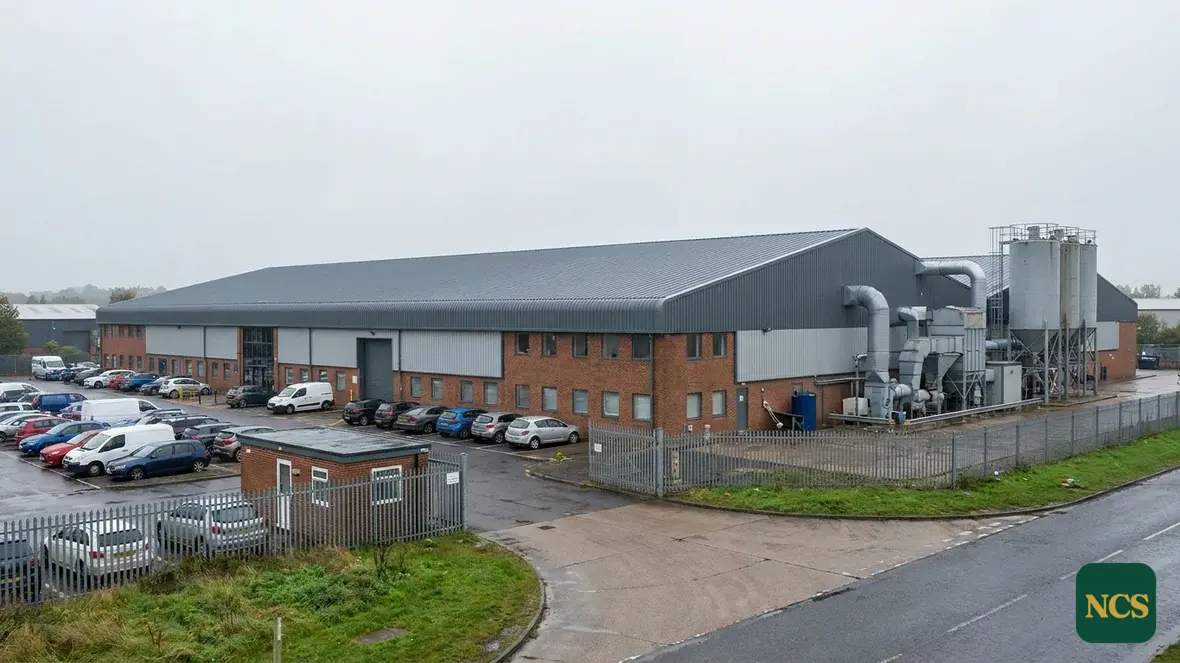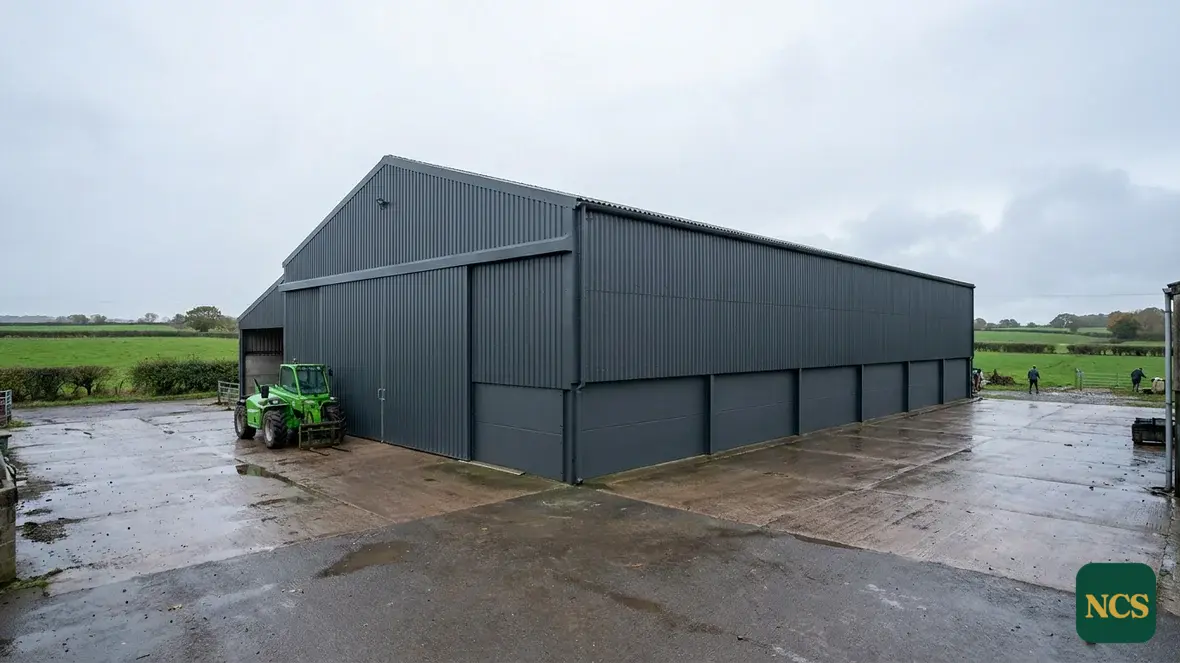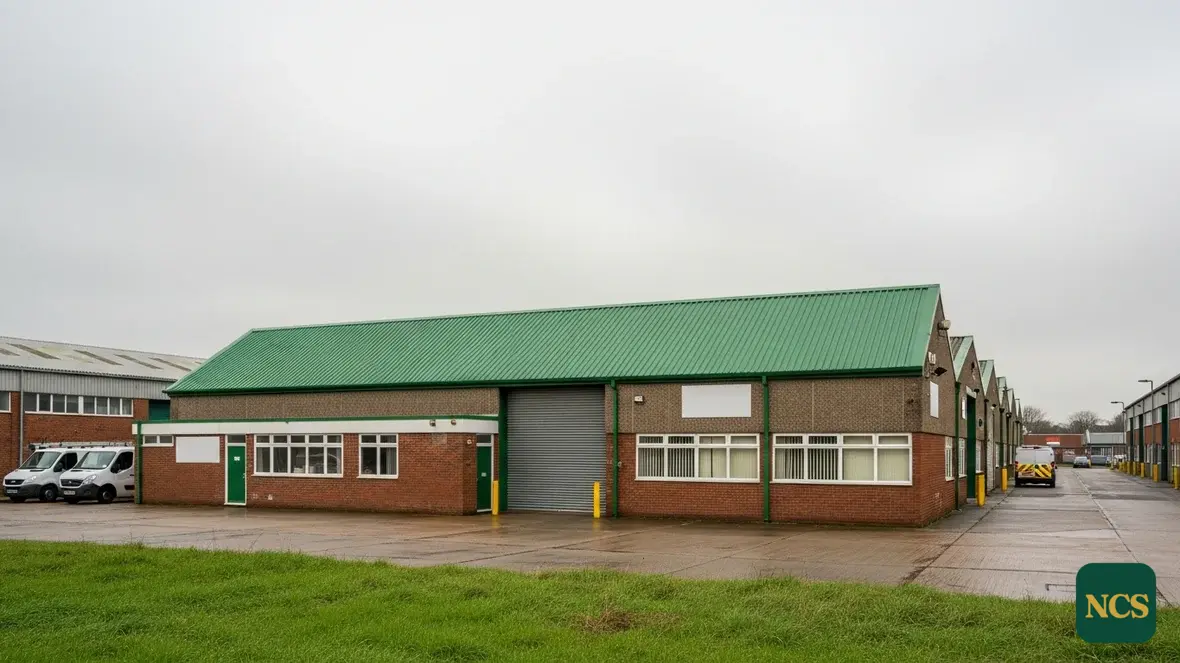
Corrugated asbestos cement roofing is still a common sight on working buildings across the West Sussex coastal plain. If you own or manage a non-domestic building in Chichester with one of these roofs, the law places specific obligations on you, and sooner or later you face a decision: keep managing the roof in place, or pay to strip it out. For sheets that are still sound, encapsulation is usually the more sensible answer.
What the Control of Asbestos Regulations ask of you
Regulation 4 of the Control of Asbestos Regulations 2012 places a duty to manage asbestos on whoever controls a non-domestic building. You must identify asbestos-containing materials, assess their condition, keep a written record, and manage the risk. For buildings put up between the 1950s and the early 1980s, the roof is often the largest asbestos-containing element on the whole site. Around Chichester that typically means workshop and storage units on trading estates, packing sheds and barns on the surrounding farmland, and garage blocks behind older commercial premises.
Crucially, the duty does not force removal. It requires you to keep the material in a safe condition and to have a plan for doing so. Where the sheets are structurally sound, a properly applied encapsulation system is a recognised way of meeting that obligation, at a significantly lower cost than stripping and replacing the roof, and with far less disruption to whatever happens underneath it.
How encapsulation actually works
Asbestos cement releases fibres as the surface weathers, cracks or is disturbed. Encapsulation locks the surface down. The roof is cleaned using controlled methods, never dry abrasion, damaged fixings and flashings are made good, minor repairs are carried out, and the whole surface is then sealed with a flexible coating designed for asbestos cement substrates.
The result is a watertight, weatherproof finish that stops the slow erosion of the cement matrix, keeps fibres bound into the sheet, and extends the serviceable life of the roof by many years. The building stays in use throughout, and no asbestos waste leaves the site.
Signs your roof may be a candidate
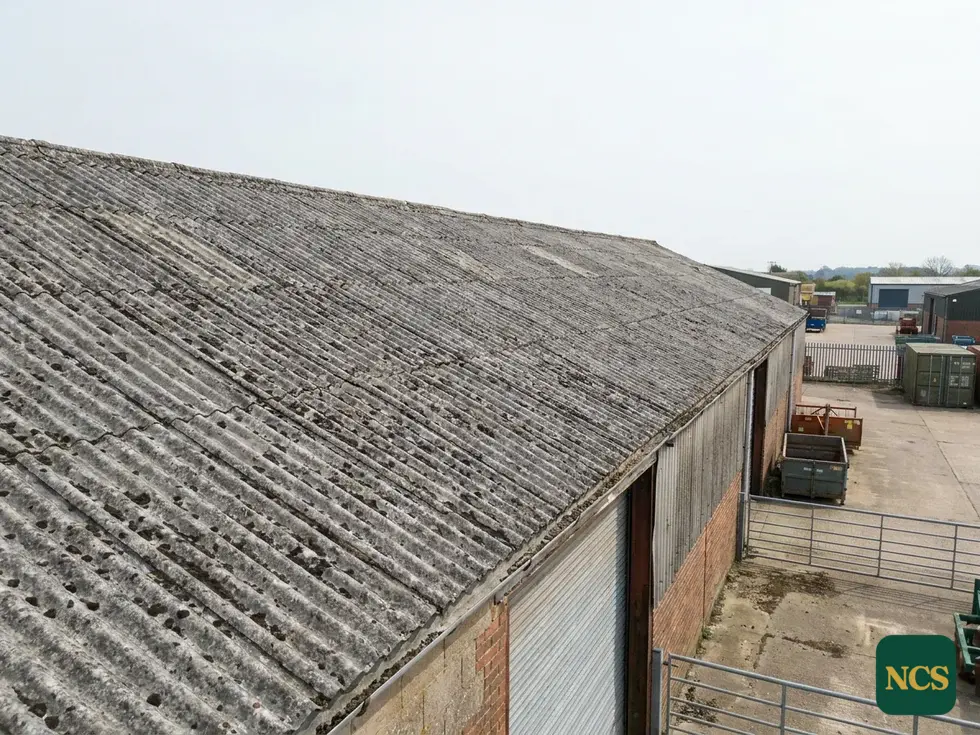
Not every roof qualifies, which is exactly why we survey before we quote. Broadly, encapsulation makes sense where:
- The sheets are weathered but free of widespread cracking or holes
- The cement substrate is still firm rather than soft or delaminating
- Fixings, laps and flashings are largely intact or repairable
- The roof structure beneath is sound
- The building has a working future that justifies the investment
When we will tell you not to encapsulate
An honest survey sometimes ends with advice you were not hoping for. Coating a failing roof wastes your money: the coating moves with the sheet, and if the sheet itself is breaking up, no coating will hold it together. Where we find brittle, delaminating or extensively cracked sheets, repeated structural leaks, or a roof frame that can no longer carry the load safely, we will tell you that removal and replacement is the right course, and we will put that in writing.
The same applies if the material turns out not to be asbestos cement at all. Higher-risk products such as asbestos insulation board or sprayed coatings are a different category of work entirely and normally require an HSE-licensed removal contractor. Encapsulation is for sound asbestos cement, nothing else, and we will not pretend otherwise.
Survey first, then a straight answer
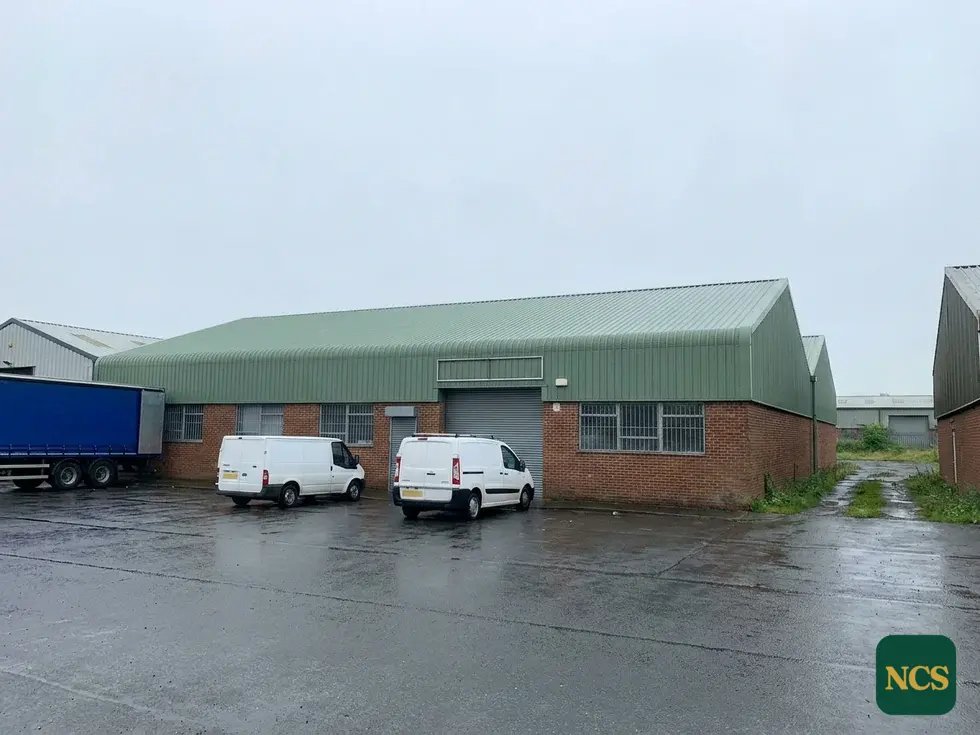
We are a survey-led contractor. Before anyone talks numbers, we inspect the roof properly: sheet condition, fixings, rooflights, gutters, internal evidence of leaks, and the state of the structure carrying it all. You receive written findings and a clear recommendation, whether that is encapsulation, repair first, or removal by the appropriate contractor.
One more point worth knowing: encapsulation does not end your duty to manage. The asbestos remains in place, stays on your register, and should be re-inspected periodically. What changes is its condition, from a slowly deteriorating liability to a sealed, maintained roof. If you are responsible for a building in or around Chichester, the sensible first step is a proper condition survey.