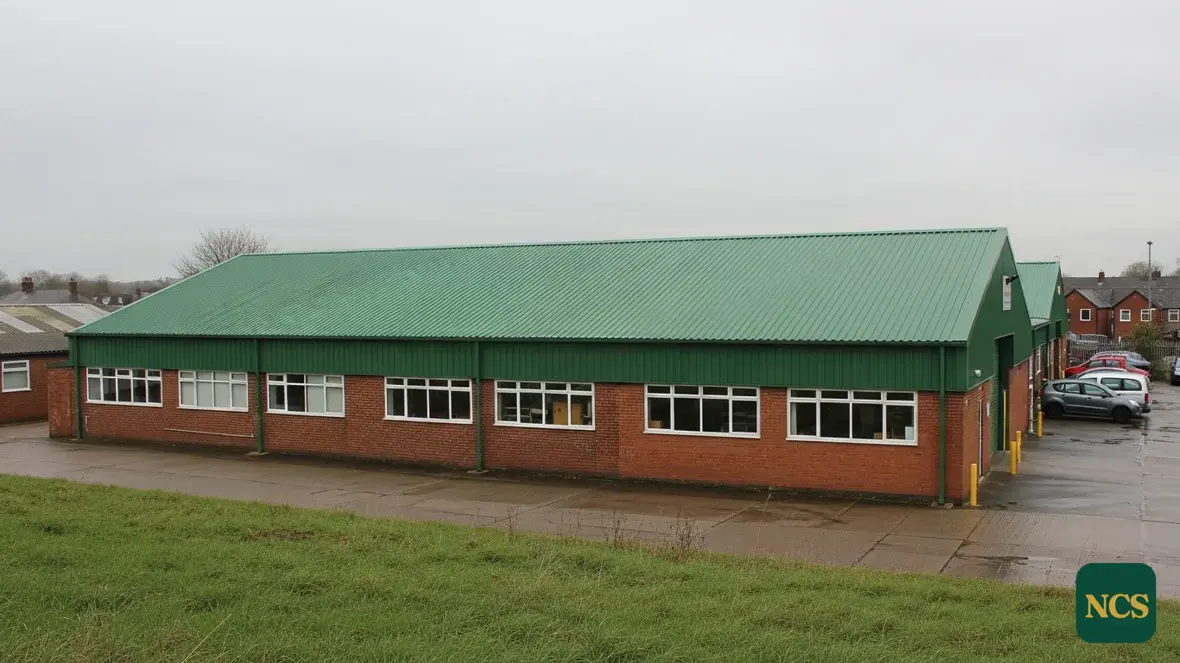
The duty to manage asbestos on King’s Lynn premises
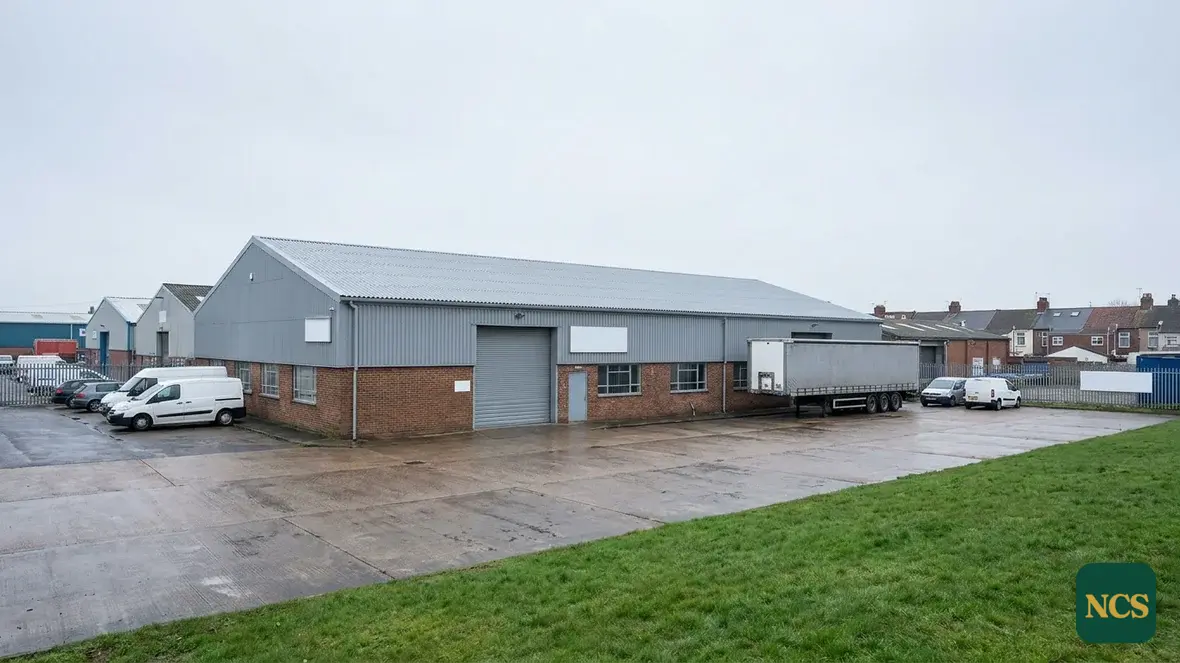
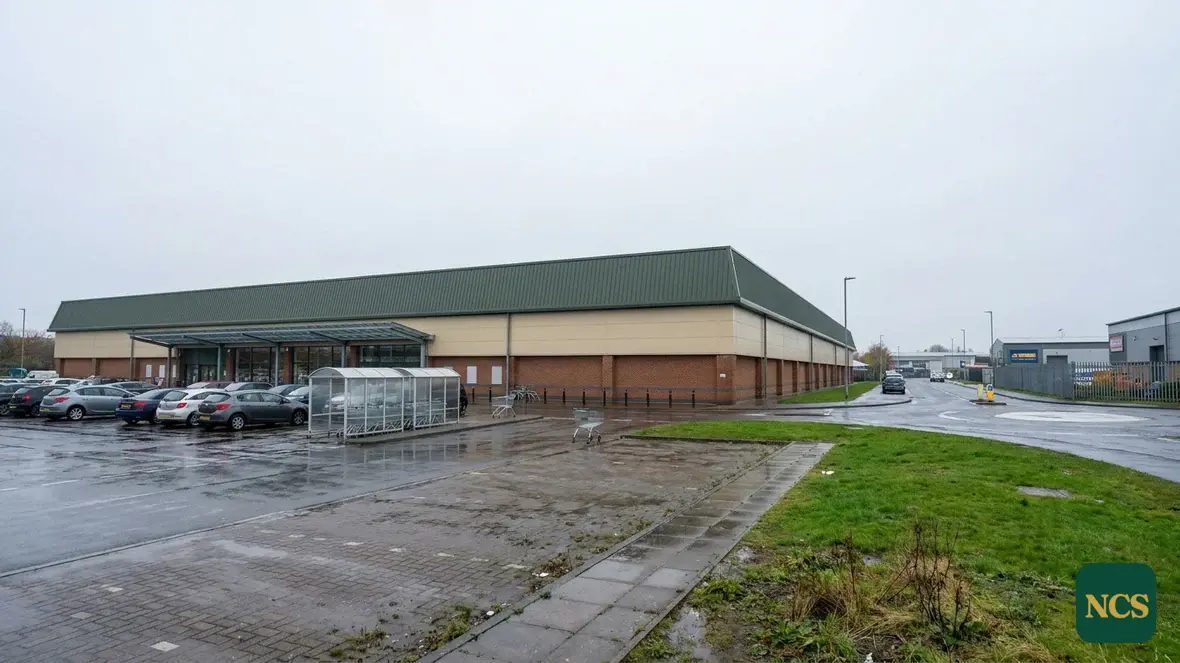
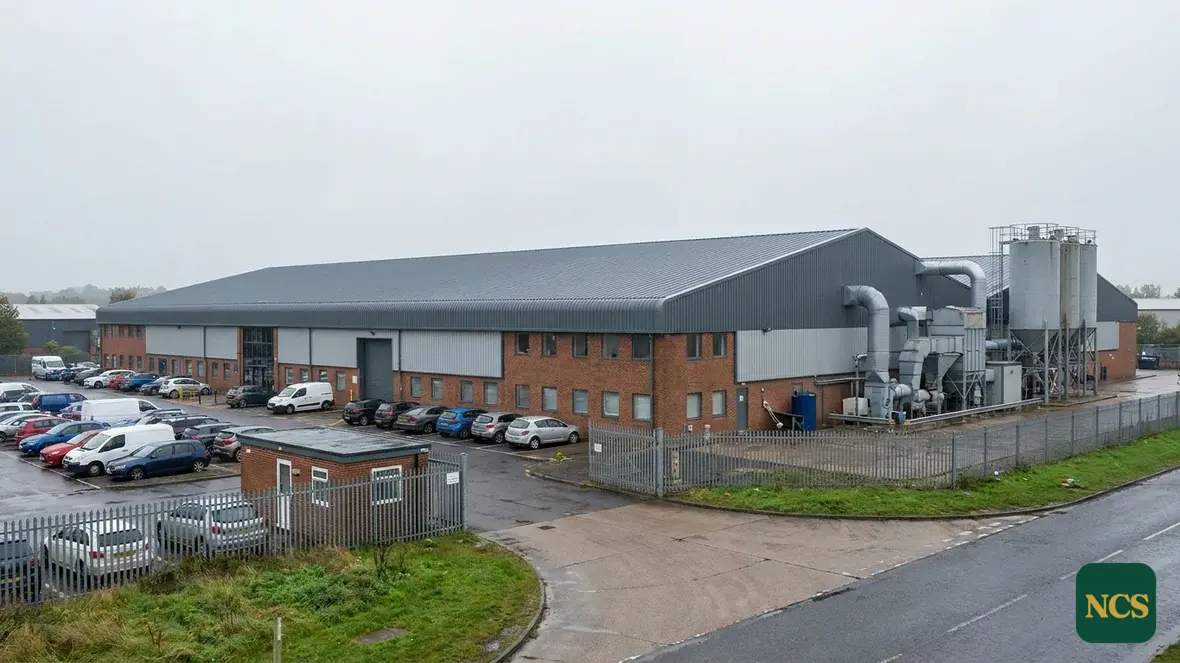
If you are responsible for a commercial or agricultural building in King’s Lynn, the Control of Asbestos Regulations 2012 almost certainly applies to you. Regulation 4, the duty to manage, requires whoever controls a non-domestic building to identify asbestos-containing materials, assess their condition and keep a written plan for managing the risk. With much of West Norfolk’s working building stock dating from the 1950s through to the 1980s, the era of port-side warehousing, agricultural processing sheds and trading estate units built with asbestos cement roofs, that duty is not theoretical. It is the day-to-day reality for a large number of duty holders around the town.
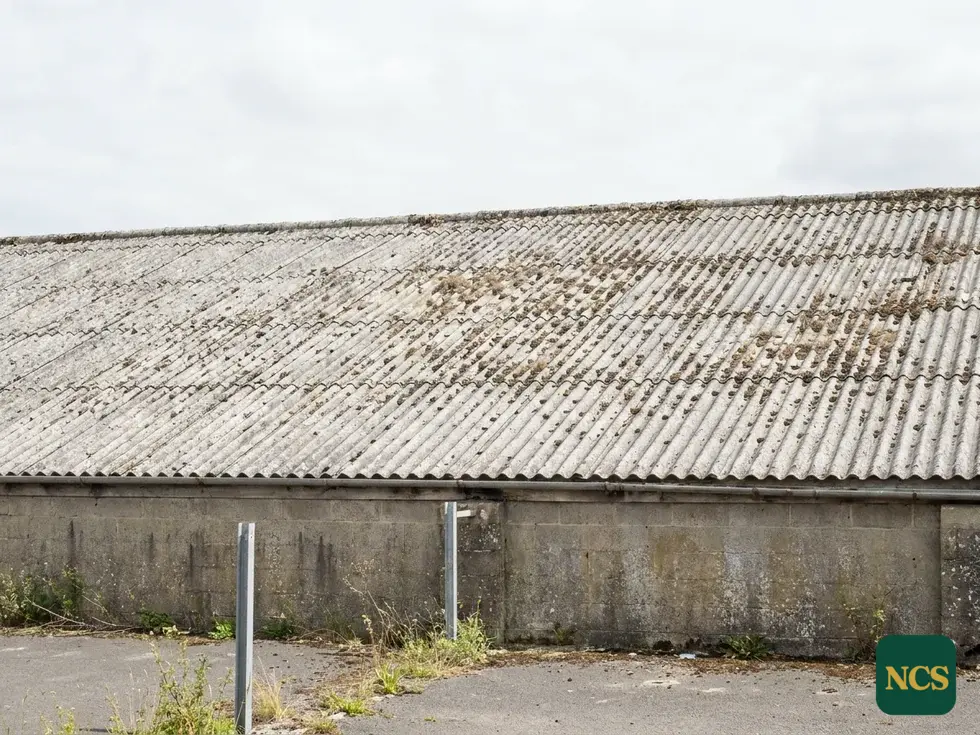
If you do not know whether a roof contains asbestos, the regulations expect you to presume that it does until testing or strong evidence says otherwise; a 1970s cement sheet roof that has never been assessed is exactly the kind of material the duty was written for. The regulations do not demand removal, though. Where the material is in good condition, managing it safely in place is a recognised and often preferable approach, and roof encapsulation is one of the most practical ways to do it.
Why encapsulation suits sound asbestos cement roofs
Asbestos cement sheet weathers slowly. Decades of rain and frost erode the cement surface, raise moss and lichen, and gradually expose the fibre matrix. Encapsulation halts that process. After a controlled clean and minor repairs, the roof is sealed with a specialist elastomeric coating that locks the surface, sheds water and stays flexible through thermal movement.
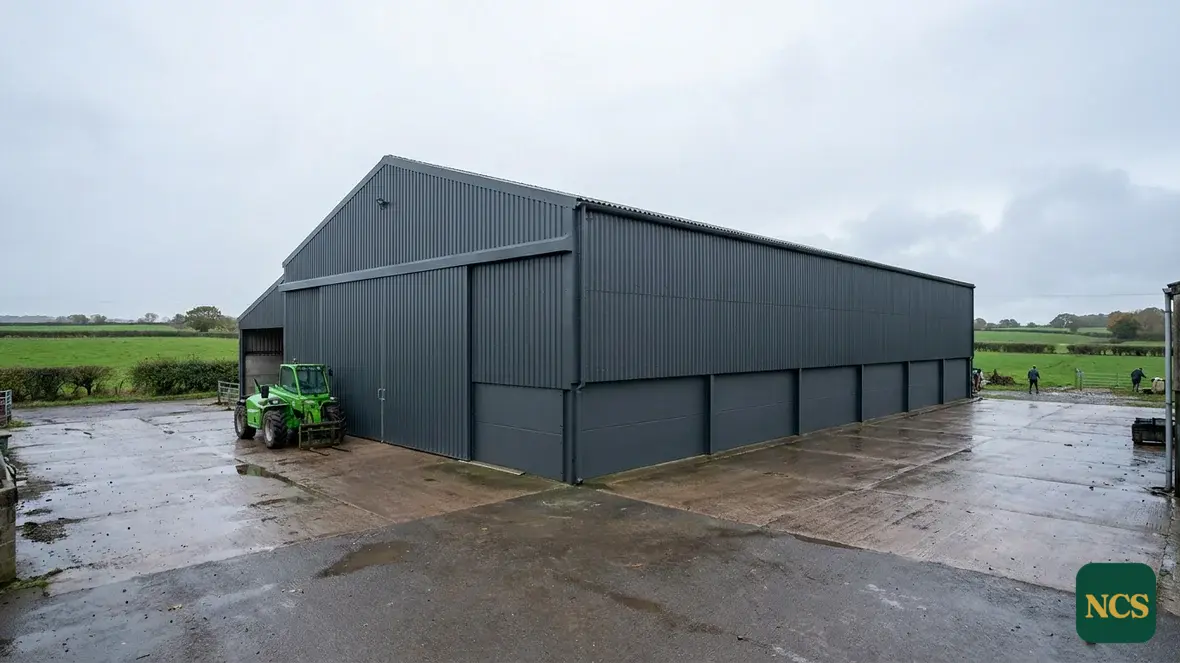
Compared with stripping and re-sheeting, encapsulation typically means lower cost, far less disruption to whatever happens beneath the roof, and no asbestos waste leaving site. For a working unit near the docks or a farm building outside King’s Lynn that needs to stay in use, that matters.
Condition first: the survey that decides everything
Encapsulation is only legitimate on sheets that are sound, which is why every job begins with a condition survey rather than a price list. On a typical King’s Lynn roof we assess:
- The extent of cracking, impact damage and holed sheets
- Whether the cement matrix is firm or starting to soften and delaminate
- Fixings, laps, ridges and flashings
- Roof lights and gutter lines, which often fail before the sheets do
- Signs of previous repairs that need re-doing properly
The findings go into a written report. If the roof is suitable, we set out the preparation, repair and coating specification. If it is not, we say so plainly.
When we will recommend removal instead
Encapsulation has limits, and we would rather lose a job than coat a roof that should be removed. Sheets that are extensively cracked or crumbling, roofs containing asbestos insulation board rather than cement, structures too weak to work on safely, and buildings scheduled for demolition or major redevelopment are all situations where coating is the wrong answer. Friable or badly degraded material is a matter for a licensed asbestos removal contractor, and our report will tell you that in plain terms. Sealing over failing sheets does not make a building compliant; it makes the problem harder to see.
England-wide coverage from a South East base
National Coating Specialists is based in the South East and carries out asbestos roof encapsulation across England, including King’s Lynn and the surrounding villages of West Norfolk. We are survey-led by design: inspection first, honest report second, coating only where the condition of the roof supports it. If you hold the duty to manage for a building with a suspect cement fibre roof, a documented survey is the most useful next step you can take, both for the building and for your asbestos management plan.