Coating industrial roofs in King’s Lynn
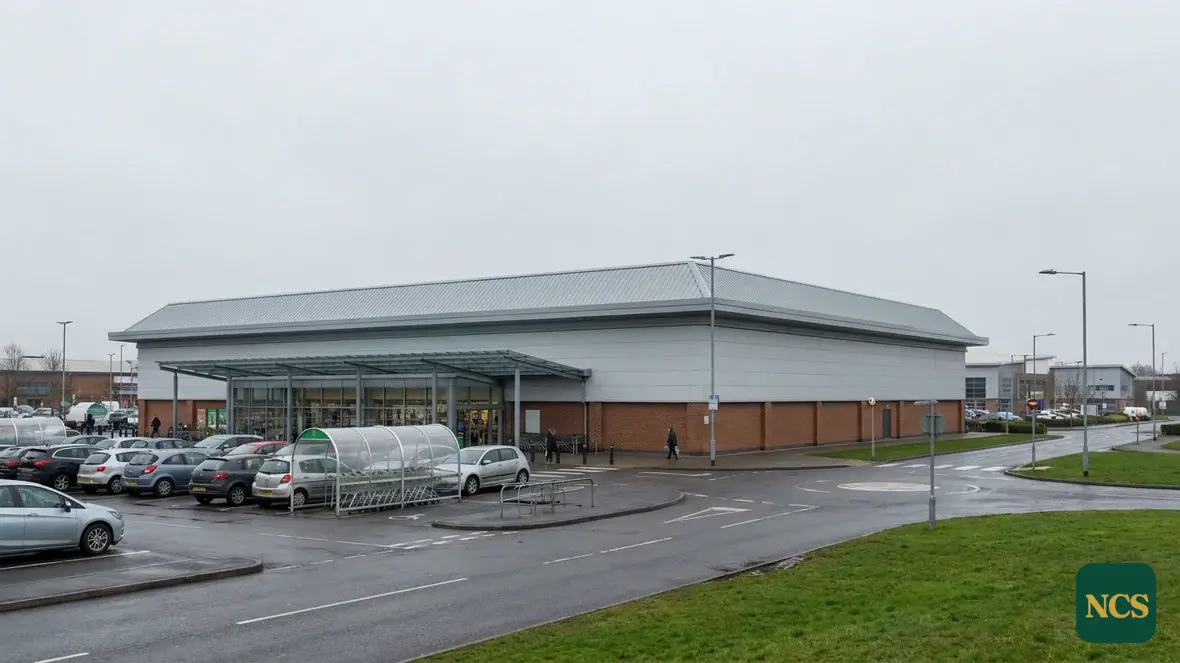
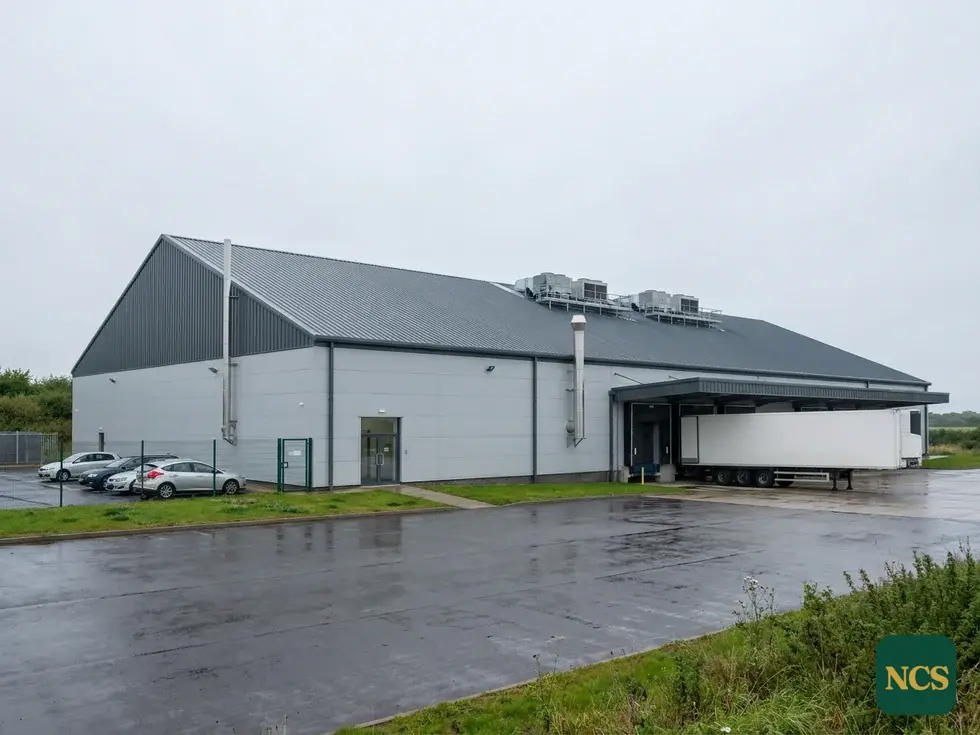
King’s Lynn earns its industrial floorspace the practical way: food processing, agricultural supply chains and port-linked storage. Much of it’s housed on estates built decades ago, extended piecemeal since. The roofs over that stock are predominantly profiled metal. A large share of them are now at the stage where the original finish has failed, even though the steel beneath is still serviceable. That gap, failed finish over sound metal, is exactly where roof coating earns its keep.
Salt air, flat country and weathered steel
The town sits on the Great Ouse, a short distance from the Wash. The air carries more salt than an inland estate would see. Salt accelerates corrosion wherever bare steel is exposed. On a profiled roof, that means cut edges, scratches, fastener points, and anywhere ponding water sits against a lap. Wind across open Fenland country drives rain into overlaps that would stay dry on a sheltered site. Neither problem condemns a roof. Both mean the window between early surface corrosion and expensive metal loss is shorter here than inland, so timing matters.
What cut-edge corrosion looks like from the gutter
Stand in the valley gutter of an ageing unit in King’s Lynn and the pattern is usually the same: a band of rust staining along the bottom edge of each sheet, finish peeling back from the edge, and corrosion deposits in the gutter sole. That is cut-edge corrosion. It’s the single most common reason industrial roofs in this region get coated. Treat it early with edge preparation, priming, and a full coating system, and the sheet is protected for years to come. Leave it until the edge laminates and curls, and the affected sheets often need cutting back or replacing first. That adds cost and programme time.
If your King’s Lynn unit needs the roof painting rather than replacing, the survey establishes if the deck is sound enough to carry it.
Disruption: what your tenants will and will not notice
Coating is quiet work compared with replacement. There’s no strip-off, no exposed building, no crane on the yard and no waste sheeting coming down. What occupiers will notice is access equipment, some odour while coatings cure, and managed exclusion zones below the work area. What they will not face is weeks of operating under temporary coverings. For food-related occupiers, common around King’s Lynn, we plan around hygiene requirements and agree any sensitive timings with site management before work starts.

The honest cases where we advise against coating
A coating cannot rescue every roof. We say so plainly. Sheets perforated over large areas, corrosion that has migrated into purlins and fixings, saturated insulation in built-up roofs, and brittle, degraded fibre cement are all situations where coating spends your budget without solving your problem. Our survey is designed to find these conditions before anyone quotes. The report will recommend replacement instead when that is the truth. Every recommendation rests on:
- The extent and depth of corrosion at cut edges and laps
- The condition of fixings, rooflights and gutter linings
- Adhesion testing of the existing finish
- Evidence of internal leaks, staining or deck deterioration
- Whether realistic repair plus coating costs stack up against replacement
If the findings favour coating, you get a scoped specification and a programme designed around your operation. If they do not, you get that in writing too, and a clearer case to take to whoever holds the budget. Either way, a survey of your King’s Lynn roof costs you a conversation, not a commitment.



