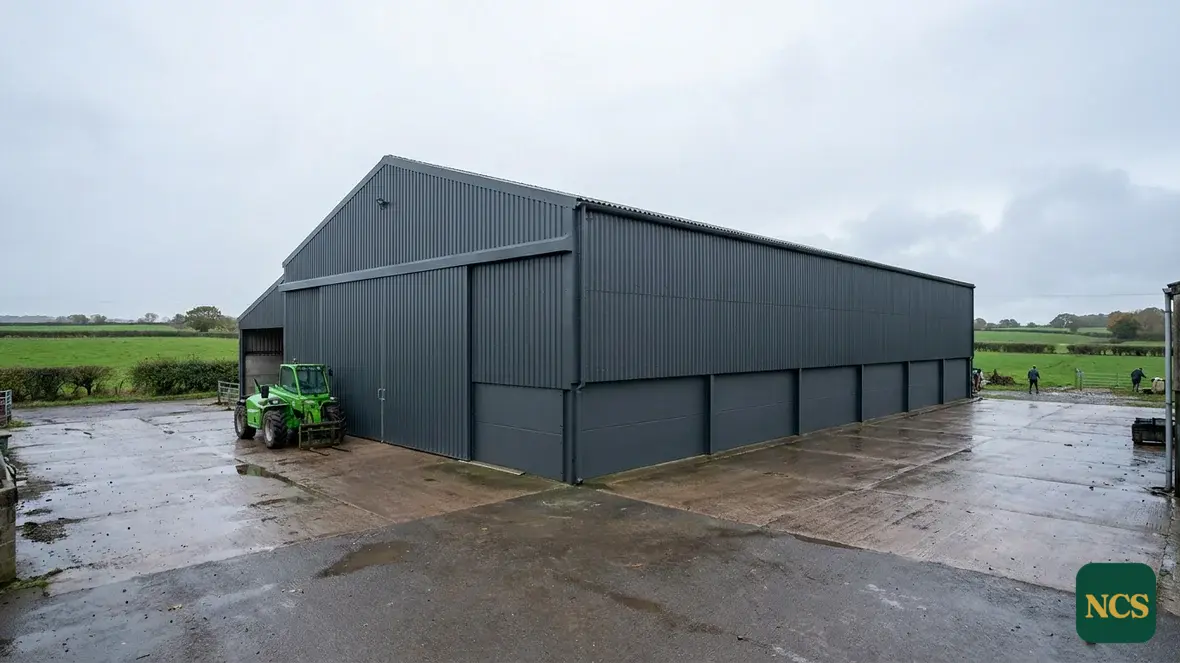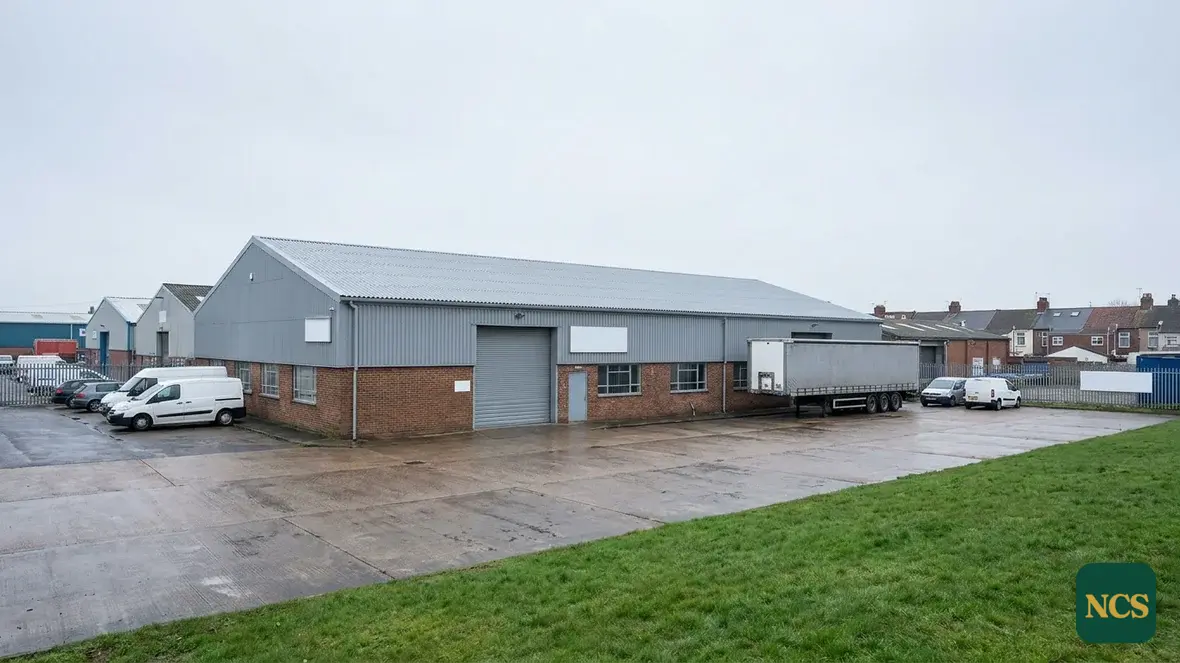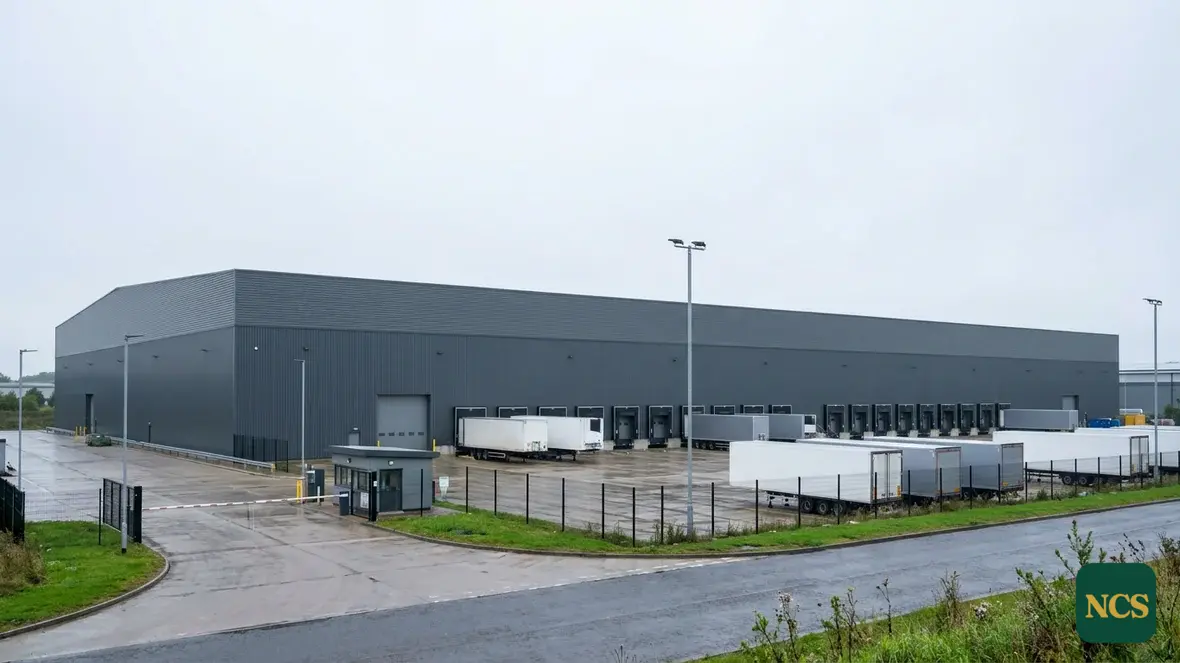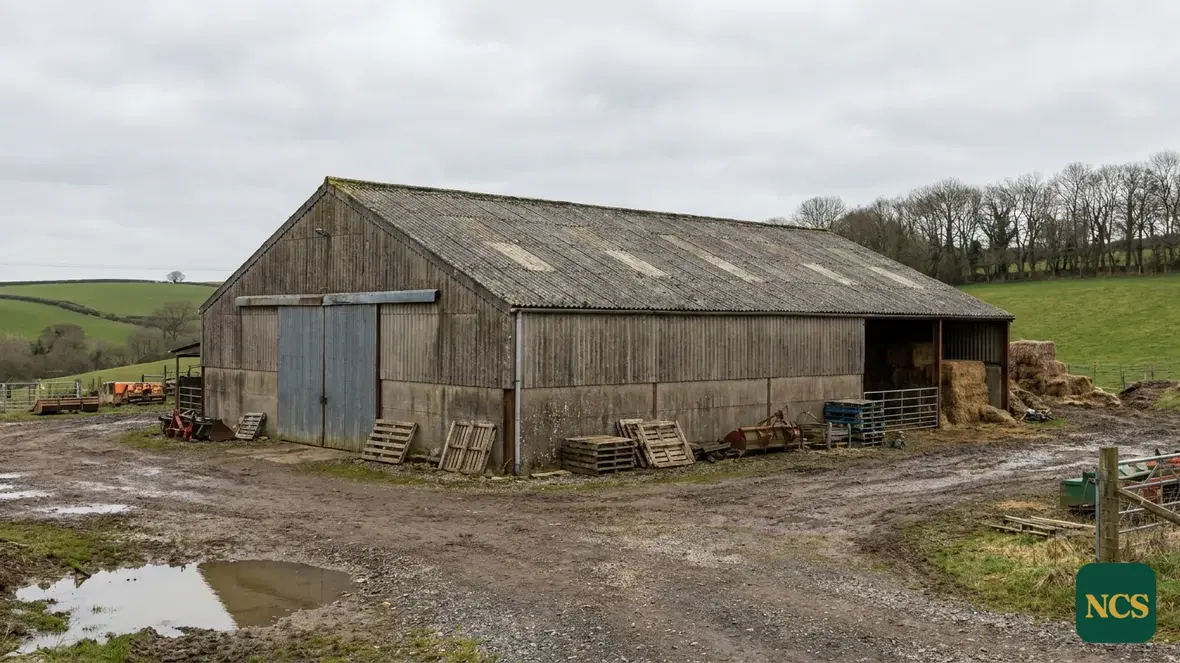
Twenty minutes out of Birmingham in most directions, the city gives way to working farmland: mixed arable and livestock holdings across the Warwickshire, Worcestershire and Staffordshire fringes. The barns, grain stores and machinery sheds serving that land are mostly steel portal frame or fibre-cement buildings now several decades old, and many of their roofs are reaching the point where a decision has to be made. National Coating Specialists surveys and coats agricultural buildings across this belt, working England-wide from a South-East base.
A hard-working belt of barns, stores and sheds
The building stock reflects the mixed farming around it. Grain stores and machinery sheds on the arable side, cattle and sheep housing where the ground turns to pasture, and plenty of general-purpose buildings doing three jobs at once. Most date from the second half of the last century: galvanised or plastisol-coated steel over a steel frame, or asbestos-cement sheet on the older spans. Many factory finishes are now past their best. Plastisol chalks and peels, rust creeps out from cut edges and fixing holes, and moss holds moisture against fibre-cement all winter. Caught at this stage, a roof is usually a strong candidate for preparation and coating. Left for another decade, the same roof often is not, which is why the timing of the decision matters as much as the decision itself.
Survey first, with the findings in writing
We do not price agricultural roofs from a postcode and a photograph. Every enquiry around Birmingham starts with an inspection, because the difference between a coatable roof and a finished one is rarely visible from the yard. A typical survey records:
- Sheet type and condition, slope by slope
- Corrosion at cut edges, laps and fixing points
- Rooflights, which usually turn brittle long before the steel fails
- Gutters, valleys and flashings
- Evidence inside the building: drips, staining, corroded purlins
You see the photographs and the recommendation before any figure goes on the table, and the recommendation is sometimes that coating is not worth your money.
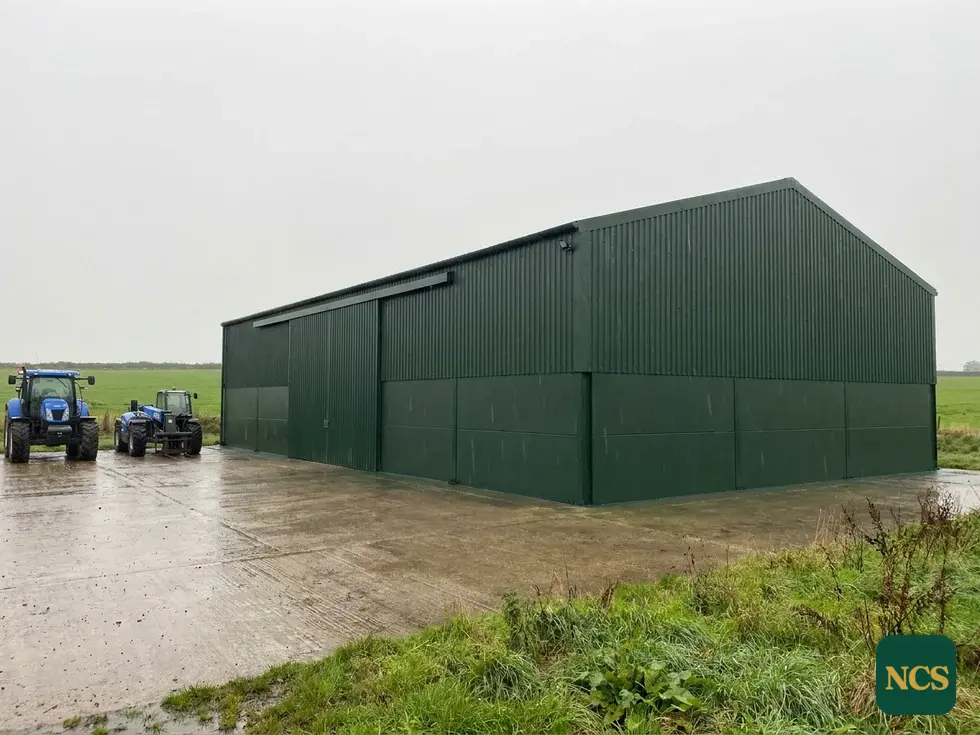
Booked around drilling, spraying and harvest
Arable holdings live by the calendar, and our programmes respect it. A grain store needs its coating finished, cured and aired well before intake, not the week the combines start rolling. Machinery sheds are easiest to deal with while the fleet is out working the land. Livestock buildings come right in the months they stand empty. We plan around your cropping and stock movements rather than asking the farm to bend around us, and on a working yard we keep masking, overspray control and daily access arrangements tight so feed, water and machinery stay clean.
Asbestos-cement and legacy steel, handled honestly
Plenty of older roofs in the farmland around Birmingham are asbestos-cement, and the right response depends entirely on condition. Weathered but sound sheets can often be cleaned and encapsulated, which seals the surface and extends the useful life of the building without disturbing it. Sheets that are cracked, soft or breaking up need a specialist removal contractor, and when that is what we find, that is what we say. We never walk asbestos-cement casually, and we will not pressure-wash a fragile roof to make a sale. The survey establishes condition first; everything else follows from that.
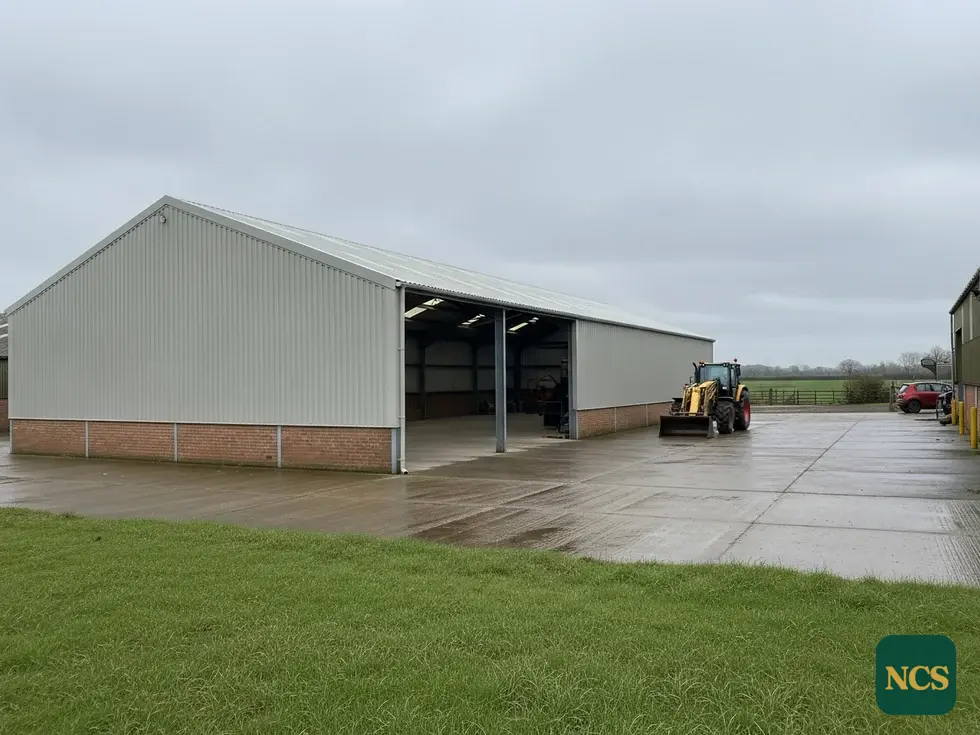
Coat, patch or start again: our honest view
Some roofs need a few sheets swapped and nothing more. Some have decades of life left once prepared and coated. Some are at the end, and coating them would only postpone an inevitable bill while adding ours to it. We give you the category, the reasoning and the photographs, then leave the decision with you. A coating contractor who recommends coating every time is not giving advice, and around farm budgets that distinction matters. If replacement is the better spend, you will hear it from us first.