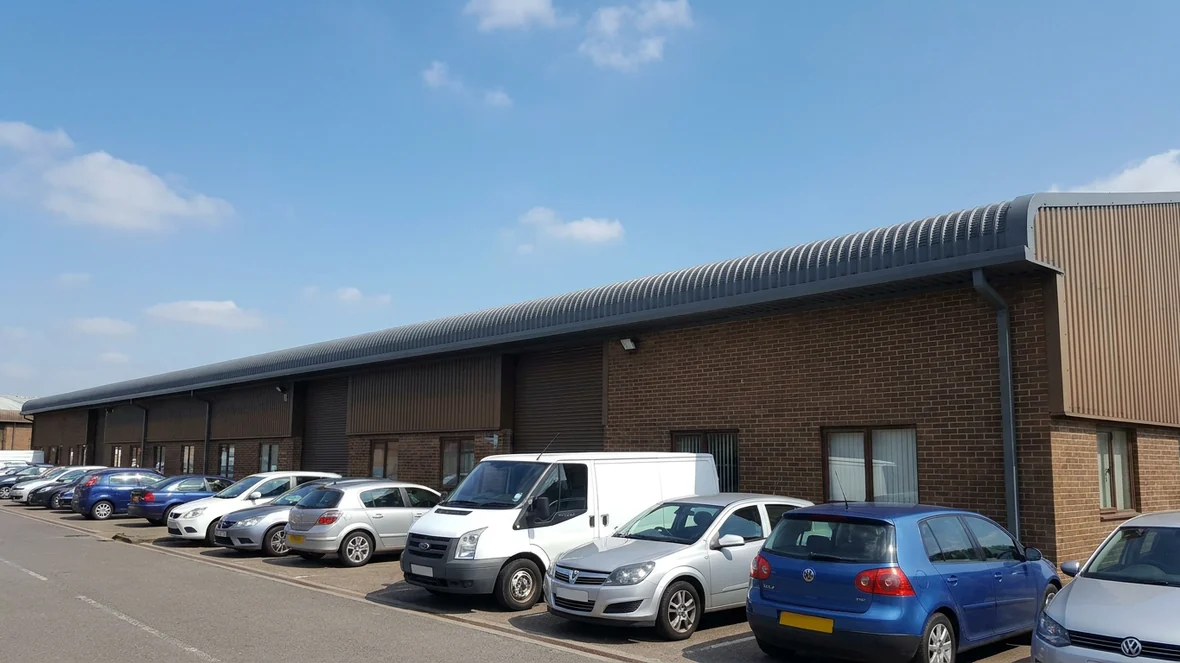
The economics come first: catch it cheap or pay later
The blunt case for treating cut edge corrosion early is a money case. While the rust is still a shallow line at the sheet ends, the fix is a localised one: clean the affected edges back to sound metal, treat, prime and seal them with a flexible coating built for profiled steel. The rest of the roof keeps doing its job and the building stays open. Once a sheet rusts clean through, none of that applies. You are into stripping and re-sheeting, access equipment, and work going on over the heads of whoever uses the building. For owners of warehouses and agricultural sheds around King’s Lynn, that gap is the whole argument.
What cut edge corrosion actually is
Profiled steel roof sheets leave the factory cut to length, and the cut passes straight through the galvanising and the coloured coating. That leaves bare steel exposed at every sheet end and side lap. The coated face of the sheet is well protected; the cut edge never was, because no factory coating wraps a line that is made after the coating is applied. Water reaches the exposed steel, rust forms, and it then works backwards under the coating, prising it off the metal as it goes. The brown stain you see from the yard is the leading edge of damage that usually reaches further than it looks.
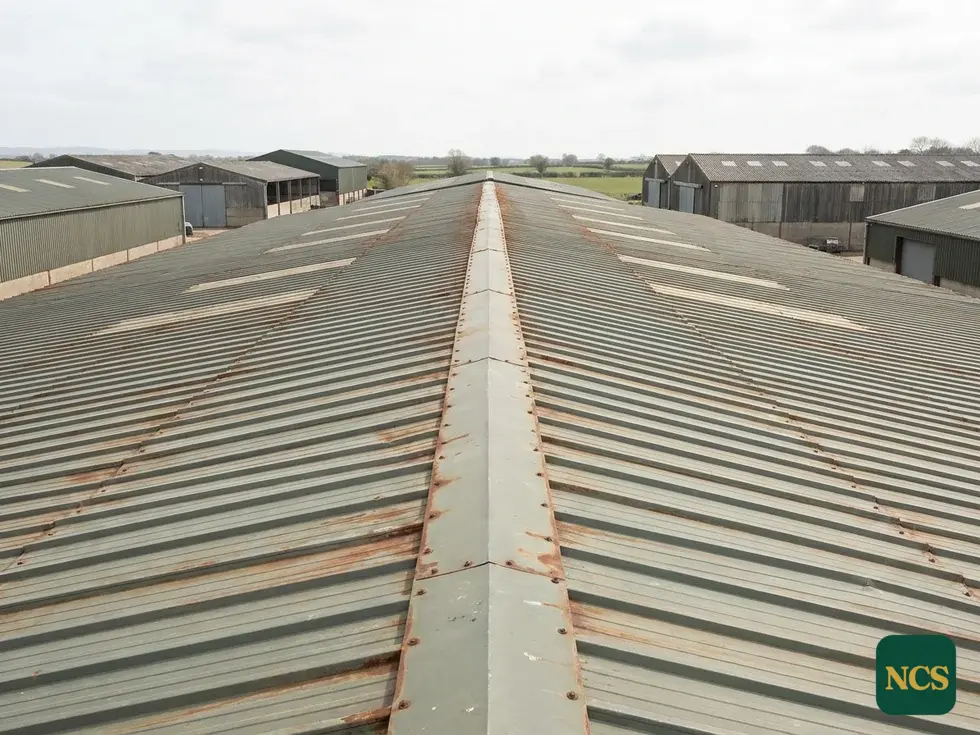
Why the Wash coast brings it on early
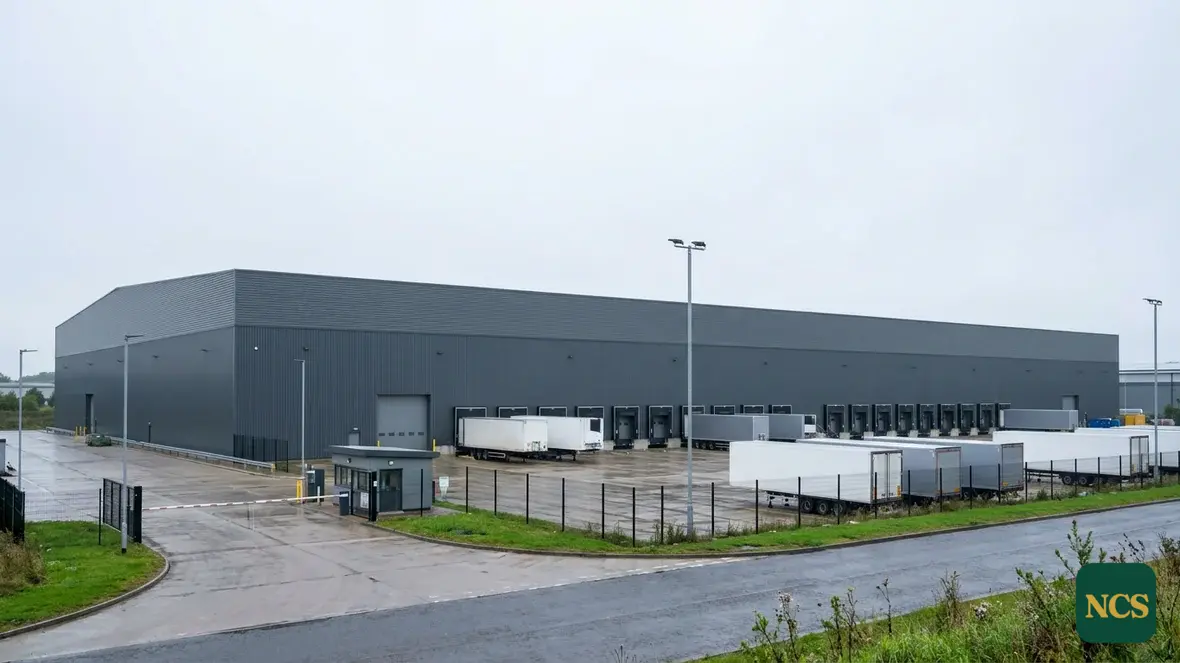
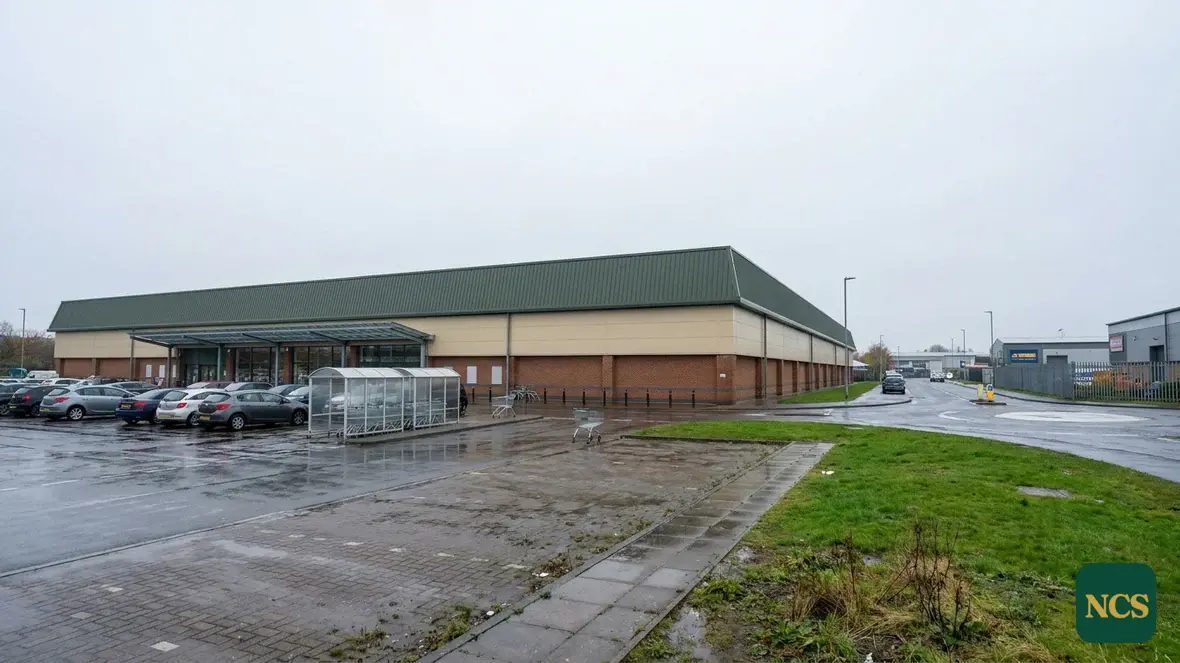
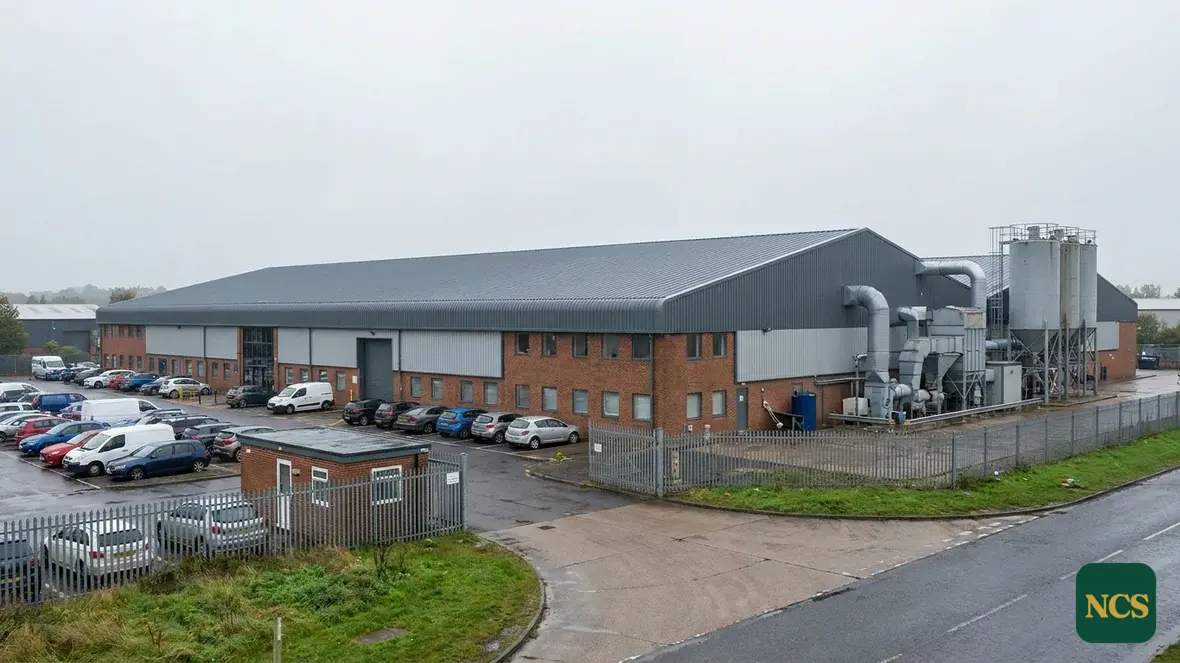
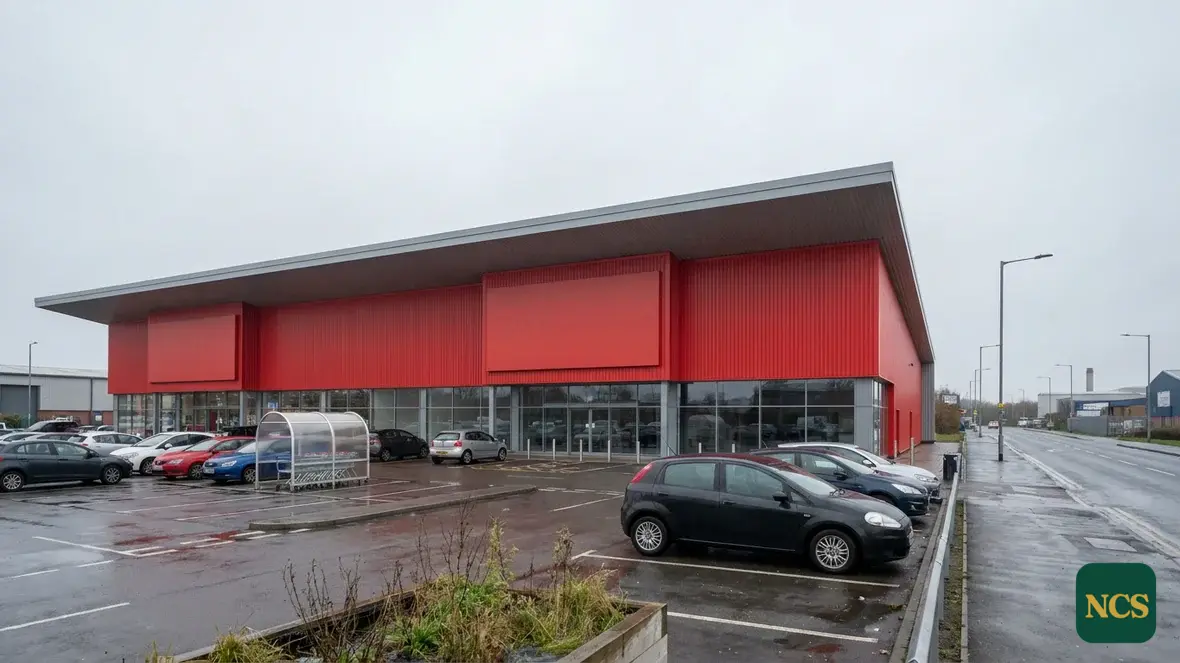
King’s Lynn sits on the Wash, and that exposure tells on metal roofs. Salt-laden air carried off the open water settles on the sheets, holds moisture against the steel, and speeds the reaction that produces rust. Flat, open country gives wind-driven rain a clear run into the overlaps, and the laps are exactly where water lingers longest. Agricultural buildings out on the surrounding land and units on the town’s industrial estates often show edge corrosion noticeably earlier than identical buildings tucked away inland.
Reading the warning signs
- Rust staining along the gutter line, seen from ground level
- Coating lifting or peeling at the sheet overlaps
- Halos of corrosion around the fixings near sheet ends
- Rust flakes or coating fragments washing into the gutters
- Damp or drips inside the building below the laps
Any one of these is a prompt to look properly, not a verdict on its own. The reliable answer comes from a survey: getting up onto the roof, checking the worst laps where it is safe, and judging how far the corrosion has run beneath the surface. A stain that looks minor from the yard can sit over edges that are still sound, or over steel that has already lost much of its thickness, and only a close look at the metal itself separates the two. That same survey is where we establish whether the sheet faces are holding up or whether the roof as a whole is heading towards needing wider work.
The honest limit, and the natural next step
We survey before we price, and sometimes the survey delivers news that costs us the work. If sheets are perforated, if rust has travelled a long way under the coating, or if the underside of the sheet is going where no treatment can get to it, we say so. Painting over a failed sheet wastes your money and fails fast. Then the honest routes are replacing the worst sheets and treating the rest, or an overlay if the roof as a whole is finished. Where the edges are failing while the sheet faces are also chalking and dulling, it is often more sensible to fold the cut edge work into a full roof coating, so the whole surface is sealed in one go rather than patched over time. We are a South-East firm covering England, and what we recommend for a roof in King’s Lynn rests on what the survey photographs show, not on a fixed script.