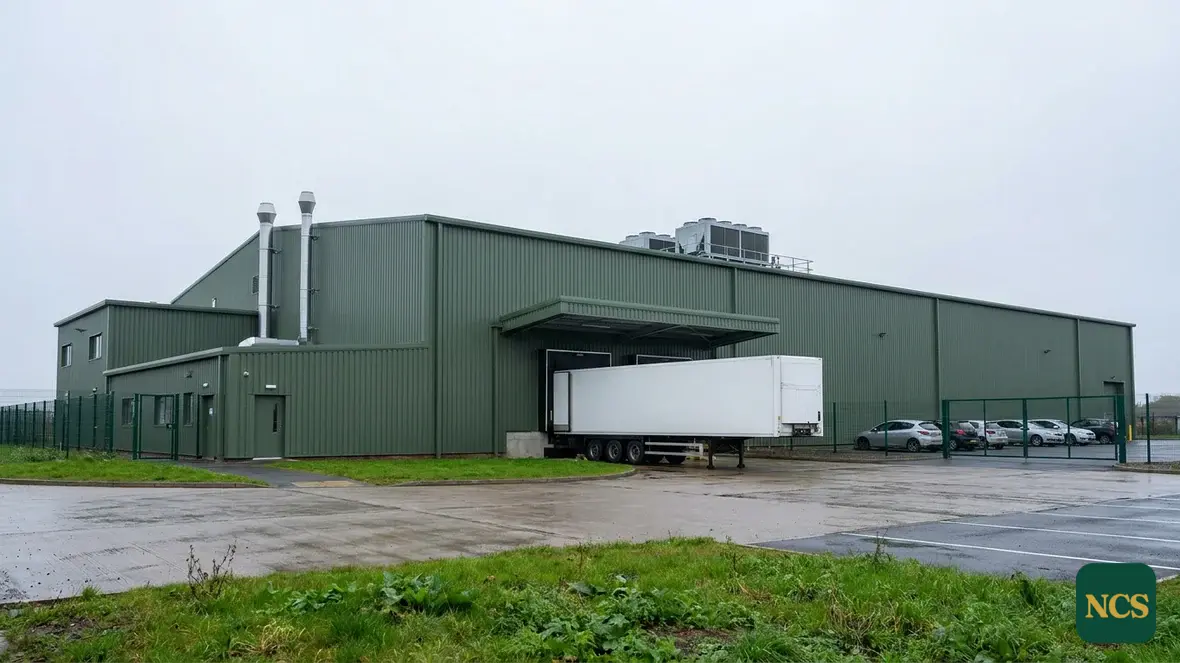
We coat commercial, industrial, and agricultural buildings across Cambridgeshire, focusing on roofs, walls, cladding, and gutters. We deal with everything from asbestos roof encapsulation to treating cut-edge corrosion. Our work stops water getting in, and protects your building from the constant push of weather off the North Sea. We’ve seen a lot of older farm buildings and logistics units along the A14 that need proper weatherproofing.
Before we specify any coating, we survey the roof
Roof coatings aren’t a magic bullet. They’re a technical response to specific problems. A flat roof over a Cambridge business park needs different prep to the profiled sheets on a Fenland packing plant. Without getting up there and having a look, any specification is just guesswork. We’ve walked too many roofs in Orton and Alconbury where contractors skipped this step, and the coatings failed early. Our way means the coating system we put forward matches both your building’s needs and Cambridgeshire’s particular weather, protecting against corrosion and leaks.
Ageing roofs in Cambridgeshire: where they cluster
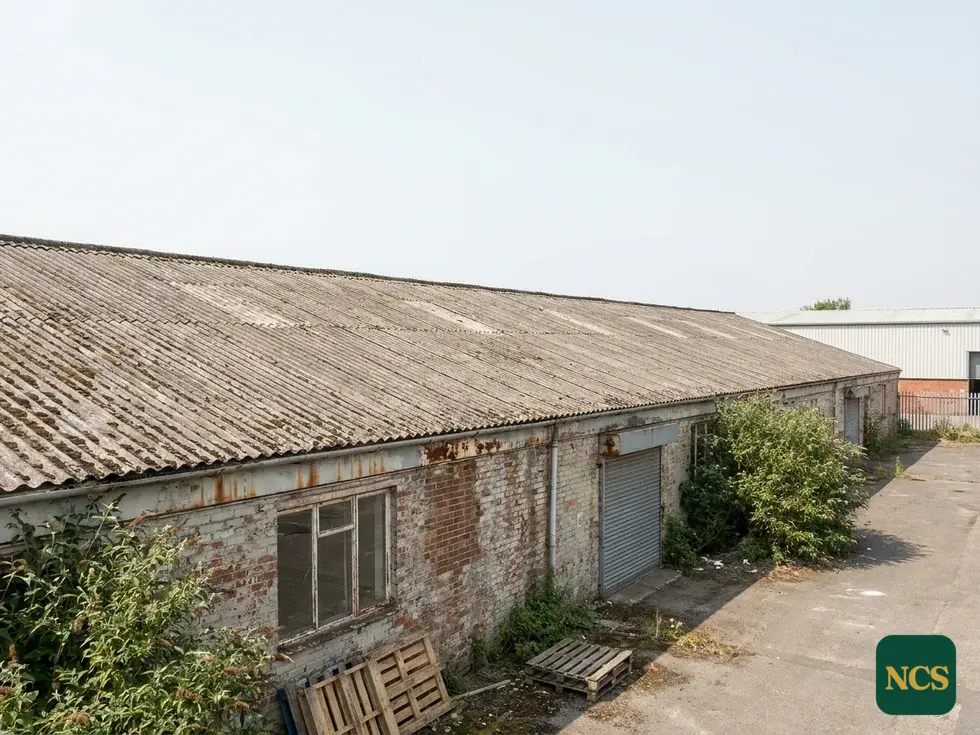
Cambridge’s science parks and business campuses have plenty of flat roofs over their labs and offices. Most of those original single-ply membranes are well past their best. The food processing plants around Wisbech and March typically have big profiled metal roofs. Some still have asbestos cement panels; we can’t rip those out, but we can safely encapsulate them. Along the A1 and A14, distribution warehouses often show stress at the roof edges where wind uplift has worked on older fixings. Huntingdon’s older trading estates mix corrugated asbestos cement and early composite panels, with many of them leaking at the overlaps now, needing proper weatherproofing.
What a roof coating offers and where it isn’t the solution
A proper roof coating sticks to the existing surface, seals up small cracks, and stops further weather damage. If you’ve got a sound but tired profiled metal or flat roof across Cambridgeshire’s industrial areas, it can add years of life without the hassle and cost of a full strip and re-sheet. Coatings don’t work if the structure underneath is shot. Sagging purlins, widespread corrosion, or damaged decking need fixing first. We’ve surveyed plenty of roofs in St Ives and Chatteris where previous coatings just got slapped over underlying faults, only ever delaying the inevitable.
Owners around Cambridgeshire describe the same job in different words, roof painting, roof coating or refurbishment, and the survey treats them all the same way.
Addressing common vulnerabilities on commercial roofs
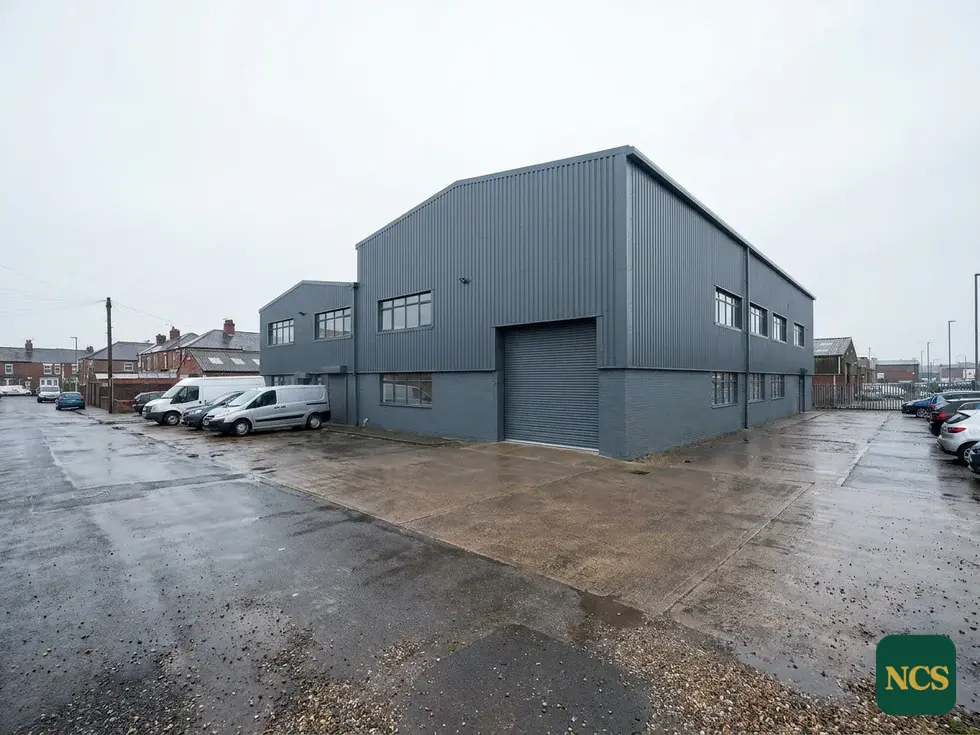
When we survey commercial roofs across Cambridgeshire, nine times out of ten, the leaks start at the details, not in the middle of a sheet. We’re talking cracked flashings around rooflights, failed sealant at pipe penetrations, or corroded fasteners letting water in. The gutters on Peterborough’s older industrial units often sag with age, which means water pools right against the roof edge. Any coating specification has to deal with these weak points, repairing or replacing components before we even think about putting down the protective layers, ensuring full weatherproofing and corrosion protection.
Weatherproofing exposed Cambridgeshire buildings
Many commercial and agricultural buildings in Cambridgeshire, especially those exposed to the east, take a battering from the prevailing weather. We specialise in treating the full building envelope, roofs, walls, cladding, to stop water penetration and creeping rust. Profiled steel sheets on logistics hubs along the A14, or older agricultural sheds in the fenland, often show significant corrosion on their exposed elevations. Our coatings protect these surfaces, extending their life and preventing further degradation from wind-driven rain and moisture.
Our thorough roof survey process for Cambridgeshire sites
Every single coating job we do starts with a proper roof survey. We’re looking at more than just the surface. We’re checking the structure underneath, the drainage, the insulation. We need to see how the building moves. Thermal expansion on a long-span roof at the Science Park is a different beast to an agricultural shed near Chatteris. Only after we’ve measured moisture levels, checked every fastener’s integrity, and tested sample areas, will we tell you if a coating is viable, or if sections need replacing first.
- Our survey checks the roof’s current state and future risks.
- We test for hidden moisture or structural weakness.
- Detail areas like flashings and penetrations get our full attention.
- We only recommend coating for roofs that are structurally sound.
Why commercial roofs in Cambridgeshire need a coating or replacement
The profiled steel and flat roofs over Cambridgeshire’s industrial estates, distribution parks and farm buildings take a real beating. Being in the east of the country means they get the full force of driving rain and wind off the North Sea, then summer sun bakes older felt and single-ply membranes. Along the A14 corridor, we see constant vibration from heavy goods traffic working fixings loose and stressing roof sheets. Around Peterborough’s Fengate industrial area, a lot of units built in the 80s and 90s are showing the classic signs now: small leaks at seams, chalking from degrading coatings, and rust blooms around penetrations. It’s time to make a call on them.
Learn more about commercial roof coating or book a free survey.
Recently — July 2026
Through the drier summer months we can programme preparation, coating and curing with far less chance of a weather delay holding the job up.
We survey before we recommend anything, and the recommendation goes in writing, including the times the honest answer is to repair or replace rather than coat.