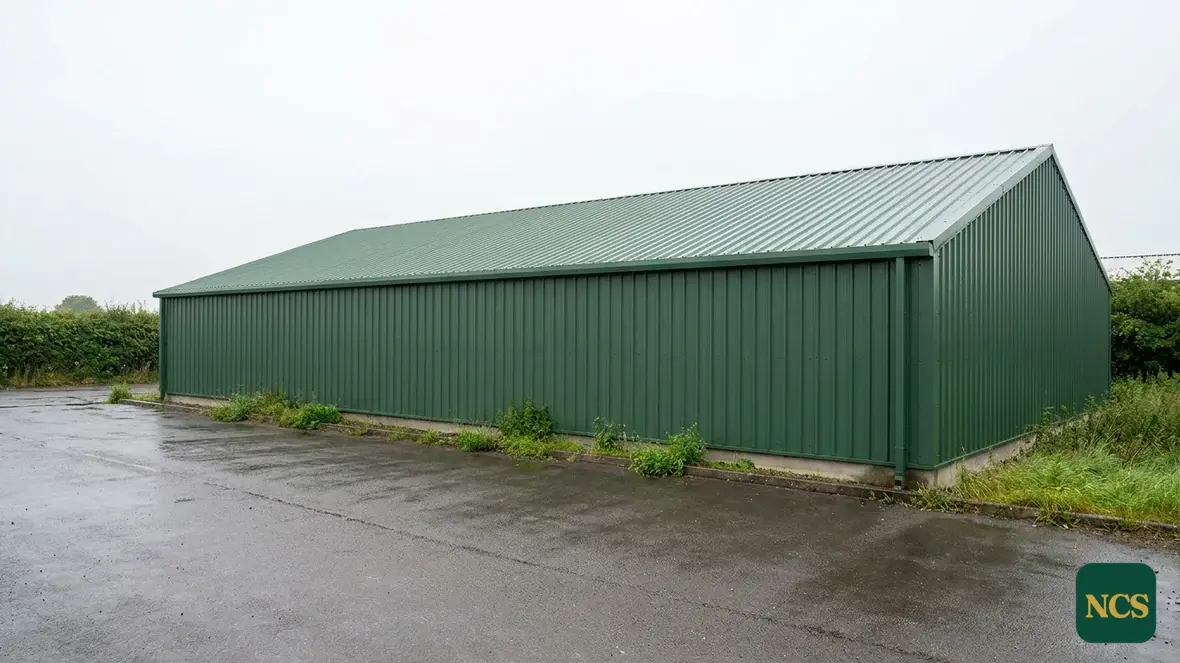
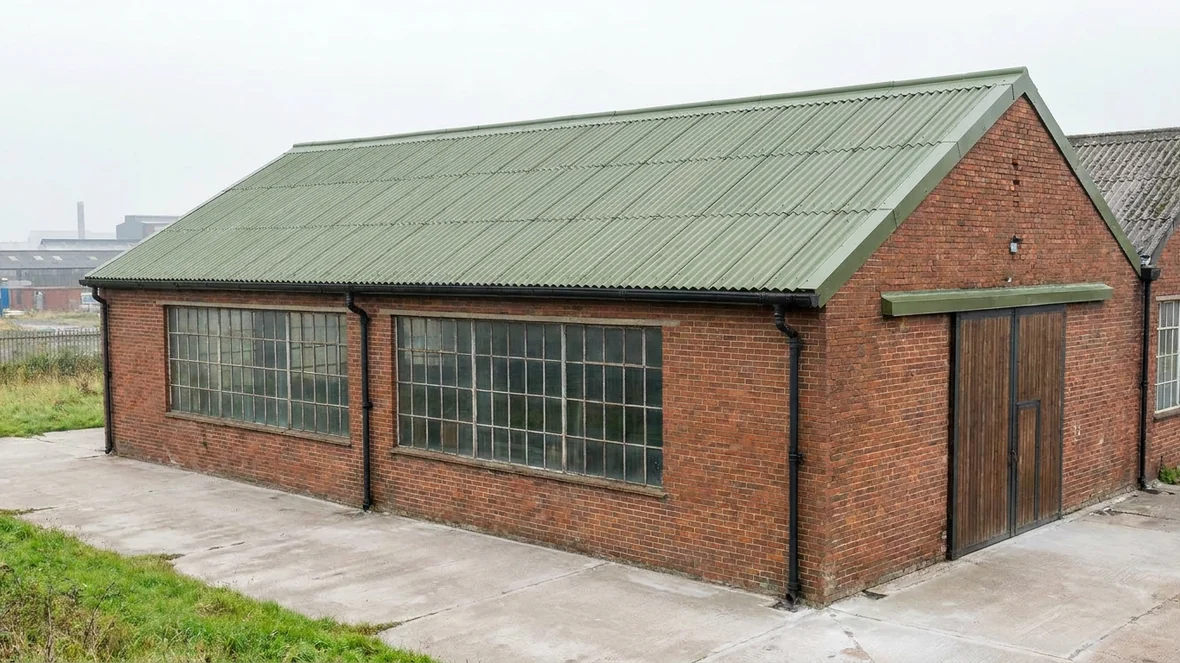
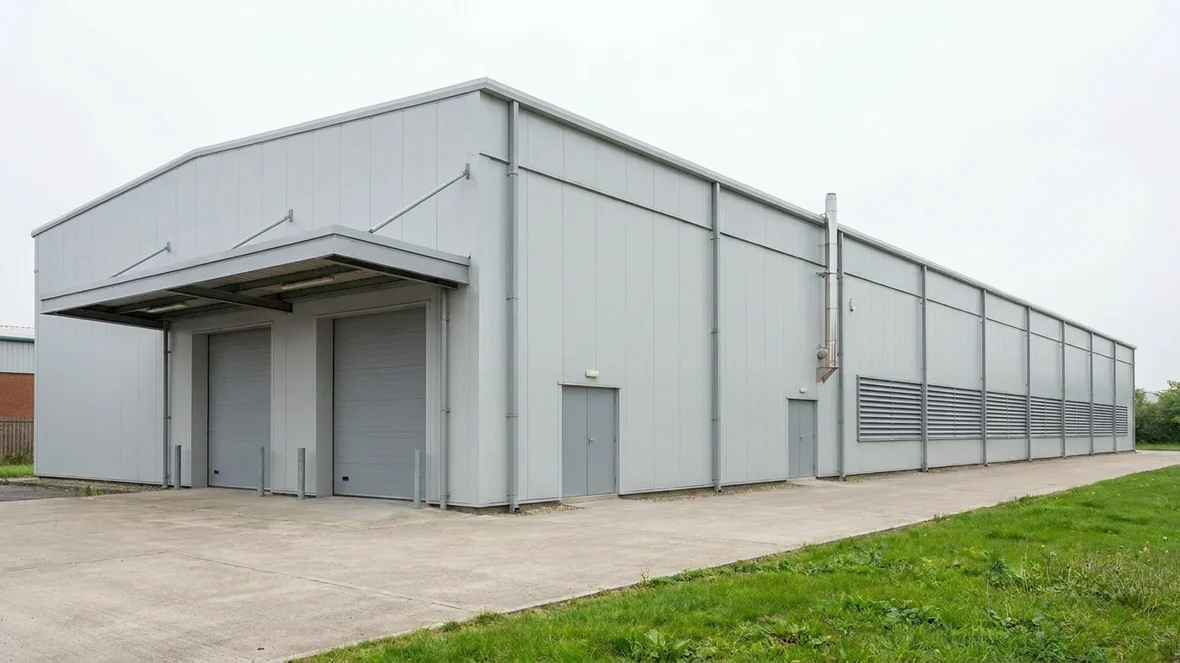
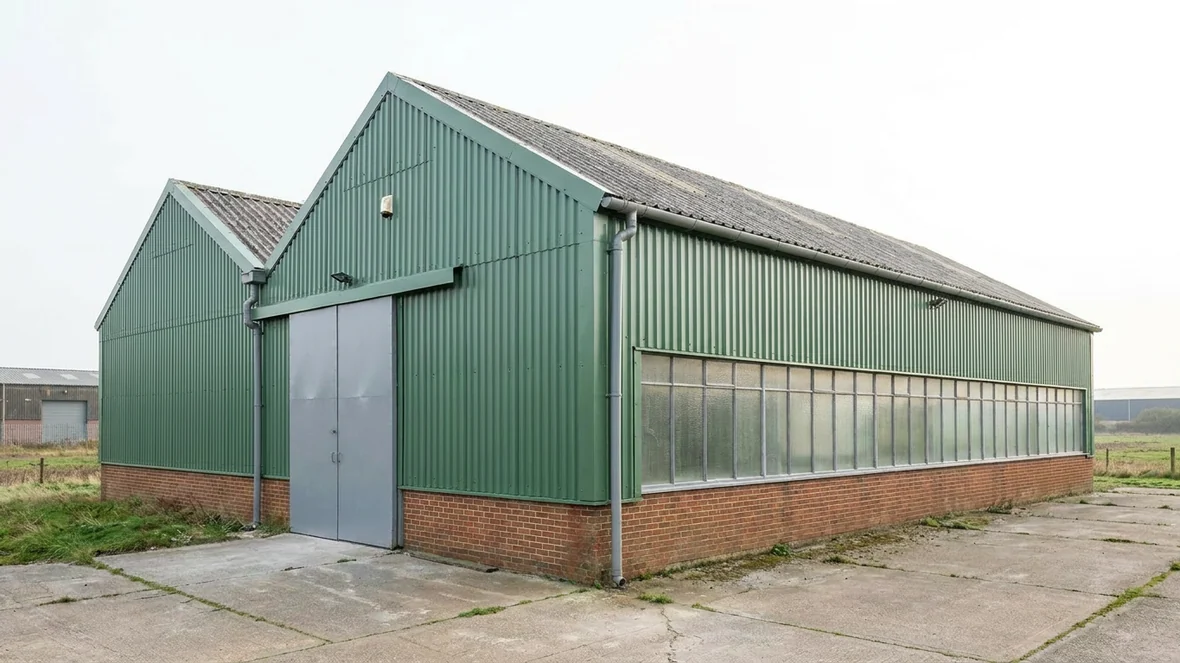
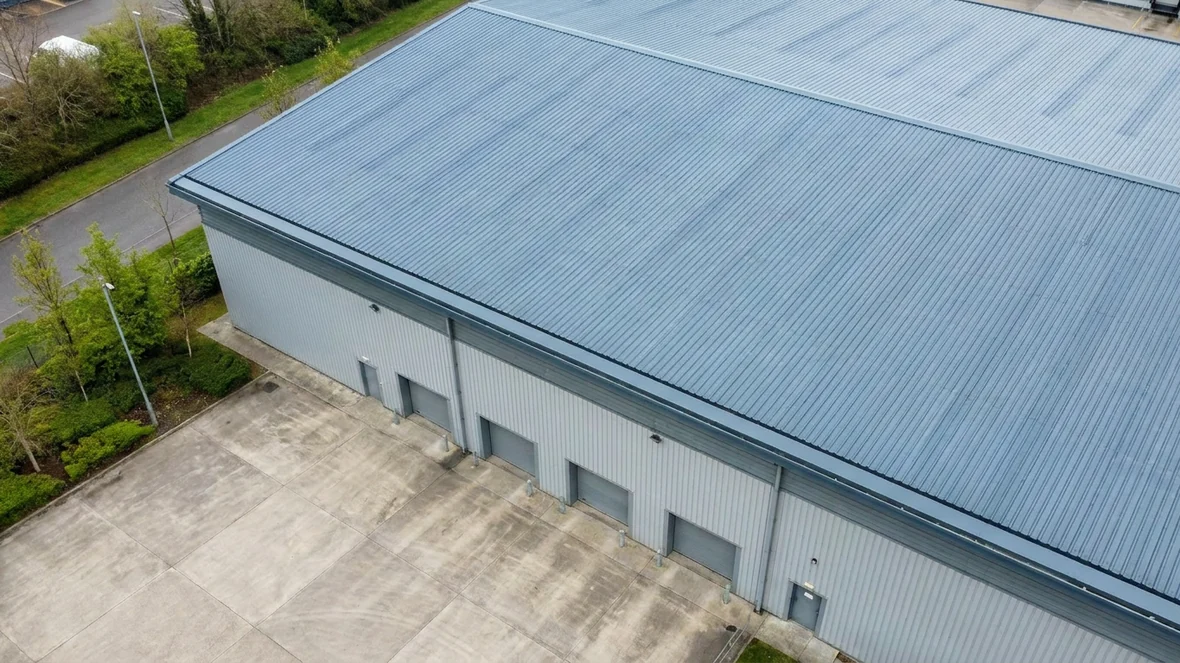
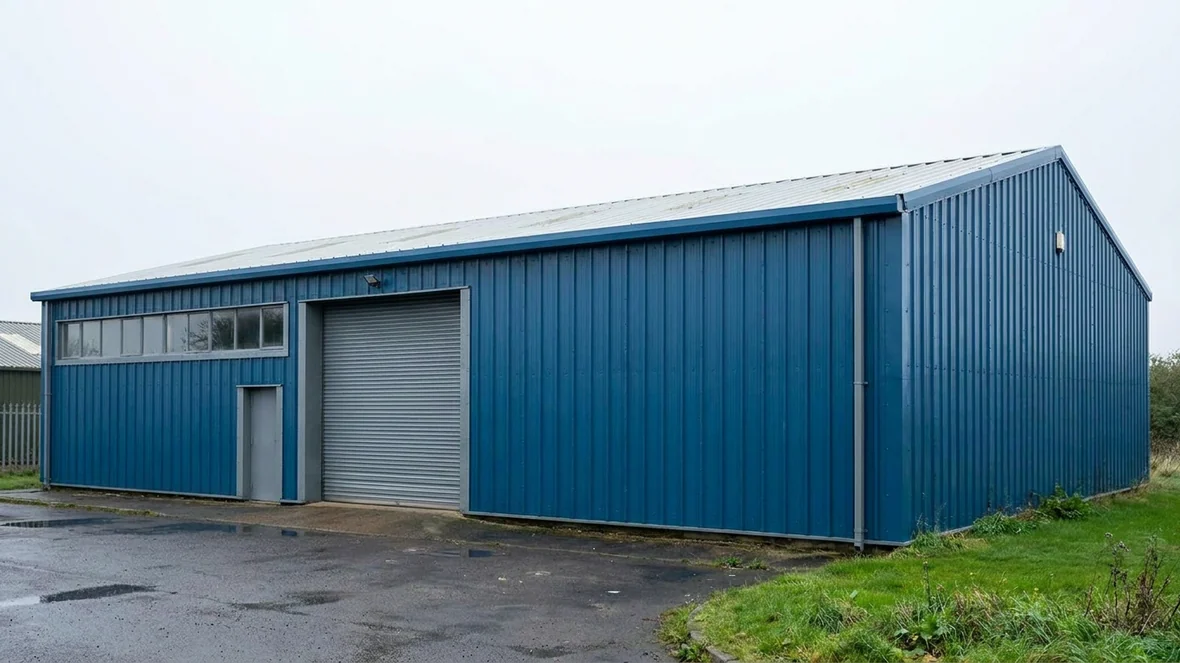
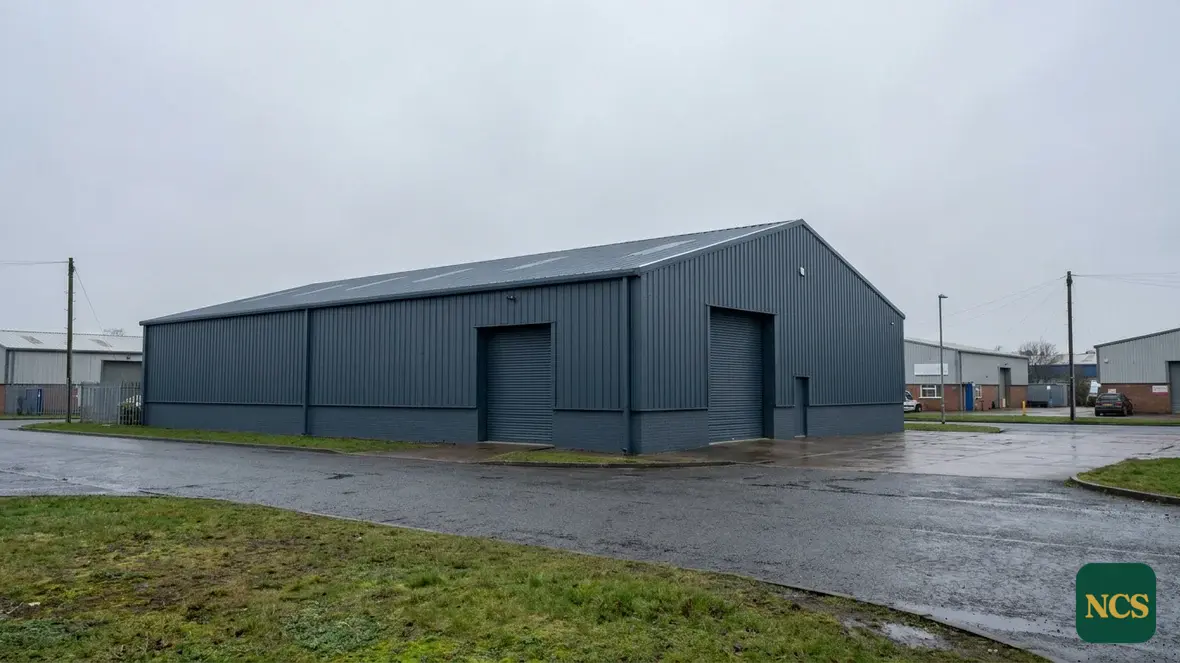
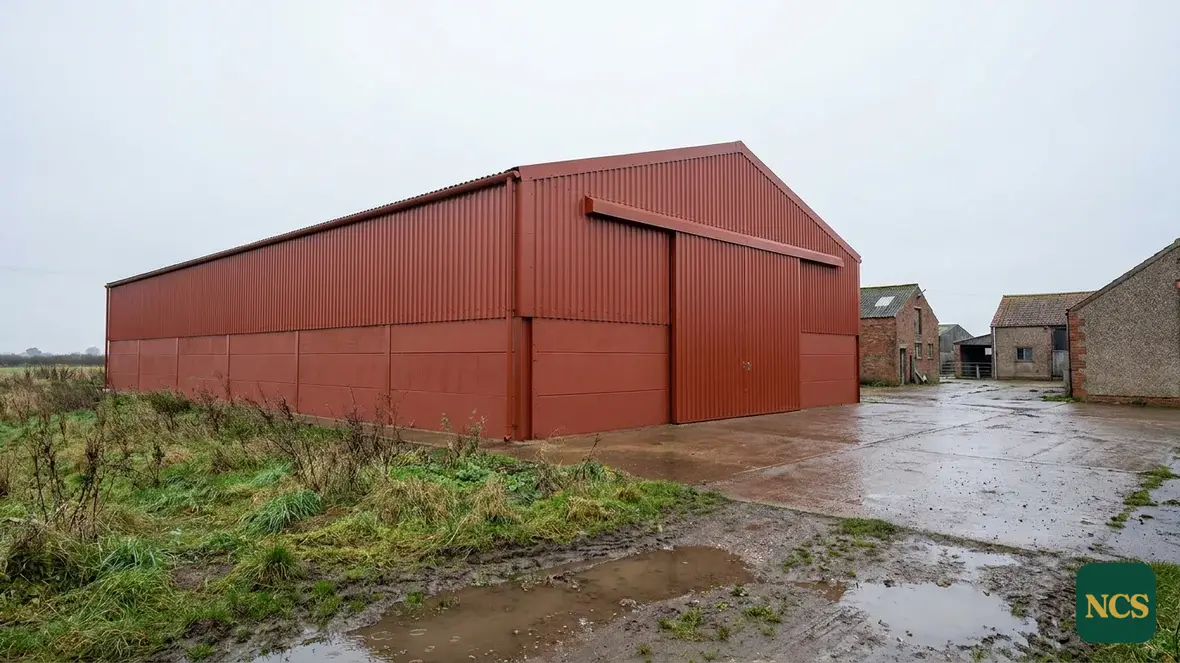
Coating work on industrial buildings
Industrial buildings put the hardest demands on a coating. The roofs are large and fully exposed, the elevations are long, and the sites rarely have the luxury of shutting down while the work happens. Warehouses, factories, distribution units and engineering works all share the same problem: a lot of metal, weathering at the same rate, that becomes expensive to replace and cheap to protect if you catch it in time.
The defect that defines the sector is cut edge corrosion, the rust that starts at the exposed lap of each roof sheet and works back under the coating. Left alone it eats the sheet from the edge in. Alongside it we see general coating breakdown on old plastisol, blocked or split box gutters, and fixings that have loosened and let water track inside.
What usually needs doing
We treat the corrosion at the laps first, make good the gutters and failed details, then coat the roof or cladding in a system matched to the exposure. On a live site that means treating the fabric without stopping the forklifts, so the work is zoned, and the access is planned around loading bays, yard traffic and shift patterns.
How an industrial job runs
The survey sets out what is genuinely worth coating and what is past it, because on a large roof the wrong call is costly either way. Once the route is agreed, the work is phased so production keeps running underneath, each stage is photographed, and you get a written record of what was done sheet by sheet. Sector background is on the industrial buildings page, with the relevant routes under services.