



Agricultural wall coating: the state of farm building walls
Livestock sheds, grain stores and dairy buildings face unique pressures. Ammonia from urine attacks surfaces, while constant wash-downs drive moisture into cracks. Steel framing corrodes where coatings fail, and porous blocks wick up damp that spreads across walls. Left unchecked, these issues accelerate structural wear, increase heating costs and create environments where mould and bacteria thrive.
For working farms, wall condition directly impacts operations. Peeling coatings trap dirt, complicating hygiene regimes. Spalled render hazards livestock, while cracked surfaces harbour parasites. The right protective coating reduces annual maintenance burdens, contains ammonia damage and keeps buildings functional for decades. Agricultural wall coating is exactly that protective layer, specified after a survey rather than guessed at.
Farm wall construction and weathering
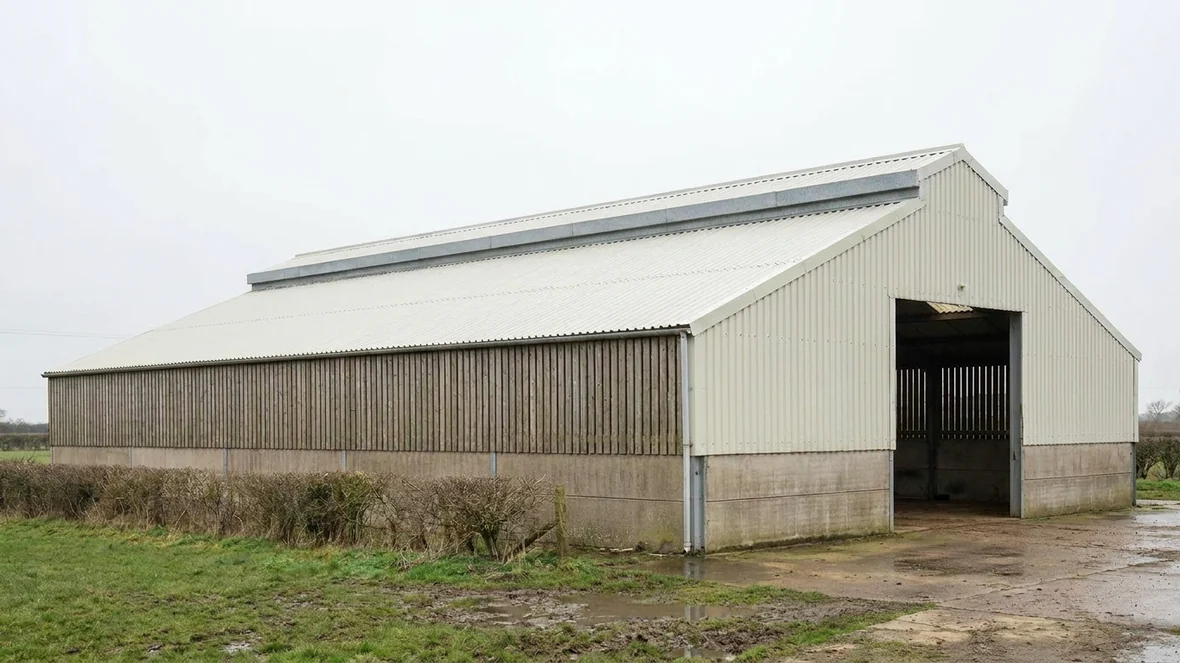
Agricultural buildings typically combine steel frames with blockwork, brick or composite cladding. Older stock often has asbestos-cement panels or corrugated sheeting. Each material fails differently. Uncoated blockwork erodes at mortar joints first, letting water penetrate the core. Brickwork loses pointing, then spalls at frost-vulnerable edges. Steel-clad walls corrode at fastener points and panel seams where coatings thin.
Modern composite panels resist weathering better but still degrade at fixing points and base details where moisture pools. Traditional lime renders crack as buildings settle, while cement renders delaminate when water gets behind them. All eventually need protective overcoating to prevent substrate damage.
The survey-led coating process
Every farm building survey starts by mapping substrate types, existing coatings and failure patterns. We check for asbestos content, structural movement and areas needing repair before coating. Critical details include wash-down zones, livestock contact points and high-traffic areas needing extra protection.
The coating system matches the building’s use. Dairy parlours need chemical-resistant finishes, while feed stores require impact-resistant coatings. Application accounts for farm operations – avoiding milking times, working around livestock movements and using low-odour products where animals remain in situ. The right coating bonds tightly, bridges minor cracks and withstands decades of farm use.
Call it wall coating or exterior painting, on farm buildings the jobs that last are the ones where the preparation was honest.
The repairs that come first
Agricultural buildings need careful assessment before any coating work begins. Cracked render is common on older farm structures, where decades of thermal movement and substrate shrinkage have opened hairline fractures. These cracks act as moisture highways, letting water penetrate behind the surface layer. Blown patches occur when the existing coating loses adhesion, often around window openings or where rainwater drips from roof edges. Damp ingress typically shows as tide marks on interior walls or fungal growth in livestock areas. All three issues must be properly addressed before applying any new coating system.
Our survey identifies the root cause of each defect rather than just treating the visible symptoms. For example, cracked render may stem from inadequate movement joints in the original construction. Blown patches often trace back to poor surface preparation during previous repairs. Damp problems frequently relate to blocked ventilation or failed damp-proof courses. Addressing these underlying issues ensures the new coating performs as intended.
- Full substrate assessment to identify hidden defects
- Removal of all unstable or contaminated existing coatings
- Proper repair of structural cracks with appropriate fillers
- Treatment of any fungal or algal growth before recoating
- Verification of adequate ventilation and drainage
Planning around farm operations
Coating work on working farms must accommodate tight operational windows. Dairy parlours cannot be out of action during milking times. Grain stores become inaccessible during harvest. Lambing sheds must remain undisturbed in spring. We schedule all work around these critical periods, often splitting projects into phases to minimise disruption. Early morning starts allow work to progress before daily routines begin, while weekend slots may suit some livestock buildings.
The physical constraints of farmyards also shape how we work. Narrow access lanes limit the size of equipment we can bring on site. Overhead power lines often restrict scaffold height. Dust sensitivity around feed stores means we adapt our surface preparation methods. Ammonia-rich environments in livestock housing require specific primer systems. Every farm presents unique challenges that our survey captures before work begins.
Why the survey comes first
No two agricultural buildings present identical coating challenges. A survey establishes the substrate type, previous treatment history, exposure conditions and operational constraints that together determine the right specification. Steel-framed buildings expand and contract differently to masonry structures. Asbestos cement roofs demand particular handling compared to modern fibre cement. Grain stores need vapour-permeable coatings unlike dairy buildings requiring washdown resistance.
The survey also maps out access routes, power sources and welfare facilities for the coating team. It identifies any asbestos-containing materials that require licensed removal before work can start. Most importantly, it aligns the project timeline with the farm’s operational calendar, avoiding busy periods like harvest or lambing. Only with this comprehensive understanding can we propose a coating system that will perform as needed while causing minimal disruption to the working farm.
The next step
You can read more about the wider exterior wall coating service, or see how we approach agricultural buildings as a whole. When you are ready, request a free survey and we will look at the building itself before recommending anything.
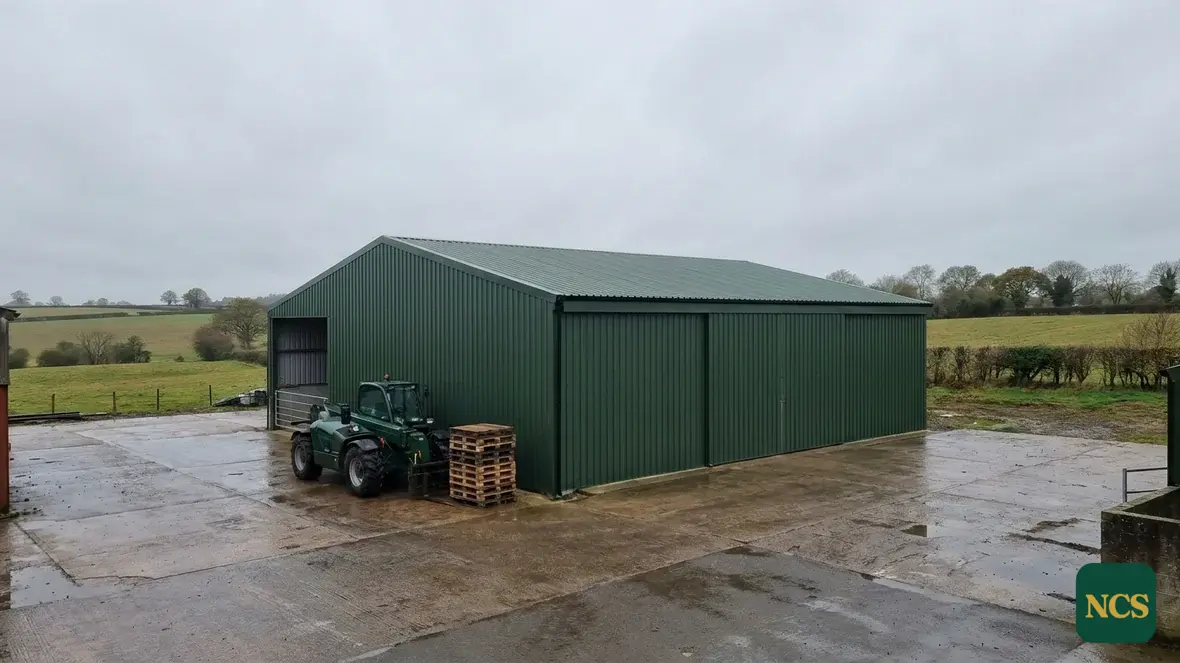
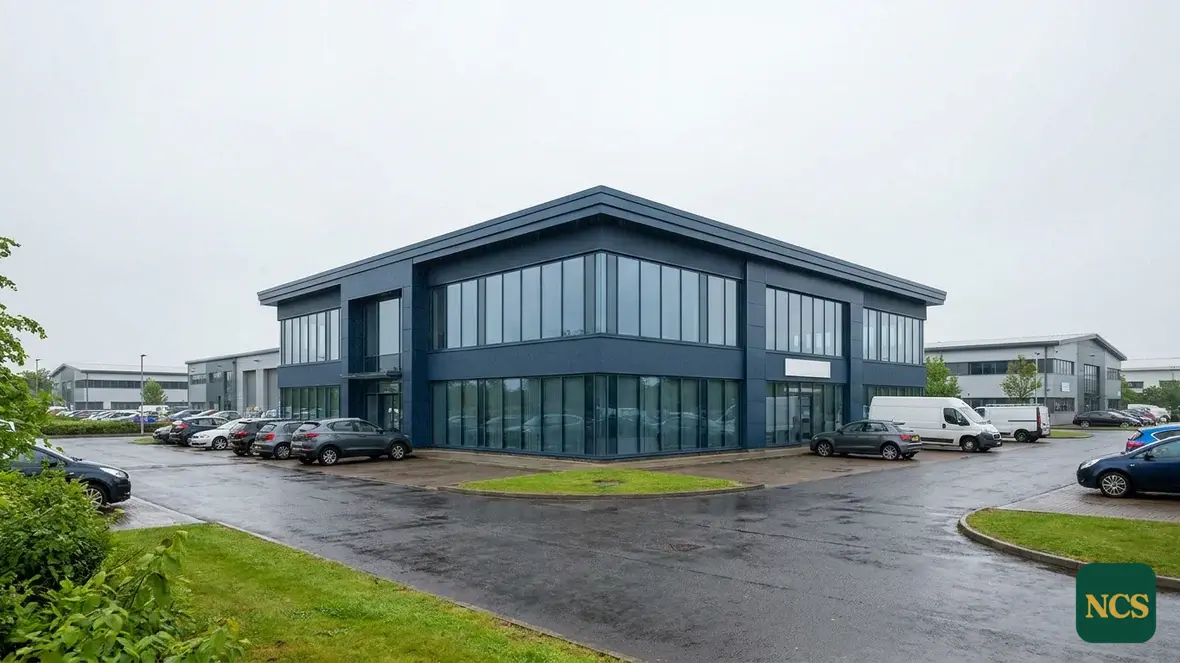
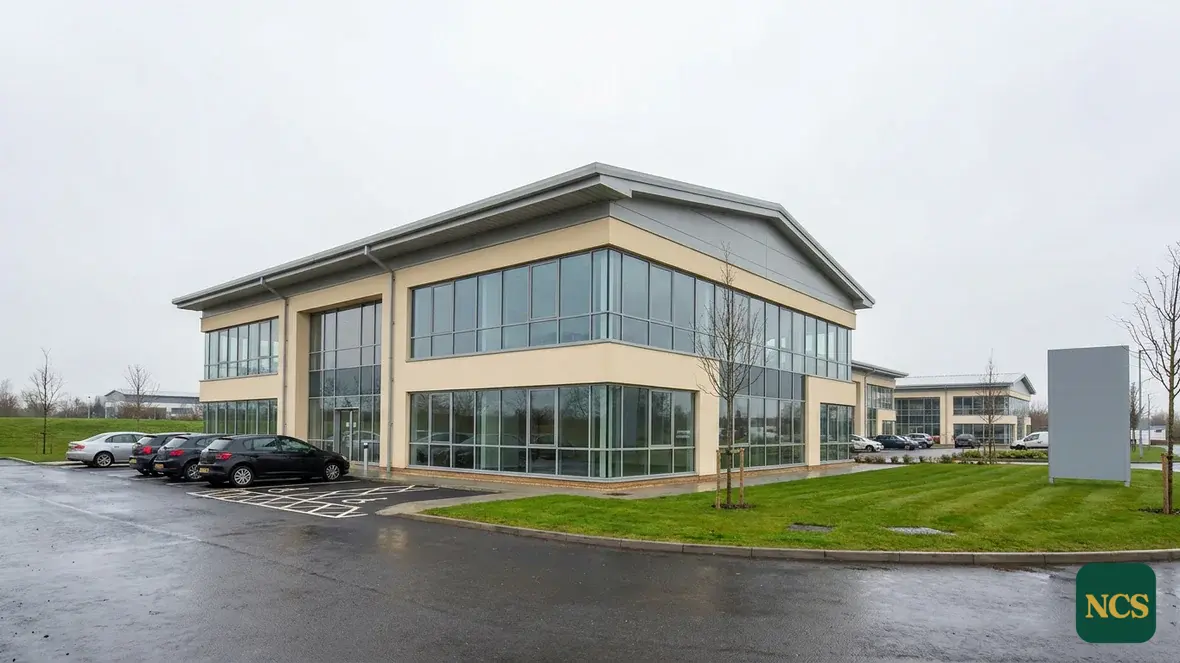
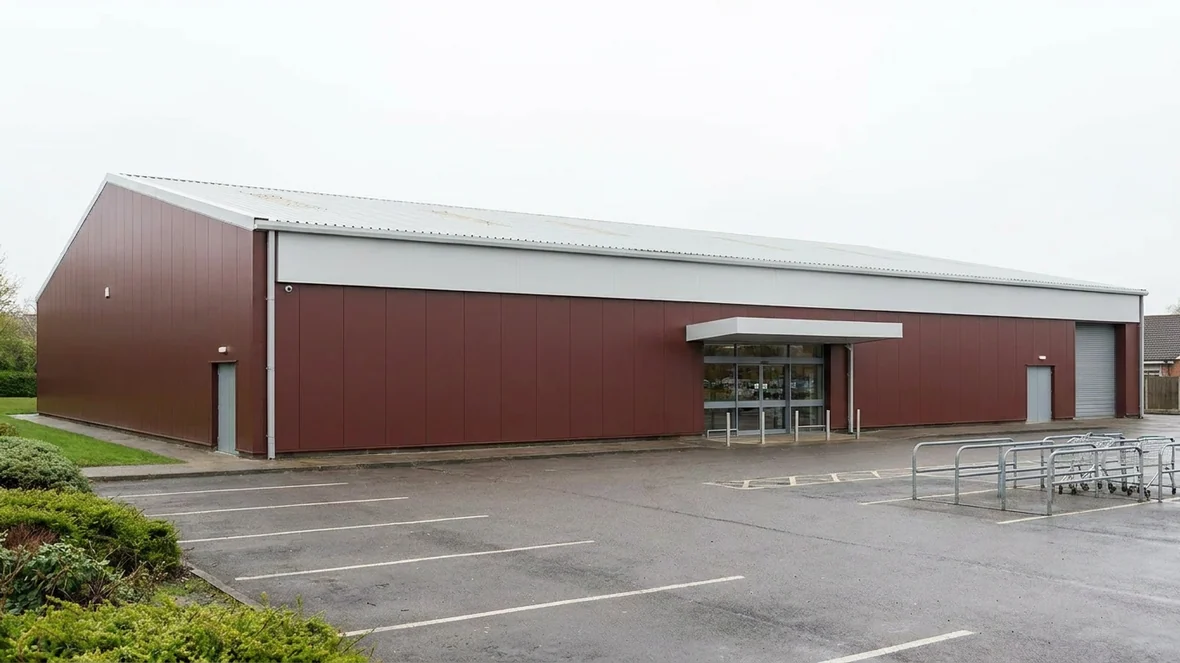
Agricultural wall coating: recent work we can show you
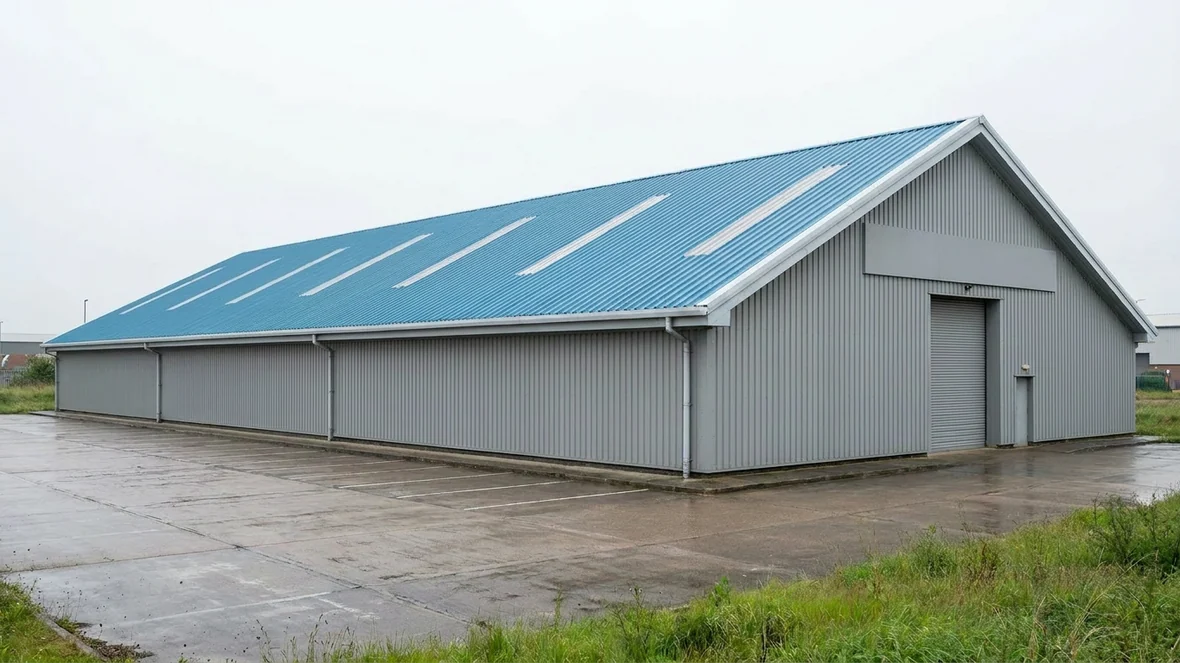
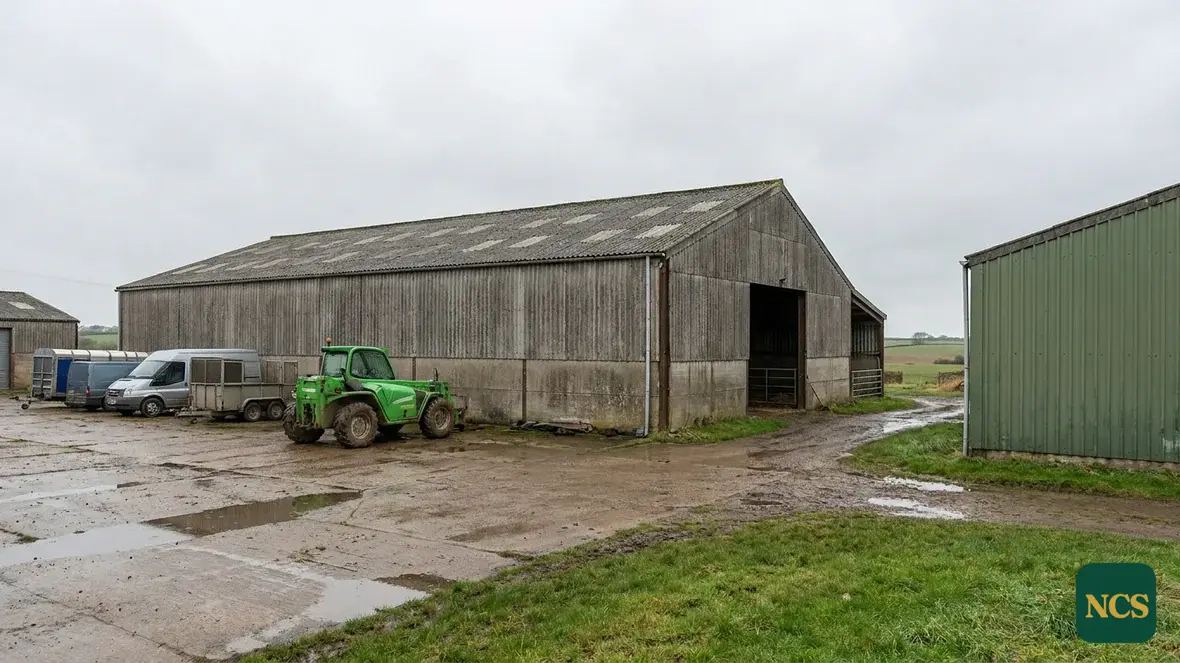
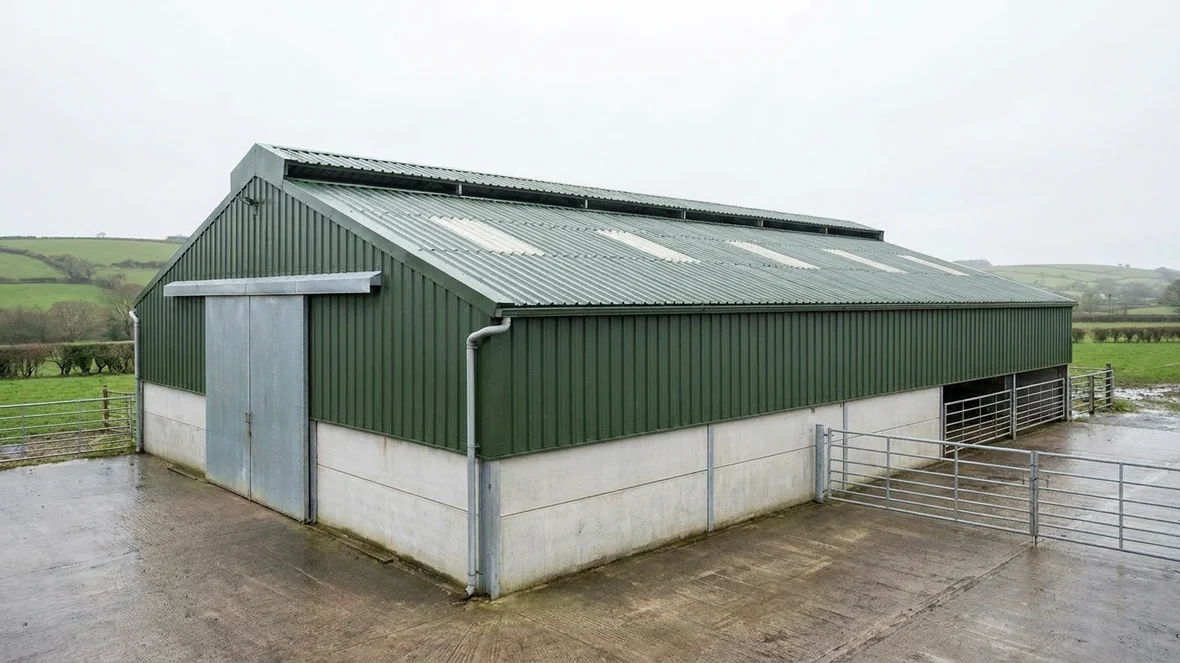
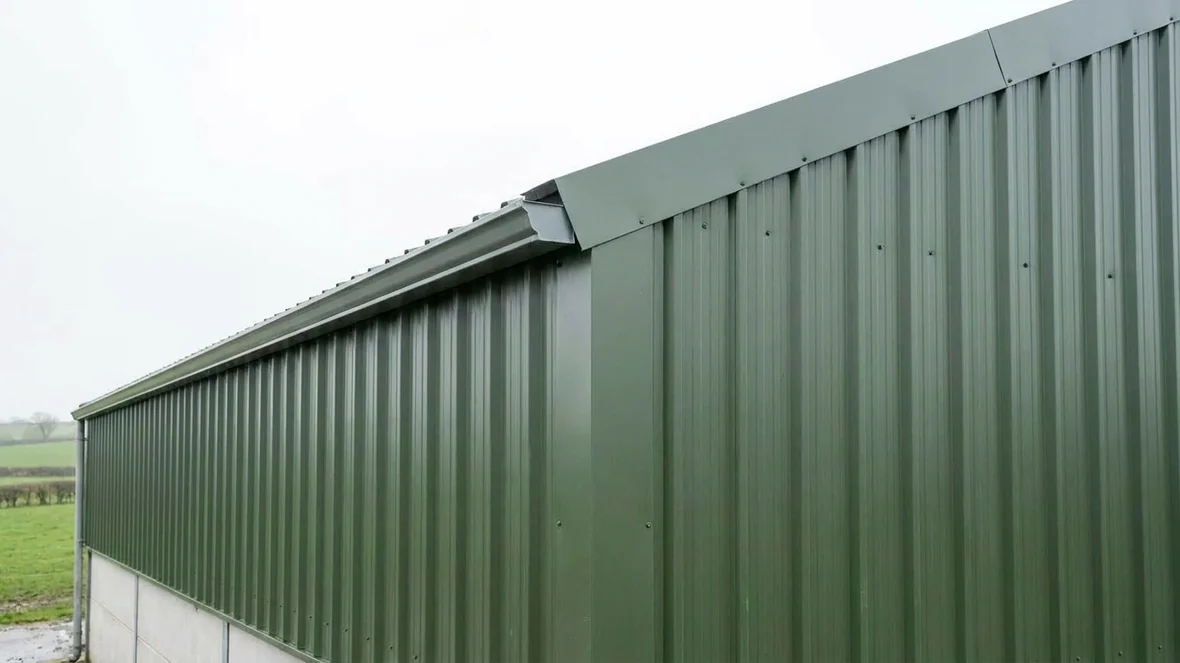
These are our own photographs from jobs of the same type. They are not stock images, and none of them is dressed up as something it is not. The caption tells you where each one was taken.
Standards behind our agricultural wall coating work
Livestock buildings mix ammonia, moisture and constant wash-down, so the coating system and safe access to apply it are both agreed at survey stage. Our teams plan every job around the HSE’s guidance for the agriculture industry, and we hold CHAS accreditation so the health and safety paperwork a farm business or estate manager asks for is ready before the first van arrives.
Common questions about agricultural wall coating
Can old farm building walls be coated?
Often, yes. Profiled steel, previously coated cladding and some masonry or cementitious surfaces can be suitable, provided they remain sound. We first establish what the wall is made from, how firmly any existing finish is attached and whether moisture, corrosion or structural movement is present. Coating will not stabilise loose sheets or compensate for a failing substrate.
Can agricultural wall coating be applied over rust?
Light, localised corrosion can usually be prepared and treated before coating. Loose scale, failed paint and contamination must be removed, with particular attention paid to fixings, cut edges, overlaps and areas beneath leaking gutters. Where corrosion has perforated the sheet or significantly weakened it, repair or replacement is normally the better course.
Will coating stop leaks through wall cladding?
It may help protect properly repaired details, but agricultural wall coating is not a substitute for fixing the source of water ingress. Failed sealants, loose fixings, damaged flashings and defective gutters should be dealt with first. If water is entering from the roof, a wall coating will not perform a small miracle and send it elsewhere.
How long does agricultural wall coating last?
Service life depends on the substrate, preparation, exposure, building use and maintenance. Coastal air, fertiliser dust, livestock environments, persistent shade and defective rainwater goods can all place greater demands on the finish. We therefore base the specification on the surveyed condition and intended use rather than offering a blanket lifespan.
Can you coat walls on an occupied agricultural building?
In many cases the work can be planned around normal farm operations, but access and environmental control remain important. Livestock, stored crops, machinery and sensitive equipment may need to be moved or isolated. We also consider ventilation, overspray risk, curing conditions and the possibility of dust or debris entering occupied areas.
Agricultural wall coating or replacement?
Coating is generally worth considering when the wall sheets or substrate are structurally serviceable but the existing finish has faded, chalked or begun to fail. Correct preparation and recoating can restore weather protection and appearance without removing otherwise usable cladding. It also allows local repairs to be addressed as part of a planned refurbishment.
Replacement wins when the wall itself is no longer dependable. Heavily perforated steel, widespread deep corrosion, badly distorted sheets, extensive cracking or insecure fixings are not coating defects. Covering them may improve appearance briefly, but it does not restore lost strength.
Replacement may also be the better option where the building needs a substantial change in performance. New insulation requirements, persistent condensation, revised fire performance, hygiene demands or a different internal lining arrangement may be difficult to achieve through coating alone. If moisture is trapped within the wall build-up, that defect should be investigated rather than sealed behind a new finish.
There are also mixed cases. A largely sound elevation may contain isolated sheets or flashings that have reached the end of their useful life. We can specify local replacement before coating the retained areas, provided the new and existing materials are compatible. This avoids treating the choice as all-or-nothing.
Our recommendation follows the survey. If preparation and repair would leave a stable surface, agricultural wall coating can be a sensible refurbishment method. If too much of the substrate requires intervention, we say plainly that replacement is the more credible solution.
Preparation at laps, fixings and wall junctions
The broad faces of agricultural cladding are rarely the most troublesome areas. Performance is usually decided at the details: horizontal laps, sheet ends, exposed edges, fixings, corners, openings and junctions with roofs or plinths. These locations retain moisture and contamination, and they are commonly where an existing finish first breaks down.
Cleaning and surface preparation
We remove dirt, organic growth, loose coating and other deposits using methods appropriate to the substrate. Agricultural residues can be stubborn, particularly around ventilation outlets and livestock areas. A surface that looks clean while still carrying grease, salts or friable paint is not ready to coat.
Corroded steel is prepared back to a firm edge. We feather surrounding paint rather than leaving a hard ridge beneath the new finish. Sound existing coatings are checked for adhesion and compatibility; a coating system is only as secure as the layer beneath it.
Fixings, edges and overlaps
Fixing heads are inspected for corrosion, movement and failed washers. Loose or unsuitable fixings require attention before coating. Simply painting over a moving fixing tends to leave a neat circle around the same unresolved problem.
Cut edges and sheet ends often need more preparation than the main elevation. We remove loose corrosion products and apply the specified treatment before the wider wall coating. Open laps, failed sealants and displaced trims are assessed individually, as sealing every gap indiscriminately can obstruct drainage or ventilation paths.
Drying conditions and application
The wall must be dry enough for the specified system, including within profiles and sheltered laps. We consider air temperature, surface temperature, wind, condensation risk and forecast rainfall. Strong sun can also create difficulties by heating one part of an elevation far more quickly than another.
Application is planned to maintain the required coverage around profiles and details without excessive build-up or missed edges. Masking protects doors, rooflights, vents, signs and adjacent finishes. After application, we inspect the elevation for thin areas, pinholes, overspray and incomplete detail work before access equipment is removed.