



School roof coating
School roof coating decisions come down to budget cycles and holiday windows, not just the roof itself.
Why school roofs reach the coat-or-replace decision
School buildings endure decades of British weather while operating under tight maintenance budgets. Roofs on teaching blocks and sports halls typically face twenty to thirty years of thermal cycling, UV exposure and water ingress before showing structural compromise. Local authorities and academy trusts must then decide between full replacement or protective coating – a choice driven by building age, substrate condition and available capital budgets.
Flat roof sections on post-war classroom wings often degrade visibly first, with blistering membranes and ponding water. Profiled steel roofs on sports halls may show rust at fixings or panel edges. Composite cladding on newer builds can suffer sealant failure. All represent points where timely intervention with a protective coating can prevent more costly structural repairs.
The school roof stock and how it fails
The UK education estate contains three main roof types. Flat roofs dominate on system-built teaching blocks from the nineteen sixties and seventies, typically using asphalt, felt or single-ply membranes. Profiled steel sheets cover sports halls and later additions, usually galvanised or coated steel. Modern academy buildings often feature composite panel systems with metal facings and insulated cores.
Failure modes vary by material. Flat roofs suffer membrane shrinkage, cracking at upstands and water penetration at detailing. Profiled steel develops corrosion at cut edges, fastener points and lap joints. Composite panels face sealant degradation and face layer delamination. All accelerate when maintenance budgets defer essential upkeep during tight financial years.
The roofs on schools and public-sector buildings that fail early after painting were never repaired first. Edges, laps and fixings come before any coat.
Where roof coating works for schools
A professionally applied coating system can restore waterproofing and reflectivity to ageing school roofs without full replacement. On sound but weathered flat roofs, liquid-applied membranes bridge cracks and seal detailing. For profiled steel, specialised coatings arrest corrosion while maintaining thermal performance. Both approaches minimise disruption compared to strip-and-replace works.
Coatings prove unsuitable where structural integrity is compromised or where extensive substrate repairs would outweigh the benefits. Specialist survey identifies these cases early, ensuring schools only proceed where coating delivers genuine long-term value.
Leaks, fixings, rooflights and gutters
School roofs often develop leaks around rooflights, through failed fixings, and along gullies where water pools. A thorough survey will identify these points of failure, which must be repaired before any coating is applied. Rooflights in particular can be problematic, with seals degrading over time and allowing water ingress. Fixings holding profiled steel panels in place may loosen, while gutters can become blocked or sag under the weight of standing water.
- Check rooflight seals and replace any degraded components
- Inspect fixings and tighten or replace as necessary
- Clear gutters of debris and rectify any sagging sections
- Address pooling water by improving drainage
- Repair damaged flashings around penetrations
These repairs are essential to create a sound substrate for coating. Applying a coating over existing leaks or compromised fixings will only mask the problems temporarily.
Planning the work around school constraints
School roofing work must be carefully scheduled around term dates, exam periods, and safeguarding requirements. Approved contractors will have clear protocols for working safely on school premises. The work is typically planned to take place during school holidays or at weekends to minimise disruption. Longer projects may be phased across multiple holiday periods.
Governor or trust approval is often required for major roofing works. Forward planning is essential, as budgets are usually set well in advance and may need to accommodate scaffolding hire, asbestos surveys, and other associated costs. Early engagement with the school allows time for necessary approvals and helps ensure the work is completed within the available window.
Why the survey comes first
A detailed survey is the critical first step in any school roofing project. It provides a clear understanding of the roof’s condition, identifies any necessary repairs, and informs the specification of materials. For school buildings, the survey will pay particular attention to areas prone to leaks, the condition of fixings, and the integrity of flashings and penetrations.
The survey findings enable accurate planning of the works, including sequencing repairs and coating application within the available timeframe. It also provides the school with a complete picture of the roof’s condition and the proposed solution, supporting their decision-making process.
That planning discipline is the same one behind every school roof coating project we take on.
Getting a straight answer
Our roof coating page covers the system side in more depth, and the schools & public sector page shows how we work across the sector. The practical next step is a free site survey, which costs nothing and commits you to nothing.
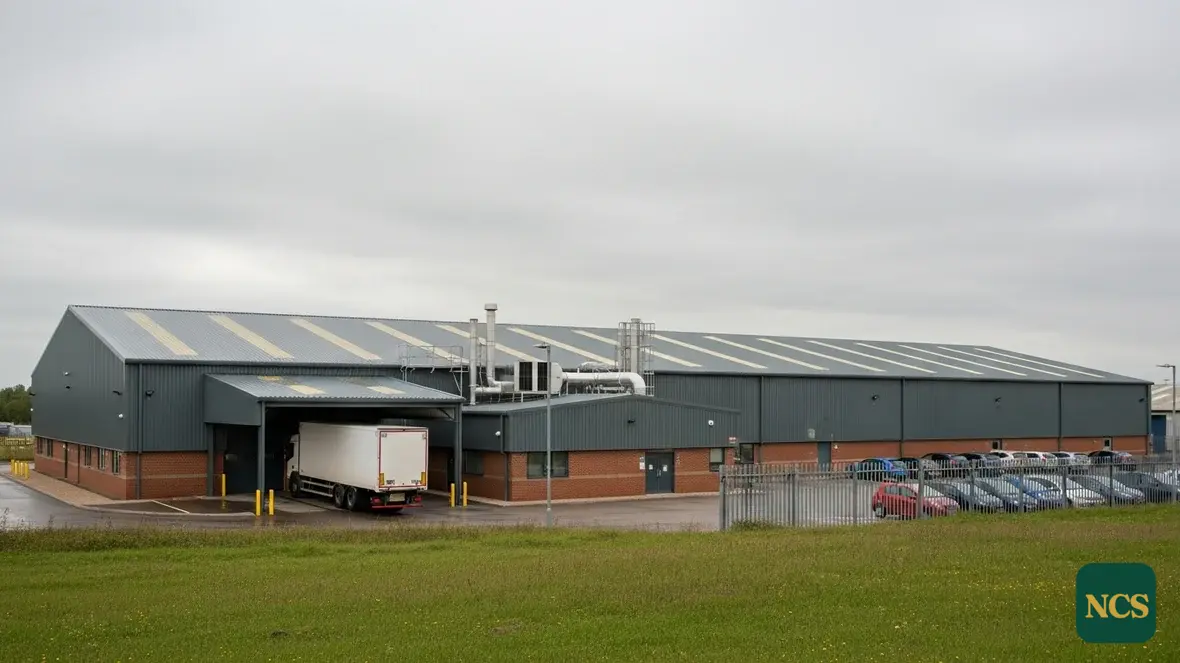
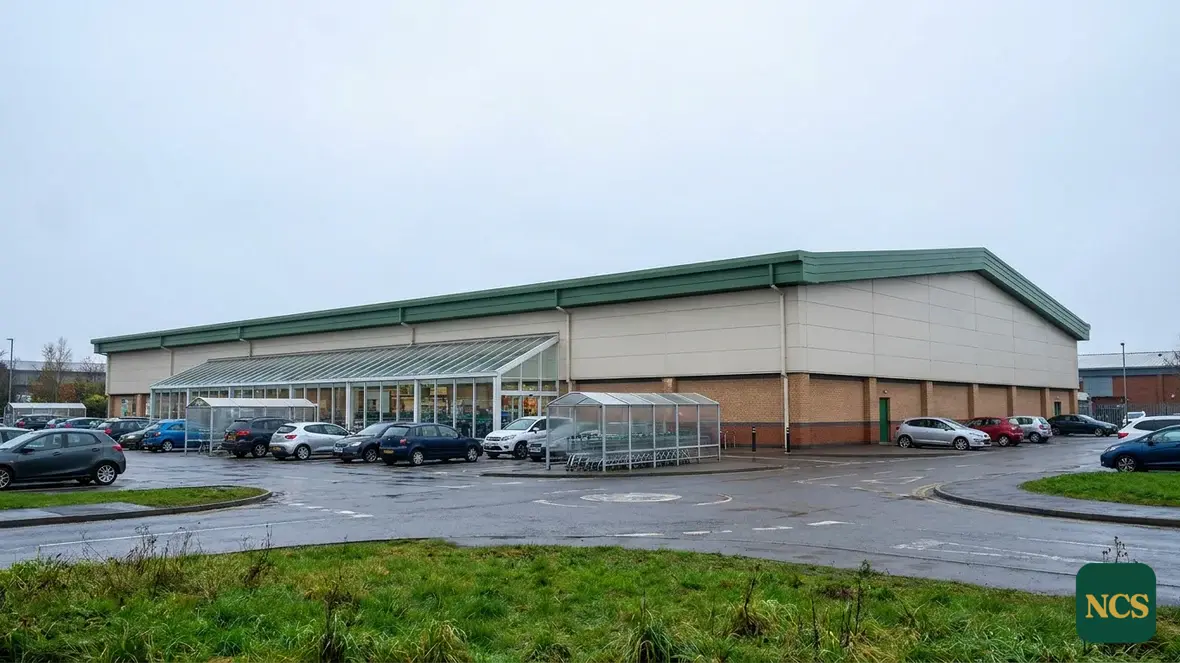
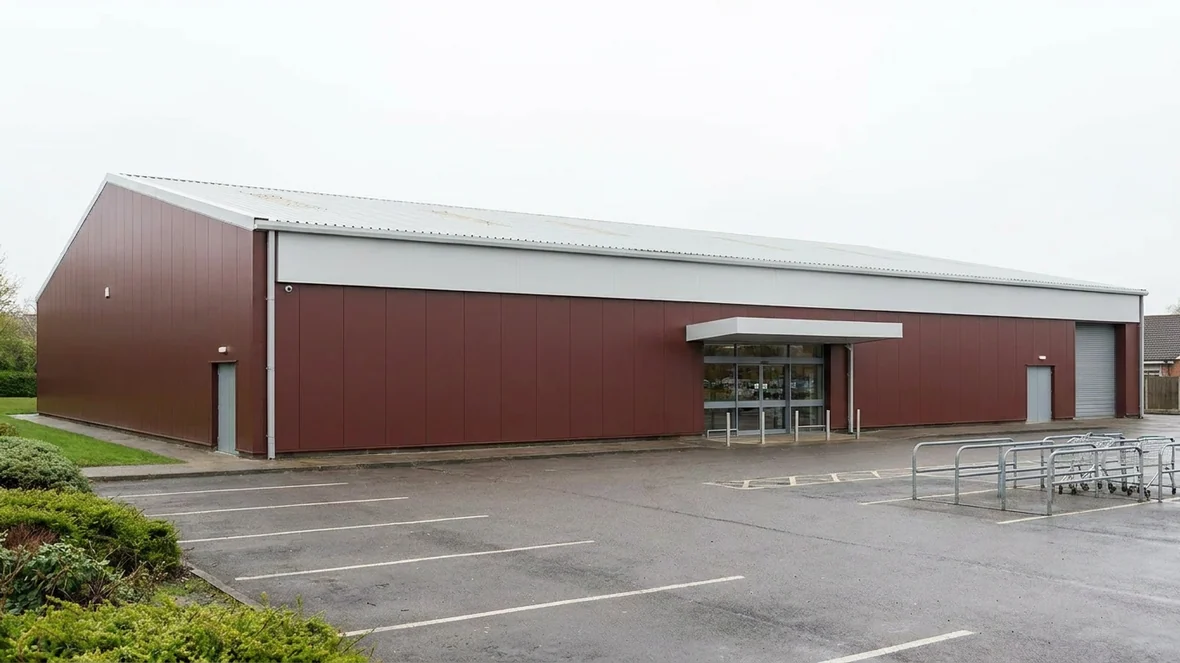
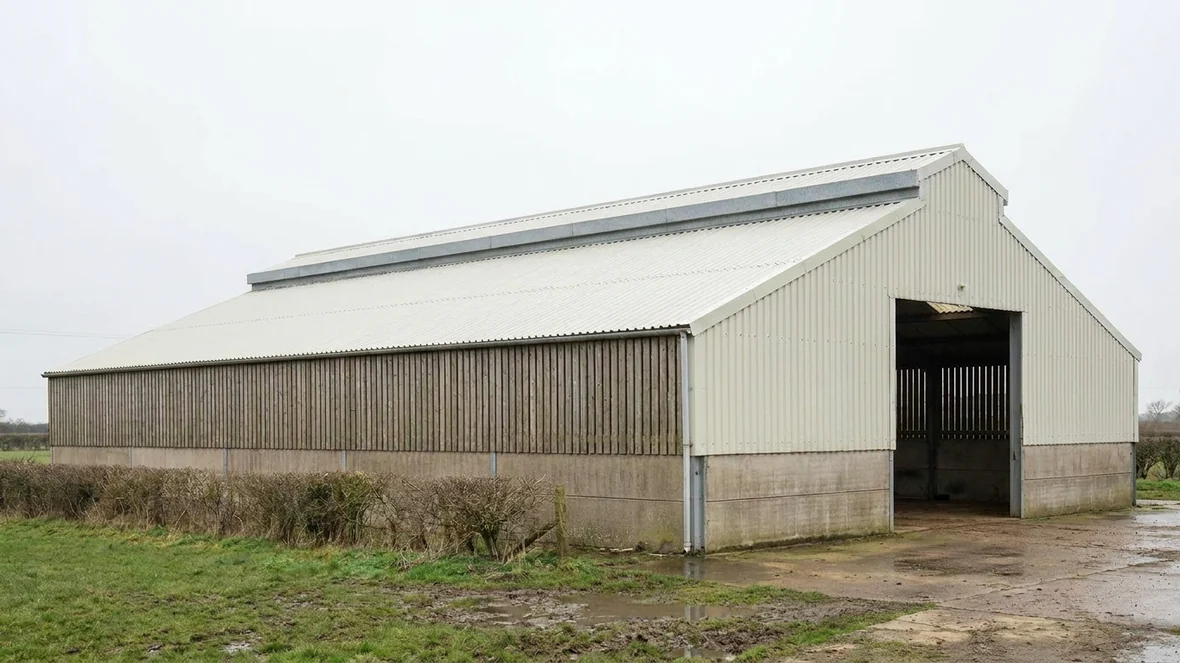
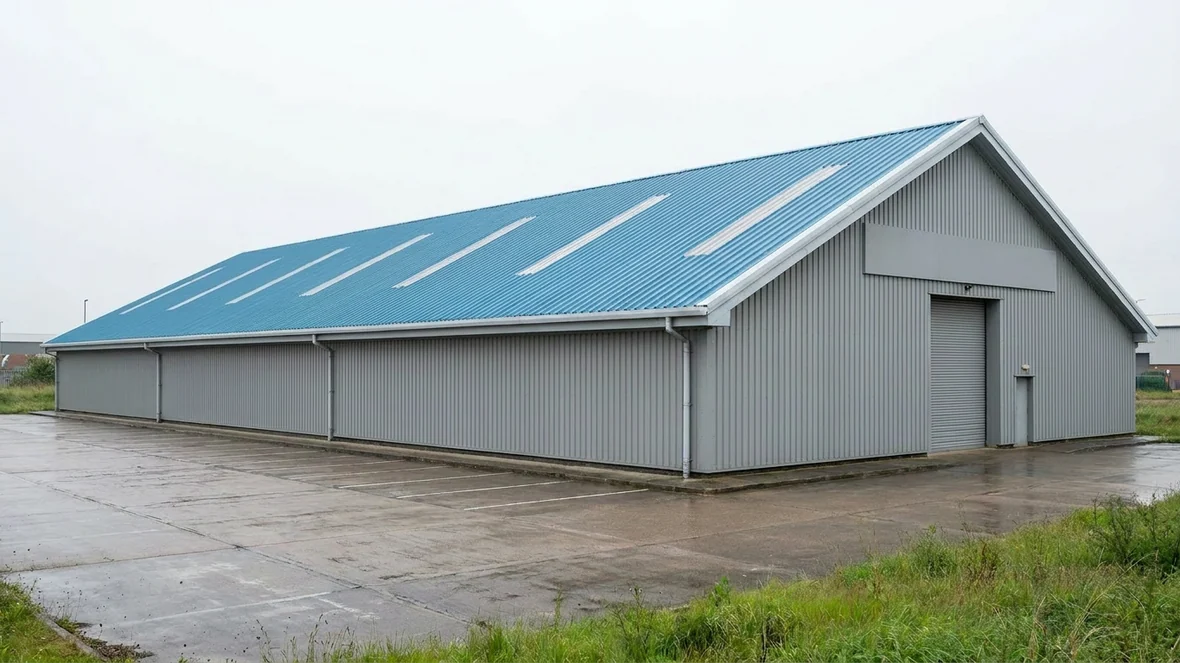
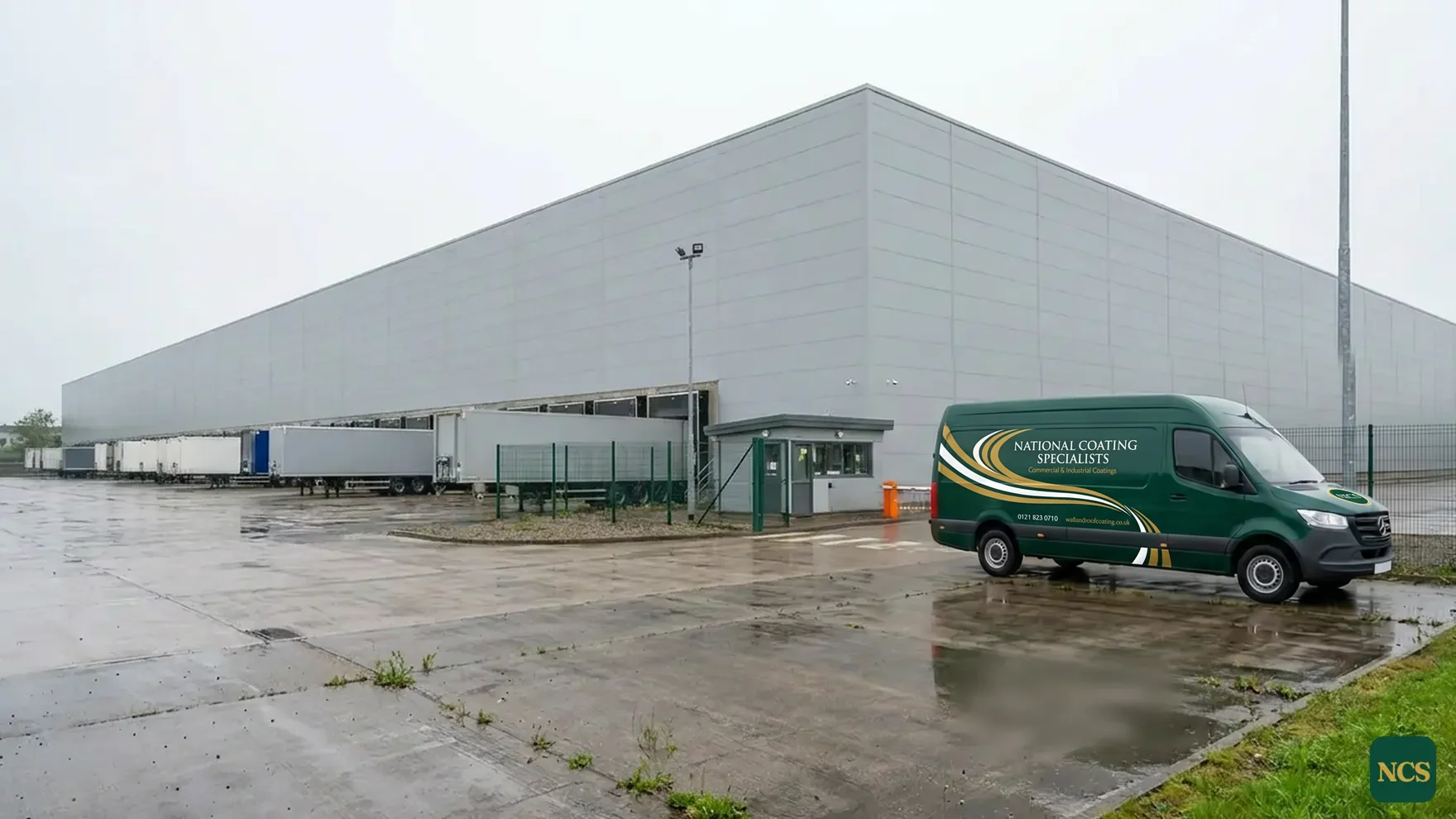
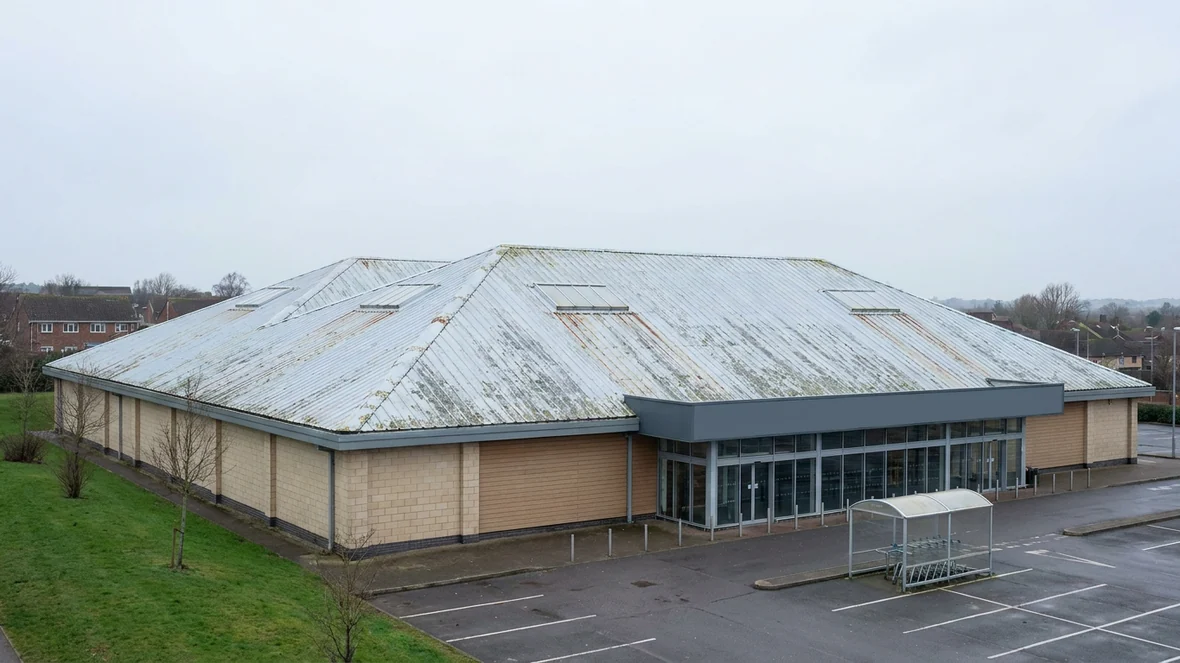
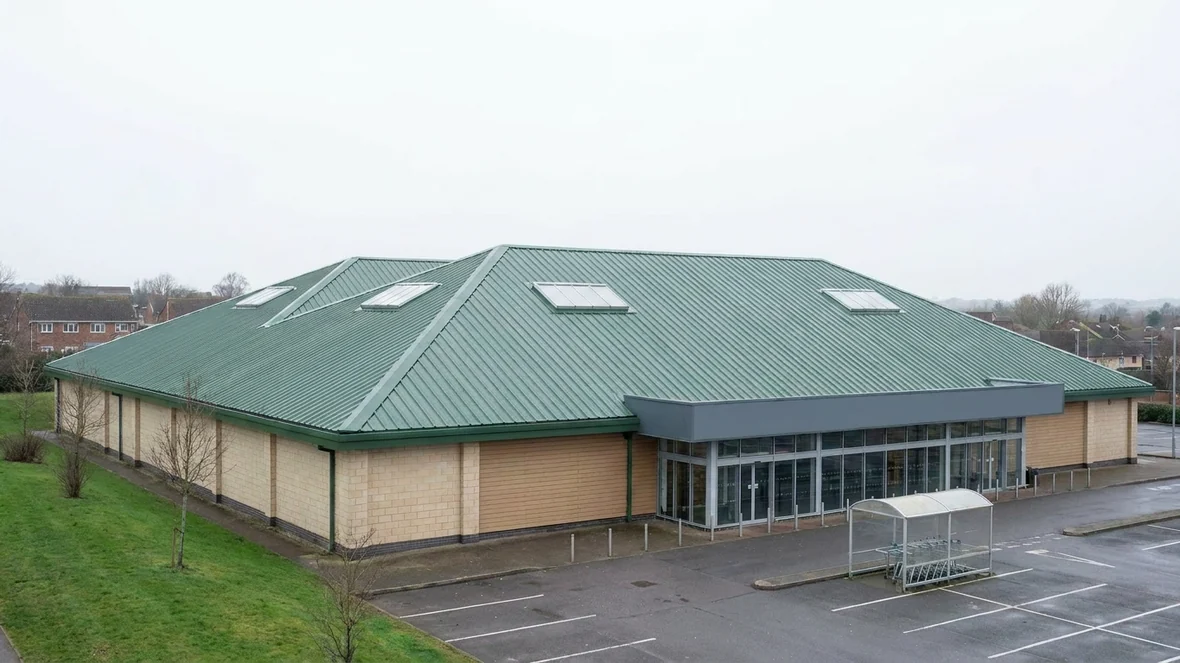
School roof coating: recent work we can show you
These are our own photographs from jobs of the same type. They are not stock images, and none of them is dressed up as something it is not. The caption tells you where each one was taken.
Standards behind our school roof coating work
School roof coating surveys treat every site as work at height with safeguarding-aware access, planned around term dates from the first visit. Our teams plan every job around the HSE’s work at height guidance, and we hold CHAS accreditation so the health and safety paperwork a facilities team or governing body asks for is ready before the first van arrives.
Common questions about school roof coating
Is my school roof suitable for coating?
Suitability depends on the roof covering, its condition, drainage and the integrity of its fixings, laps and joints. We begin with a roof survey rather than assuming a coating is appropriate. Roofs with widespread structural deterioration, saturated insulation or persistent movement may require remedial work or replacement instead.
Can school roof coating stop leaks?
A correctly specified coating system can help weatherproof a sound roof, but it should not be used to conceal unresolved defects. We identify likely points of water entry and repair failed seams, penetrations, flashings and localised damage before coating. Internal damp may also have causes unrelated to the roof covering, including condensation or defective drainage.
Can the work be completed while the school remains open?
In many cases, yes. We plan access, deliveries and working areas around the school’s safeguarding and operational requirements. Noisy or disruptive preparation can be scheduled for quieter periods where practical, while suitable controls are used to keep pupils, staff and visitors away from the work area.
How long does a coated school roof last?
Service life varies according to the roof condition, coating specification, exposure, drainage and ongoing maintenance. We do not treat every roof as though it will perform identically. Regular inspections and prompt attention to blocked outlets, accidental damage and movement at details help preserve the completed system.
Can a roof be coated during the school holidays?
Holiday periods can provide easier access and reduce disruption, but the programme must still allow for survey findings, preparation and suitable weather. Coatings should not be applied simply to meet a fixed date if the surface is wet, contaminated or outside the required application conditions.