



Warehouse gutter lining: why box gutters corrode and leak
Warehouse box gutters sit hidden between roof slopes, collecting water from vast steel roofing areas. Unlike domestic gutters, they handle industrial volumes – one distribution centre roof can channel over a hundred thousand litres during heavy rain. Steel gutters expand and contract daily with temperature swings, breaking seals. Forklift exhausts, bird droppings and debris accelerate corrosion, particularly at joints and downpipe connections.
Leaks often start at parapet upstands or valley junctions where roofing membranes terminate. Older buildings lack proper overflows, so blocked downpipes cause water to back up under roofing sheets. Once water penetrates, it travels along steel purlins and soaks insulation, often going unnoticed until interior drips appear above racking or loading bays.
Warehouse gutter construction and access challenges
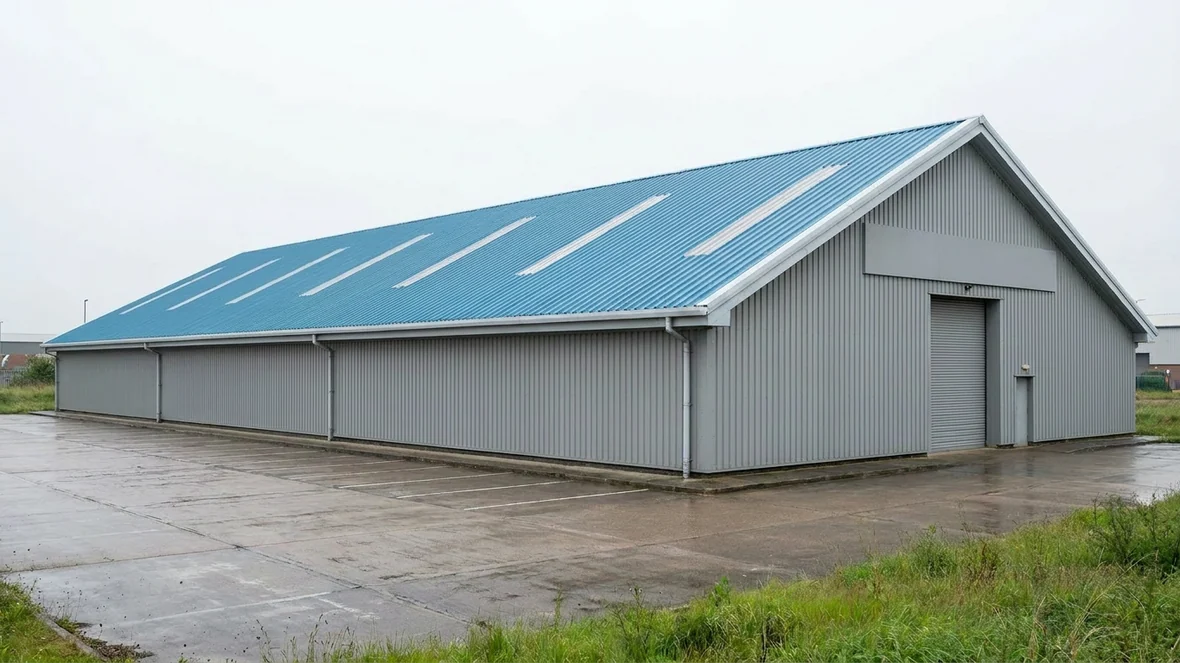
Most UK logistics buildings use trapezoidal steel roofing with built-in box gutters running between bays. These sit directly atop primary steelwork, often over occupied spaces like packing areas. Access typically requires mobile platforms in busy yards – difficult near loading docks or where HGVs manoeuvre.
Gutter runs frequently pass beneath rooftop plant like HVAC units or solar arrays. Internal downpipes often route through mezzanine offices or fire compartment walls. Surveying requires identifying all hidden junctions and penetrations before lining can begin, as these are common leak sources needing special attention.
We line, coat and repair the gutters of warehouses and distribution buildings across the UK, and the survey decides which of the three each run needs. Warehouse gutter lining is usually the least disruptive of the three, which is why it is where most jobs land.
Why lining beats full gutter replacement
Stripping warehouse roofing to replace gutters would require complete operational shutdown. Lining works from above without removing sheets, allowing normal activities to continue underneath. The process seals leaks while preserving original gutter geometry critical for proper drainage.
Modern lining membranes bond directly to prepared steel, bridging cracks and sealing corroded areas. Unlike replacement, lining maintains existing overflow paths and downpipe connections. It also avoids disturbing roof-mounted services or compromising fire compartmentation where downpipes pass through walls.
What a proper gutter lining system involves
A complete gutter lining solution for warehouse buildings starts with removing all existing debris and corrosion, then treating any rust spots with a specialist primer. The lining itself is a heavy-duty reinforced membrane, applied in continuous lengths to eliminate seams where leaks could form. Key areas like joints, outlets and overflows receive additional sealing layers. The final coat bonds permanently to the substrate, creating a watertight barrier that moves with the building’s natural expansion and contraction.
For box gutters on older warehouses, the system must accommodate uneven surfaces and existing repairs. Lining over previous patch fixes without proper preparation leads to premature failure. The membrane’s flexibility allows it to bridge minor cracks and imperfections while maintaining full drainage capacity. Properly installed, the lining should last for many years without needing attention.
- Full removal of existing debris and loose material
- Treatment of all rust and corrosion spots
- Continuous membrane application with no seams
- Extra sealing at critical junctions and outlets
- Final protective coating bonded to the substrate
Planning the work around operational constraints
Warehouse operations cannot stop for gutter repairs, so all work is scheduled around peak activity times. Early morning or weekend slots are typical, with temporary access platforms positioned to avoid obstructing loading bays and delivery routes. For buildings with racking close to the walls, compact equipment allows work to proceed without moving stock. Temporary drainage solutions keep water flowing during the process.
The team works section by section, completing each run in a single visit to minimise disruption. Protective sheeting catches all debris, with daily site cleans ensuring no material enters the yard or dock areas. Communication with site managers ensures everyone knows which areas will be worked on each day, allowing operations to continue uninterrupted elsewhere in the building.
Why the survey comes before specification
Every warehouse gutter system has unique challenges that only become apparent during a physical inspection. The survey identifies critical details like existing repair attempts, substrate condition at hidden junctions, and access constraints that affect material choices. Without seeing the actual site, any specification would be guesswork at best.
The survey also maps drainage paths and fall directions, which often differ from original plans after years of building movement. This information determines where to place additional reinforcement and how to sequence the work. Only after documenting these factors can the right lining system be specified with confidence.
Where this sits in our work
This work runs under our gutter lining service, alongside everything else we do for warehouses & storage. If one of these buildings is on your list, book a free survey and a surveyor will walk it before anything is specified.
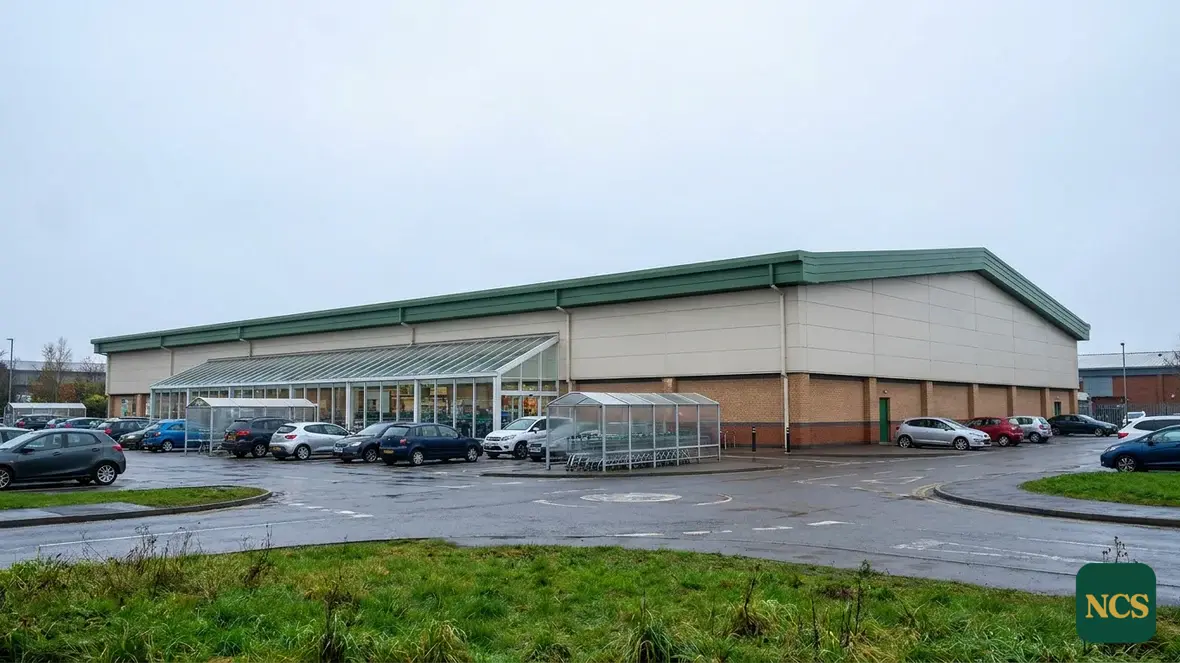
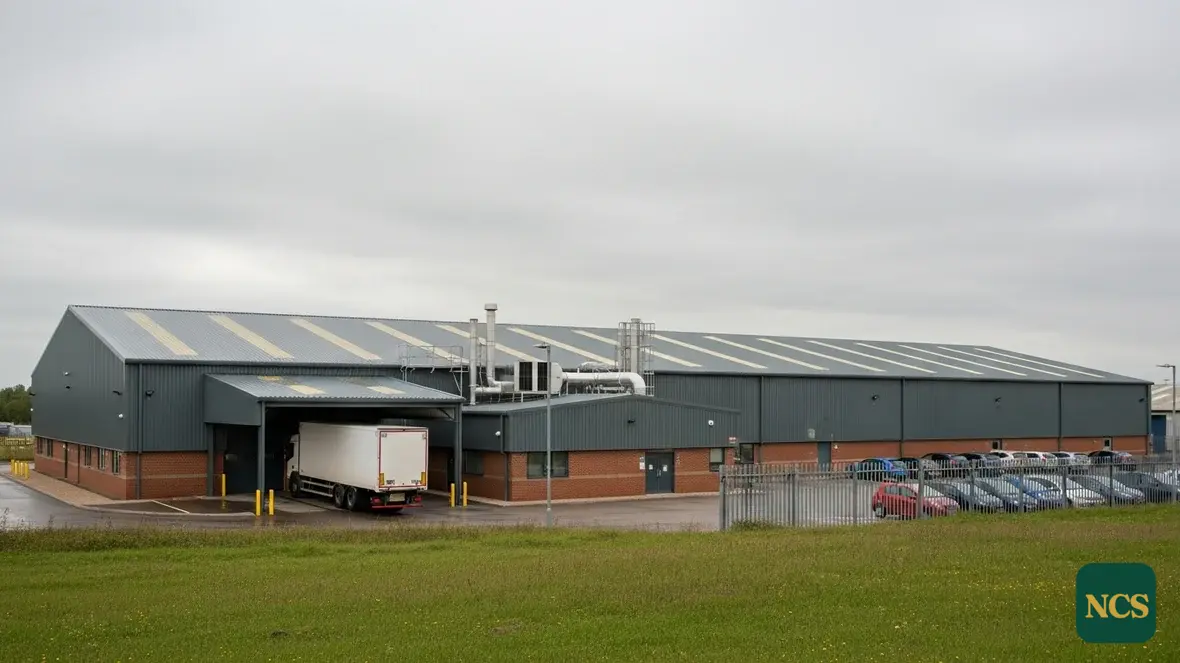
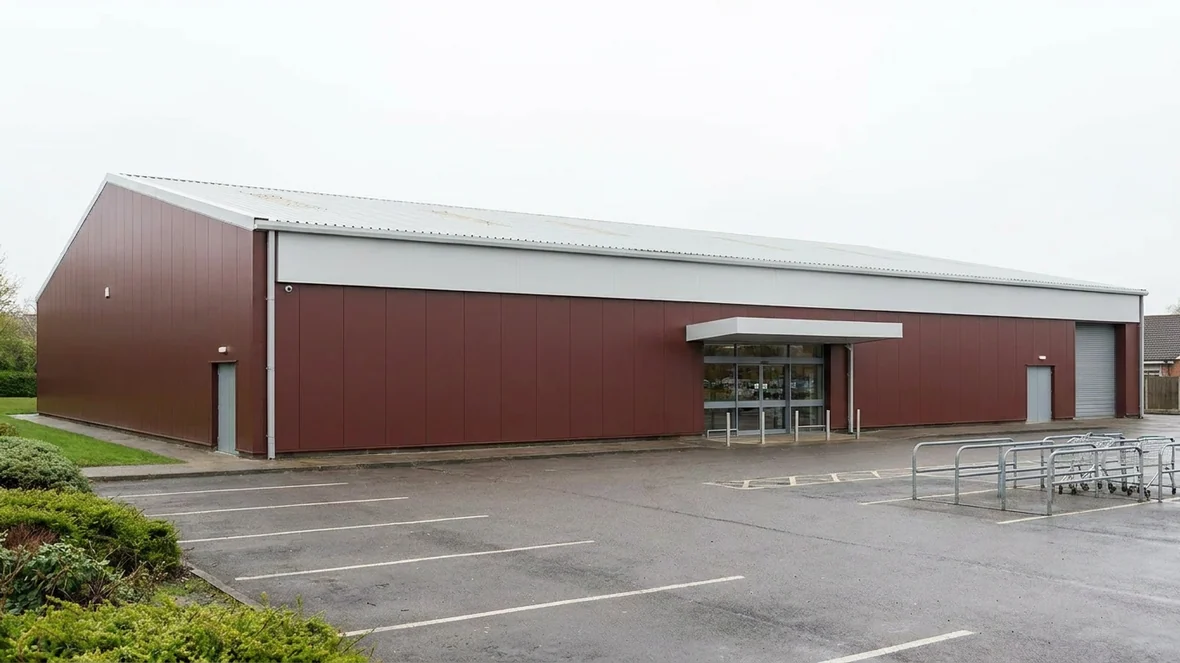
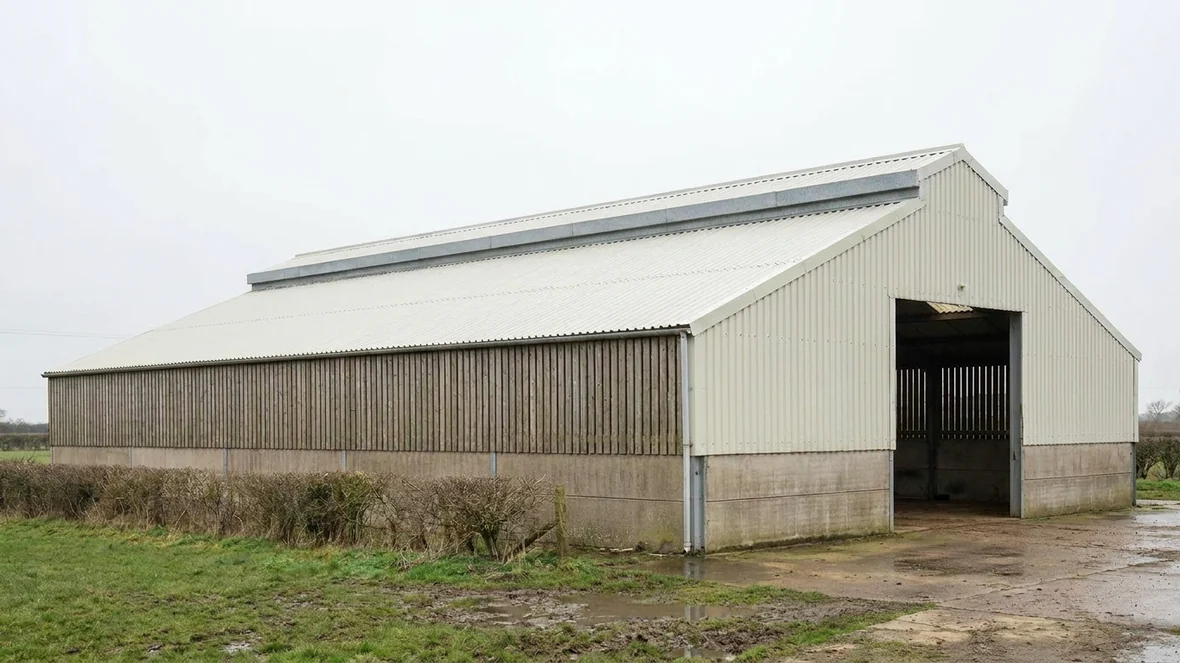
Warehouse gutter lining: recent work we can show you
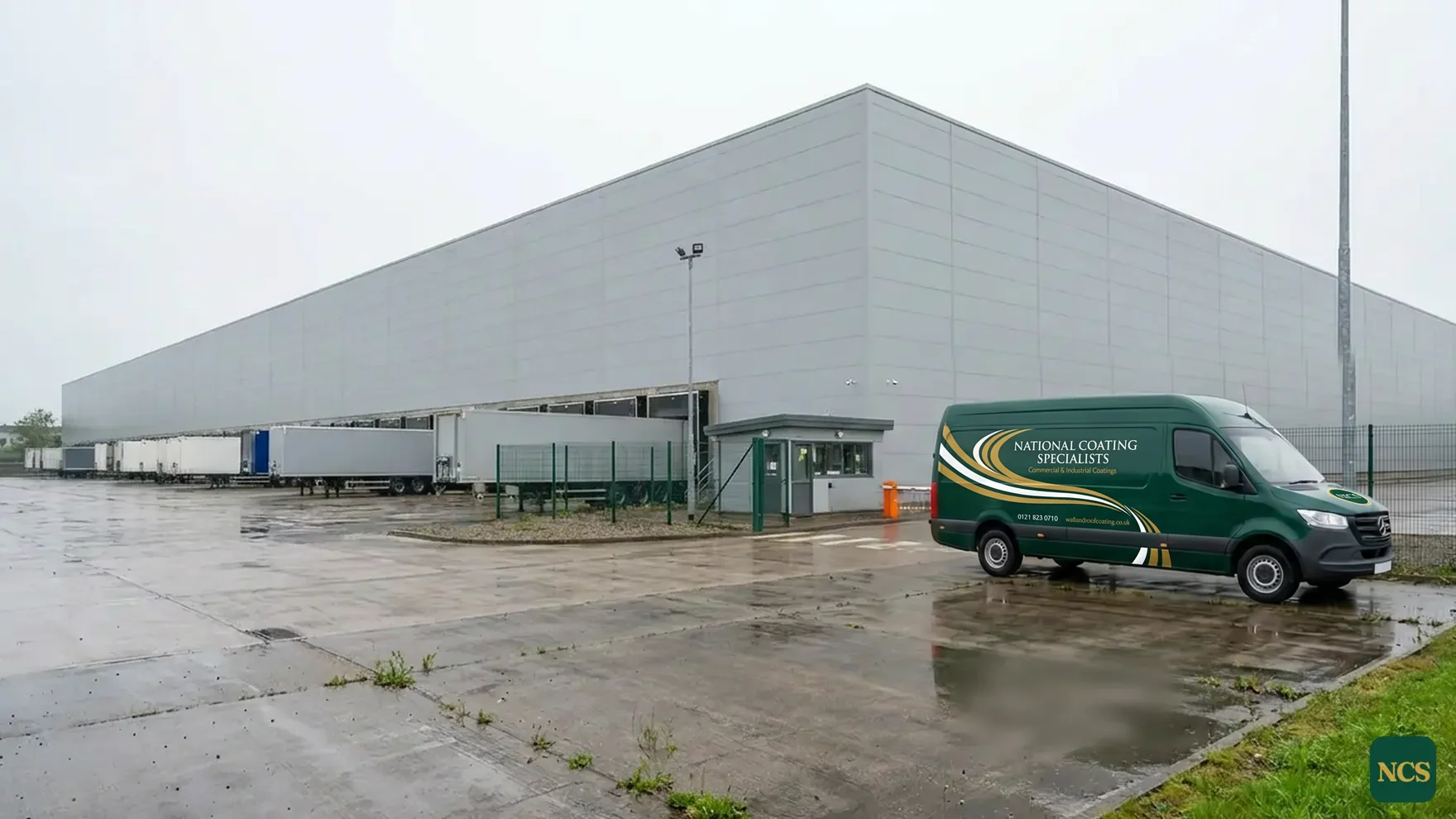
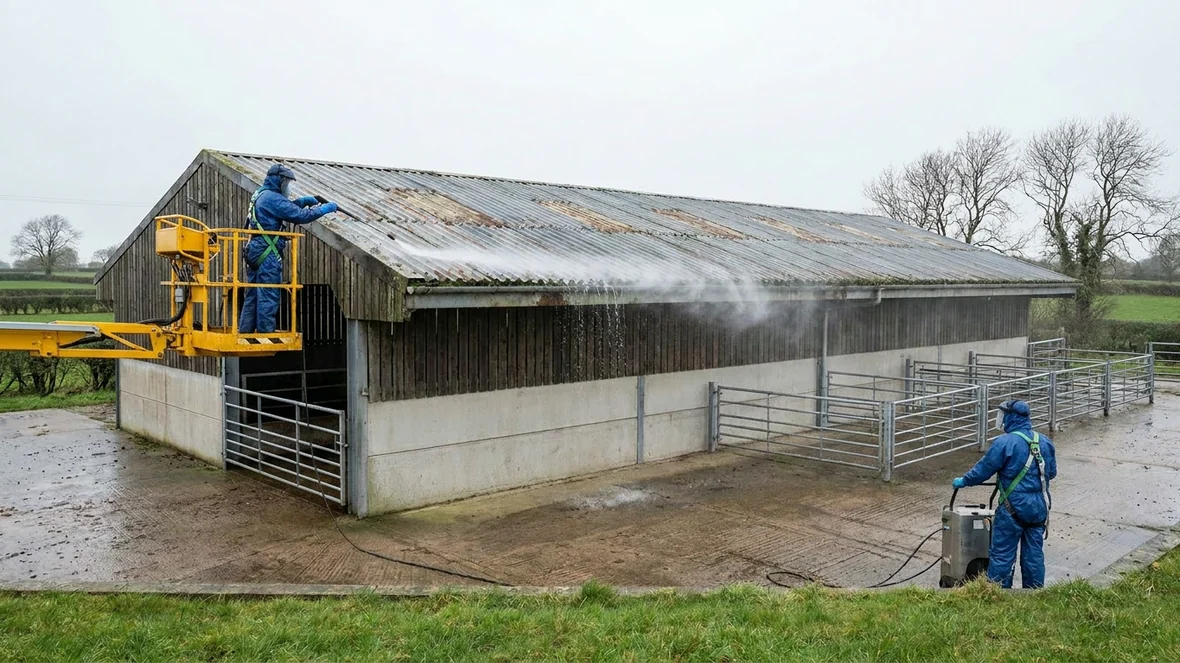
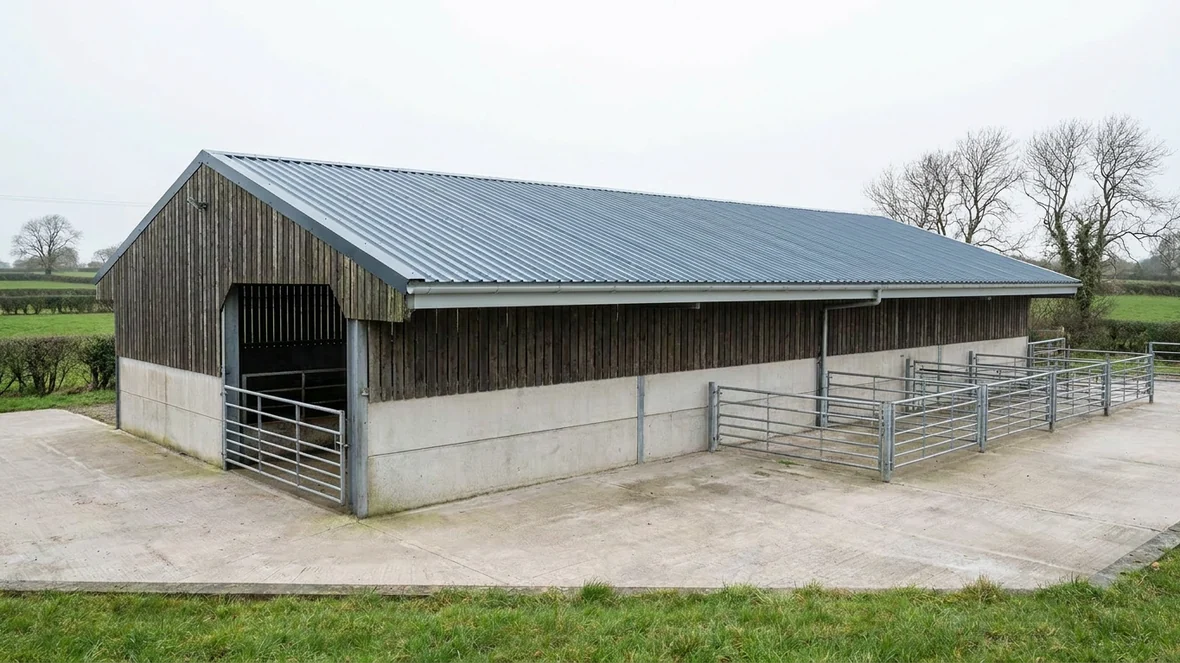
These are our own photographs from jobs of the same type. They are not stock images, and none of them is dressed up as something it is not. The caption tells you where each one was taken.
Standards behind our warehouse gutter lining work
Box gutters sit between roof slopes, so reaching them safely without disturbing rooftop plant is agreed at survey stage. Our teams plan every job around the HSE’s work at height guidance, and we hold CHAS accreditation so the health and safety paperwork a facilities or estates team asks for is ready before the first van arrives.
Common questions about warehouse gutter lining
Can warehouse gutters be lined without removing them?
In many cases, yes. Warehouse gutter lining is intended to refurbish the existing gutter while it remains in place. Suitability depends on the condition of the metal, the stability of joints and fixings, and whether corrosion has caused significant loss of section. We establish this through a roof and gutter survey before recommending a specification.
Will gutter lining stop leaks at joints and outlets?
A correctly specified lining can seal vulnerable joints, laps, outlets and other penetrations. These areas require careful preparation and local reinforcement rather than a simple surface coating. We also check that outlets are secure and unobstructed, as a lining will not correct poor drainage or inadequate capacity.
Can a rusty warehouse gutter still be lined?
Light or localised corrosion can often be prepared and treated before lining. Loose material must be removed, and the remaining substrate must be sound enough to support the system. Where corrosion has perforated or seriously weakened the gutter, repairs or replacement sections may be required before lining begins.
How long does warehouse gutter lining take to apply?
The programme depends on gutter length, access, condition, preparation requirements and weather. Drying and curing periods must also be respected. We plan the work in manageable sections so that open outlets, changing weather and other roof activity can be controlled throughout the application.
Can gutter lining be applied while the warehouse remains in use?
Usually, work can be organised with the building operating below. Safe roof access, exclusion areas and coordination around loading or production activity still need to be considered. We assess these constraints during the survey and set out a practical sequence before work starts.
Preparing gutter details before the lining is applied
The performance of warehouse gutter lining depends heavily on preparation. Gutters collect silt, standing water, loose corrosion and residues washed from the roof. These contaminants must be removed so that the lining is applied to a clean, stable and suitably dry surface.
We pay particular attention to the details most likely to move, retain water or interrupt the lining:
- Bolted joints, laps and changes in gutter direction
- Outlets, sumps, overflows and drainage connections
- Fixings, brackets and areas affected by local movement
- Upstands, stop ends and interfaces with roof sheets
- Corroded sections, previous repairs and existing sealants
Unsound sealants and failed coatings are removed where necessary. Corroded metal is prepared back to a stable surface, while holes, open joints and weakened areas are repaired before the main lining is installed. Detailing materials may be used around joints and penetrations to accommodate local movement and create a continuous transition.
Application should only proceed when the prepared gutter meets the requirements of the chosen system. Residual moisture, condensation and unsuitable weather can affect adhesion and curing. We therefore check the substrate and forecast rather than treating gutter lining as an all weather operation.