



School asbestos roof encapsulation starts with the law
School asbestos roof encapsulation relies on a sheet-by-sheet survey planned around term time, not a guess from the car park. We tell governors plainly whether the roof can be sealed in place or needs licensed removal instead.
The legal duty to manage asbestos in schools
The Control of Asbestos Regulations 2012 places clear responsibilities on those managing school buildings. Duty holders must identify, assess and manage any asbestos-containing materials, including cement roof sheets common in post-war construction. This legal framework recognises the particular challenges of maintaining educational estates while protecting pupils, staff and contractors from exposure risks.
For maintained schools, the local authority typically acts as duty holder. Academies and voluntary-aided schools often delegate this to governors or trust boards. All must maintain an up-to-date asbestos register, assess material condition regularly, and implement a management plan that prioritises safety without disrupting teaching. Encapsulation offers a compliant solution where removal would prove impractical during term time.
Asbestos cement in school building stock
System-built teaching blocks from the fifties to seventies frequently used asbestos cement profiled sheets for flat roofs and canopies. These provided affordable, durable cover for classrooms, sports halls and circulation areas. Many remain in service decades later, their grey corrugated profiles still visible across school estates nationwide.
Later construction phases introduced metal decking and composite panels, but asbestos cement persists in older wings. It appears most often as roofing sheets, sometimes as wall cladding or soffits. The material becomes hazardous only when damaged or degraded, which encapsulation prevents. Schools must balance preservation of functional buildings with their safeguarding obligations, particularly where roofs adjoin playgrounds or pupil routes.
How encapsulation works on school roofs
Encapsulation applies a protective coating system over asbestos cement sheets, sealing fibres in place. The process begins with thorough cleaning to remove moss and debris, followed by primer application to ensure adhesion. A reinforced topcoat then bonds to the substrate, creating a watertight membrane that withstands weathering and foot traffic.
Schools benefit from encapsulation’s minimal disruption compared to removal. Works can often proceed during holidays or weekends, avoiding term-time noise and access restrictions. The system eliminates future maintenance risks from fragile asbestos sheets while preserving the roof’s structural integrity. Surveys confirm suitability case by case, considering roof pitch, sheet condition and adjacent building use.
Owners of schools and public-sector buildings ask for asbestos roof coating, sealing or painting, and it is the same careful job: survey, controls, then a system the sheets can take, the process shown in our asbestos encapsulation case study.
When removal is the right answer instead
Encapsulation is not always the appropriate solution for asbestos roofs in schools. Complete removal becomes necessary when the roof substrate has deteriorated beyond safe encapsulation, where repeated repairs indicate systemic failure, or when the building’s planned refurbishment or extension requires structural changes. Schools with roofs showing widespread damage, heavy moss growth trapping moisture, or sections where the asbestos cement has become friable will typically need full removal under controlled conditions.
The decision between encapsulation and removal ultimately rests on the survey findings, balancing the roof’s condition against the school’s long-term plans. Removal may also be chosen proactively during major refurbishment projects or where the roof’s design makes ongoing maintenance impractical. In all cases, the work must be planned for school holidays to avoid disrupting education.
Planning around the school year and safeguarding
School roofing projects require meticulous scheduling around term dates, exam periods, and safeguarding protocols. The ideal windows are summer holidays for larger projects, with half-terms or inset days potentially accommodating smaller urgent repairs. Any work during term time must avoid exam periods and be scheduled for weekends or times when pupils are off-site for trips.
- Full site segregation with temporary fencing to separate contractors from pupils
- Strict access control for all personnel, with DBS checks where required
- Delivery and plant movements scheduled outside school drop-off/pick-up times
- Noise-sensitive work timed to avoid disrupting lessons or exams
Governors or academy trust boards typically approve projects months in advance, so early engagement is essential. Schools will need detailed method statements covering everything from waste routes to emergency procedures before signing contracts.
Why a professional survey comes first
Every school asbestos roof requires an initial survey to determine the appropriate approach. A qualified surveyor will assess the roof’s substrate condition, sample any suspect materials, and identify specific risk factors like fragile sections or complex detailing around rooflights. This survey informs whether encapsulation is viable or if removal is necessary, and shapes the subsequent specification.
The survey also maps logistical constraints unique to school sites: access restrictions, proximity to playgrounds, and any heritage considerations for older buildings. Without this foundational assessment, no responsible contractor could propose appropriate solutions or accurate programming for the works. Schools should insist on seeing the full survey report before considering any contractor’s proposal.
Getting a straight answer
Our asbestos roof encapsulation page covers the system side in more depth, and the schools & public sector page shows how we work across the sector. The practical next step is a free site survey, which costs nothing and commits you to nothing.
School asbestos roof encapsulation: recent work we can show you
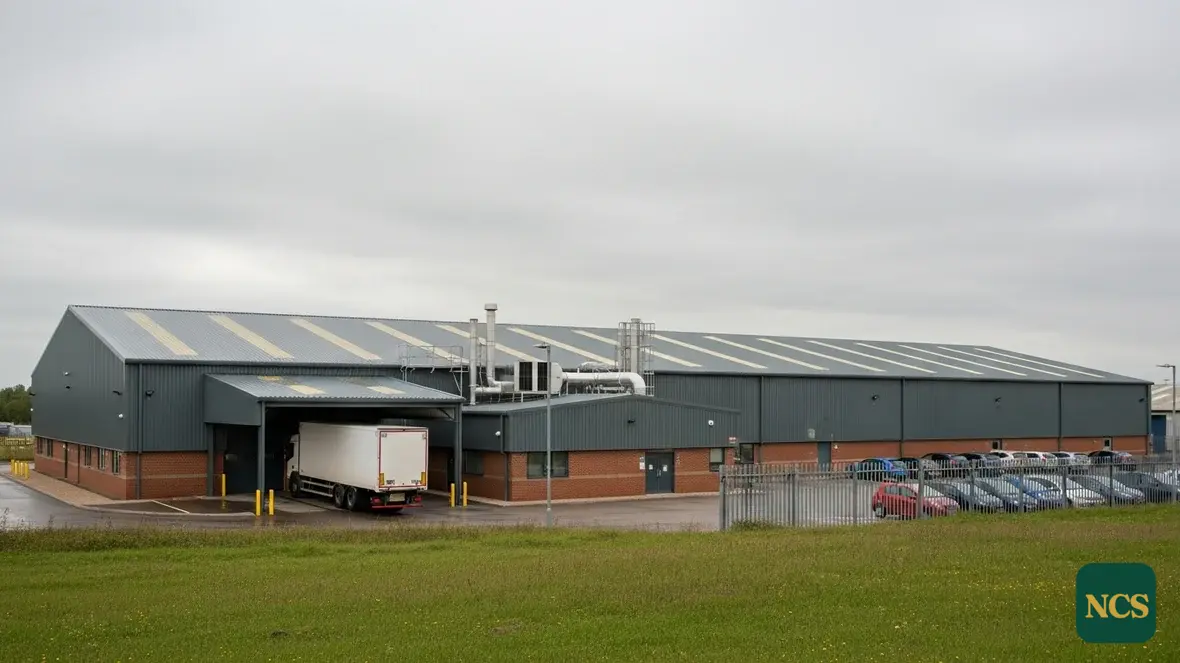
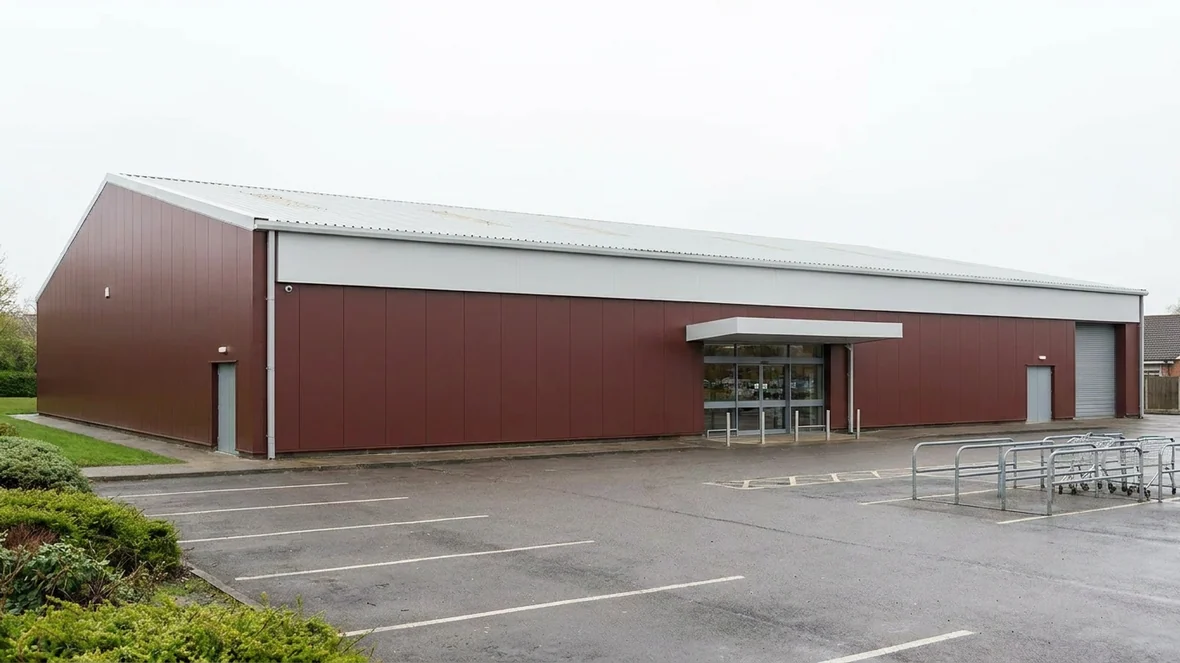
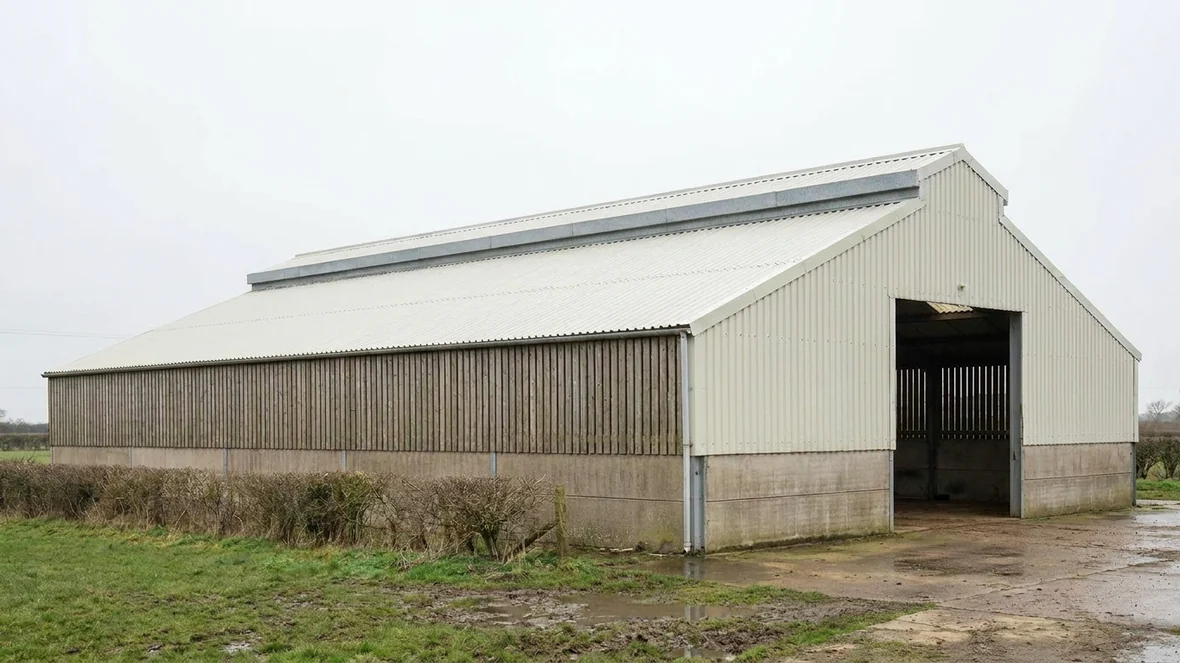
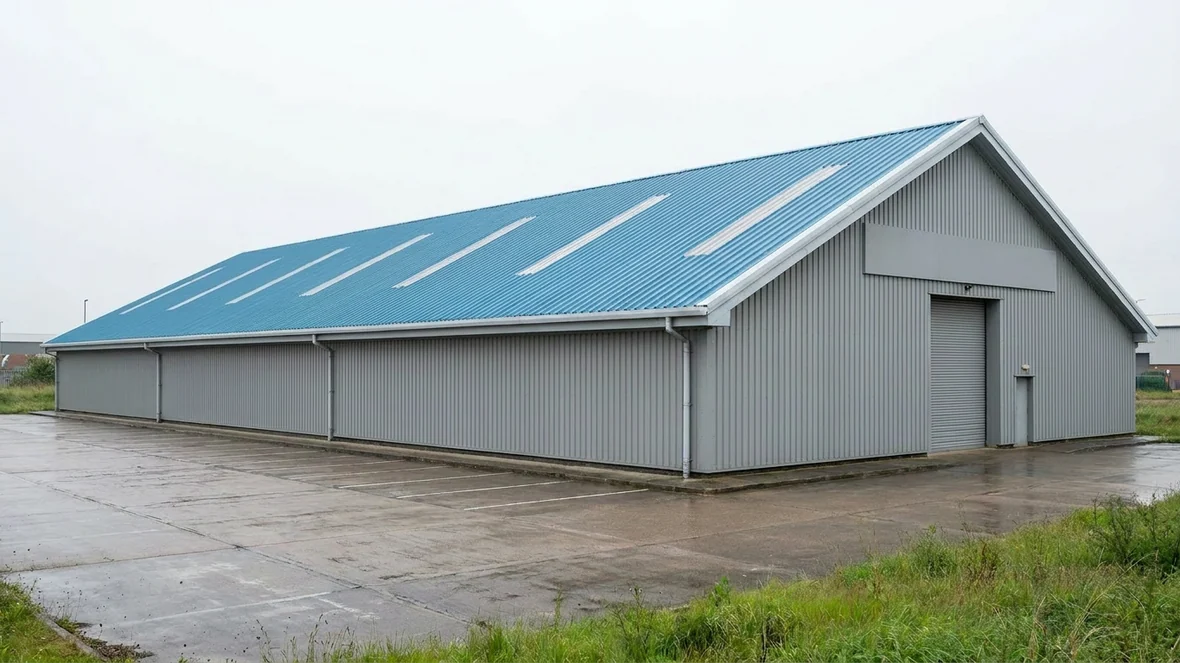
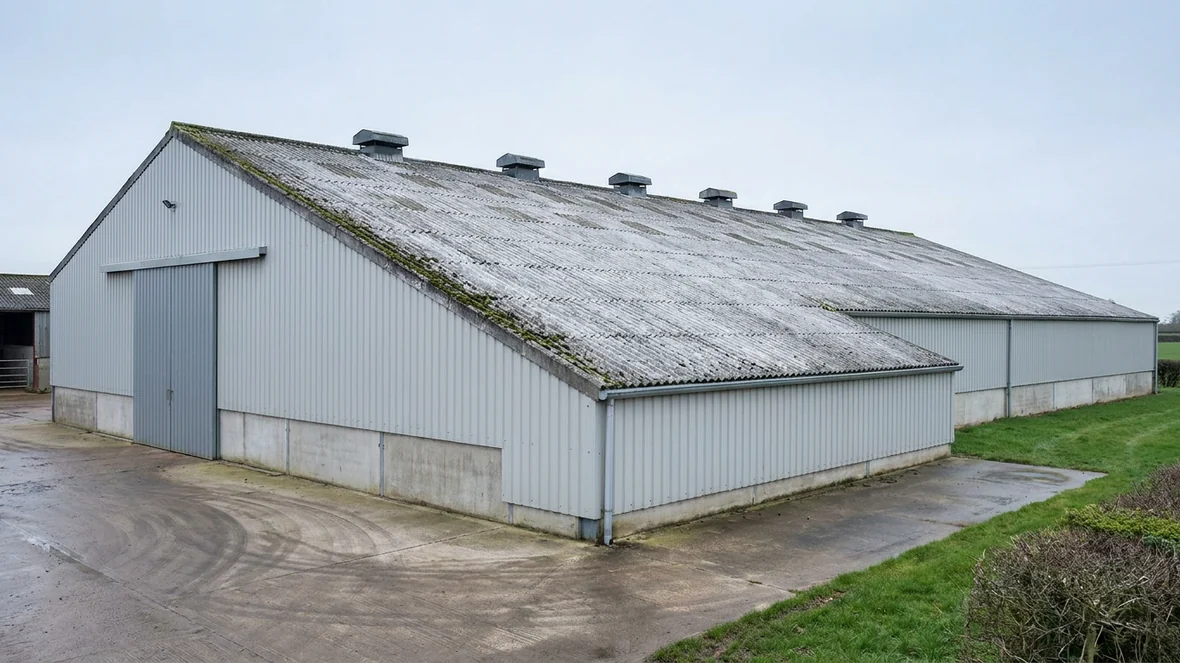
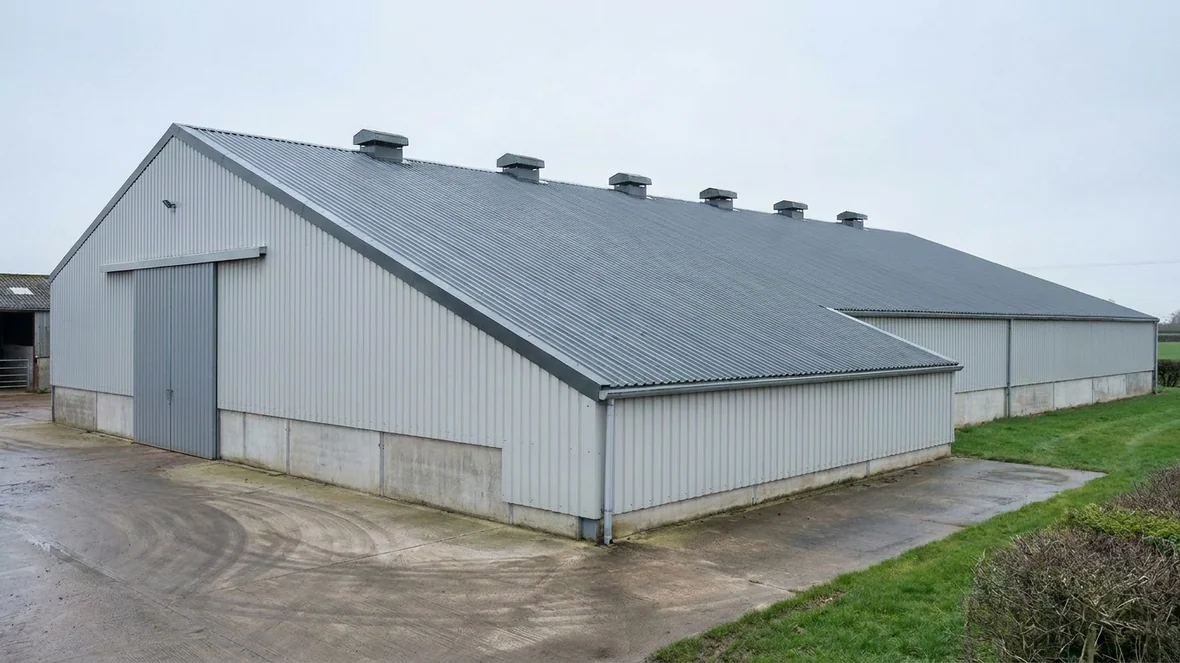
These are our own photographs from jobs of the same type. They are not stock images, and none of them is dressed up as something it is not. The caption tells you where each one was taken.
Standards behind our school asbestos roof encapsulation work
Regulation 4 of CAR 2012 puts the duty to manage asbestos-containing roofs on the school’s duty holder, and our survey report is written to support that duty. Our teams plan every job around the HSE’s asbestos guidance, and we hold CHAS accreditation so the health and safety paperwork a school business manager or academy trust asks for is ready before the first van arrives.
Common questions about school asbestos roof encapsulation
Can an asbestos cement school roof be coated safely?
Yes, provided the sheets are suitable for treatment and the work is properly controlled. We begin with a roof survey to assess the asbestos cement, existing coatings, fixings, laps, rooflights and drainage. Coating is not appropriate where sheets are severely fractured, structurally unsound or too badly weathered to accept a stable system.
Does encapsulation mean the asbestos has been removed?
No. School asbestos roof encapsulation leaves the asbestos cement sheets in place and applies a protective coating system to their surfaces. The roof must therefore remain recorded in the school’s asbestos register and managed in accordance with the asbestos management plan.
Can a school remain open while the roof is coated?
It may be possible, but this depends on access, occupancy, safeguarding arrangements and the work required. We plan around entrances, playgrounds, ventilation openings and normal site movement. Exclusion zones and work sequencing must be agreed before work begins, and some activities may need to take place when particular areas are unoccupied.
How do you prepare an asbestos roof without releasing fibres?
Preparation must avoid aggressive methods that unnecessarily disturb the asbestos cement. We select controlled cleaning and surface-treatment methods after inspecting the roof condition. Wastewater, debris and residues require suitable containment and disposal. Dry abrasive preparation and uncontrolled pressure cleaning are not acceptable shortcuts.
Will coating stop every leak in an asbestos cement roof?
Not automatically. Leaks may arise from failed fixings, open laps, damaged sheets, deteriorated rooflights, defective flashings or blocked drainage. We identify these defects during the survey and specify repairs alongside the coating work. Encapsulation cannot compensate for unresolved movement, poor detailing or a roof that has lost structural integrity.
School asbestos roof coating compared with replacement
Coating and replacement solve different problems. Encapsulation is generally considered where the asbestos cement sheets remain serviceable but their exposed surfaces, fixings or details require protection. It avoids removing the entire roof covering and can reduce disturbance to the asbestos-containing material.
Replacement wins when the roof is no longer a sound substrate. This includes widespread cracking, extensive sheet failure, significant deflection, persistent movement or defects that cannot be dealt with locally. Replacement may also be the better long-term decision where the school needs major insulation improvements, a redesigned roof build-up, extensive rooflight changes or alterations that would repeatedly disturb the existing sheets.
Removal brings its own practical demands. The work must be planned under the asbestos controls applicable to the material and its condition. It also requires safe access, controlled handling, appropriate packaging, transport and disposal, followed by installation of the new roof. These factors can increase disruption, but they are justified when retaining the existing covering would merely postpone an unavoidable replacement.
School asbestos roof encapsulation is not a way to disguise a failing roof. We compare the condition of the sheets, supporting structure, fixings, details and internal requirements before recommending either approach. Where local repair and coating can produce a maintainable roof, encapsulation may be proportionate. Where the evidence points to broad failure or substantial planned alteration, we say plainly that replacement is the stronger option.
How we treat laps, fixings and roof details before coating
The broad roof sheets are only part of the job. Water commonly enters around fixings, side laps, end laps, flashings, rooflights and changes in level. We inspect these areas individually rather than relying on a continuous coating to bridge every defect.
- Loose, failed or unsuitable fixings are assessed and dealt with using methods appropriate to the sheet and supporting structure.
- Open laps are cleaned and stabilised before compatible reinforcement or sealing details are applied where specified.
- Cracked or badly damaged sheets are considered for controlled local replacement rather than being hidden beneath coating.
- Rooflight kerbs, flashings, ridge details and penetrations are checked for movement and failed seals.
- Gutters, outlets and drainage paths are cleared and examined so that standing water is not built into the finished work.
- Previously coated areas are tested for adhesion, because a new system is only as dependable as the layers beneath it.
We then apply the specified coating in a controlled sequence, observing the required surface condition and weather window. Particular care is taken at edges and details, where inconsistent coverage is more likely. On completion, the roof should be incorporated into the school’s planned inspection and maintenance regime; encapsulation protects the substrate, but it does not remove the need for ongoing management.