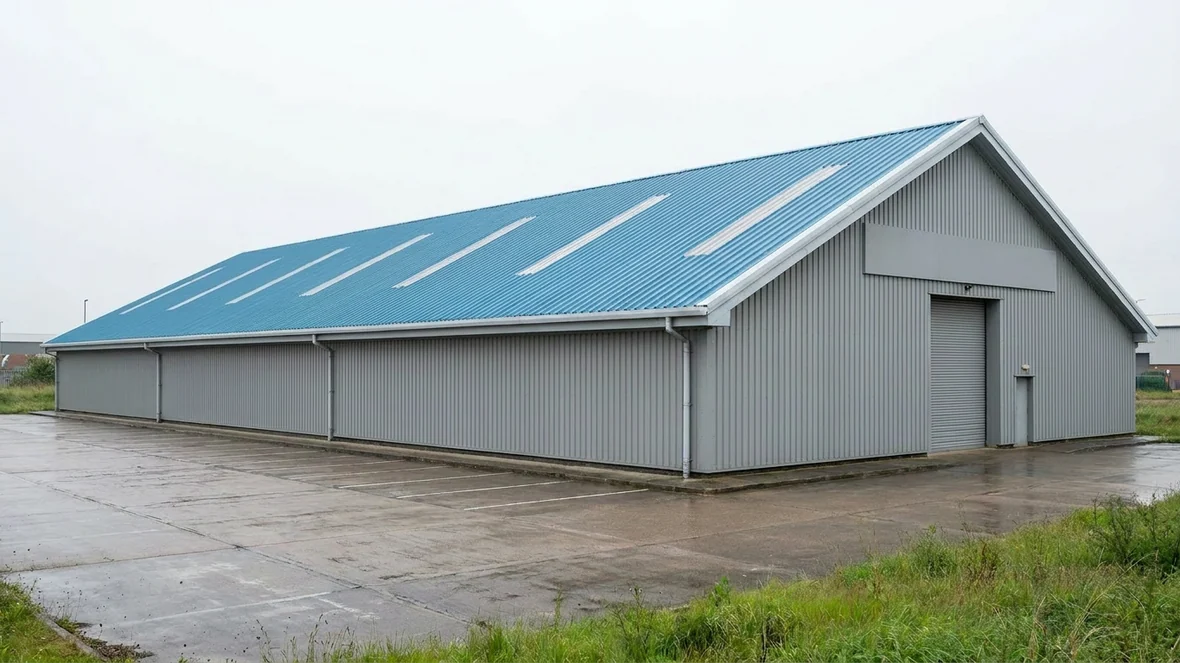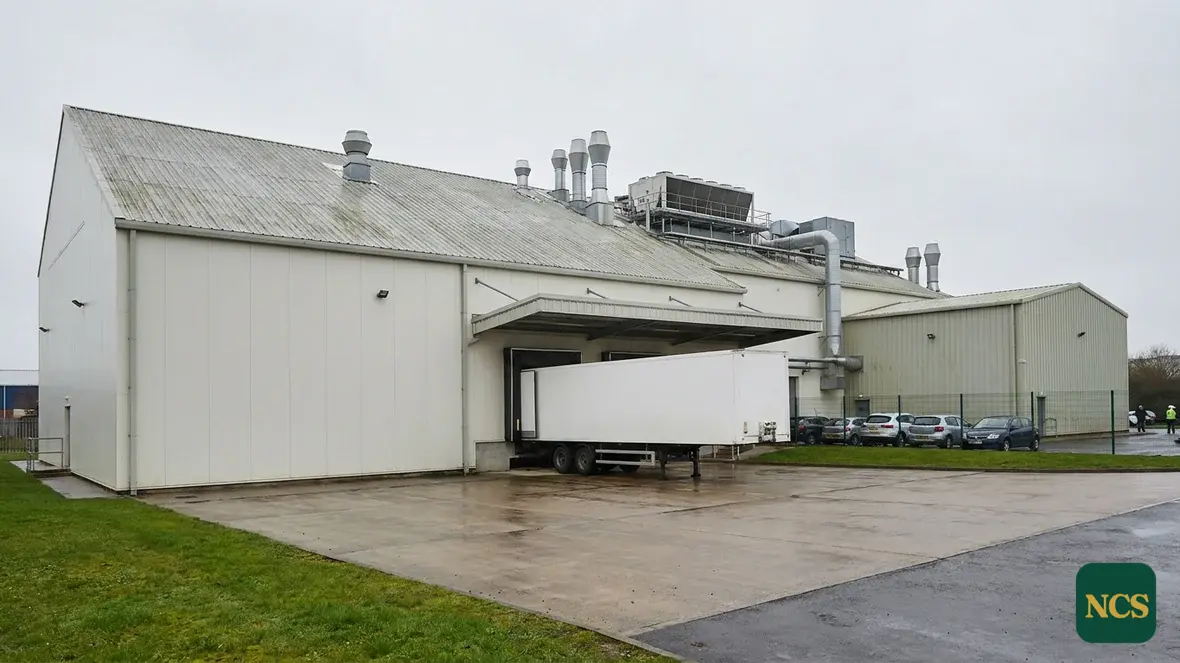




Food factory roof coating
Food factory roof coating has to work around washdown chemicals and production shutdowns, not just weather.
Why food production building roofs need coating or replacing
Food factory and cold store roofs endure more than weather. Daily washdowns, chemical cleaning regimes and constant refrigeration loads accelerate corrosion at seams and fixings. Unlike general industrial buildings, production schedules and hygiene audits leave narrow windows for major works. When leaks appear or insulation fails, operators face a stark choice: coat what exists during the next planned shutdown, or accept extended downtime for full replacement.
The consequences of delay are severe. Water ingress risks product contamination, while compromised insulation drives energy costs up. Yet replacement often means stripping back to purlins, with associated interior works to protect sensitive areas below. For multi-line facilities running 24/7, even scheduled works require months of planning to align with deep-clean cycles.
The roof types and failure modes in food production
Most UK food production roofs are composite steel panels, either trapezoidal or standing-seam profiles, installed from the late 1980s onwards. The aluminium-zinc coated steel withstands washdown chemicals better than plain galvanising, but still fails first at overlapping seams and penetrations around vents or pipework.
Refrigeration plant mounted directly on the roof compounds the issue. Condensation drips concentrate corrosion at support points, while vibration loosens fixings over time. The telltale signs are rust streaks at panel overlaps, localised ponding near equipment, and thermal imaging showing cold spots where insulation has compacted. These roofs rarely fail catastrophically, but incrementally – one leak repaired just reveals the next weak point.
Where roof coating works and where it doesn’t
A properly specified coating system can add ten to fifteen years to a food factory roof’s life. The right elastomeric membrane bridges seams and minor cracks while resisting chemical cleaning runoff. Crucially, application during a planned shutdown avoids contaminating production areas with debris from full strip-down.
Coating is not the answer for every case. Severely corroded structural supports or widespread delamination of composite panels require replacement. Likewise, roofs with multiple retrofitted penetrations often need redesigning rather than patching. The free survey assesses whether coating is viable for your specific building and operational constraints.
Facilities teams describe the same job as roof coating, roof painting or refurbishment, and on food production buildings the survey treats them as one question.
Leaks, fixings, rooflights and gutters
Food factory roofs face distinct challenges that demand careful assessment before any coating work begins. Leaks often originate at penetrations for refrigeration pipework, roof vents or poorly sealed rooflights, where repeated thermal movement has broken the original seals. Fixings for rooftop plant and walkways can work loose over time, creating entry points for moisture. Gutters clogged with debris from production processes may overflow, saturating the roof edge. Each of these issues must be addressed first, as applying a coating over compromised areas would only mask the underlying problems.
- Inspect all roof penetrations for failed sealants or degraded flashings
- Check fixings for rooftop plant to ensure they remain watertight
- Assess rooflight condition and sealing method
- Clear and test gutter flow capacity
- Identify any areas where substrate integrity has been compromised
Planning around production constraints
Coating work in food production environments must respect stringent hygiene protocols and tight production schedules. The survey establishes when the facility can accommodate works, typically during planned deep-clean shutdowns or maintenance windows. Some coating methods generate overspray or fumes that could contaminate production lines below, ruling them out entirely. The survey identifies safe access routes that avoid crossing clean areas and determines where containment measures are needed to protect sensitive zones. Timing considerations extend to curing periods, as some coatings require extended drying times before the area can be recleared for production.
Materials selection is equally constrained. Coatings must withstand frequent washdowns without leaching chemicals that could taint products. The survey records substrate temperatures and surface conditions that affect product choice, as cold store roofs present different challenges to bakery areas. All these factors shape a realistic work plan that keeps the facility operational while delivering lasting protection.
Why the survey comes first
Every food factory roof has unique combinations of age, substrate, existing coatings and operational pressures that demand individual assessment. What worked on a dairy may be unsuitable for a meat processing plant with different hygiene regimes. The survey maps the roof’s condition sector by sector, identifying areas needing repair before coating and those where simple maintenance will suffice. It captures critical details like substrate composition, existing coating types and failure patterns that directly inform product selection.
Without this groundwork, specifications risk being either over-engineered for simple roofs or inadequate for complex ones. The survey provides the evidence base to match solutions to actual need, avoiding unnecessary work while ensuring critical areas receive appropriate protection. It transforms generic options into a targeted plan that aligns with the building’s realities and the operator’s priorities.
That chemical-resistance standard is the same one behind every food factory roof coating job on our books.
Where this sits in our work
This work runs under our roof coating service, alongside everything else we do for food production. If one of these buildings is on your list, book a free survey and a surveyor will walk it before anything is specified.
Food factory roof coating: recent work we can show you
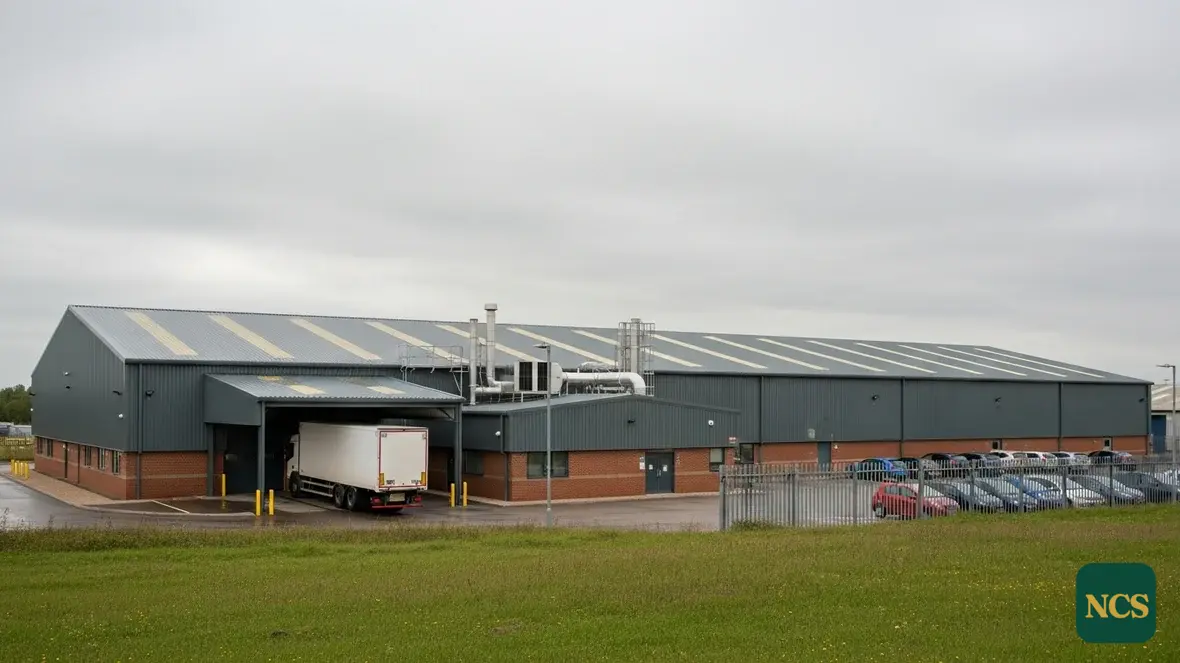
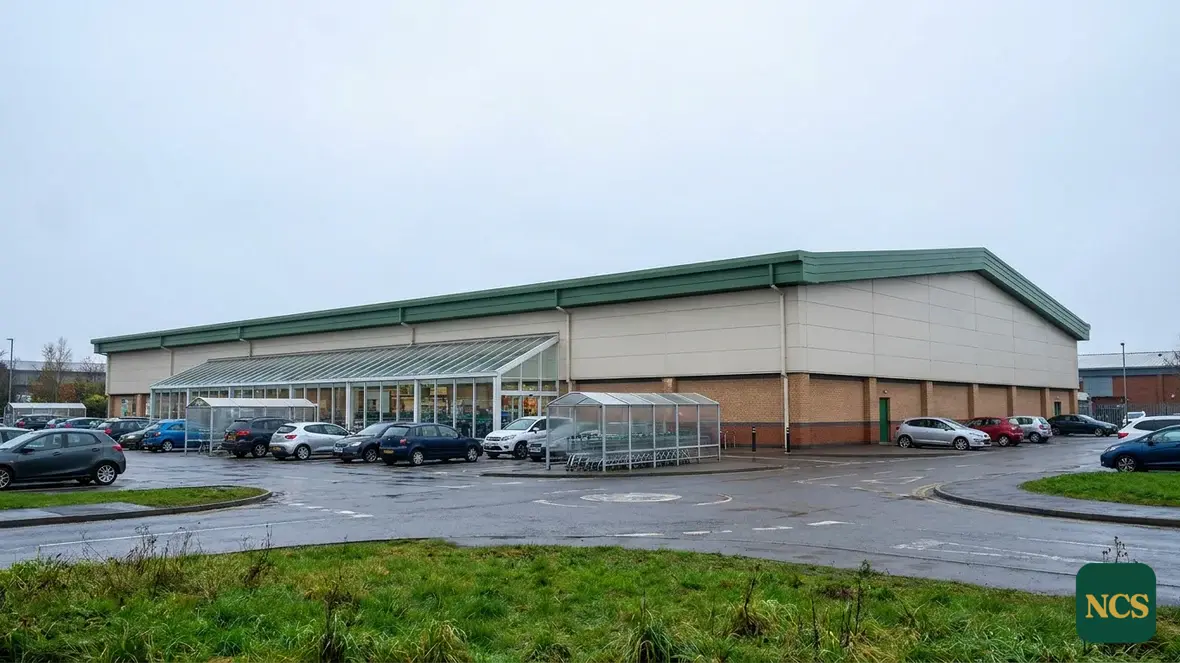
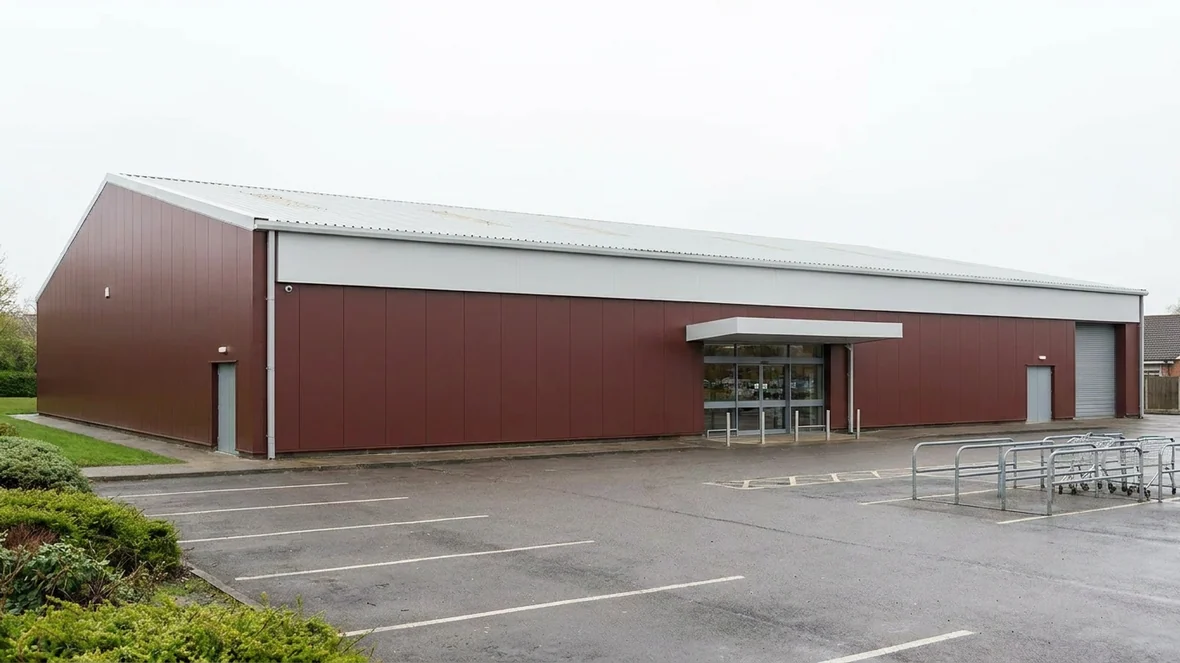
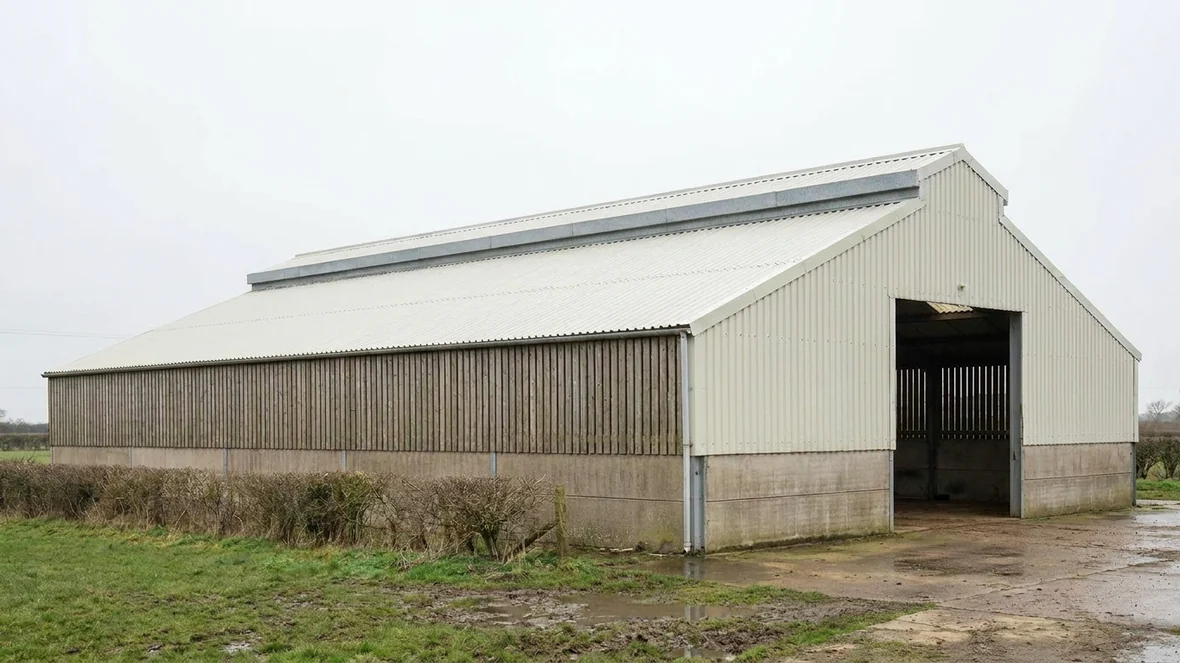
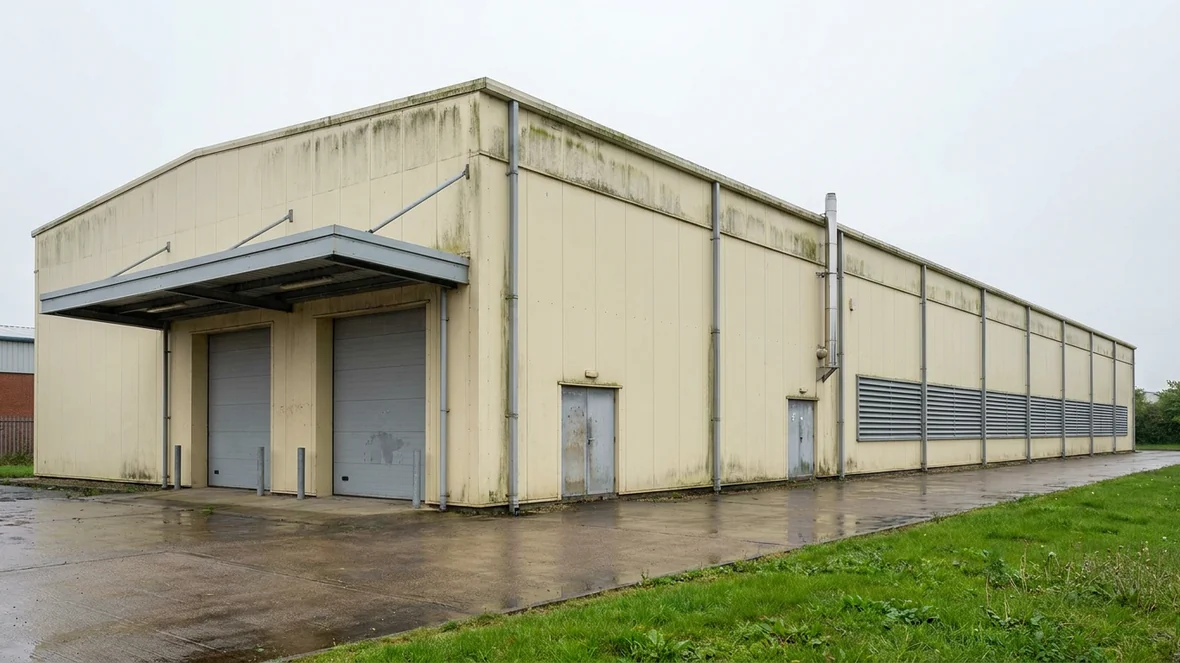
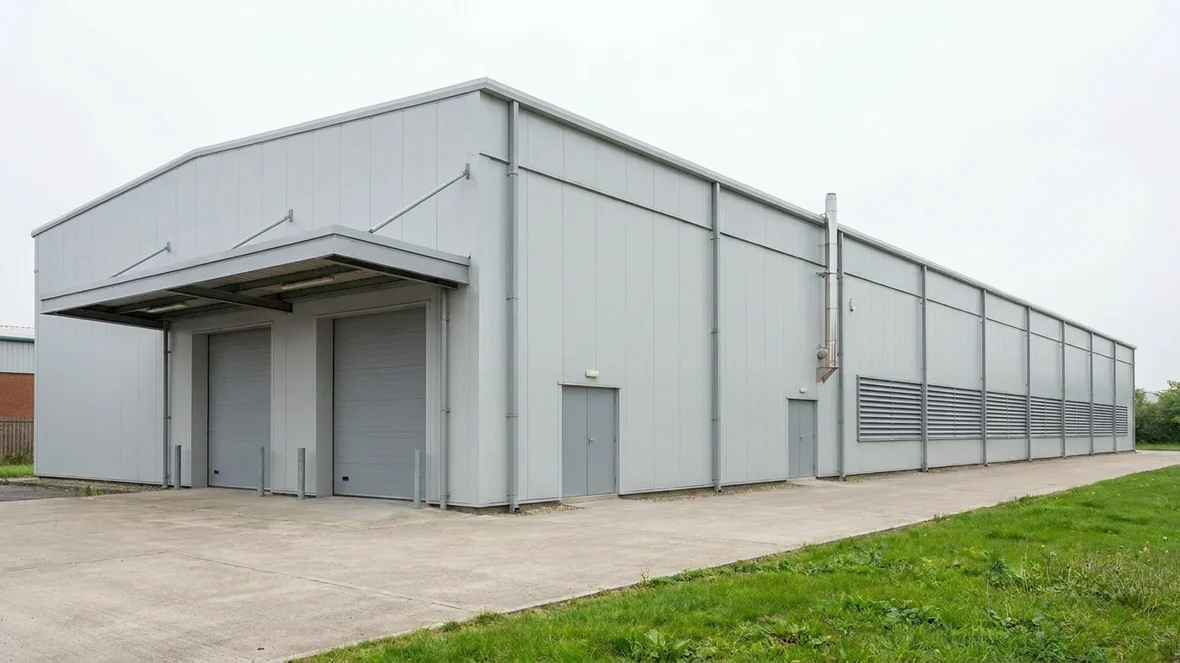
These are our own photographs from jobs of the same type. They are not stock images, and none of them is dressed up as something it is not. The caption tells you where each one was taken.
Standards behind our food factory roof coating work
Food factory roof coating has to survive washdown chemicals and cleaning regimes, a COSHH consideration on every food production site. Our teams plan every job around the HSE’s COSHH guidance, and we hold CHAS accreditation so the health and safety paperwork a facilities team asks for is ready before the first van arrives.
Common questions about food factory roof coating
Can a food factory roof be coated while production continues?
Often, yes, although this depends on the roof condition, the factory processes and the site’s hygiene controls. We plan access, cleaning and application around production requirements, air intakes and sensitive areas. Where the work could affect food safety or disrupt operations, temporary isolation or a planned shutdown may be necessary.
Can you coat a leaking food factory roof?
A coating system can resolve leaks caused by failed laps, fixings, local corrosion and deteriorated waterproofing details. It is not a substitute for repairing a structurally unsound roof. We survey the roof first, identify likely water-entry points and specify any repairs needed before coating begins.
How long does food factory roof coating take?
The programme depends on roof area, access, weather, substrate condition and the amount of preparation required. Working around production or dividing the roof into controlled sections can extend the programme. We set out the sequence before work starts rather than relying on a broad timescale that may not suit the building.
Can a roof coating be applied over rust?
Not without proper preparation. Loose corrosion, failed coatings and contamination must be removed, while badly weakened sheets or components may need replacement. Remaining sound metal is then prepared and treated as required by the selected coating specification.
Will roof coating stop condensation inside a food factory?
Not necessarily. Roof coating addresses the external roof surface and weatherproofing; condensation is usually related to internal humidity, temperature differences, insulation, ventilation or air leakage. We distinguish between rainwater ingress and condensation during the survey so that the wrong problem is not treated.