



School wall coating
School wall coating done properly starts with a survey around your term dates, not a generic quote. Here is what we actually find on school and public-sector buildings, and the honest coat, repair or replace route that follows.
The state of school walls and why it matters
School buildings face constant wear from weather, pollution and daily use. Cracked render, damp patches and discoloured brickwork not only detract from the appearance of educational premises but can lead to structural issues if left untreated. For headteachers and governors, maintaining school walls is a key part of providing a safe and welcoming learning environment while managing tight budgets.
Public sector buildings, including schools, must balance maintenance needs with strict safeguarding protocols and limited working windows during term time. Delayed or inadequate wall maintenance risks costly repairs down the line and can impact the building’s ability to provide a comfortable environment for pupils and staff throughout the year.
An exterior repaint on schools and public-sector buildings is the chance to deal with damp, cracking and staining in one programme rather than covering them.
School wall types and weathering
School buildings in the UK feature a range of wall constructions, each with its own maintenance challenges. Post-war system-built teaching blocks often have concrete or brick facades prone to cracking and staining. Many school buildings from the sixties and seventies feature flat-roofed classroom wings with render finishes that can develop hairline cracks and discolouration over time.
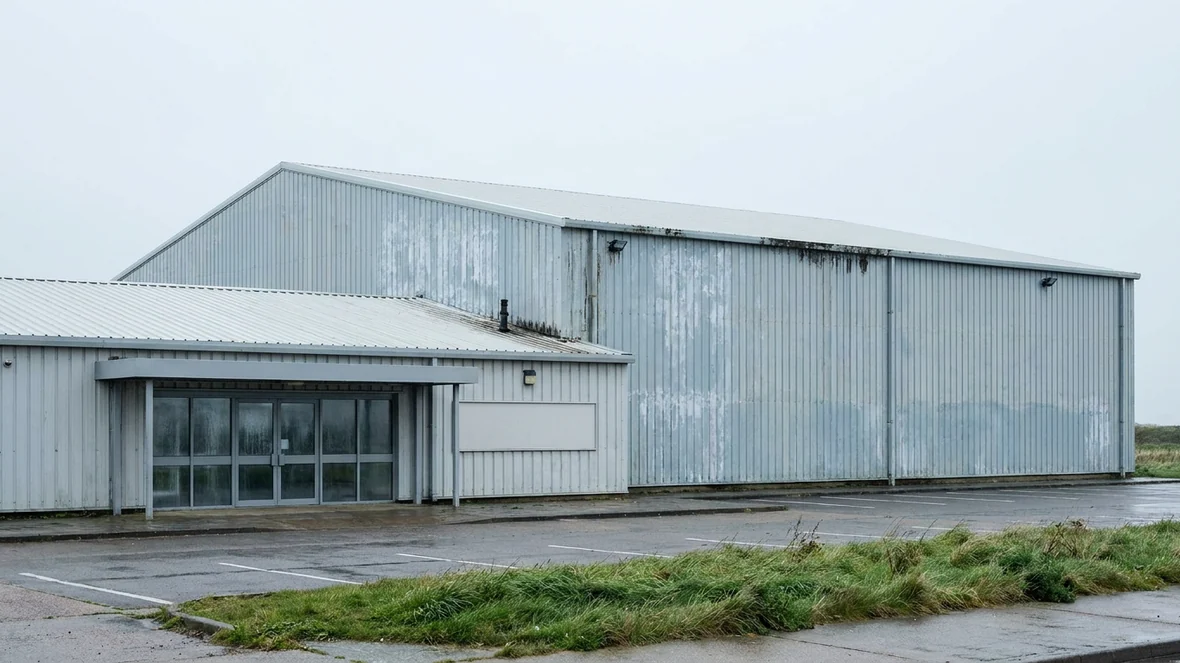
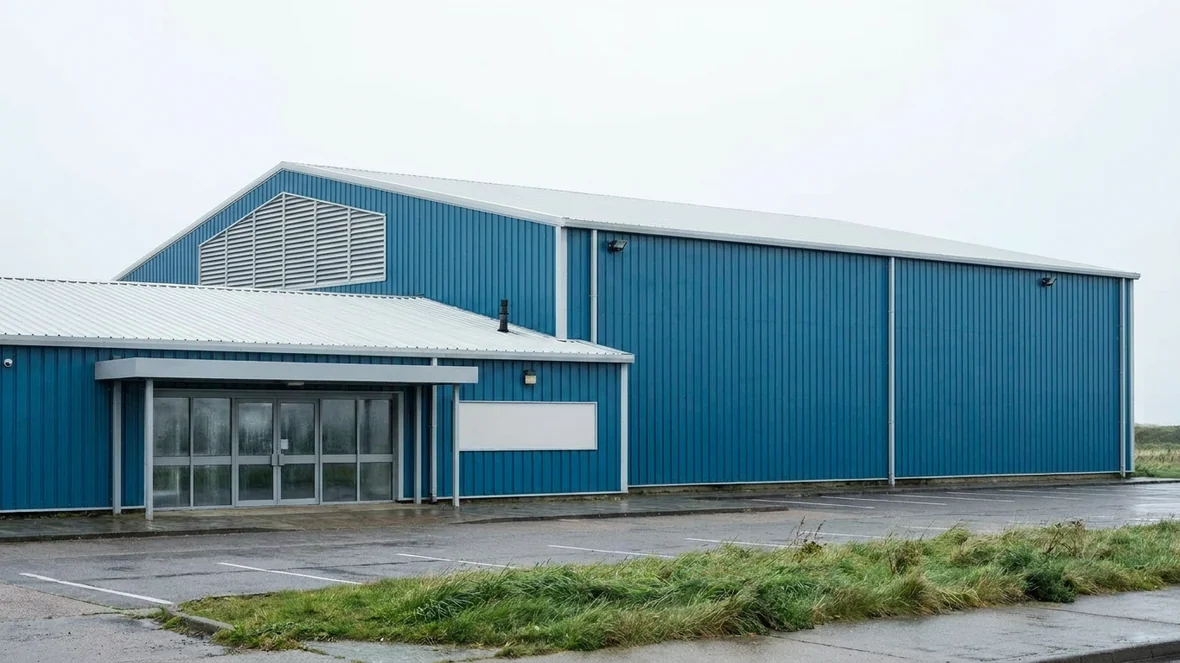
Sports halls and newer academy buildings frequently employ profiled steel or composite cladding systems. These can suffer from fading, staining and surface degradation. Understanding the specific wall construction and substrate of each school building is essential for developing an effective coating solution that will protect and preserve the exterior for years to come.
The survey-led approach
Our process begins with a comprehensive survey of the school walls, assessing their current condition, substrate type and specific maintenance needs. This onsite assessment takes into account the building’s architectural features, surrounding environment and any existing damage or wear patterns.
The survey results inform the selection of coating materials and application methods best suited to the building’s construction and exposure conditions. Our approach ensures minimal disruption to school activities, with work scheduled around term dates and safeguarding requirements. The goal is to provide a durable, long-lasting solution that protects school walls while maintaining their appearance for years to come.
The repairs that come first
School buildings present a clear hierarchy of repair priorities. Cracked render is the most visible issue, with hairline cracks allowing water ingress that worsens each winter. Blown patches, where the render has detached from the substrate, create hollow sounds when tapped and risk falling debris. Damp ingress shows as tide marks on internal walls, often tracing back to failed flashings or blocked weep holes in cavity walls. These three failure modes account for the majority of callouts to educational estates teams.
Left untreated, minor cracks become structural concerns. Water penetration behind render freezes and expands, forcing cracks wider each year. In sports halls, the combination of high humidity and temperature fluctuations accelerates degradation. The survey identifies which defects are active versus historic, separating cosmetic concerns from urgent repairs.
- Crack mapping to distinguish structural movement from surface crazing
- Moisture meter readings behind blown render patches
- Flashing inspections at roof-to-wall junctions
- Substrate integrity checks where damp persists internally
- Drainage assessments around perimeter walls
Planning around the academic calendar
School coatings work follows strict windows dictated by term dates. Summer holidays provide the only opportunity for full external overhauls, with Easter and half-terms reserved for emergency repairs. Scaffolding must be erected and removed within these periods, with no flexibility to overrun into term time. Safeguarding protocols require contractors to be off-site before pupils arrive, with all equipment secured.
Internal work is more constrained still, limited to weekends or overnight shifts during exam periods. Governors typically approve capital works in autumn for the following summer, meaning late applications miss the cycle. The survey report includes a phasing plan that aligns with these realities, prioritising weathertightness repairs that can’t wait for holidays alongside longer-term recoating schedules.
Why specification follows survey
Every school building tells a different story through its defects. A 1960s system-built block with original render behaves differently to a 1990s academy extension with thin-coat systems. The survey establishes not just what needs repairing, but why it failed in that specific context. This forensic approach prevents recurring issues.
Materials are specified only after understanding the substrate’s movement characteristics, exposure levels, and thermal performance. A south-facing elevation with solar gain requires different flexibility to a north-facing sports hall wall. The survey captures these micro-environments, ensuring the coating system selected performs for the next decade, not just the next inspection cycle.
Getting a straight answer
Our exterior wall coating page covers the system side in more depth, and the schools & public sector page shows how we work across the sector. The practical next step is a free site survey, which costs nothing and commits you to nothing.
School wall coating: recent work we can show you
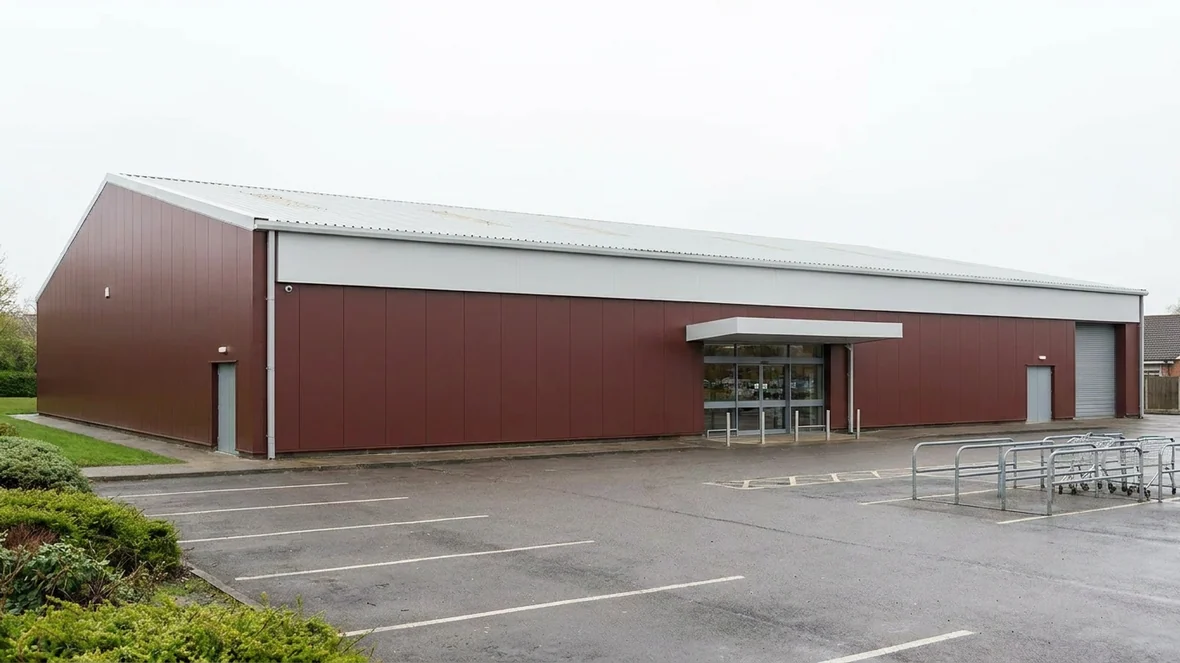
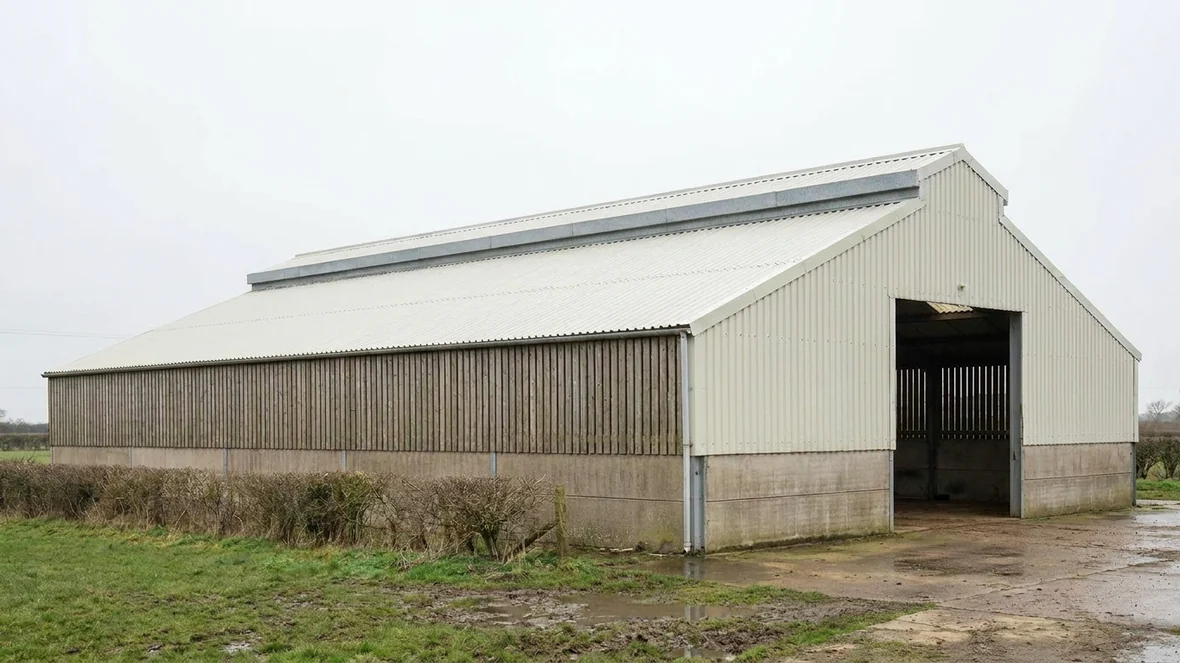
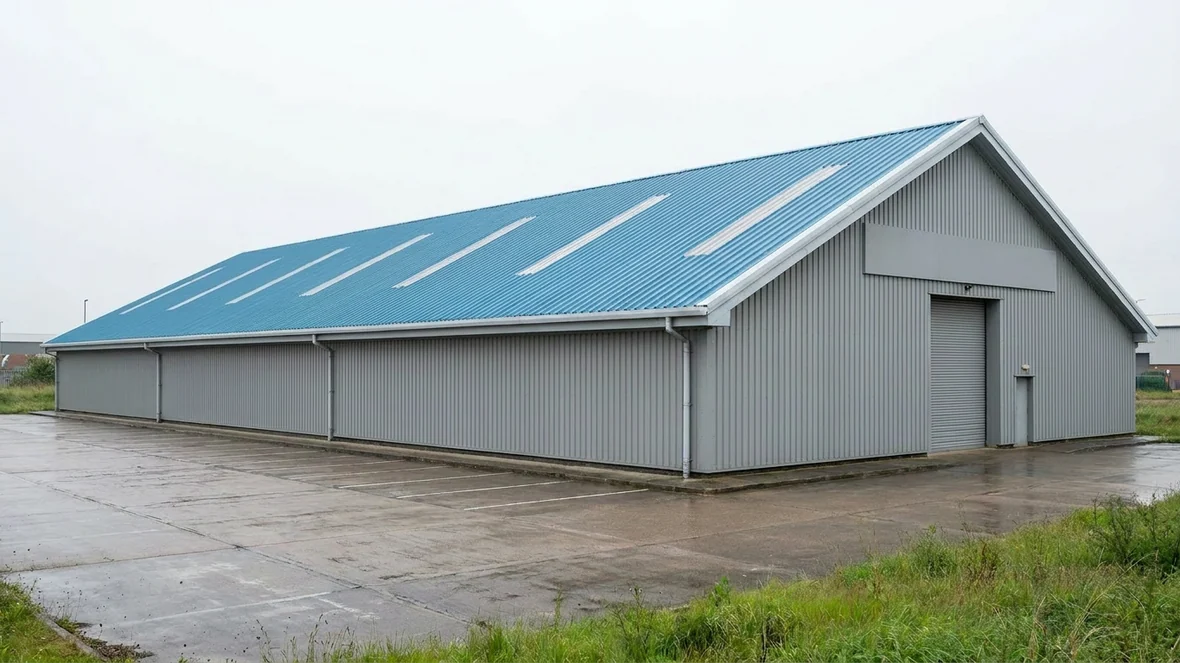
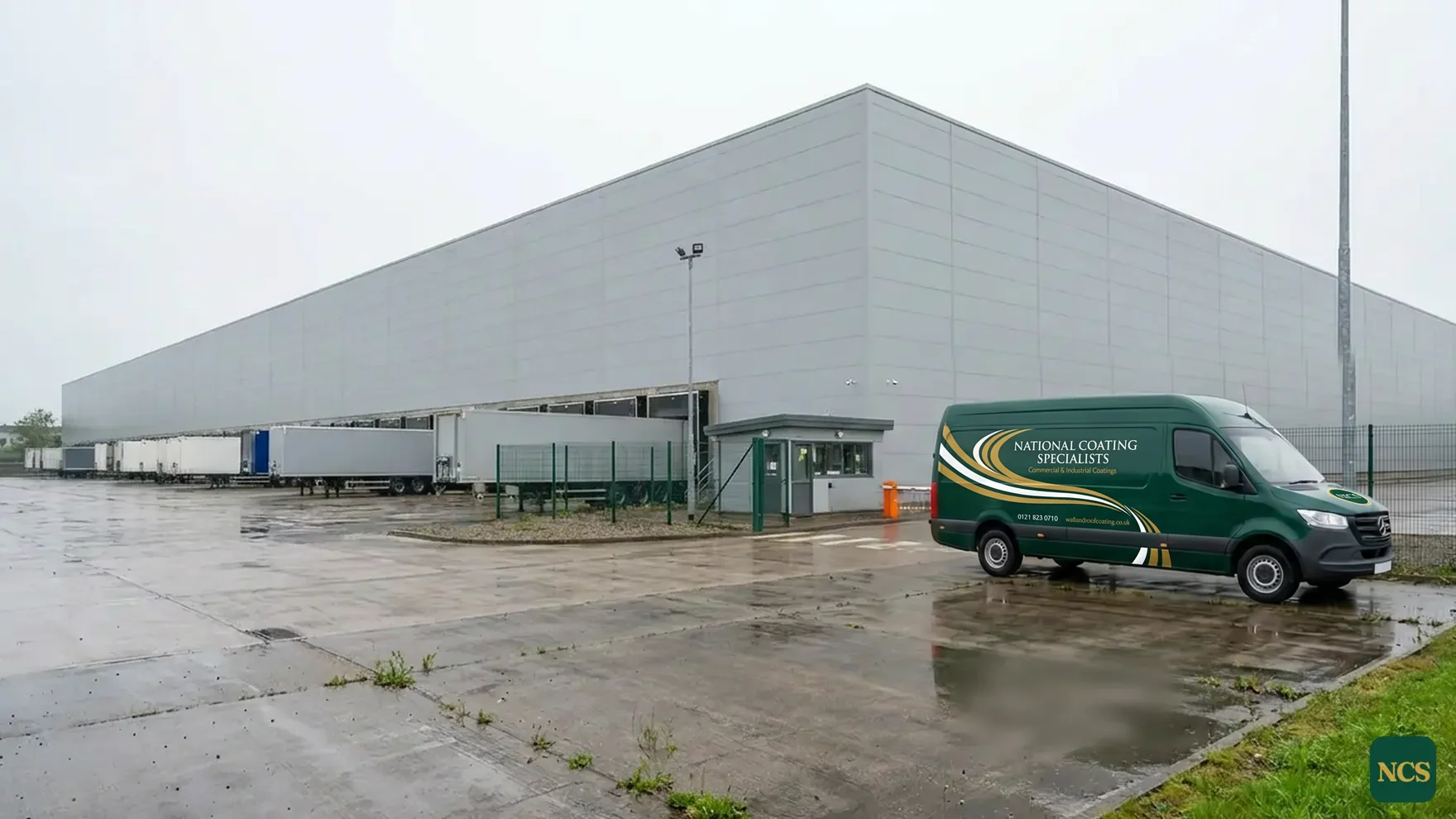
These are our own photographs from jobs of the same type. They are not stock images, and none of them is dressed up as something it is not. The caption tells you where each one was taken.
Standards behind our school wall coating work
Working on an occupied school site means access and containment are planned around term time and safeguarding from the survey onwards. Our teams plan every job around the HSE’s work at height guidance, and we hold CHAS accreditation so the health and safety paperwork a site manager or governing body asks for is ready before the first van arrives.