



The legal duty to manage asbestos in warehouse buildings
Under the Control of Asbestos Regulations 2012, anyone responsible for warehouse premises must proactively identify and manage asbestos risks. Warehouse asbestos roof encapsulation is exactly that duty in practice: sound sheets sealed and monitored without a full strip-out. For distribution centres and logistics sheds built before 2000, this typically means assessing the condition of roof sheets that contain asbestos cement. The duty holder, usually the building owner or main tenant, must prevent deterioration that could release fibres during normal operations or maintenance work.
Regular inspections should check for broken edges, impact damage from equipment, or weathering that exposes the asbestos matrix. Any work that might disturb the roof, from cleaning gutters to installing new services, requires careful planning to avoid uncontrolled fibre release. A documented management plan must be kept on site, with staff trained to recognise potential asbestos materials.
Asbestos roof painting on warehouses and distribution buildings means encapsulation under proper controls: an encapsulating paint system specified for asbestos cement, never a standard coat.
Where asbestos cement appears in warehouse construction
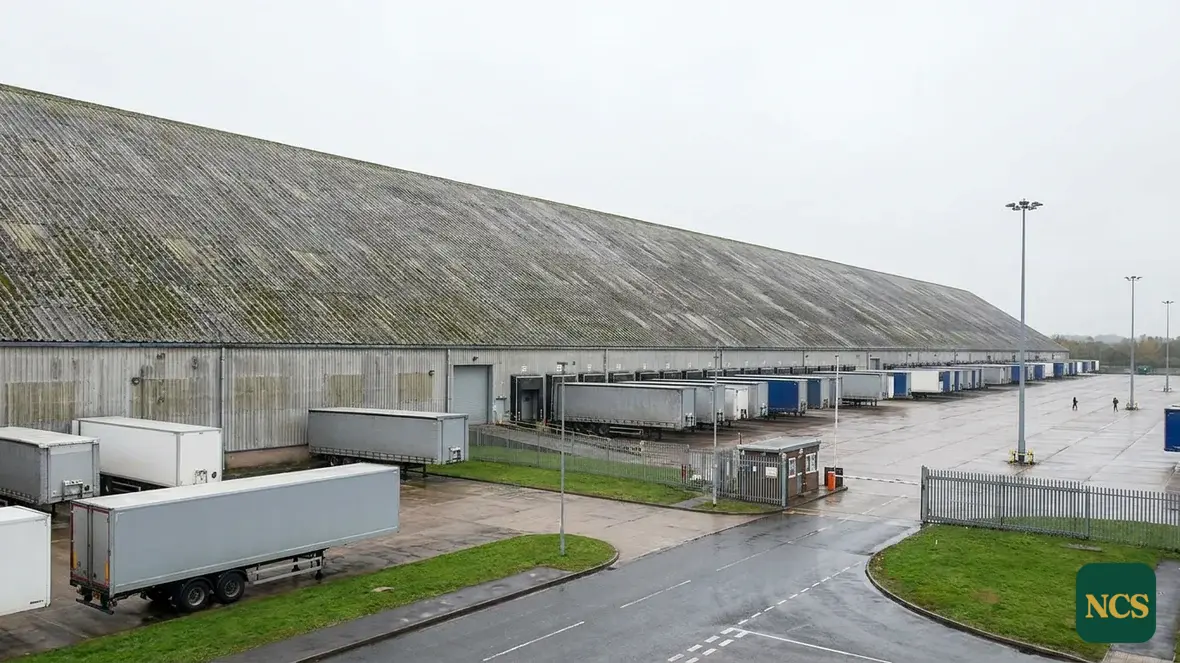
Between the 1960s and 1980s, asbestos cement was widely used for roofing industrial buildings including warehouses, distribution hubs and trade counters. The material typically appears as large corrugated sheets spanning the steel roof framing. While relatively stable when intact, these sheets become brittle with age and can fracture from foot traffic, falling debris or thermal movement.
The roof’s geometry creates particular risk points. Parapet upstands, rooflights and ventilation outlets often have asbestos cement flashings. Valley gutters between roof planes accumulate debris that accelerates localised weathering. High-level access for encapsulation work must account for the building’s structural grid, roof lights and services penetrations.
How encapsulation works on warehouse roofs
Encapsulation seals asbestos cement beneath a reinforced coating system that binds any surface fibres and prevents further degradation. The process starts with a detailed survey to map sheet conditions and access routes. On operational warehouses, work is phased around shipping schedules with protective screening for loading bays.
The coating bonds to the roof profile without requiring sheet removal, avoiding the higher risks of demolition. Multiple layers build a flexible waterproof membrane that withstands thermal cycling and minor impacts from hail or debris. Encapsulation typically extends the roof’s service life while containing the asbestos risk, provided the coating remains monitored and maintained.
When removal is the right answer instead
Encapsulation works by sealing the asbestos in place, but there are warehouse situations where full removal becomes necessary. If the roof sheets are already broken or damaged, encapsulation cannot guarantee containment of loose fibres. Similarly, where future building modifications are planned – like new roof penetrations for ventilation or lighting – disturbing an encapsulated surface risks fibre release. Insurers may also mandate removal if the existing roof condition breaches their risk thresholds.
Older warehouses with severely degraded asbestos cement sheets often reach a point where ongoing maintenance costs outweigh removal. Corrosion around fixings, widespread surface erosion, or panels distorted by decades of thermal movement can make encapsulation impractical. In these cases, a licensed asbestos contractor must carry out removal under controlled conditions, with air monitoring throughout the process.
Planning the work around warehouse operations
Warehouses cannot simply shut down for coating work. The encapsulation process must accommodate constant goods movement, loading bay activity, and staff working beneath the roof. Our survey identifies operational pinch points – busy dock door areas, high-traffic picking zones, and critical storage locations that must remain accessible. Work sequencing avoids peak delivery windows, and temporary protection covers sensitive stock or equipment.
- Phased application allows different roof bays to remain usable
- Out-of-hours working minimises disruption to daytime logistics
- Dust containment measures protect inventory and packing areas
- Advance notice coordinates with inbound delivery schedules
- Safety zones keep staff clear during overhead work
For refrigerated warehouses, temperature control adds another layer of planning. Encapsulation materials must cure within the ambient conditions, and access routes may need temporary insulation to prevent cold bridging. The survey maps these environmental factors alongside the physical layout.
Why the survey comes first
Every warehouse roof has unique conditions that determine the encapsulation approach. Our survey assesses not just the asbestos itself, but the underlying steelwork condition, existing coatings, and drainage details that affect adhesion. We identify high-risk areas like roof lights, fragile edges, and previous repair patches that need special attention.
The survey also verifies load capacities, especially on older structures where added weight must be carefully calculated. It checks for hidden issues like insulation damage or interstitial condensation that could compromise the encapsulation over time. Only with this full picture can we specify the right system for your specific building.
Getting a straight answer
Our asbestos roof encapsulation page covers the system side in more depth, and the warehouses & storage page shows how we work across the sector. The practical next step is a free site survey, which costs nothing and commits you to nothing.
Warehouse asbestos roof encapsulation: recent work we can show you
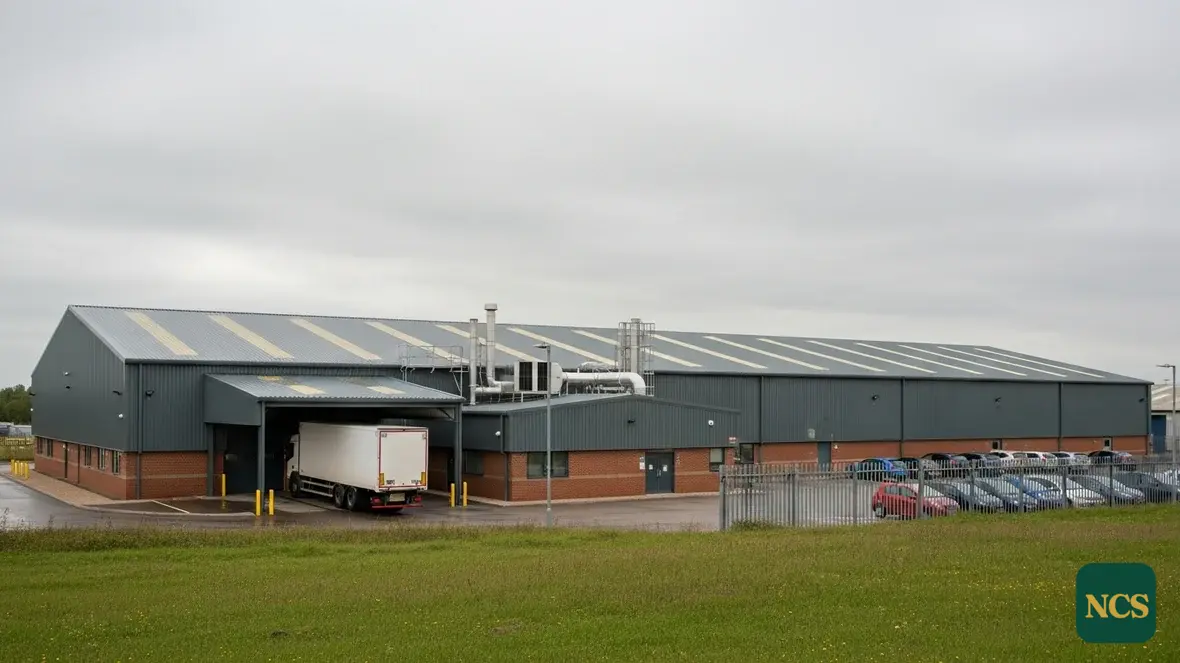
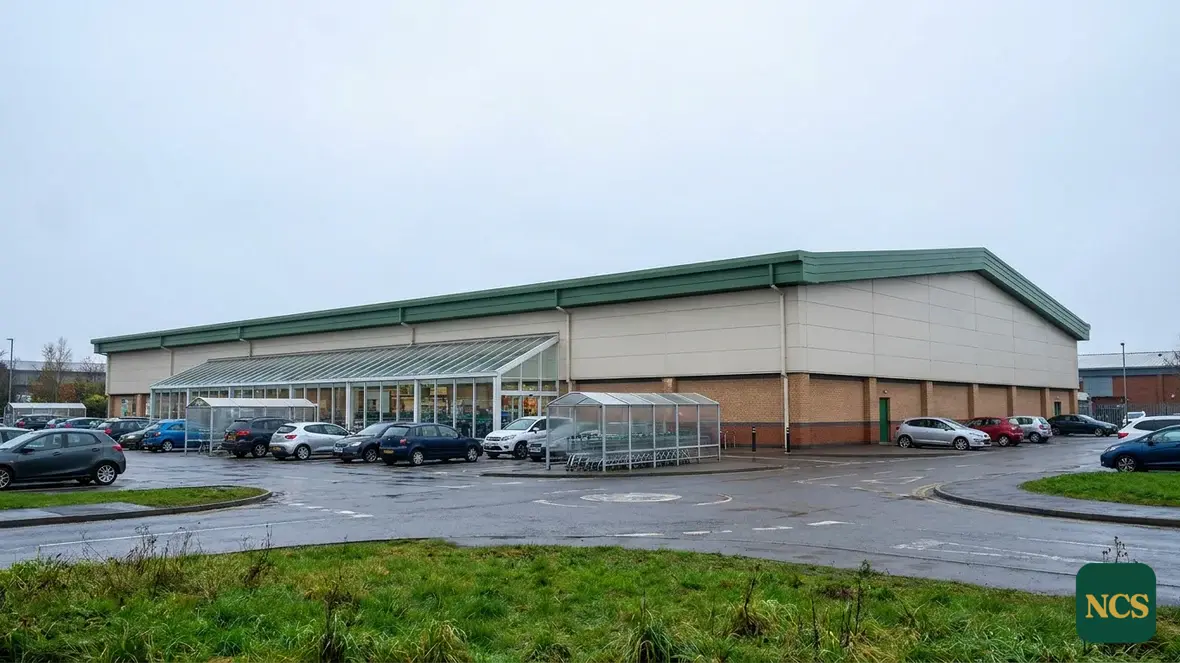
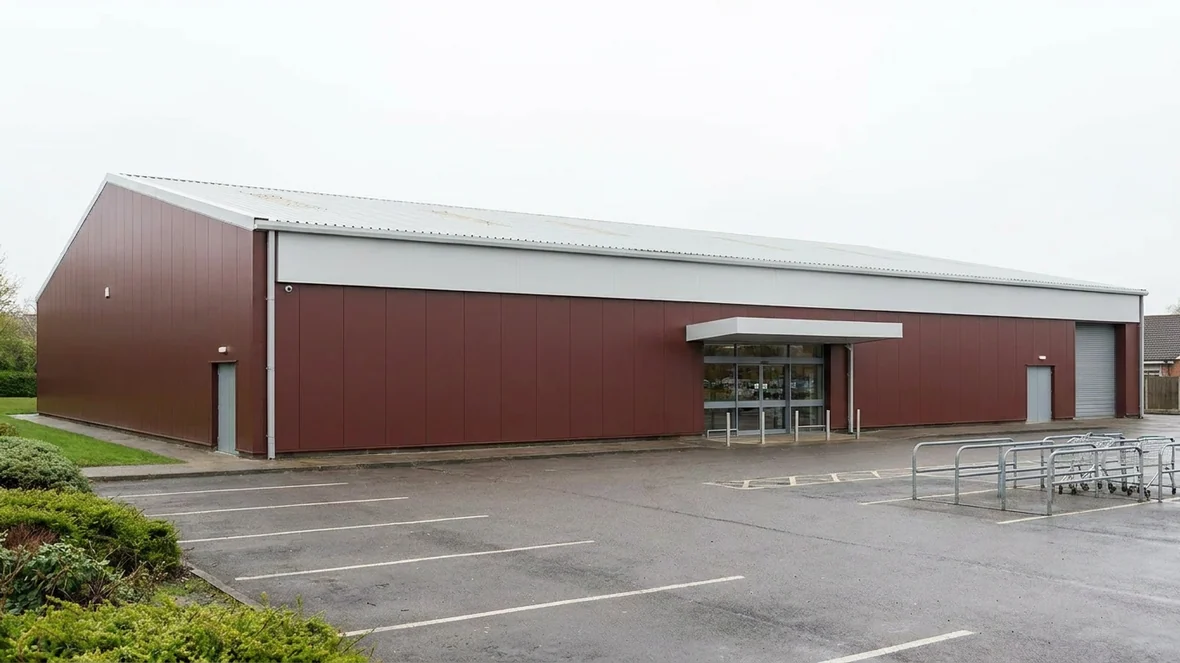
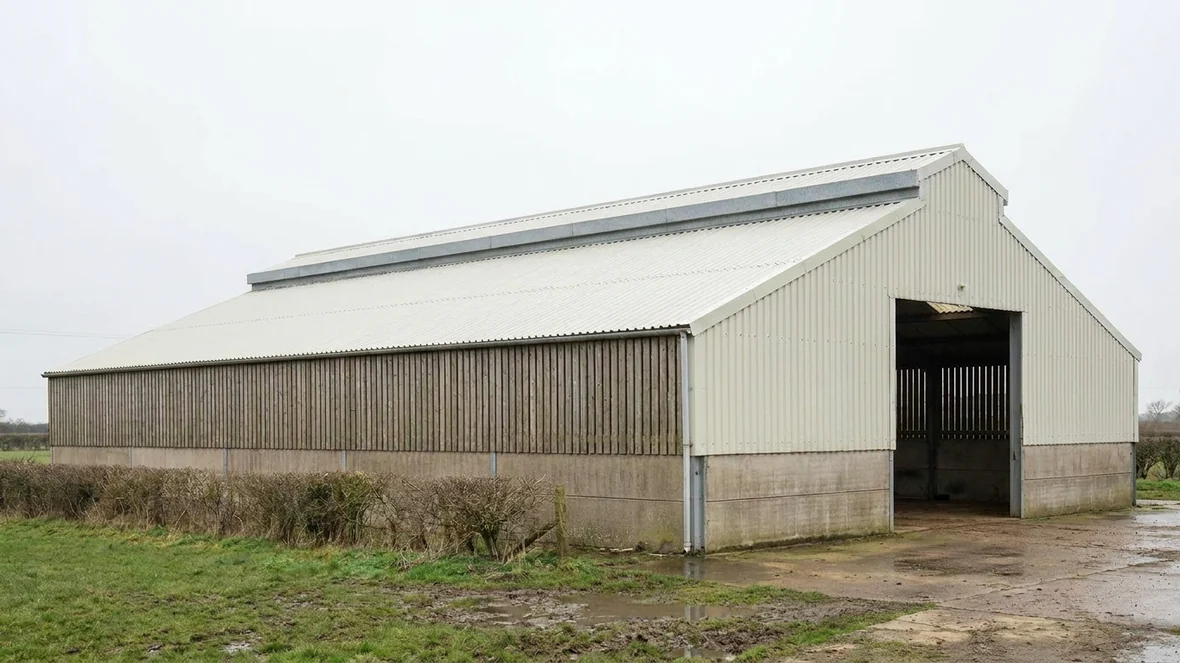
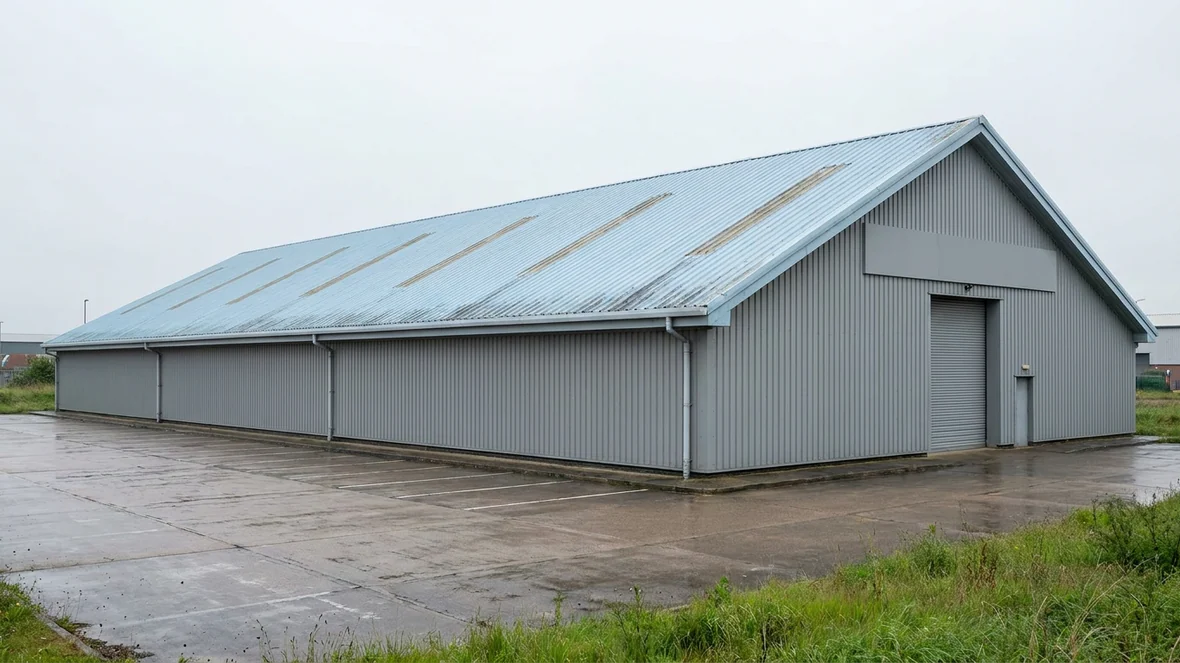
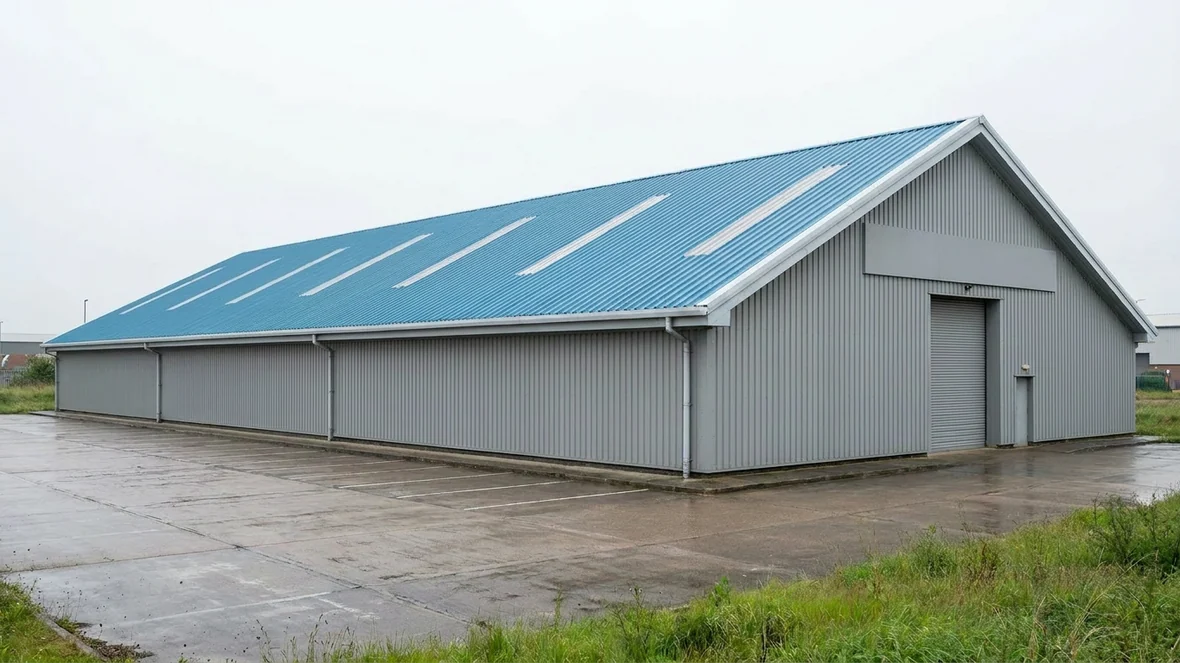
These are our own photographs from jobs of the same type. They are not stock images, and none of them is dressed up as something it is not. The caption tells you where each one was taken.
Standards behind our warehouse asbestos roof encapsulation work
Warehouse asbestos roof encapsulation is carried out under controlled conditions that follow HSE practice, the same programme documented in our warehouse encapsulation case study. Our teams plan every job around the HSE’s asbestos guidance, and we hold CHAS accreditation so the health and safety paperwork a managing agent or estates team asks for is ready before the first van arrives.
Common questions about warehouse asbestos roof encapsulation
Can an asbestos cement warehouse roof be encapsulated?
Often, yes. Encapsulation is generally suitable where the sheets remain sufficiently sound, the supporting structure is serviceable and defects can be repaired without disproportionate disturbance. We begin with a roof survey because coating cannot compensate for badly fractured sheets, widespread structural movement or a failing roof frame.
Will encapsulation stop an asbestos roof from leaking?
It can resolve many common sources of water ingress, including weathered laps, loose or degraded fixings, minor local defects and poorly sealed penetrations. The causes must be identified and repaired before coating. Applying material across an unresolved defect merely conceals it for a time.
Can warehouse operations continue while the roof is coated?
In many cases, operations can continue with suitable controls, although this depends on access, the work area and the activities below. We plan exclusion zones, internal protection and working sequences around the building’s use. Particularly sensitive processes or areas beneath fragile sections may require temporary restrictions.
Does encapsulation mean the roof is no longer classed as asbestos?
No. The coating protects and seals the surface, but the asbestos cement sheets remain in place. Their location and condition must still be recorded and managed. Future contractors also need to know what the roof contains before drilling, cutting or carrying out alterations.
How long does warehouse asbestos roof encapsulation last?
Service life depends on the condition of the roof, preparation standards, system specification, exposure and subsequent maintenance. We do not treat coating as a fit-and-forget measure. Periodic inspection is needed to identify local damage, movement around details, blocked drainage and defects caused by later roof work.
Warehouse asbestos roof encapsulation or roof replacement?
Encapsulation retains the existing sheets and adds a protective coating system after cleaning, repairs and detailing. It usually involves less disturbance to the building than full removal and can be appropriate where the roof remains structurally serviceable but its weathered surface and local details need attention.
Replacement removes the asbestos cement and installs a new roof covering. It is the better choice when sheets are extensively cracked, badly deformed or too weak to provide a dependable substrate. Replacement also wins where the supporting structure requires major alteration, where the building is being comprehensively redeveloped, or where improved roof build-up and thermal performance are central to the project.
There are practical differences to consider:
- Encapsulation leaves the asbestos in place, so the roof must remain within the building’s asbestos management arrangements.
- Replacement removes the asbestos roof covering but creates a more disruptive removal and installation project.
- Encapsulation depends heavily on substrate condition, preparation and careful treatment of laps, fixings and penetrations.
- Replacement provides an opportunity to redesign drainage, rooflights, insulation and other roof components rather than working around the existing arrangement.
- Neither option should be selected solely because it appears simpler. Roof condition, structure, intended building use and future plans should determine the specification.
We recommend coating only where the survey evidence supports it. If the existing sheets cannot be repaired into a stable and maintainable roof, replacement is the more responsible recommendation.
Preparing laps, fixings and penetrations before coating
The broad areas of an asbestos cement roof are rarely the most demanding parts of the work. Water commonly enters at side laps, end laps, fixings, rooflights, ridges, gutters and service penetrations. These details must be dealt with individually rather than covered by a uniform coat and assumed to be sound.
Controlled cleaning and surface preparation
We select preparation methods according to the condition of the asbestos cement and the risk of fibre release. Loose dirt, biological growth and poorly adhered previous coatings must be removed under controlled conditions. Run-off and debris are managed so that contamination is not transferred into gutters, drainage systems or surrounding areas.
Aggressive dry abrasion is not an acceptable shortcut. The objective is to produce a stable surface for coating while avoiding unnecessary damage to the sheets.
Repairing laps and fixings
Open laps are inspected for movement and contamination before they are sealed or reinforced. Fixings are checked for corrosion, damaged washers, looseness and cracking around the fixing point. Simply coating over a failed fixing does not restore its mechanical function.
Local repairs must accommodate the roof profile and normal movement without creating rigid edges that encourage further cracking. Where a sheet is beyond local repair, we identify that before the coating specification is finalised.
Detailing rooflights and penetrations
Rooflights, vents, ducts and other penetrations create changes in material, profile and movement. We examine upstands, flashings and interfaces for gaps, failed seals and previous patch repairs. These areas are prepared and reinforced as required before the main coating is applied.
Fragile roof controls remain essential throughout the work. Encapsulation improves weather protection and surface condition, but it does not make an asbestos cement roof safe to walk on.