



Why food production building gutters corrode and leak
Food factory gutter lining is a targeted repair, not a full replacement, whenever the gutter profile is still sound. Our cut edge corrosion treatment and gutter lining work keeps wash-down water and condensate away from the structure.
Food production facilities, including dairies, bakeries and cold stores, subject their gutters to extreme conditions. The continuous cycle of wash-downs using chemical cleaners combines with condensation from refrigeration plant to accelerate corrosion. Unlike commercial buildings, food plants cannot tolerate even minor gutter leaks, as drips risk contaminating production lines below. With frequent hygiene audits and pressure to minimise shutdowns, reliable gutter performance is essential.
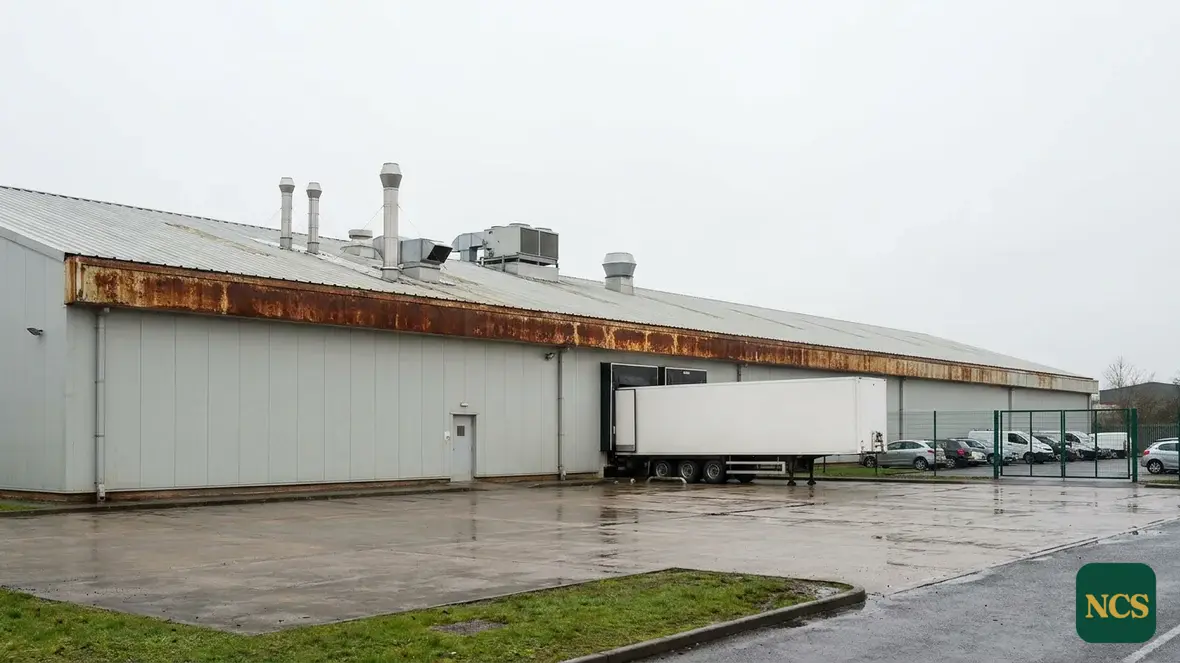
Box and valley gutters are particularly vulnerable. Hidden from view, corrosion often goes unnoticed until leaks develop. The smooth composite wall panels common in modern food plants provide no visible indication of gutter condition. By the time leaks become apparent, structural damage may already be substantial.
Gutter repairs on food production buildings usually surface as stained ceilings and drips over doorways. The survey settles which runs need repair, which want lining and which are past both.
The food production building stock and its gutter challenges
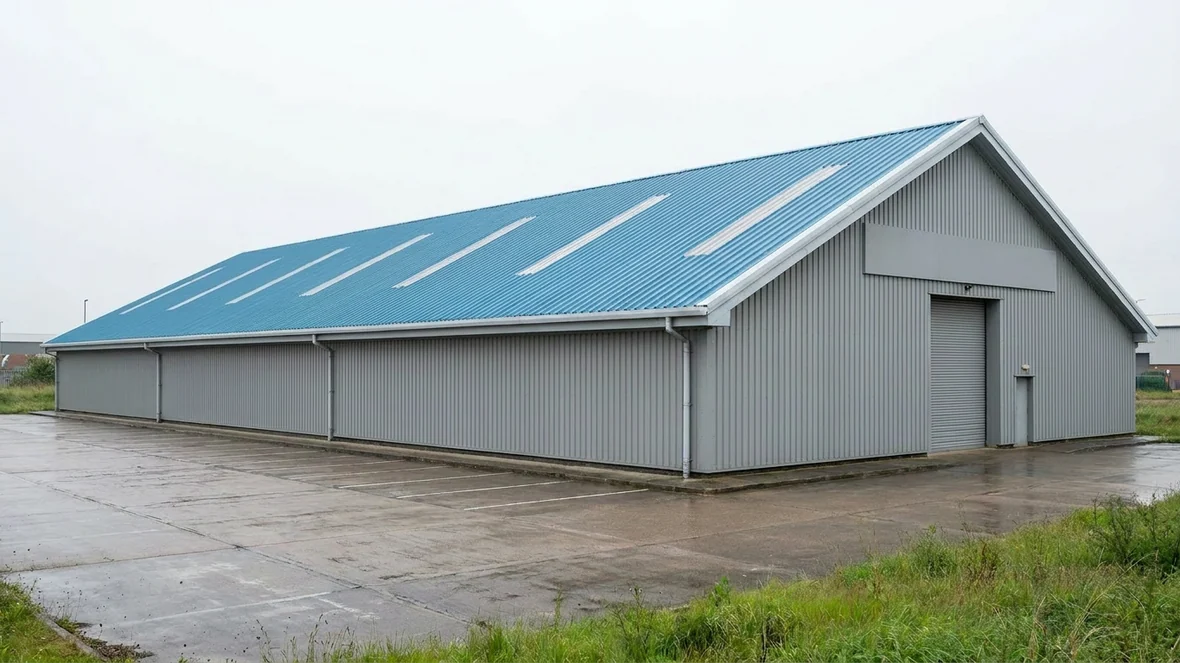
Most UK food production buildings share common gutter configurations that present unique maintenance challenges. Smooth composite wall panels typically support profiled steel roofing, with refrigerator plant mounted above. Gutters run along parapet walls and valleys, often concealing long unbroken runs.
The roofs complex geometry creates multiple box and valley gutters that are difficult to access and inspect. Refrigeration plant above the roof adds to the moisture load, accelerating corrosion. Traditional gutter replacement requires extensive roof removal, risking contamination of production areas below.
Why lining beats gutter replacement for food plants
Replacing failed gutters in food production buildings causes major disruption. Removing sections of roof risks contaminating production lines below with debris and dust. The complex gutter layout often requires removing refrigeration plant, forcing shutdowns.
Gutter lining offers a cleaner, less disruptive alternative. Specially designed liners are fitted through existing roof penetrations, minimising contamination risk. The lining process causes minimal disturbance to production schedules, avoiding costly shutdowns. Lining restores gutter integrity without the mess and delay of full replacement.
What a proper gutter lining system involves
A complete gutter lining system for food production buildings starts with a full assessment of the existing structure. The survey identifies the gutters’ condition, the roof pitch, and any areas needing reinforcement. Only then can the specification begin.
The lining itself must meet strict hygiene standards. Materials must be food-safe, non-absorbent, and resistant to the chemicals used in regular washdowns. Joints are minimised or eliminated to reduce contamination risk. The finished lining provides a smooth, continuous surface that channels water effectively while withstanding daily cleaning regimes.
- Assess gutter condition and roof pitch
- Specify food-safe, chemical-resistant materials
- Minimise joints to reduce contamination risk
- Create smooth surface for effective water flow
- Ensure durability under daily washdown pressures
Planning the work around production constraints
Work in food production buildings must fit around tight production schedules and hygiene protocols. Deep cleans and audits dictate when and how work can take place. Any disruption to production lines risks costly shutdowns.
The first stage is to agree a work plan with site managers that avoids peak production times. Temporary scaffolding and protective measures prevent contamination from debris or dust. After each shift, the work area undergoes a thorough clean down to maintain hygiene standards. Final testing ensures the lining performs as specified without introducing new contamination risks.
Why the survey comes before specification
Every food production building presents unique challenges. Roof pitches vary, as do gutter profiles and the extent of existing damage. The survey reveals these details.
Only with this information can we specify the right materials and installation methods. The survey also identifies any structural issues needing attention before lining begins. This upfront work prevents costly surprises during installation and ensures the lining system meets the demands of this critical environment.
The next step
You can read more about the wider gutter lining service, or see how we approach food production as a whole. When you are ready, request a free survey and we will look at the building itself before recommending anything.
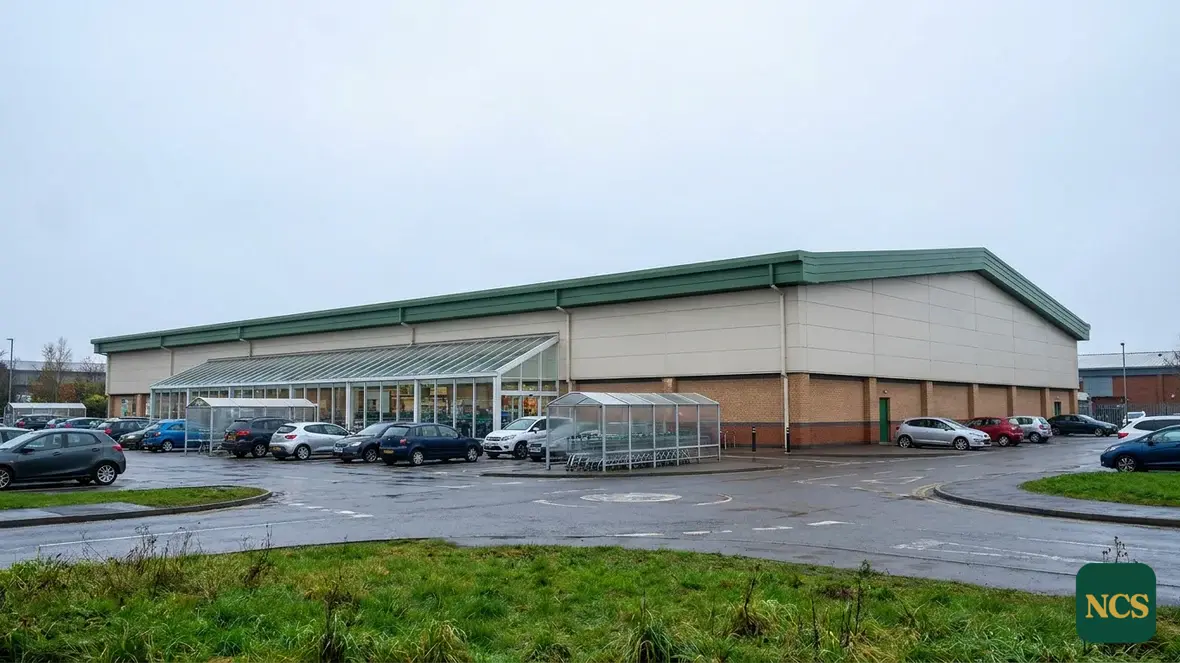
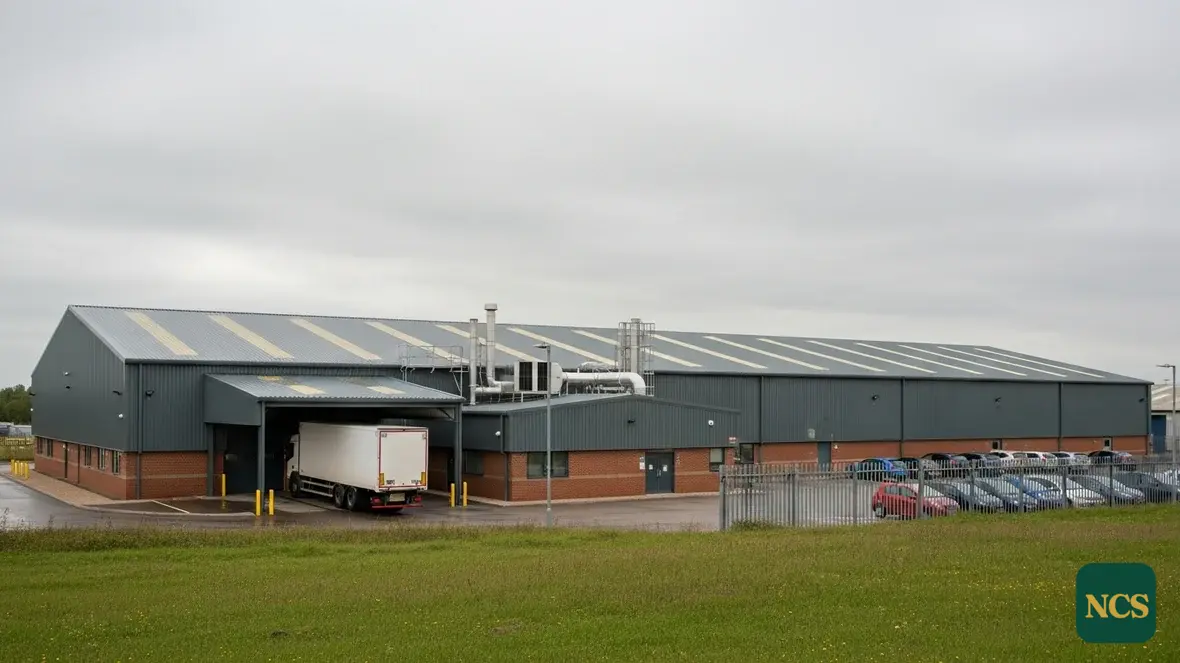
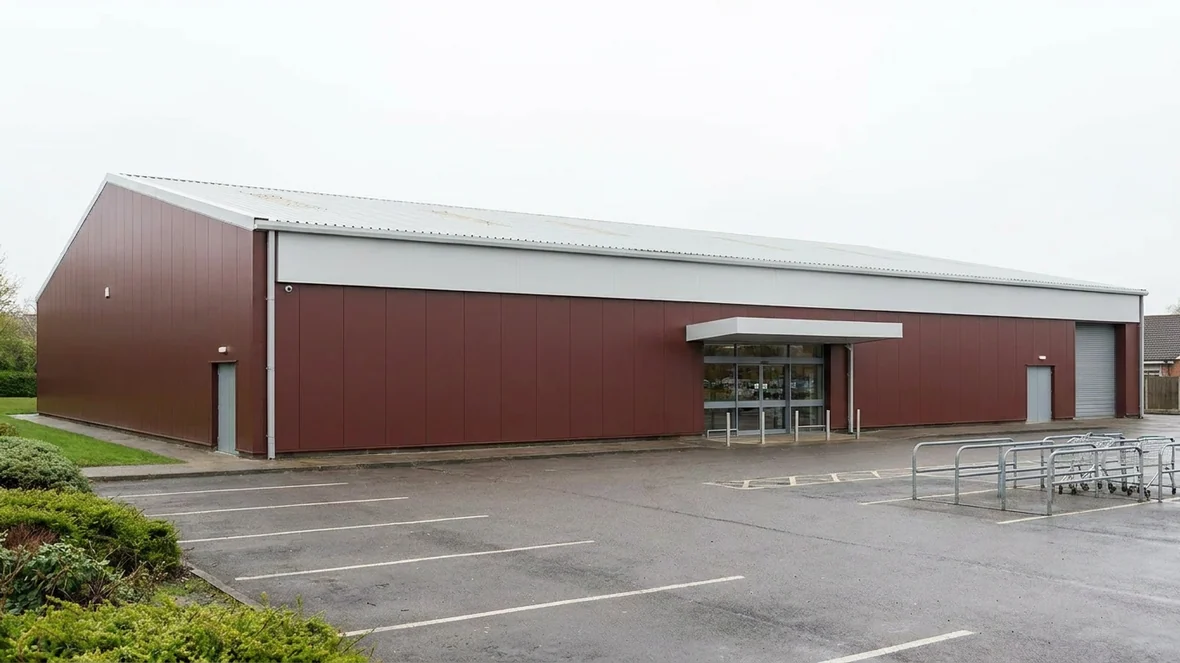
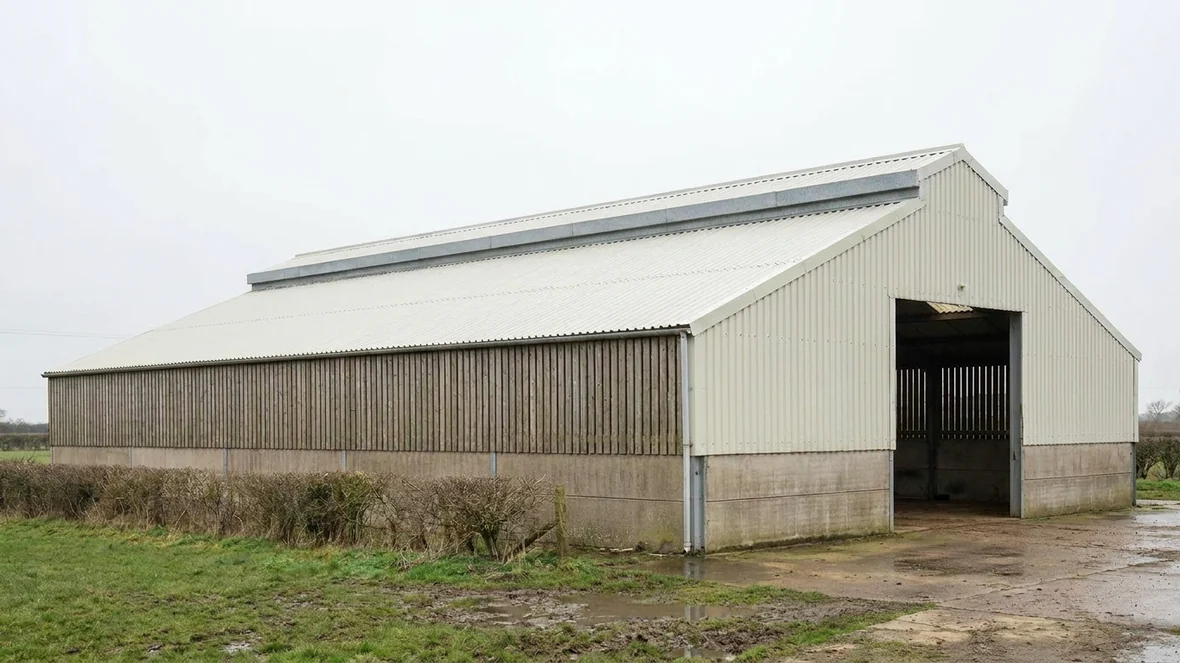
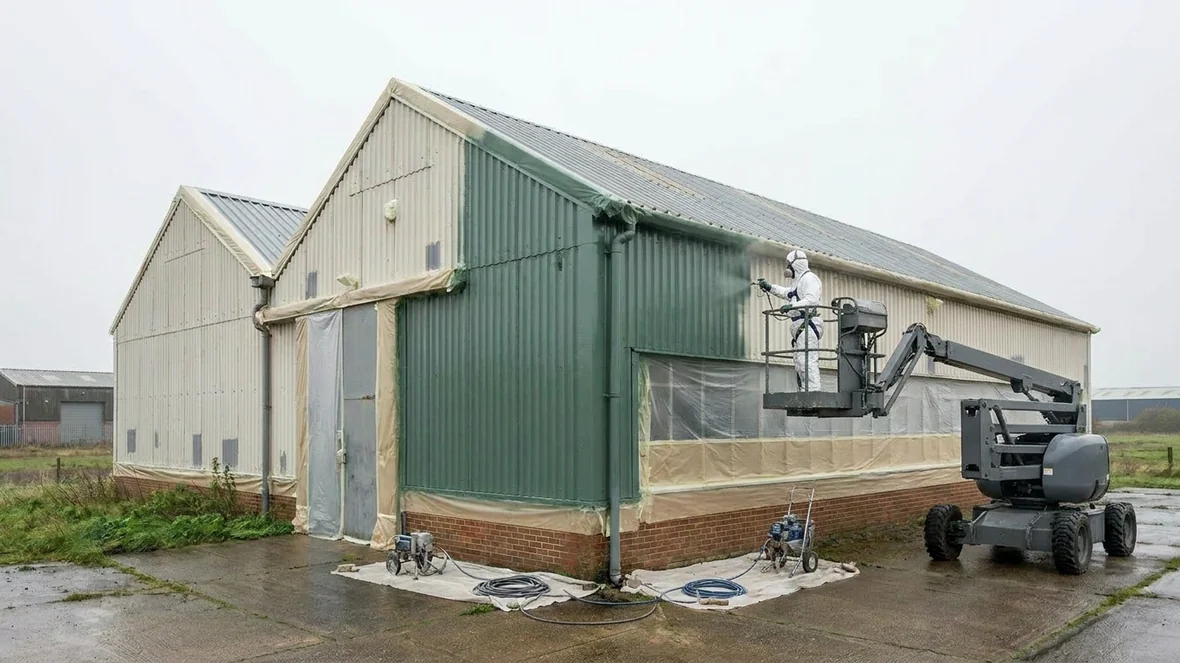
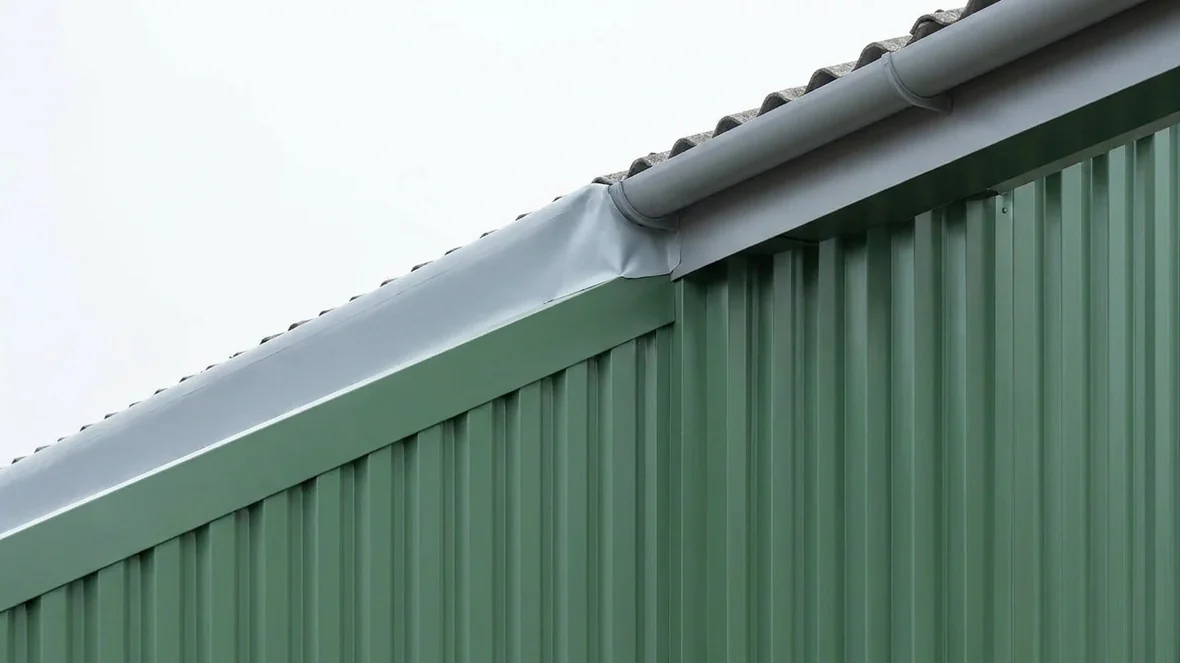
Food factory gutter lining: recent work we can show you
These are our own photographs from jobs of the same type. They are not stock images, and none of them is dressed up as something it is not. The caption tells you where each one was taken.
Standards behind our food factory gutter lining work
Food factory gutter lining is access-equipment work over live production, so it is scheduled around your process not ours. Our teams plan every job around the HSE’s work at height guidance, and we hold CHAS accreditation so the health and safety paperwork a facilities manager or estates team asks for is ready before the first van arrives.
Common questions about food factory gutter lining
Can leaking factory gutters be lined instead of replaced?
Often, yes. Where the existing gutter remains structurally serviceable, a lining system can provide a continuous waterproof surface without removing the complete gutter assembly. We first survey the substrate, joints, outlets, corrosion and surrounding roof details to determine whether lining is appropriate.
Can food factory gutter lining be carried out while production continues?
In many cases, work can be planned around live production. Access, hygiene controls, working hours and the risk of debris or water entering the building all require careful consideration. We agree practical controls with the site team before work begins and coordinate disruptive stages around operational requirements.
How do you prepare an industrial gutter before lining it?
Preparation depends on the gutter material and its condition. We remove loose coatings, corrosion, dirt and failed sealants, then clean and dry the surface. Defective fixings, open joints and unstable areas must be addressed before the lining is applied. Coating over contamination or trapped moisture is not an acceptable shortcut.
Will gutter lining stop leaks around outlets and joints?
It can, provided those details are properly prepared and reinforced. Outlets, end stops, joints, changes in direction and interfaces with roof sheets are common leakage points. We treat them as individual details rather than relying on a general coating application to bridge every defect.
How long does food factory gutter lining take?
The programme depends on gutter length, access, substrate condition, weather and the number of repairs required. Live food sites may also need phased working or restricted access periods. Following the survey, we set out the proposed sequence so that the site team can plan around the work.
How we form a reliable gutter lining system
We start with the drainage path
A sound lining will not correct a poorly considered drainage arrangement. We check falls, standing water, outlet positions and signs of overflow before specifying the work. Blocked or undersized drainage should be considered separately from defects in the gutter surface.
We prepare back to a stable substrate
The lining must bond to material that is clean, dry and secure. Loose rust, flaking finishes, brittle sealants and ingrained contamination are removed using methods suited to the substrate and site conditions. We pay particular attention to difficult edges beneath roof sheets and around fixings.
We reinforce vulnerable details
Movement is usually concentrated at joints, corners, outlets and changes in section. These areas may require local reinforcement and careful shaping to maintain drainage. Sharp edges, gaps and abrupt transitions are corrected where practicable so that the finished lining is not left spanning unsupported voids.
We control application conditions
Surface temperature, condensation, residual moisture and approaching rain can all affect coating work. Internal humidity from food production may also influence the gutter environment. We monitor conditions and avoid applying the lining where adhesion or curing would be compromised.
We inspect continuity before completion
Once the system has cured, we examine the treated gutter for missed areas, pinholes, weak edges and restrictions around outlets. The aim is a continuous lining with properly resolved terminations, not simply a coated central channel.