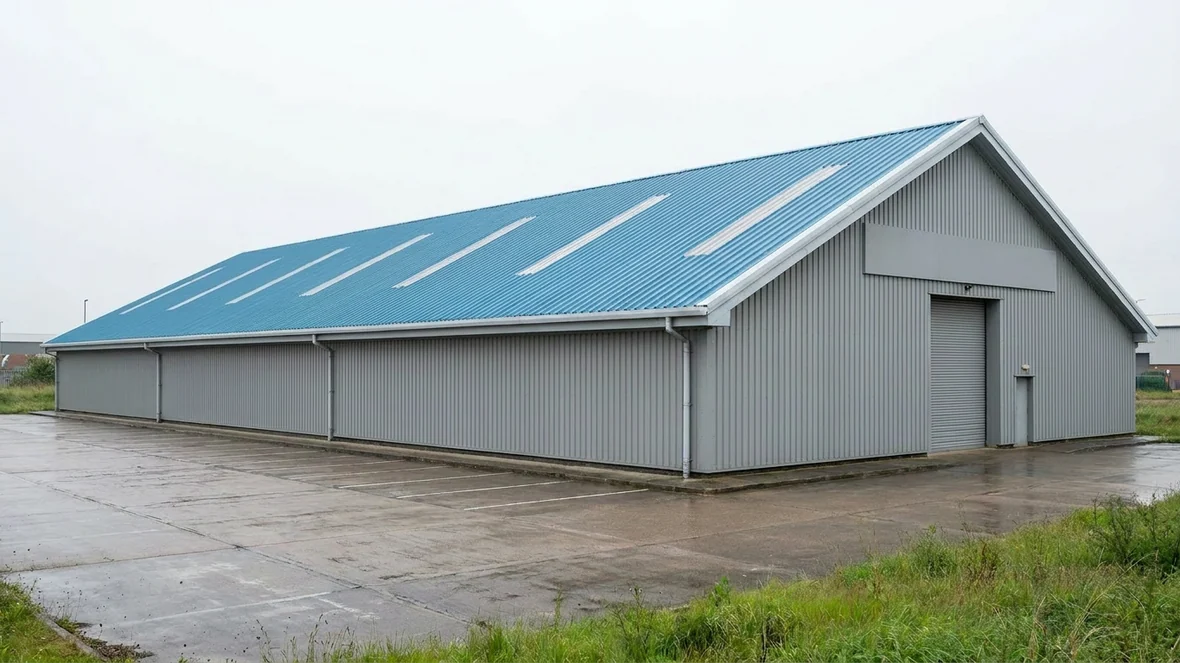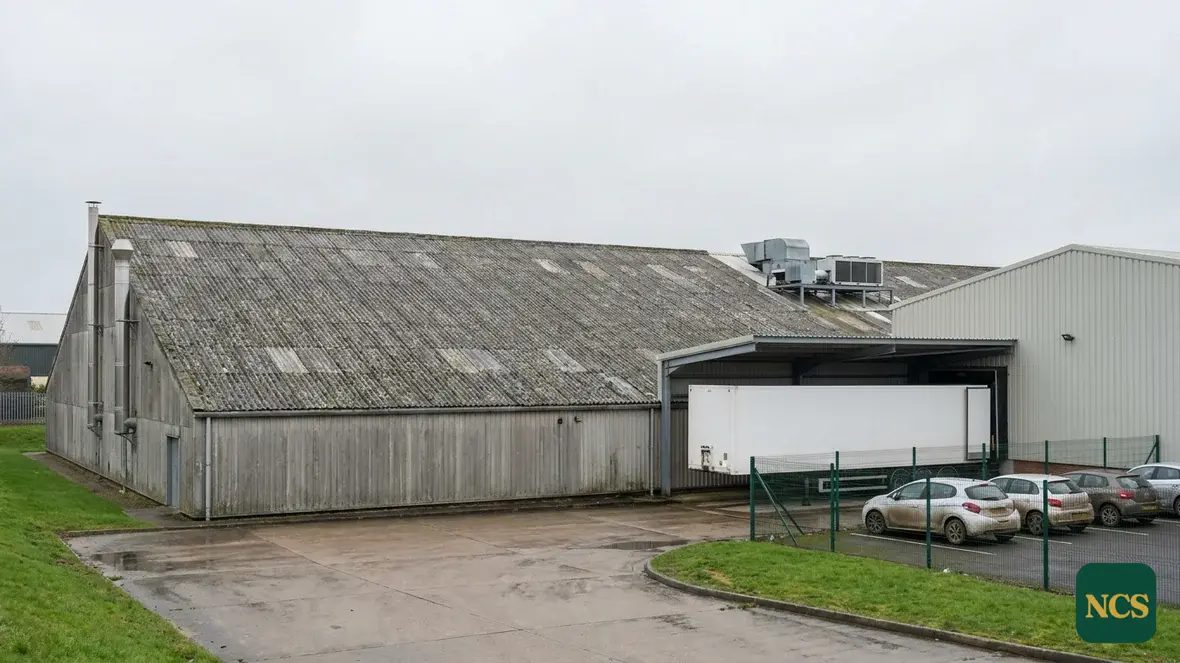




The duty to manage asbestos in food production buildings
The Control of Asbestos Regulations 2012 places clear responsibilities on those managing food production facilities. Food factory asbestos roof encapsulation is exactly that responsibility in practice: sound sheets sealed and monitored around live production. For site managers and building owners, this means maintaining an up-to-date asbestos register and ensuring any identified asbestos materials remain in good condition. In food environments, this duty intersects with strict hygiene protocols, requiring asbestos management plans that account for production schedules and contamination risks.
Regular inspections become particularly important in food factories due to the combination of moisture, temperature fluctuations and vibration from roof-mounted plant. The law requires assessments by competent persons, with findings documented and staff appropriately trained. For asbestos cement roofs, this typically means six-monthly checks for damage or deterioration that could release fibres into controlled production areas below.
Asbestos cement in food factory construction
Many UK food production buildings constructed between the nineteen fifties and nineteen eighties feature asbestos cement roofing sheets. This material was favoured for its durability, insulation properties and fire resistance – qualities that aligned with food storage requirements. The profiled sheets often span refrigeration plant rooms, processing areas and storage zones, presenting a widespread challenge for the sector.
In food facilities, asbestos cement roofs face unique stresses from steam cleaning, chemical vapours and constant vibration from extraction systems. The sheets frequently show wear around penetrations for pipework and ducting, areas where encapsulation must account for both structural integrity and hygiene requirements. Unlike other industrial buildings, food production roofs cannot tolerate treatments that might interact with sensitive processes below.
Asbestos roof painting on food production buildings means encapsulation under proper controls: an encapsulating paint system specified for asbestos cement, never a standard coat.
How encapsulation works on food production roofs
Encapsulation seals asbestos cement roofs with protective coatings that prevent fibre release while maintaining building function. For food factories, the process begins with a detailed survey mapping all roof penetrations, equipment bases and areas subject to washdown runoff. Specialist contractors then design systems that withstand the facility’s specific thermal cycles and chemical exposures.
The coating itself forms a continuous membrane over the asbestos substrate, bridging sheet joints and minor cracks. Food sector applications demand coatings that resist microbial growth, withstand frequent thermal shock from cleaning, and won’t degrade under ultraviolet light. Application occurs during planned production shutdowns, with strict containment measures to prevent contamination of sensitive areas below.
When removal is the right answer instead
Encapsulation works where the asbestos cement roof remains structurally sound and the priority is containment rather than elimination. There are clear cases where full removal becomes necessary instead. These include roofs with extensive damage where panels are cracked or broken, creating uncontrolled fibre release. The same applies where refurbishment plans require roof penetrations for new services or plant, as drilling into encapsulated asbestos defeats the purpose.
Food production environments add specific triggers for removal over encapsulation. The most common is when roof leaks persist despite encapsulation, risking water ingress into production areas below. Another is when roof-mounted plant requires major maintenance or replacement, making temporary removal unavoidable. In these cases, a licensed asbestos contractor must handle the removal under controlled conditions, with air monitoring throughout to protect both workers and production areas.
- Extensive panel damage with visible fibre release
- Planned roof penetrations for new services
- Persistent leaks risking production areas
- Major plant works requiring roof access
- Regulatory or audit requirements for removal
Planning around food production constraints
Work scheduling in food factories revolves around production windows and hygiene protocols. Unlike general industrial units, these buildings often operate continuous shifts with limited shutdown periods. The coating process must align with planned deep cleans or line changeovers to avoid contaminating production areas. Even minor dust ingress can trigger full clean-down procedures, so containment is planned from the outset.
Materials selection also respects food safety standards. Solvent-free coatings are standard to prevent taint risks, with formulations tested against food industry specifications. Application methods avoid overspray near air intakes or open product lines, with physical barriers used where needed. The team works to the site’s permit-to-work system, with all equipment entering production zones undergoing hygiene checks first.
Why the survey comes first
Every food factory roof presents unique challenges that demand proper assessment before works begin. The survey maps not just the roof condition but also the operational context below it. This includes locating high-care zones, air handling units and production lines that dictate access routes and containment requirements. Without this groundwork, even the best coating specification can fail against real-world constraints.
The survey also identifies substrate issues that affect encapsulation success. Asbestos cement roofs often have hidden damage beneath surface dirt, while previous treatments may have left residues incompatible with modern coatings. Only by inspecting panel joints, fixings and penetrations can the team determine whether encapsulation remains viable or if removal becomes the safer long-term solution.
Getting a straight answer
Our asbestos roof encapsulation page covers the system side in more depth, and the food production page shows how we work across the sector. The practical next step is a free site survey, which costs nothing and commits you to nothing.
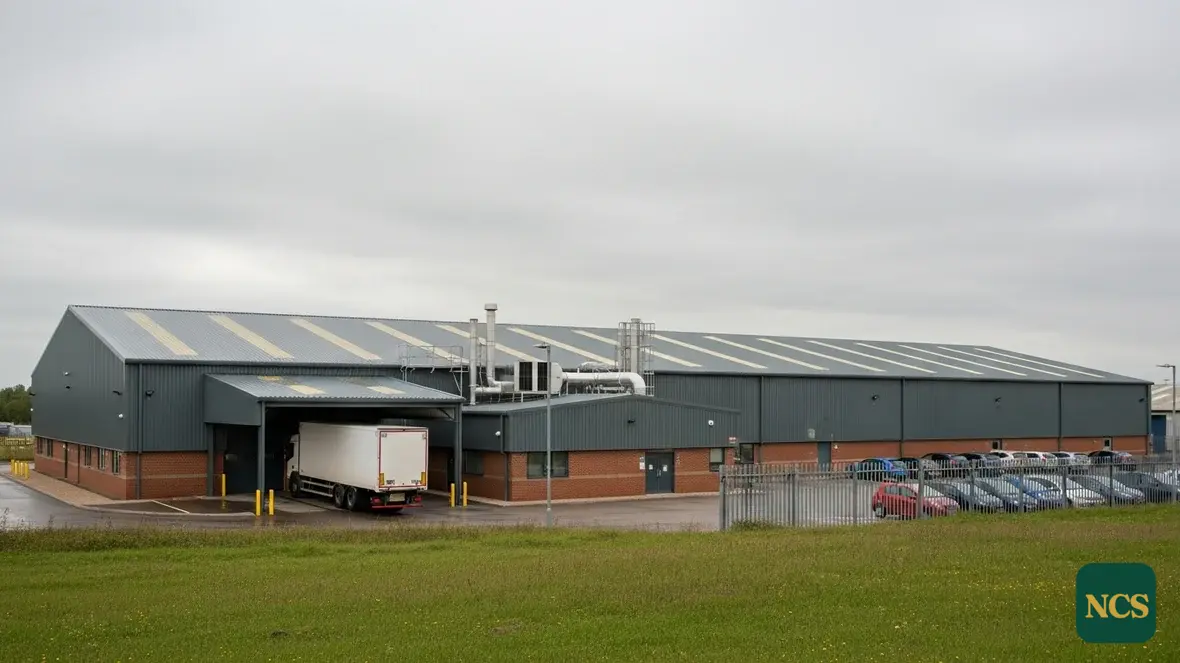
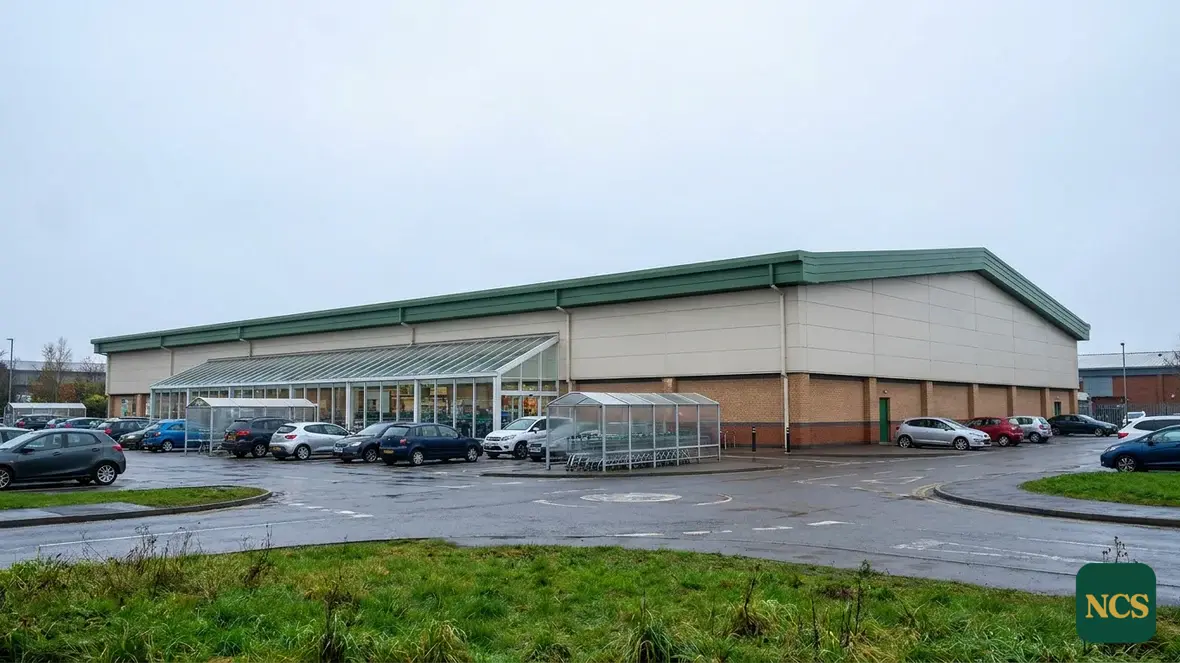
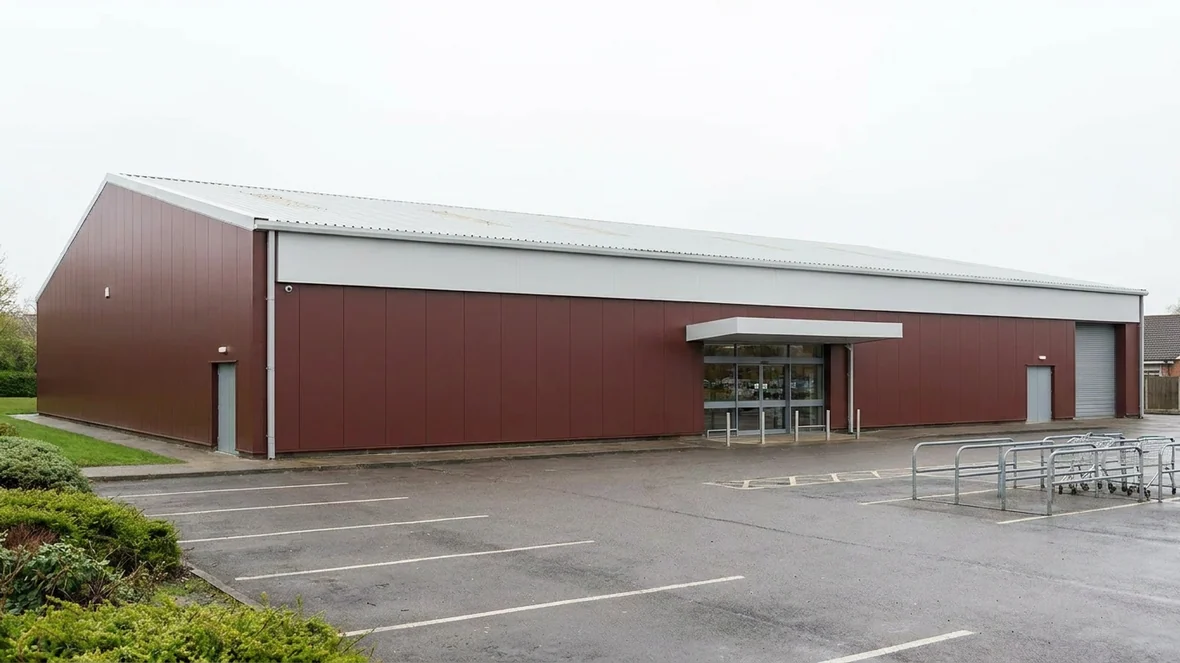
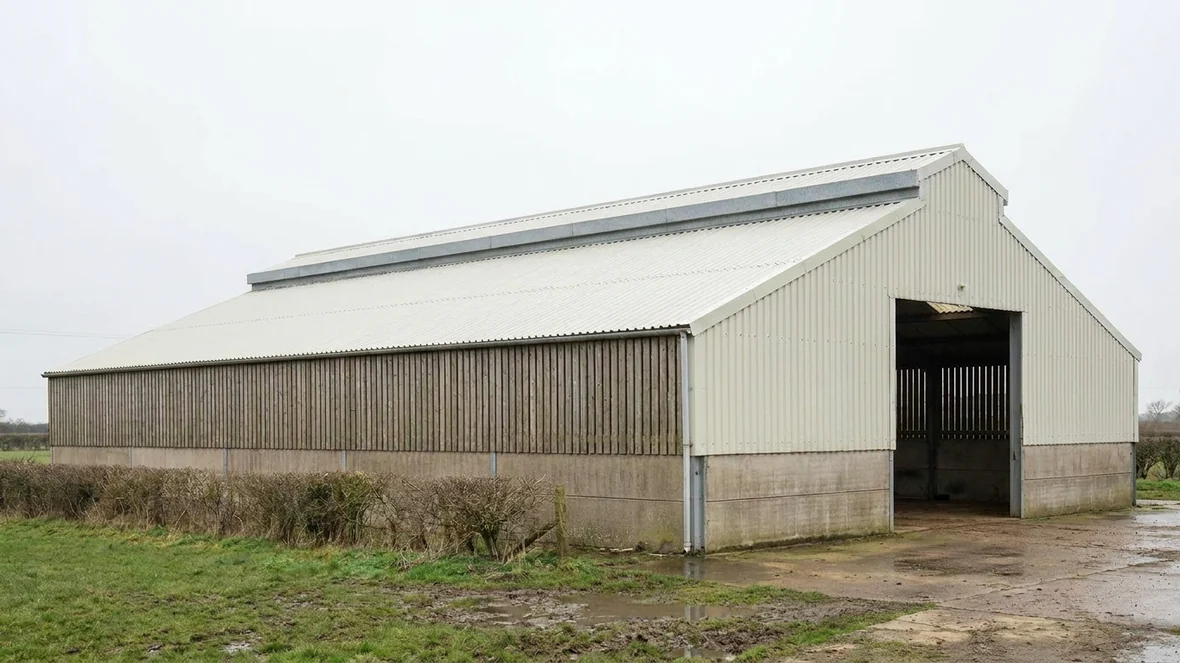
Food factory asbestos roof encapsulation: recent work we can show you
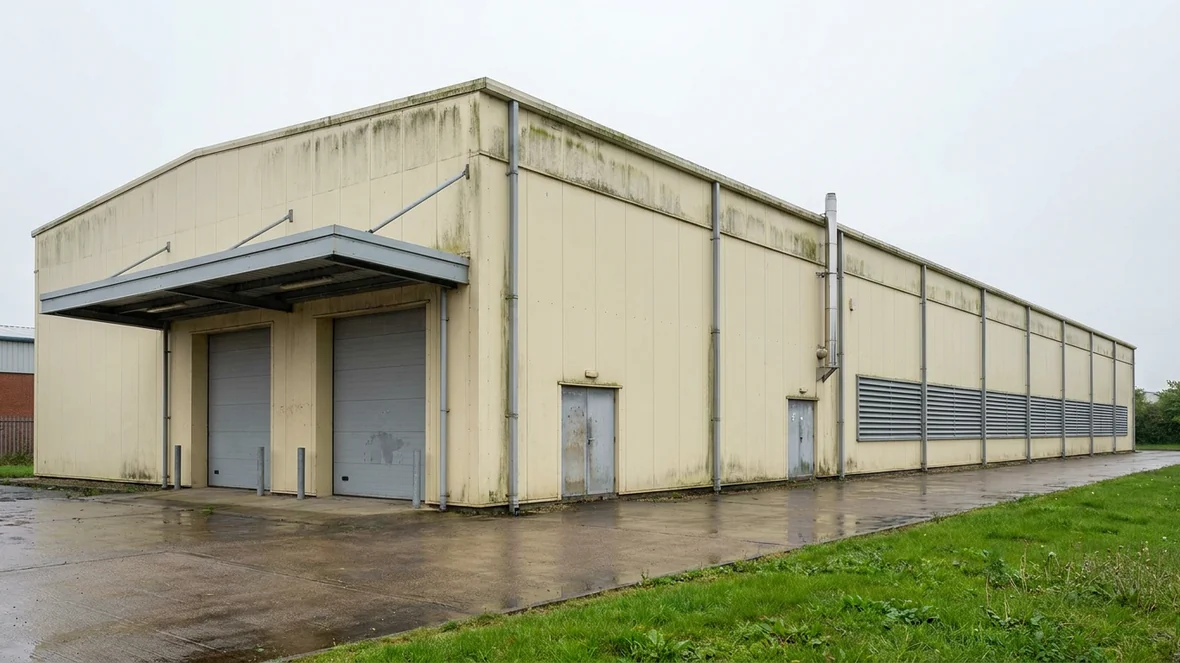
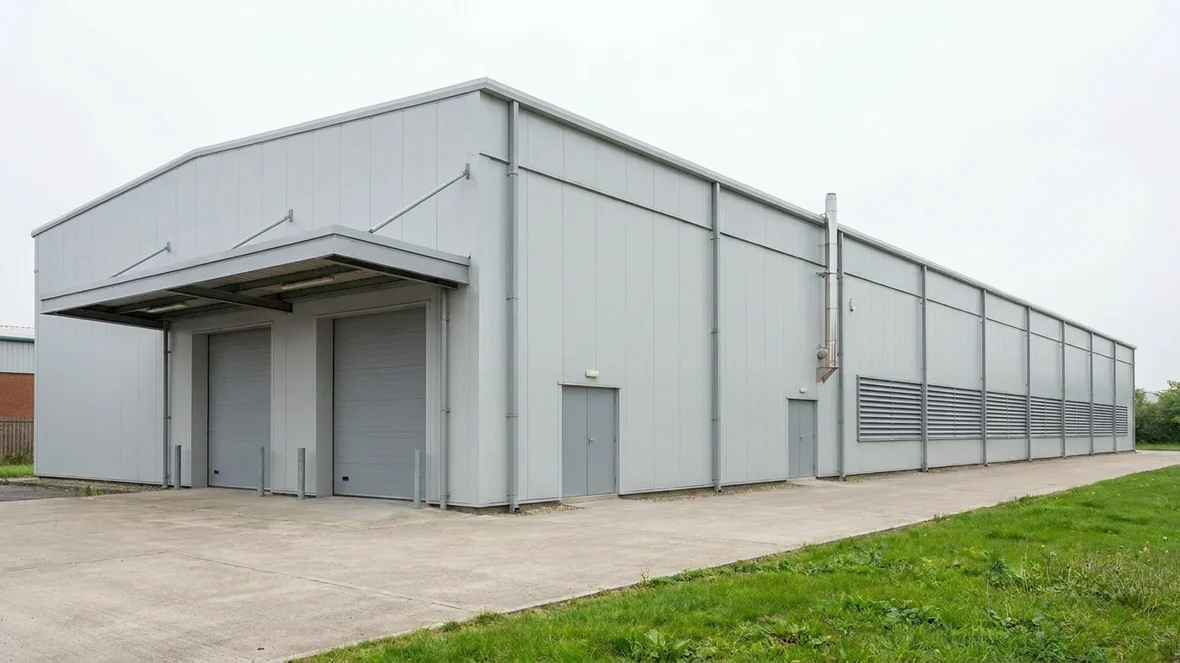
These are our own photographs from jobs of the same type. They are not stock images, and none of them is dressed up as something it is not. The caption tells you where each one was taken.
Standards behind our food factory asbestos roof encapsulation work
Food factory asbestos roof encapsulation is carried out under controlled conditions that follow HSE practice, with the same live-production access planning shown in our food processing plant cladding case study. Our teams plan every job around the HSE’s asbestos guidance, and we hold CHAS accreditation so the health and safety paperwork a site manager or estates team asks for is ready before the first van arrives.
Common questions about food factory asbestos roof encapsulation
Can an asbestos cement roof be coated without stopping food production?
Often it can, but this depends on the roof condition, the factory layout and the controls required around production areas. We plan access, preparation and coating in consultation with the site team, paying particular attention to hygiene zones, air intakes, open processes and vehicle movements. Some local restrictions or temporary shutdowns may still be necessary.
Does encapsulation remove the asbestos risk?
No. Encapsulation seals and protects the asbestos cement surface; it does not remove the asbestos-containing material. The roof must remain recorded in the asbestos register and managed accordingly. Future contractors also need to know that asbestos remains beneath the coating.
Can every asbestos cement roof be encapsulated?
No. The sheets must be sufficiently sound to accept preparation and coating. Extensive cracking, severe delamination, widespread water ingress or an unreliable supporting structure may make encapsulation unsuitable. We assess the substrate before recommending food factory asbestos roof encapsulation.
Will coating stop an asbestos roof from leaking?
Coating can form part of a leak-control system, but the cause must be identified first. Water may enter through damaged sheets, failed laps, loose fixings, deteriorated seals, rooflights or adjoining details. These defects require suitable remedial work before the main coating is applied.
How should an encapsulated asbestos roof be maintained?
It should be inspected periodically and after events that may have caused damage. Checks should include the coating surface, laps, fixings, penetrations, rooflights, gutters and areas affected by regular maintenance access. Any damage should be addressed using a controlled method that avoids unnecessary disturbance of the asbestos cement.
Asbestos roof coating compared with roof replacement
When coating is the better option
Coating is often appropriate where the asbestos cement sheets remain serviceable and the objective is to seal a weathered surface, improve weather resistance and extend the useful life of the existing roof. It generally involves less disturbance than stripping the sheets and can reduce disruption to a working food factory.
It may also avoid exposing the building interior while the roof covering is removed. That can be important above production, storage and packaging areas, although careful segregation and operational planning are still required.
When replacement wins
Replacement is the better choice when the sheets are extensively cracked, structurally unreliable or too deteriorated to provide a dependable coating substrate. It also wins where the supporting roof structure needs major intervention, where persistent condensation requires a different roof build-up, or where the building requires substantial thermal or layout improvements that coating cannot provide.
Replacement removes the asbestos cement from the roof rather than managing it in place. This can simplify future alterations and maintenance, provided removal, disposal and reinstatement are properly controlled. The trade-off is greater disturbance, more complex weather protection and a higher likelihood of operational disruption.
How we distinguish between the two
We do not treat coating as a default answer. We examine sheet condition, fixings, laps, rooflights, penetrations, drainage, internal signs of leakage and the supporting structure. We also consider the factory’s hygiene controls, production constraints and future plans. If the roof cannot provide a sound and maintainable substrate, we say plainly that replacement is the more sensible course.
Preparation and detailing on a working food factory roof
Controlling preparation
Preparation must remove loose contamination and unstable surface material without uncontrolled disturbance of the asbestos cement. We select the method from the survey findings and site risk assessment rather than relying on aggressive cleaning. Debris and residues must be contained and managed so that they cannot enter production areas, ventilation systems or surface-water drainage.
Treating laps, fixings and penetrations
A roof coating cannot compensate for defective detailing. Before coating, we check side laps, end laps, fixings, seals, flashings, kerbs and service penetrations. Loose or unsuitable components require appropriate remedial treatment, while damaged sheets may need localised replacement rather than being concealed beneath a coating.
Managing rooflights and drainage
Rooflights need separate consideration because coating their light-transmitting areas would reduce daylight and may conceal defects. Their junctions with the asbestos cement sheets must remain weather-tight. Gutters, outlets and valleys should also be cleared and checked before work proceeds, as standing water and poor drainage can undermine an otherwise sound coating specification.
Applying the coating in suitable conditions
We monitor the weather, roof temperature and surface condition during application. Damp substrates, falling condensation, strong winds and unsuitable temperatures can affect adhesion, curing and spray control. Work is sequenced so that prepared areas are protected and each coat is allowed to form correctly before the next stage begins.
Leaving a maintainable roof
On completion, vulnerable details should remain visible and accessible for inspection. We record treated areas, local repairs and any sections that require particular attention during future maintenance. The result should be a roof that can be managed methodically, not merely one that looks uniform from ground level.