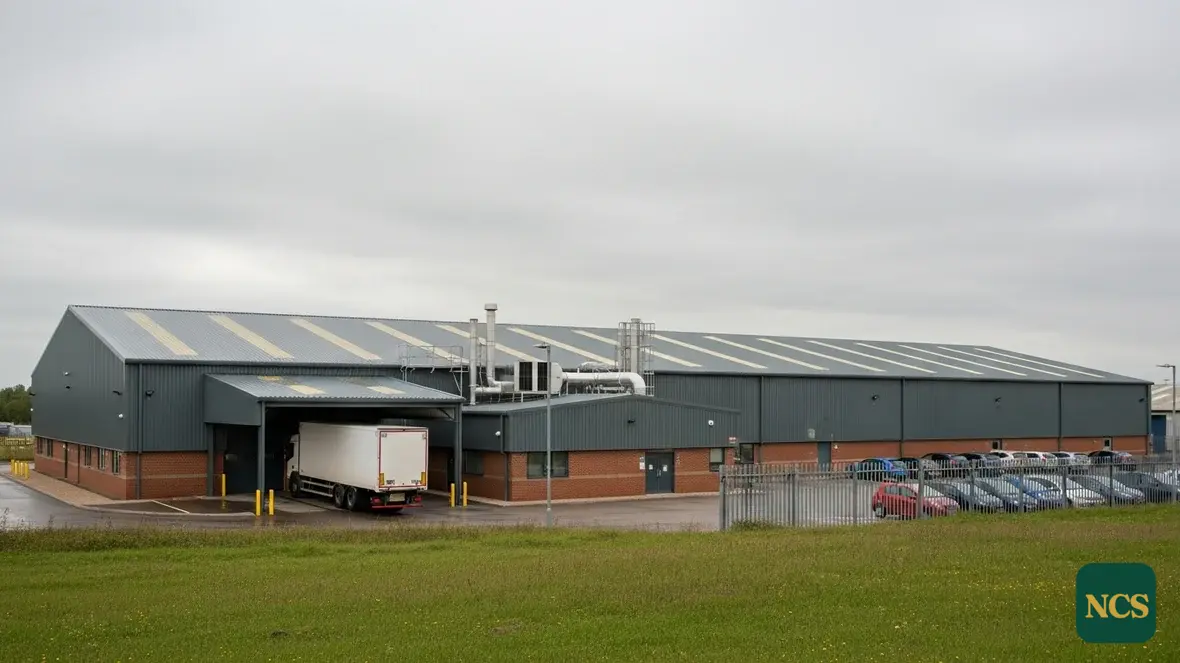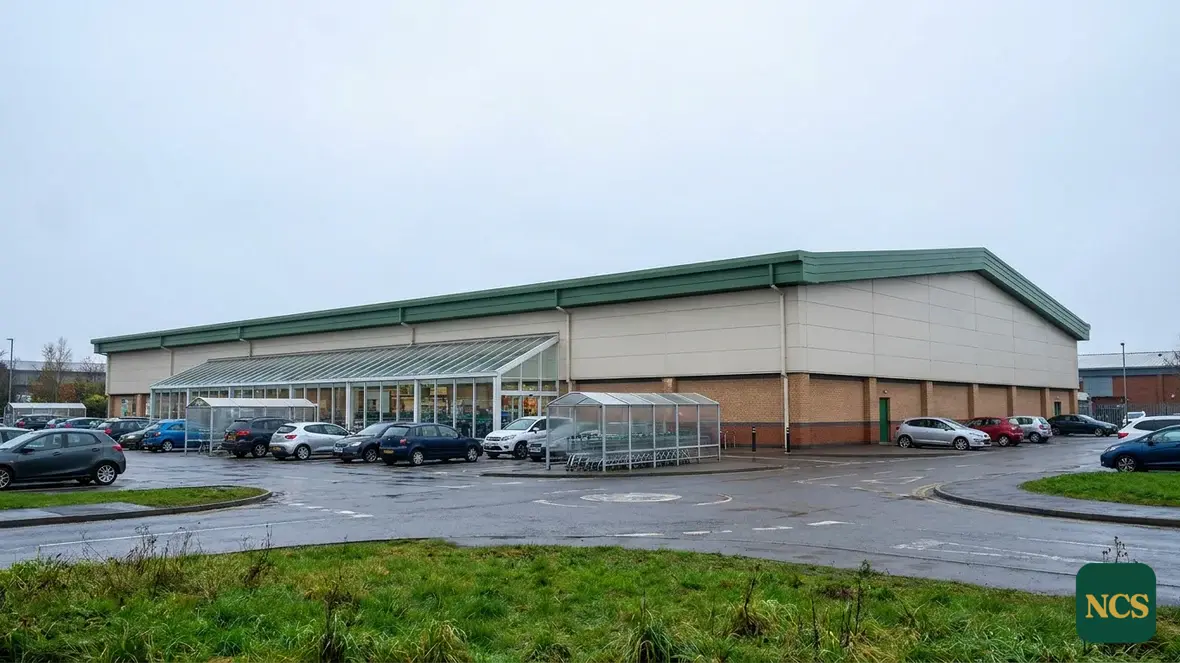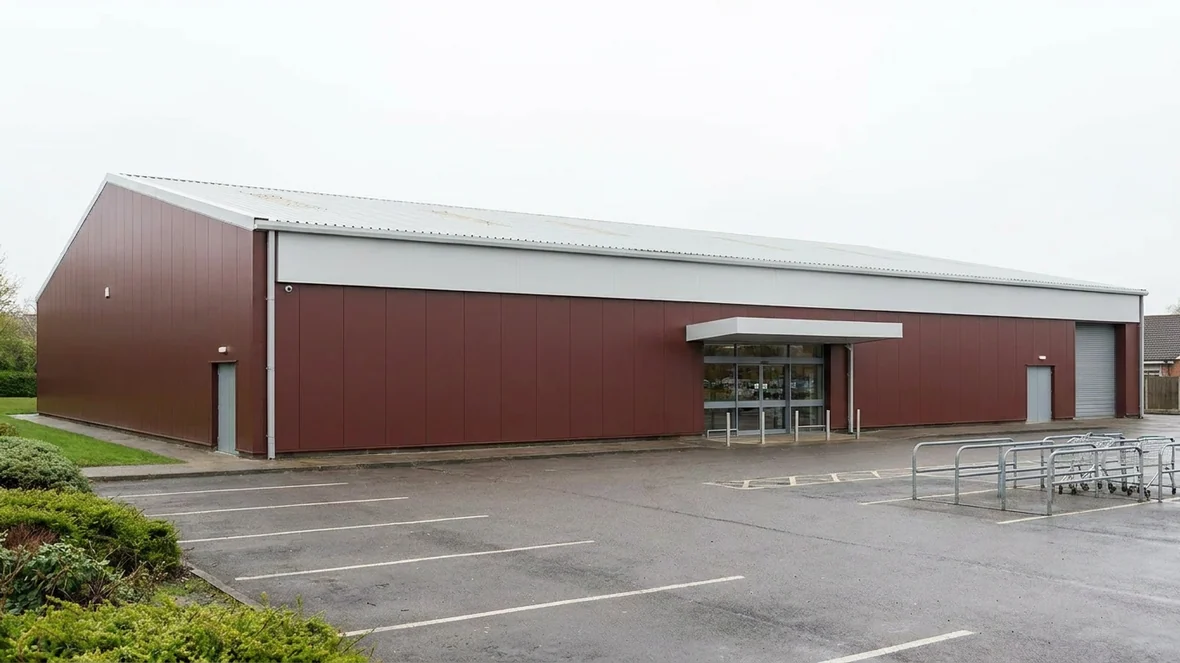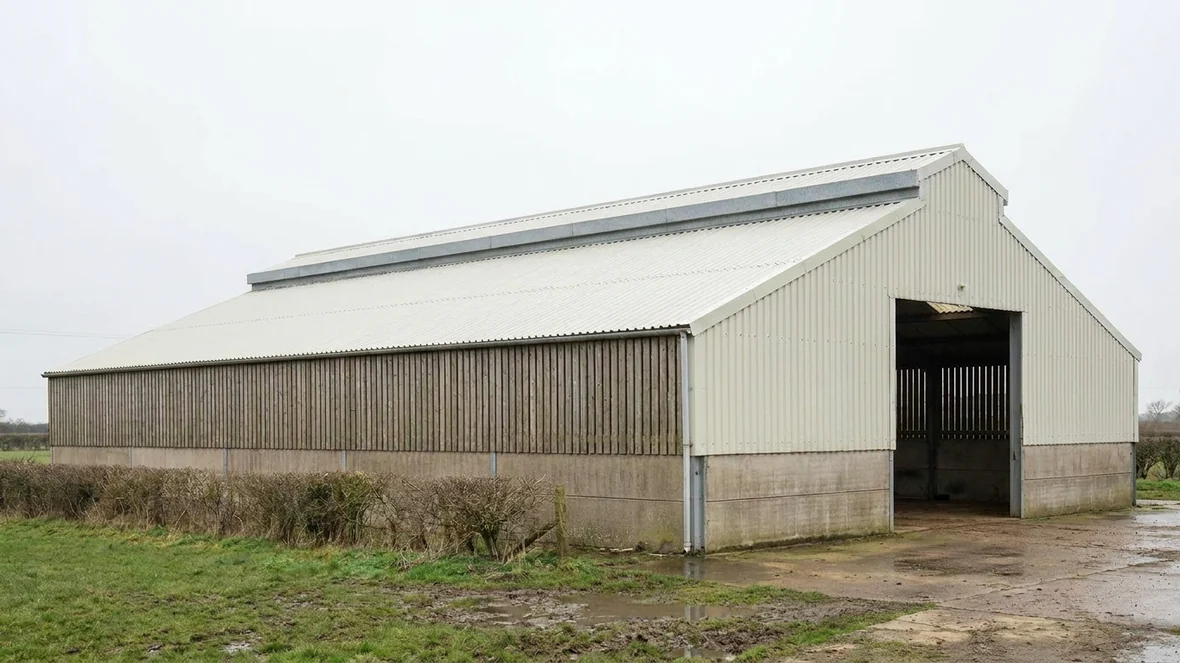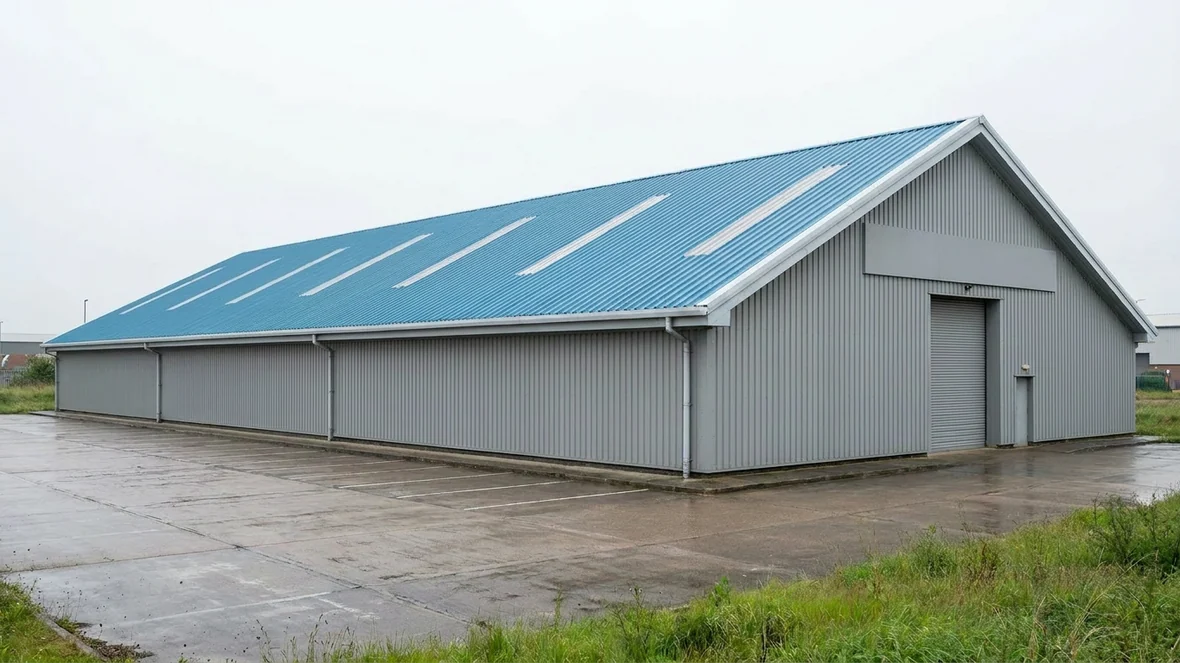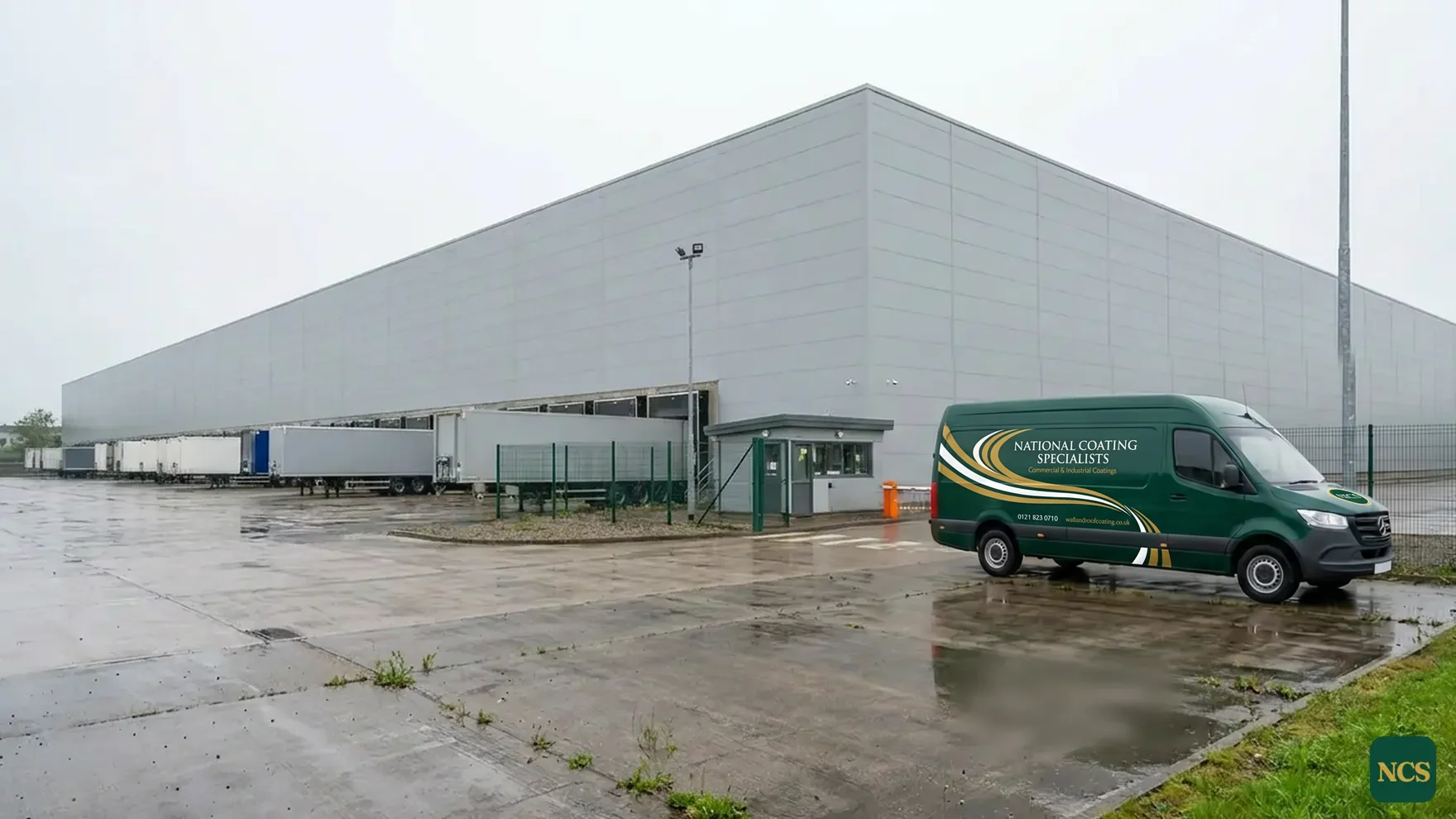




Industrial cut edge corrosion treatment is what a factory or warehouse roof needs the moment rust starts tracking from the cut ends of the sheets, not a repaint over the top.
Industrial cut edge corrosion treatment: what is cut edge corrosion?
Cut edge corrosion occurs where the factory-made protective coating on steel roofing sheets has been cut during installation, exposing bare metal to the elements. Industrial buildings from the sixties through to the early 2000s often used plastisol-coated steel sheets. Where these were cut to fit roof lights, edges or penetrations, the exposed metal edges begin rusting over time as the protective zinc layer degrades.
Unlike domestic properties, industrial roofs face accelerated corrosion from chemical fumes, heat fluctuations from production processes, and condensation from temperature differentials inside large factory spaces. Once rust starts at the cut edges, it spreads beneath the coating, lifting it from the steel substrate.
Owners of factories and industrial units often ask for the rusty edges painting. Done properly that is an edge repair: treated, sealed, then coated.
Which industrial buildings are most affected?
Factories, warehouses and production units built between the nineteen seventies and early two thousands are prime candidates for cut edge corrosion issues. This period saw widespread use of pre-finished steel roofing with thinner plastisol coatings that offered less protection at cut edges than modern systems. Multi-unit industrial estates often share this vulnerability across multiple tenancies.
Older food production facilities are particularly prone due to acidic condensation from refrigeration and washdown areas. Similarly, metalworking plants experience accelerated corrosion from airborne particulates. The problem compounds on buildings where original maintenance records are lost through changes of ownership or tenant turnover.
How cut edge corrosion leads to roof failure
Left untreated, corrosion spreads laterally beneath the coating, causing it to lift and allowing water ingress. On industrial buildings, this water travels far along steel purlins before appearing as interior leaks, sometimes over production lines or electrical equipment. The weight of pooled water can deform roof sheets over time.
In extreme cases, rust-weakened sheet edges pull through fixings during high winds. Unlike domestic properties where leaks are quickly noticed, industrial leaks may go unreported between shifts or in unused storage areas, allowing extensive damage. Regular visual surveys catch problems before they reach this stage.