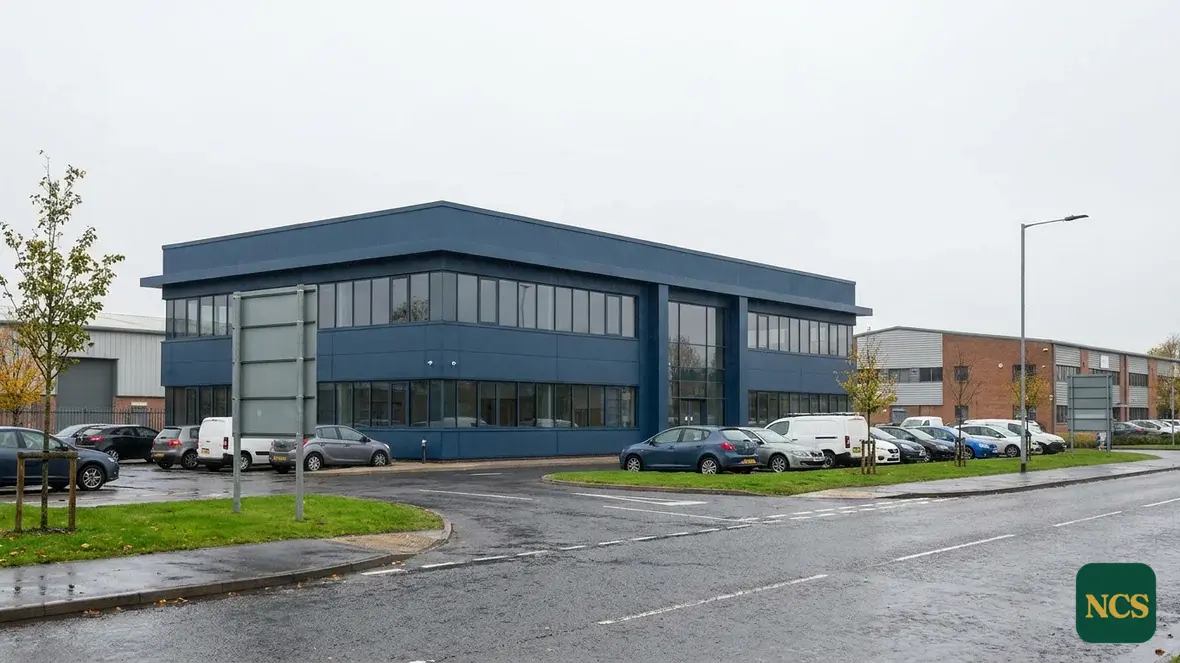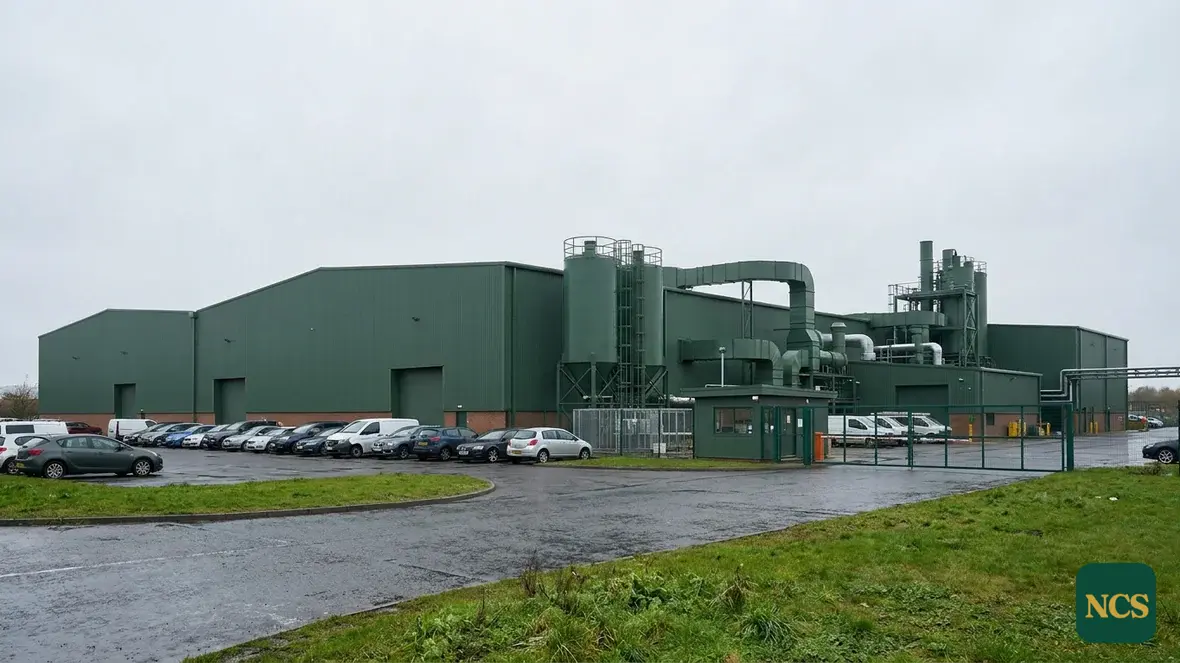
Owning a commercial building in Brighton and Hove means owning a piece of the south coast, and the sea sets the terms. Salt-laden air comes in off the Channel every day of the year, and it reaches well beyond the seafront: the trading estates behind the city and the units off the A27 sit in the same marine wind that ages metal, render and roofing faster than any inland postcode manages. For the owners and facilities teams who look after that stock, exterior upkeep is a coastal question before it is a coating one.
We work right across East Sussex as a survey-led contractor, and we never price a roof or an elevation from the ground or off a photograph. The building gets walked first, the salt damage gets recorded, and the findings go in writing before anyone specifies a system. Some of those reports recommend a coating. Others recommend repair or replacement, because coating a failed substrate by the sea only means paying twice. Straight advice is the point of the survey.
How Brighton and Hove’s buildings age by the sea
The building stock here runs from Regency and Victorian rendered frontages near the seafront to brick, blockwork and mixed-material units further back. Roofs tell the same layered story: parapet flat roofs in asphalt and felt, many carrying decades of patch repairs, single-ply and felt on office and retail blocks through the centre, and profiled metal out on the industrial and trade estates towards the A27. Older fibre-cement and asbestos cement sheeting still tops a good number of the working buildings on those estates.
Geography does the damage. South-westerly gales drive rain at angles that find every tired seam, open lap and failed fixing, while strong coastal sunlight chalks and fades south-facing elevations. Salt is the accelerant behind all of it, drawing moisture onto bare steel and holding it there between showers. A finish specified for an average inland site does not last on this coast, which is why every recommendation we make is matched to the exposure the building actually stands in.
Commercial roof coating in Brighton and Hove
Along and behind the seafront, flat parapet roofs in asphalt and felt take the brunt of the weather, while the blocks through the centre add the usual single-ply outlet and upstand weak points. Where the structure underneath is still sound, a coating system specified for coastal conditions seals those vulnerable details and restores weather protection, and it does so at a fraction of replacement cost with the building trading throughout. Our commercial roof coating work always begins on the roof, never in a brochure.
On flat roofs we look hard for trapped moisture below the surface, because coating over a wet build-up fails quickly. Membrane and sheet condition, seams, laps, fixings, parapets, outlets and gutters are all recorded with photographs, and the findings become a written specification covering preparation, repairs and the system itself. That is what we price against, so you can compare it line by line with any other quote.
Commercial wall coating in Brighton and Hove
Painted render and stucco cover a lot of the older commercial frontages here, and the sea is hard on all of it: chalking, salt bloom, hairline and map cracking, blistering where old films have trapped moisture, and algae on the shaded elevations. If you have been searching for commercial painters in Brighton and Hove, exterior painting on the coast is exactly what we do, with the wall repaired, primed and made sound before any finish goes on. A properly sprayed commercial wall coating usually outlasts a brush-and-roller repaint on this kind of exposure.
Not every wall should be coated straightaway. If render is soaking up water through a failed parapet, a leaking gutter or open joints, that gets fixed first and the coating waits. Where old paint layers are trapping moisture against the render, stripping back matters more than recoating, and some historic rendered frontages are better served by a breathable system than a sealed film. All of that goes in the survey report rather than being discovered halfway through the job.
Cladding spraying in Brighton and Hove
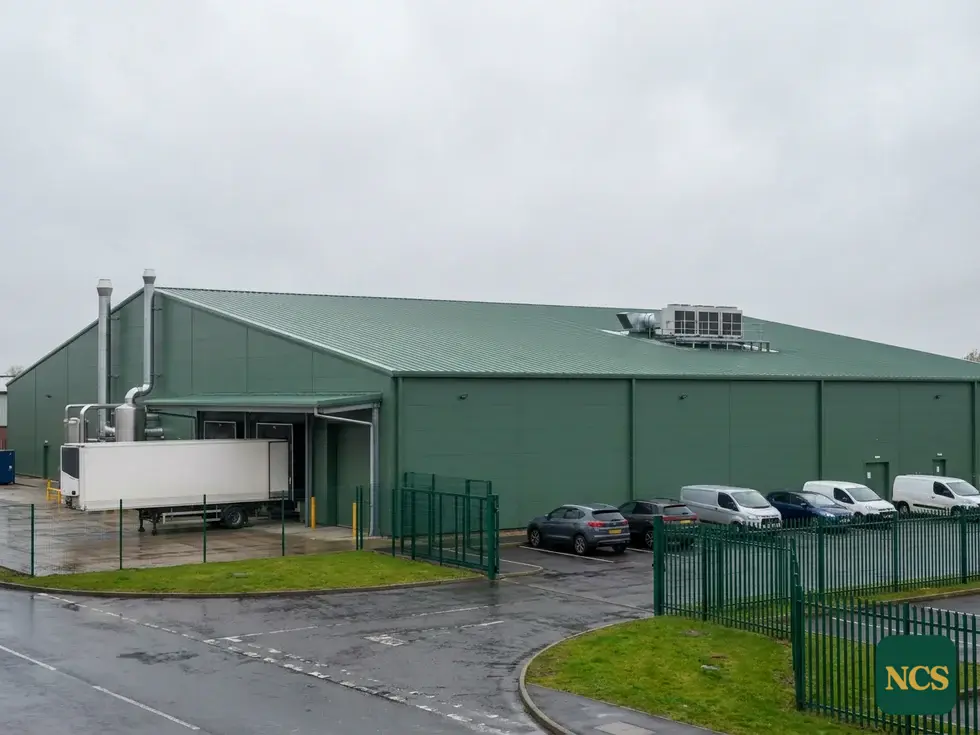
Marine air works on coated steel all year, stripping gloss, bleaching colour and opening cut edges to corrosion faster than any inland owner sees. On serviceable panels we restore the protective coating in place, in any colour, before surface trouble turns into a panel replacement bill nobody budgeted for. Good cladding spraying starts at the cut edges: treat the corrosion first and the finish holds, paint straight over it and it bleeds back through.
We will not spray panels that corrosion has already perforated, composite walls with wet or separating cores, or cladding already scheduled for replacement on thermal or fire-safety grounds. No two elevations weather the same way, so the survey maps panel type and condition, plans access around your trading hours, and specifies washing, corrosion treatment, priming and a system built for a marine-influenced site. Where the honest answer is remedial work or recladding, the report says so plainly.
Industrial roof coating in Brighton and Hove
Few things age a profiled metal roof faster than salt air, and the warehouses, workshops and distribution units on the city’s fringes stand in it all year. Cut-edge corrosion, the slow creep of rust back from sheet ends at laps, eaves and gutters, is the defining defect out here, undermining the factory finish from beneath until the coating lifts in flakes. As industrial painting contractors who survey before we specify, we check sheet condition, edge corrosion, adhesion, fixings, rooflights and gutters, and the underside where access allows, then set out the options in a written industrial roof coating report.
Where sheets are structurally intact with corrosion confined to edges and laps, preparation, edge treatment and a full system halt the decay and reset the surface, with the unit occupied throughout. Where marine corrosion has perforated sheets, saturated built-up insulation or reached the deck, a coating is cosmetic and we say so in writing with photographs. On multi-let estates we phase the work unit by unit and keep the noisier preparation to agreed hours.
Cut edge corrosion treatment in Brighton and Hove
On profiled coated-steel roofs the most exposed steel is usually the cut edge, the bare line where a sheet was trimmed at the factory and the coating stopped. Corrosion starts there, then creeps under the finish and breaks its bond, so the coating lifts and peels and exposes more metal to rust. End laps suffer worst, because water trapped in the overlap stays corrosive where you never see it from the ground. Early cut edge corrosion treatment prepares those edges back to bright metal, primes them with a rust-inhibiting system and seals them under a flexible coating bridged across the laps.
By the sea the clock runs faster, so the case for acting while the steel is still sound is stronger than anywhere inland. When our survey finds sheet ends rusted through, or laps with no sound metal left to seal to, a coating would fail early and we will not sell you one. Plenty of roofs fall in between, with a few sheets past saving and the rest treatable, and replacing the failures while treating the remainder is often the most economical route.
Asbestos roof encapsulation in Brighton and Hove
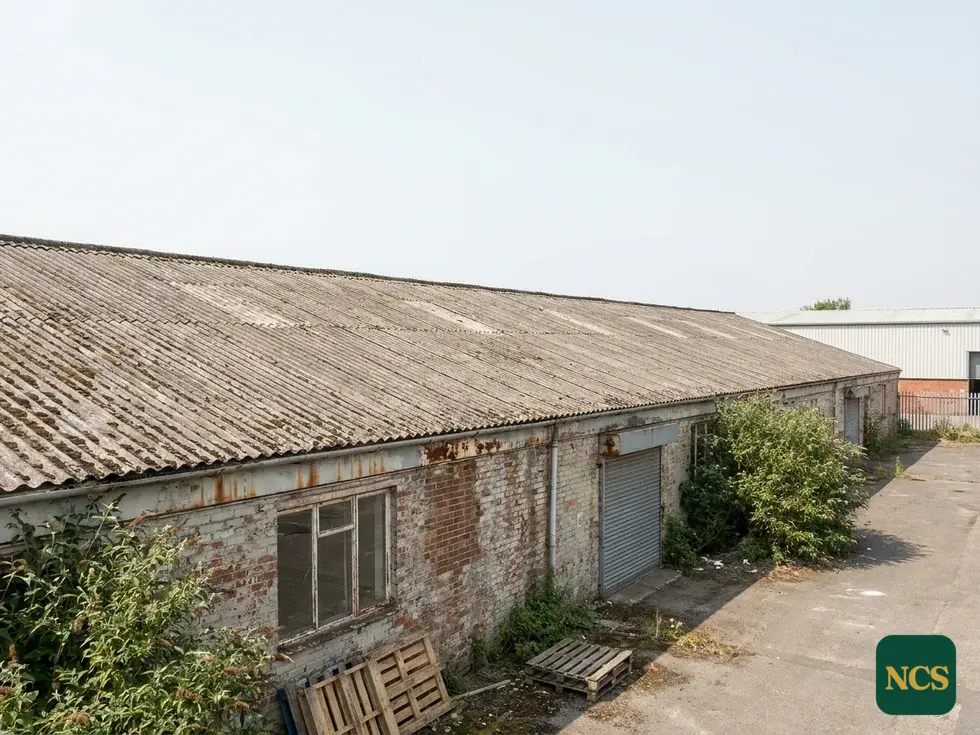
Corrugated asbestos cement sheeting still tops many of the light industrial units, trade premises and storage sheds on the city’s working estates, and weathering gradually opens up its surface. For a sheet that is still sound, encapsulation seals it where it is: we clean the roof, stabilise the surface, deal with minor defects and apply a high-build coating that locks the fibres into the substrate and gives a fresh weatherproof layer. That keeps the building usable and avoids the cost and disruption of a strip-out. Our asbestos roof encapsulation always follows a survey, never a guess.
Anyone responsible for a non-domestic building carries the duty to manage asbestos under the Control of Asbestos Regulations 2012, and encapsulating a sound roof is a recognised way of meeting it, with our report documenting the condition. Encapsulation is not universal, though. Sheets that are cracked through, heavily delaminated, friable or already releasing fibres cannot be coated safely, and there the only honest recommendation is removal by competent operatives to HSE standards. If your roof needs taking off rather than sealing, we tell you plainly.
Agricultural building coating in Brighton and Hove
Behind the city the South Downs carry more working agriculture than most people notice, and the barns, grain stores and machinery sheds serving it are mostly steel portal frame and fibre-cement now. Open downland gives these roofs nowhere to hide: wind drives rain into laps and ridges, south-facing slopes take heavy ultraviolet, and factory finishes applied decades ago were never built for either over this length of time. Most of these buildings stay structurally sound, which is exactly when an agricultural building coating at the right moment makes sense.
Proximity to the Channel changes the arithmetic, working on cut edges, fixings and any scratch faster than the same defects fail inland. We assess each slope separately, because a south-facing slope and a sheltered north slope on one building can be a long way apart in condition, and we record what the inside reveals about water already getting through. Coating work is programmed around lambing and harvest, with grain stores done and cured before intake, and access agreed at survey stage so nothing arrives to find the track impassable.
Coat, repair or replace across Brighton and Hove
Every survey we run sorts a building into one of three outcomes. Repair, where damage is localised and the rest of the roof or elevation is healthy. Coat, where the surface is failing widely but the sheets, render and structure underneath are sound, which is where a coating system delivers genuine value and buys time without a strip-out. Replace, where perforation, saturated insulation, perished asphalt, soft fibre-cement or structural trouble means a coating would only hide the problem for a winter or two.
We are content to give the third verdict and walk away from the work, because selling a coating onto a failed roof helps nobody, least of all the owner explaining the leaks later. The recommendation comes with photographs and reasons, and it is allowed to be do not coat. On a coast that punishes shortcuts this hard, an honest diagnosis is worth as much as the finish that follows it.
Booking a coating survey in Brighton and Hove
The survey is where every job starts, and it costs nothing and commits you to nothing. We walk the roof or the elevation, record condition, seams, laps, fixings and details with photographs, check for trapped moisture where it matters, and hand back a written specification you can price and compare. If the responsible answer is repair or replacement, that is what the report says, in plain terms and backed by evidence.
We cover Brighton and Hove and the surrounding area from our South-East base, running the same teams through Worthing, Lewes, Shoreham-by-Sea and Crawley, so owners with premises spread along the coast and up the A23 can work with a single contractor. To arrange a survey, or to read how we assess buildings across the wider county, see our East Sussex coating hub and ask us to take a look.
Recently — July 2026
With surfaces staying dry for longer, summer lets us prepare and coat a roof in a single planned visit rather than working around showers.
We do not price a roof we have not stood on, so every job here starts with a proper look at the building.