Westminster sits at the heart of central London with a building stock that mixes period offices, mansion blocks and modern infill. Many of these properties need careful exterior work that respects conservation requirements and the daily realities of a busy borough.
Flat roofs, rendered elevations and hidden plant rooms dominate here. Traffic pollution and the urban microclimate accelerate wear on membranes, metalwork and painted surfaces alike.
Westminster building stock and how the weather ages it
Westminster’s dense period commercial building stock faces constant exposure to rain, wind and pollution carried along the A4 and A40. Flat roofs collect debris in gutters and around plant bases, while south and west facing walls pick up driving rain and traffic film that breaks down older coatings. Render and stucco suffer from repeated saturation and drying cycles that open cracks and allow water to track behind the surface.
Metal elements on roofs and cladding show the same pattern seen across Greater London. Cut edges and fixings corrode first, then the damage spreads under the factory finish. Because many of these roofs sit out of sight above occupied floors, minor issues often go unnoticed until water appears inside. A survey reveals whether coating can still help or whether the fabric has already moved beyond that point.
Commercial roof coating in Westminster
Coating a roof in Westminster is a different job from coating a shed on an out-of-town estate. Here the roofs are mostly flat, mostly hidden from the street and mostly above buildings that cannot simply shut down while work takes place. Commercial roof coating suits this environment because it renews a tired but sound flat roof without the strip-out, without skips on a central London pavement and with far less noise and disruption than a full replacement. Whether any particular roof is a sensible candidate is a question only a survey can answer.
Call it roof coating or roof painting, the work stands or falls on the preparation underneath the topcoat. Our survey checks the membrane, the detailing, the drainage and whether moisture is already trapped beneath the surface. Parapet gutters and internal outlets carry particular weight because when they fail water enters the building directly. If you have been searching for commercial painters in Westminster, an airless-sprayed coating system usually outlasts a brush-and-roller repaint on a properly prepared flat roof.
Commercial wall coating in Westminster
Coating a commercial elevation in Westminster means far more than just painting a wall. It is a full logistics and planning exercise because we work against conservation rules, party wall agreements, pavement licences and frontages that are in constant use. Commercial wall coating begins with a proper inspection of the substrate, moisture patterns and any planning sensitivities that could limit finish choices.
The survey also plans access routes, scaffolding and working hours that suit tenants and neighbours. Rear elevations off mews and service roads are often neglected for decades yet still let water into the building, so they form part of the same inspection as the public frontage. Where the survey finds rising damp, live structural movement or failed roof details we report that plainly rather than offering coating as a fix.
Cladding spraying in Westminster
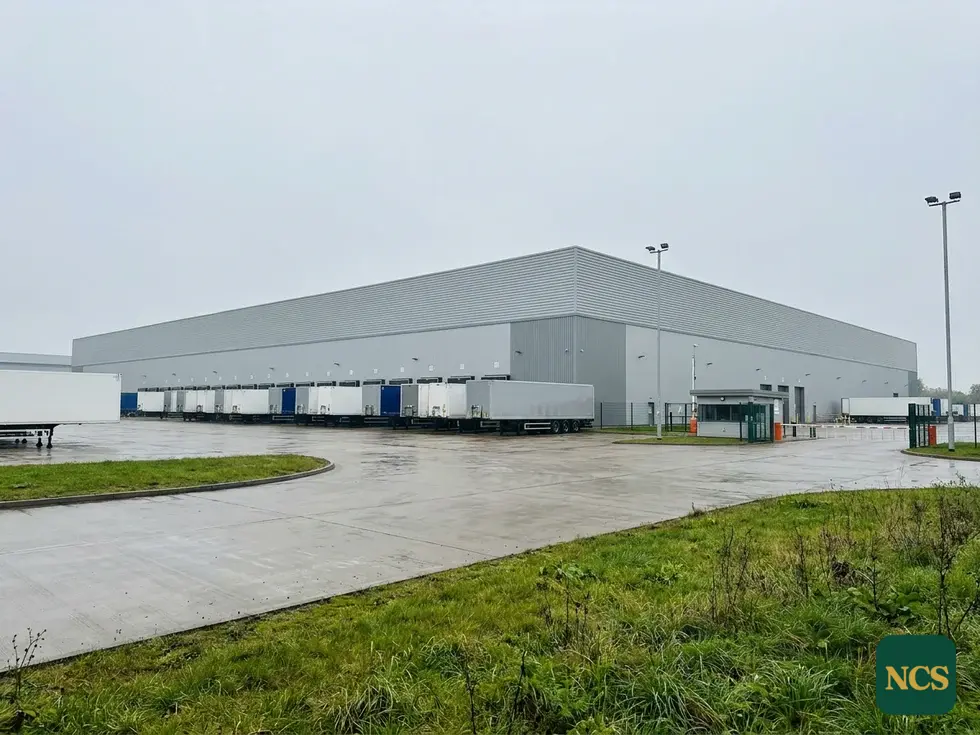
Cladding spraying in Westminster involves curtain walling, aluminium panels, rainscreen systems and architectural metalwork on occupied buildings. Cladding spraying restores the finish on site instead of replacing the fabric, but the planning, protection and access work must be handled carefully on busy central London streets.
The survey checks adhesion, filiform corrosion on aluminium and the condition of sealants and gaskets. On-site respraying can colour-match the original finish or change it entirely. Cladding painting around Westminster starts at the cut edges. Treat the corrosion first and the finish lasts; paint over it and it returns. Where panels have delaminated or corrosion has perforated the metal we report that the fabric is not sound and decline the coating work.
Industrial roof coating in Westminster
Westminster is not typical shed country, yet profiled metal roofs still appear on depots, service yards, workshops and plant enclosures. Industrial roof coating extends the life of structurally sound roofs that show the familiar faults of cut-edge corrosion, rusted fixings and dried-out laps. Traffic film and airborne grime add an extra layer of preparation that must be completed before any coating will adhere.
If you manage property in this part of central London and have been looking for industrial painting contractors, the first step remains a proper survey rather than a desktop guess. The report sets out preparation, repairs and the full system specification with photographs so the decision can be taken on evidence. Painting an industrial roof here is downtime-sensitive work, so the programme is built around shifts, access and weather windows from the outset.
Cut edge corrosion treatment in Westminster
Profiled metal roofing appears above plant rooms, service yards and backland buildings across Westminster. Every factory-cut edge starts as bare metal and rust begins there, creeping under the coating and lifting it in flakes. Cut edge corrosion treatment prepares the edges back to sound steel, treats the rust and seals the laps with a flexible corrosion-resistant coating.
Urban roofs collect mildly acidic deposits from traffic that speed up corrosion wherever bare metal is exposed. Gutters and box gutters hold water against the sheet ends for long periods. Treating the issue early keeps the work contained and avoids repeated access costs on tightly packed central London sites. Where sheets are perforated or corrosion has passed through both layers of a lap our survey states that coating is no longer viable.
Asbestos roof encapsulation in Westminster
Service yards, plant rooms and back-of-house stores from the 1960s to the 1980s sometimes carry asbestos cement roofing. Asbestos roof encapsulation begins with a sheet-by-sheet inspection that records condition and supports the duty to manage under Regulation 4 of the Control of Asbestos Regulations 2012. Where the cement remains sound, cleaning under controlled conditions followed by a dedicated coating system binds the surface and restores water-shedding.
Encapsulation is not offered where sheets are extensively cracked, holed or friable, or where asbestos insulating board or lagging is present. Those materials require licensed removal rather than sealing. The written report gives a clear verdict on seal, repair first or refer for removal and supplies the dated record needed for the asbestos management plan.
Agricultural building coating in Westminster
Many estates and farming businesses are run from offices in Westminster even though the actual barns and stores sit in the counties. Agricultural building coating therefore starts with surveys at the holdings and clear written reports sent back to the Westminster office. Each roof is assessed for coating, repair, replacement or further checking if older fibre cement is present.
The programme can be sequenced around harvest and livestock cycles so the most urgent buildings are addressed first while spending is spread realistically. Photographs and plain recommendations allow the person holding the budget to see exactly why a roof is recommended for coating or flagged for something else, without the decision maker needing to visit every site.
Coat, repair or replace across Westminster
Flat roofs hide their worst problems beneath the surface. If insulation or the deck is already saturated, coating simply seals the moisture in and deterioration continues out of sight. Ponding caused by poor falls or deflection means any coating will spend its life under standing water and fail early. Where the membrane has reached the end of its useful life across the whole area, overlay or replacement is the better spend.
Coating cannot fix rising damp, live structural movement, corroded fixings or leaks from failed rainwater goods. Shared parapets and hidden box gutters often send water into a building from a neighbouring detail. Our survey always looks at the source before the visible symptom. If the findings show coating is the wrong call we put that in writing with photographs so the decision rests on evidence rather than assumption.
Booking a coating survey in Westminster
Every project begins with a free survey carried out by the same team that will carry out the work if it proceeds. The inspection examines the actual condition of the roof or elevation, records access constraints and produces a written recommendation that states whether coating, targeted repair or replacement is the appropriate next step.
No obligation follows the survey. The report belongs to you and can be shared with managing agents, freeholders or other contractors. We cover the neighbouring boroughs on the same basis, so premises in Kensington, Camden, Lambeth and the City of London receive the same survey-led discipline.