



The commercial coating Doncaster businesses need starts with the building itself. Doncaster sits at a junction of South Yorkshire’s road network, where the A1(M) and the M18 feed a landscape of distribution sheds, manufacturing units and trade estates. The town grew up around its railway heritage and has reinvented itself around the modern logistics parks that now ring it, and those big roofs and long elevations are exactly the buildings we are called to look at.
National Coating Specialists is a survey-led contractor. Nothing gets a price until someone has stood on the roof or against the wall and written down what is there. That order matters more on large commercial and agricultural stock than anywhere, because the gap between coating a sound building and re-sheeting a failed one is the gap between a maintenance line and a capital project.
Commercial coating Doncaster: how buildings age
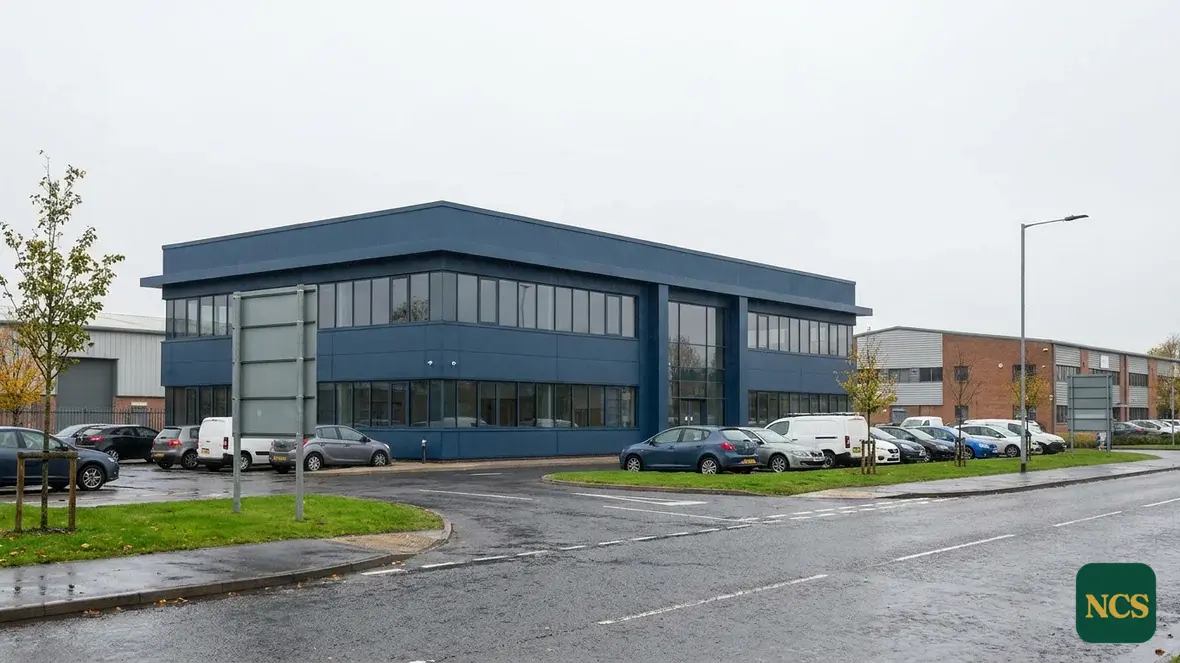
The local stock spans two centuries. Victorian and Edwardian brick sits in the older centre and inner streets; post-war offices, parades and depots carry render; and the estates along the road corridors are dominated by steel-framed units with profiled metal roofs and masonry or rendered elevations. Out on the low arable country around the town, big grain stores, crop stores and machinery sheds sit under steel, asbestos cement and later fibre cement.
Weather does the ageing. The open lowland gives wind-driven rain a clean run at exposed elevations, so cut edges, laps and fixings on steel corrode sooner here than on sheltered sites. A South Yorkshire winter leaves saturated surfaces little chance to dry, freeze-thaw opens hairline cracks in cement sheets, and ultraviolet chalks and fades the faces that catch the most sun. Solid Victorian brick and modern framed construction handle that moisture in completely different ways, which is why identification happens on the building, not from the kerb.
Commercial roof coating in Doncaster
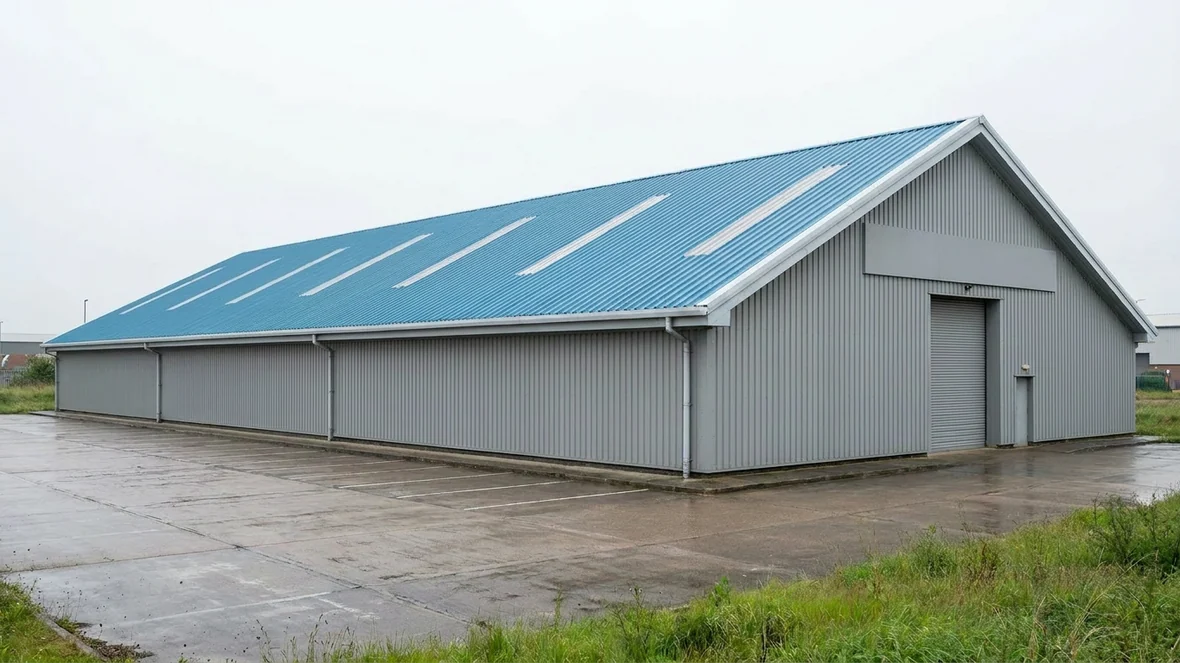
Distribution sheds around the logistics parks carry very large profiled steel roofs, and when one of those is corroding at the details but sound in the structure, the commercial coating Doncaster operators need is the established fix. We build up a liquid-applied membrane over the prepared surface, sealing sheets, laps and fixings into one continuous waterproof layer without the downtime, cost or landfill of re-sheeting. On a shed of any size, the difference between the two routes is rarely marginal.
If you have been searching for commercial painters in Doncaster, it is worth knowing that an airless-sprayed coating system usually outlasts a brush-and-roller repaint on a roof of this scale, because the film is built to a specification rather than a colour. Preparation decides the lifespan far more than the product does: two roofs coated from the same tin can wear completely differently depending on the survey, the cleaning and the corrosion treatment underneath. Our commercial roof coating specification sets out what the survey checks before any system is named.
Commercial wall coating in Doncaster
The commercial coating Doncaster elevations need depends on what they are built from. Wall work here is a broad church. At one end we weatherproof the brick and render of the older centre; at the other we protect large rendered or masonry elevations on industrial and warehouse units along the estates. The survey’s first job is simply to establish what kind of wall it is and what condition the surface is in, because solid-walled brick and modern framed construction manage moisture in opposite ways.
Our inspection covers moisture readings, substrate identification, adhesion on existing render and paint, frost damage to brick faces and the state of copings, sills and rainwater goods, which is where most water problems begin. You get written findings with repairs, preparation and the coating system itemised separately, and the work follows that order. Whether a Doncaster elevation needs exterior painting, a full coating or nothing more than clear confirmation that it is sound, our commercial wall coating survey answers it in writing.
Cladding spraying in Doncaster
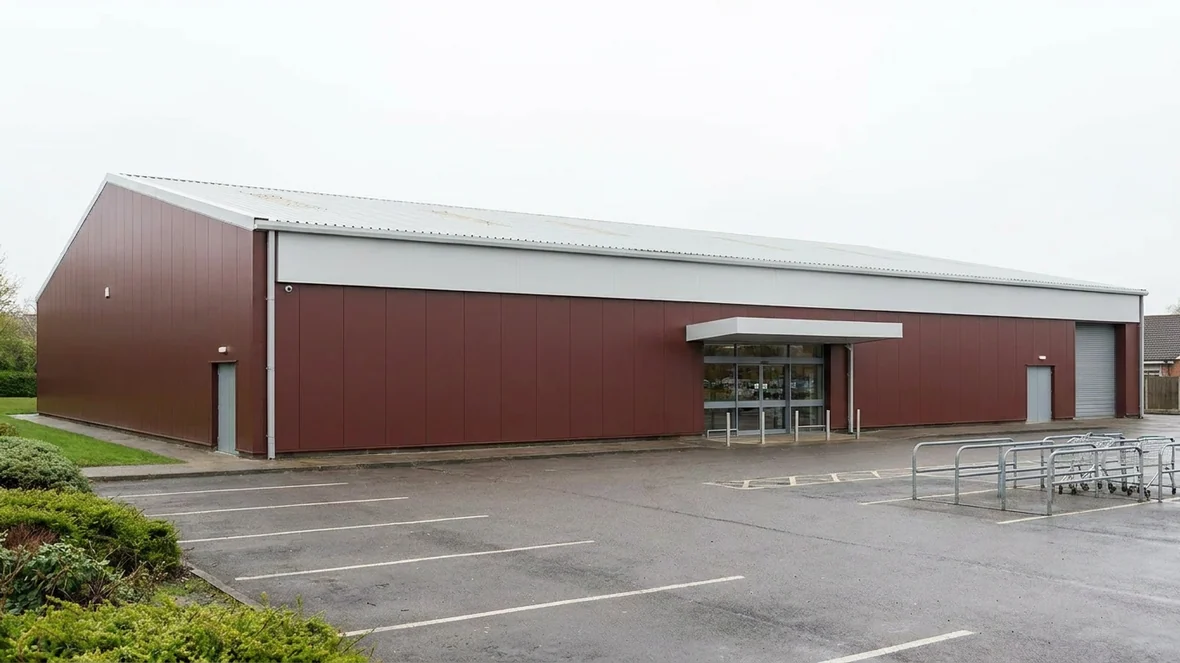
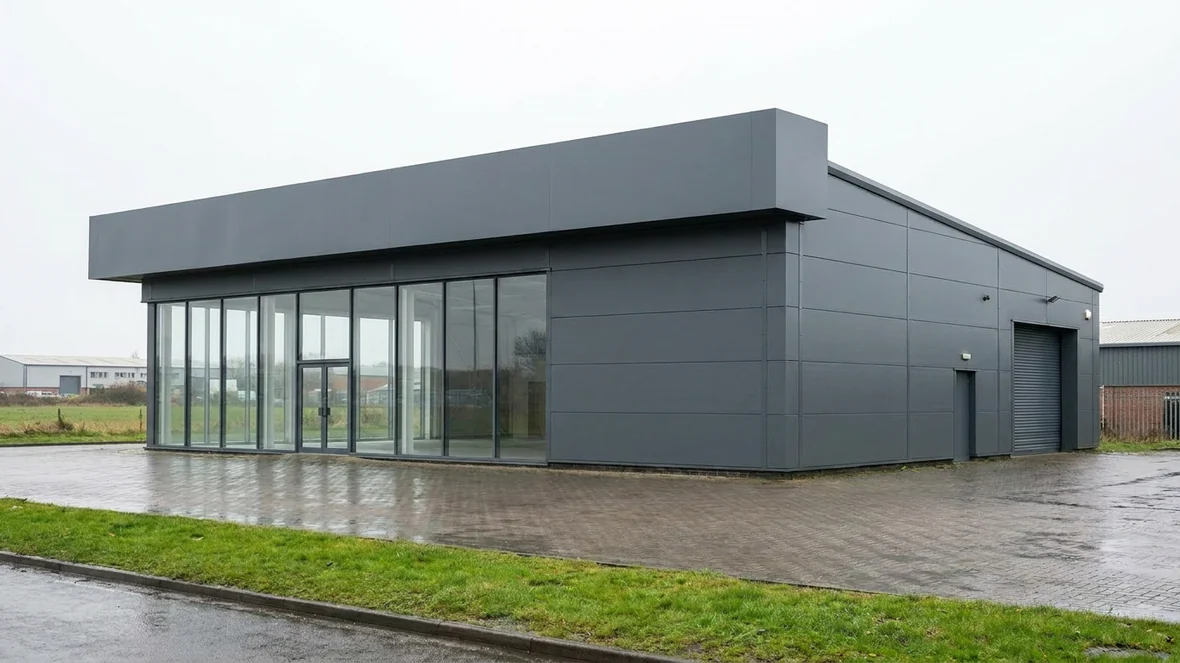
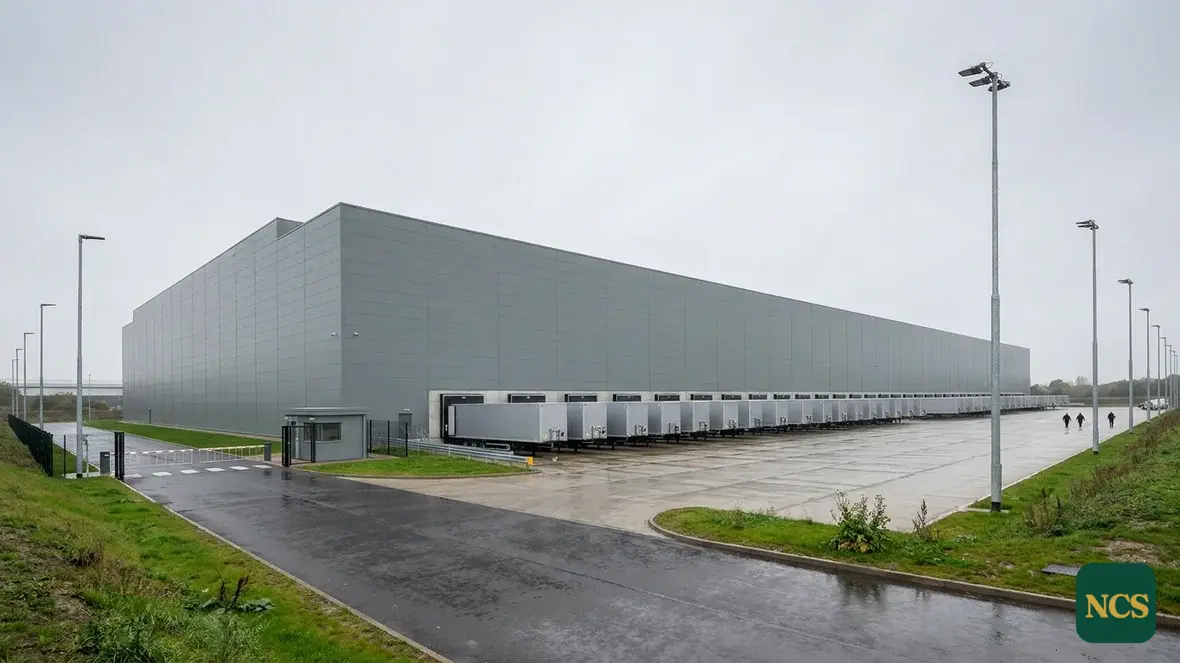
The commercial coating Doncaster site managers can plan around begins with a survey. Big sheds mean big elevations, and on profiled steel and composite panel the choice between recladding and recoating is measured in weeks of disruption as well as budget. We are survey-led as policy on these buildings especially, because a clear condition report before any price keeps a project predictable and keeps tender comparisons fair, every bidder measured against the same written findings. Our cladding spraying service follows a fixed sequence: survey, report, preparation, application, inspection.
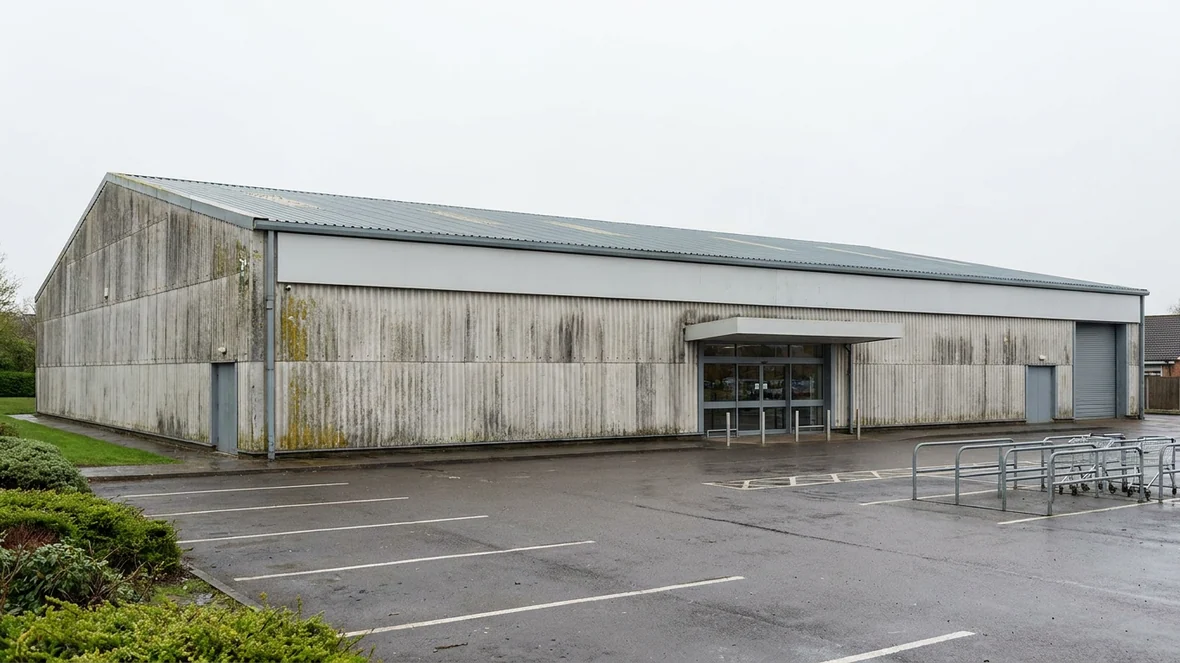
The survey usually turns up cut-edge corrosion along gutter lines and sheet ends, UV fade on the south and west faces, impact damage around loading doors, mismatched replacement sheets and ghosting where old signage has been removed. Each finding shapes the specification. Cladding painting done well goes on in controlled passes to build an even film across elevations that can run to thousands of square metres, and we plan the work around loading bays and traffic routes so a busy site keeps moving while its exterior is renewed.
Industrial roof coating in Doncaster
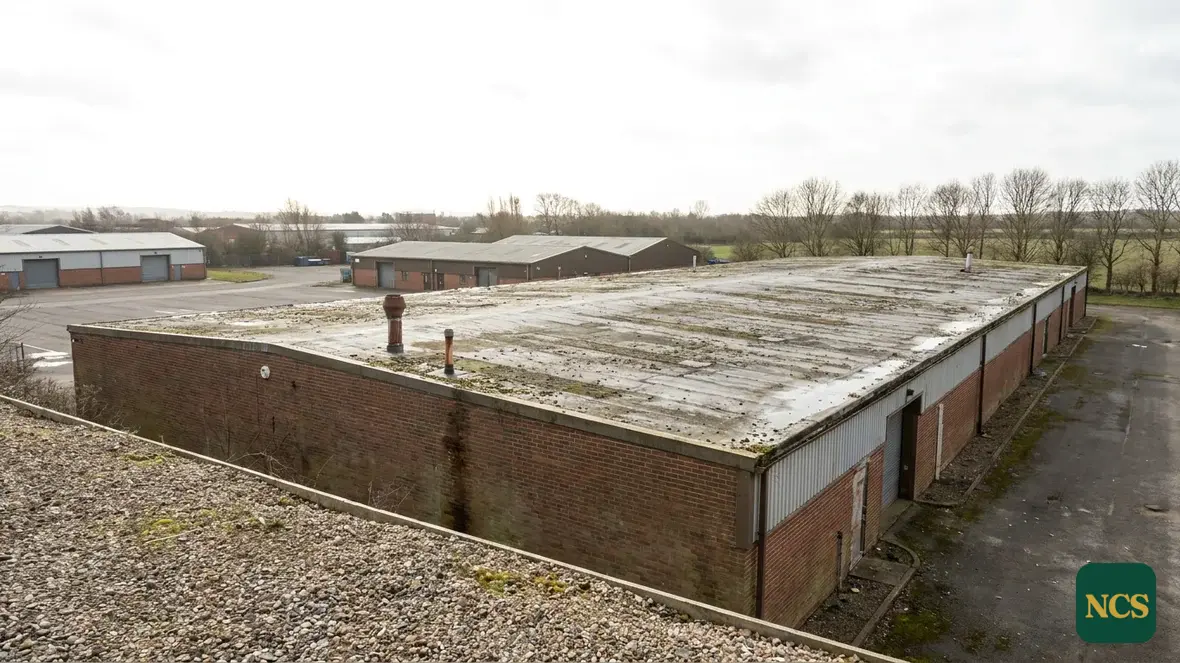
The commercial coating Doncaster industrial roofs need differs between two generations. The newer distribution sheds tend to be structurally sound but approaching the point where the factory finish weathers through; catching that before bare steel shows is the cheapest intervention these buildings will ever need. The older estate roofs, with years of service, patch repairs, mismatched sheets and neglected gutter lines, are a different conversation, and some are past the point where coating is sound work. Our industrial roof coatings service renews what is sound and says plainly what is not.
On large profiled roofs the two failure points that matter most are the cut edges and the gutters, especially concealed valley gutters that corrode out of sight, and a quotation that ignores them is not a serious quotation. Businesses comparing industrial painting contractors should look for exactly that: a scope built on the roof, not from a desk, with access equipment positioned to keep dock doors clear and the work phased bay by bay against your operational calendar. Coating never opens the building envelope, which makes it one of the least disruptive options for a site that runs extended hours.
Cut edge corrosion treatment in Doncaster
Every profiled steel sheet has the same weak point. It was cut to size at manufacture, the cut went straight through the factory coating, and bare metal has sat exposed at the sheet ends and laps ever since. Rust gets a foothold on the edge, then creeps back underneath the original coating and lifts it from the steel; from the ground you see a brown line along the eaves, and up on the roof the peeling paint shows how far it has travelled. Our cut edge corrosion treatment service tackles that zone before it spreads.
Scale is what makes it bite on a Doncaster shed: a large unit can carry hundreds of metres of eaves and end laps, so the defect runs along every cut line rather than sitting in one spot. Caught early we prepare the edges back to sound steel, prime, seal the laps against capillary moisture and lay a reinforced coating band over the vulnerable zone, and it stays a maintenance job that keeps the building operational. Left until the sheet perforates over an internal gutter, above your racking and stock, it becomes a far bigger bill that always announces itself at the worst possible moment.
Asbestos roof encapsulation in Doncaster
Leave corrugated asbestos cement out in the weather for decades and the surface changes: the cement matrix erodes, moss and algae colonise the laps, freeze-thaw opens hairline cracks and the fibres the cement once bound begin to sit closer to the surface. The sheet may still do its job structurally, but the direction of travel is one way, and the duty to manage asbestos under the Control of Asbestos Regulations 2012 requires you to respond to condition rather than ignore it. Where a survey confirms the sheets are sound, our asbestos roof encapsulation arrests that deterioration.
We clean the roof under controlled conditions, repair fixings and flashings, then seal the whole surface with a flexible coating, binding surface fibres in rather than letting them wash into the gutters, and the building stays in use throughout. Where the material is a higher-risk product such as asbestos insulation board, or where sheets are brittle, cracking or delaminating, that is a removal job for a licensed contractor and we say so plainly. Encapsulation is management, not disappearance: the asbestos stays on your register and should be re-inspected, but it sits sealed under a maintained finish instead of weathering away above your heads.
Agricultural building coating in Doncaster
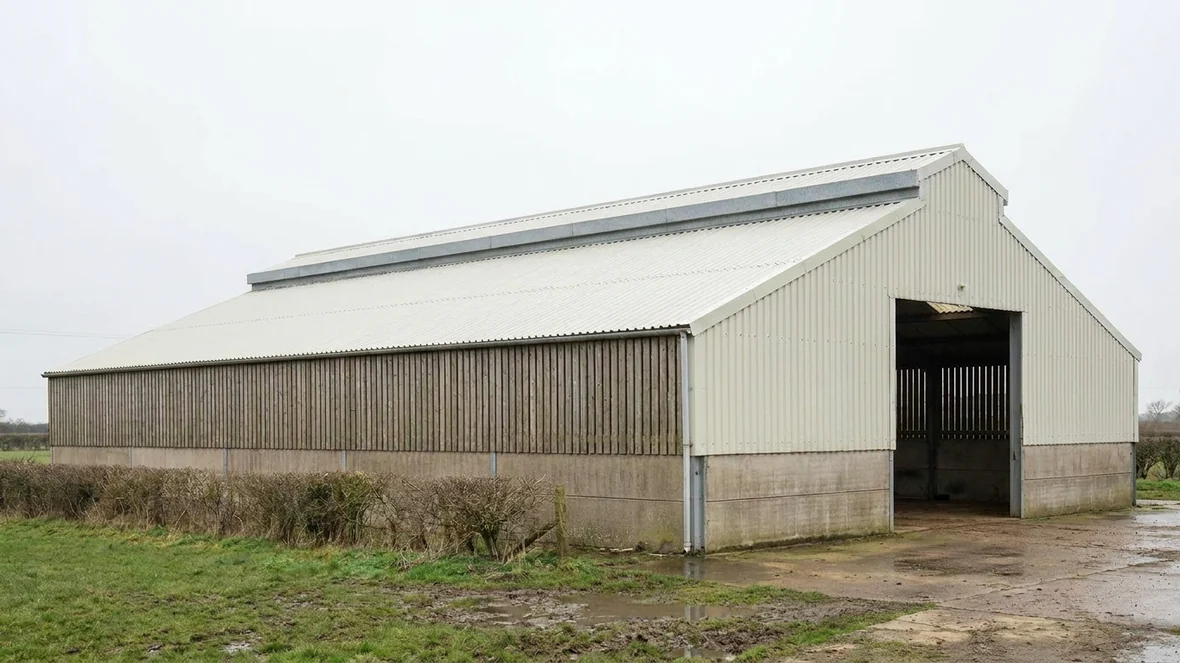
The commercial coating Doncaster agricultural buildings need has to fit the farm’s calendar. The low, open arable country around the town, much of it drained peat and warp soils, grows cereals, vegetables and root crops on a large scale and stores them in equally large buildings. Big grain stores, crop and vegetable stores, machinery sheds and older general-purpose barns make up most of that stock, plenty of it still under asbestos cement or later fibre cement.
The exposed lowland means edges, laps and fixings corrode sooner and the faces chalk faster, so our agricultural building coating work starts with a proper look at the roof and a clear understanding of the farm’s calendar.
Timing is tight. Stores empty through spring as the previous crop moves off farm, and that is the one sensible window: complete the work, let it cure fully and air the building well ahead of intake, while machinery sheds suit the weeks the fleet is out in the fields. Where cement sheets are intact, a cleaning and encapsulation system seals the surface and extends the roof’s life without the cost of stripping and licensed disposal; where they are cracked, holed or soft underfoot, that is a replacement job, and a coating would only delay the bill while adding ours on top.
Coat, repair or replace across Doncaster
Some surveys end with us recommending another trade, and we would rather walk away than coat a building that should not be coated. If insulation in a built-up roof is saturated, coating traps the moisture against the deck. If corrosion has moved past the cut edges into the body of the sheets, or fixings have failed wholesale, re-sheeting is the right answer. Cracking that follows a structural pattern through brickwork needs investigating before any decoration goes on, and damp rising from the base of a wall has to be cured at the source, not sealed over.
Where the substrate is sound, coating wins on cost, programme and disruption, and it keeps tonnes of stripped sheeting out of the waste stream. Where it is not, our report will tell you so in writing, with photographs and the reasoning shown, so the decision can be defended to whoever signs off the budget. A coating sold onto a failing roof is not a saving; it is a delay with interest.
Recent projects from the same team
The photographs behind our service pages are our own, taken on jobs of the same type rather than pulled from stock. One example that maps closely onto the arable stock around Doncaster is our grain store encapsulation case study, where a weathered, moss-laden cement roof was cleaned and sealed with the building kept in use throughout.
Booking a coating survey in Doncaster
The commercial coating Doncaster owners commission should begin with evidence. Every survey we run is free and carries no obligation. Someone inspects the roof or elevation at close range, checks sheet condition, laps, fixings, rooflights, gutters and any evidence of moisture already inside the build-up, and you get a written, photographed report with a clear recommendation either way. Work on operational sites is programmed around your hours and access, so a unit can keep trading while its exterior is renewed.
From Doncaster we also cover Rotherham, Barnsley, Scunthorpe and Worksop, which suits operators and landlords holding stock across the region. For the wider picture of how we assess each building and where else we work, see our South Yorkshire coating hub, then book a survey and start with the evidence.
Recently
If a coating is not the right call for your building, we will tell you that after the survey rather than sell you a job that fails.
Long daylight and warm, dry days are when a coating cures and bonds best, so summer is a sensible time to get the work booked in.
All access and roof work is planned in line with HSE work-at-height guidance.