Agricultural Building Coatings in Bloxham, Oxfordshire
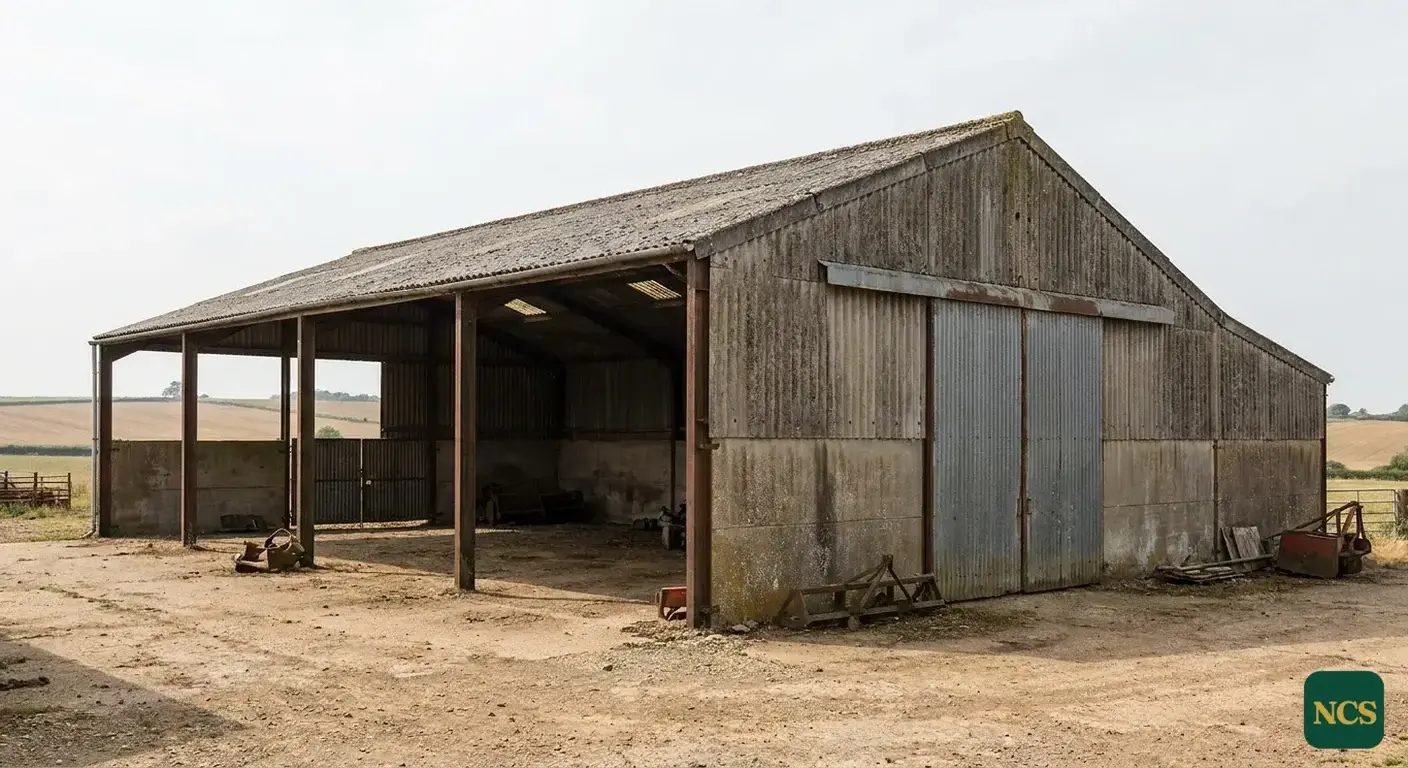
Walk across the Oxfordshire farmland around Bloxham and you’ll see a lot of asbestos cement and profiled metal roofs. They’re on barns, grain stores, livestock sheds. Many are quietly reaching the end of their lives. We coat the ones that still have some life left, but we’re honest when it’s time to strip them. Either way, we start by getting up on the roof and having a proper look.
Asbestos and the duty to manage on farms
The Control of Asbestos Regulations 2012 put the legal duty to manage asbestos squarely on the farm owner or estate manager. Most agricultural buildings built before 2000 probably have asbestos cement roof sheets. They’re low-risk when they’re intact, but they need managing as they weather and start to break down. We survey these roofs right across Bloxham, Banbury, Chipping Norton and the wider Cotswold farming belt. We’ll tell you exactly what condition your sheets are in.
The farm buildings we keep coating around Bloxham
On Oxfordshire farms, we see the same types of roofs needing work all the time: stone barns converted for storage, big cattle and dairy sheds, grain stores, drying buildings, machinery sheds, and the older outbuildings on estates. Bloxham sits right between the Cherwell Valley and the Cotswold escarpment. That exposure means these roofs often take a harder beating than they would in a more sheltered spot.
For Bloxham farms, repainting the shed is usually a between-seasons job, and we programme it around stock and harvest rather than the other way round.

Why farm roofs fail here
Three main things cause most of the trouble. Humidity from livestock and stored crops keeps the underside damp, which drives corrosion. The exposed cut edges on profiled metal sheets always rust first and fastest. And those south-west-facing slopes take the brunt of the prevailing wind and rain year after year. It’s usually a mix of all three, which is why our survey looks at the whole roof, not just the obvious patch.
What the coating work involves
If a roof is structurally sound, the right coating will seal and protect asbestos cement sheets from further weathering. It stops cut-edge corrosion taking hold on metal, reflects some heat off the building, and adds many more working seasons with sensible maintenance. Exactly what we use depends on whether it’s asbestos cement or metal, and what our survey turns up once we’re up there.
How we survey a Bloxham farm roof
Every job starts with a proper condition survey. We figure out the substrate type and its condition, check for structural problems, take moisture readings in the sheets, and flag any high-risk areas that need particular attention. Only once we have all that information do we recommend a coating system for your buildings. We base it on what the roof actually shows, not just a standard farm package.
When stripping it is the better answer
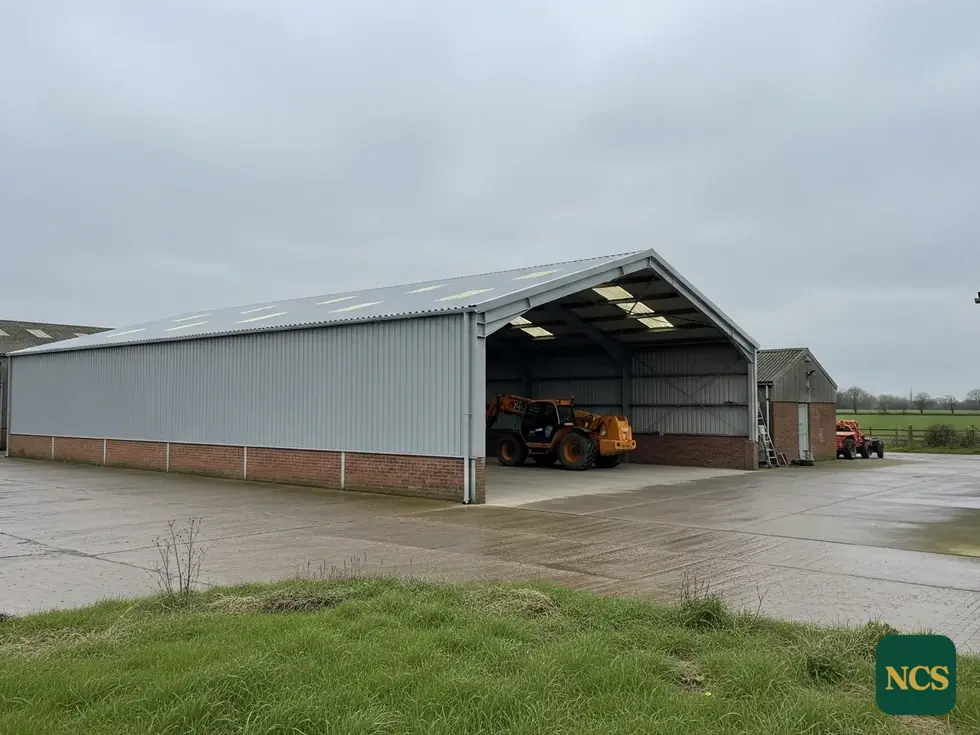
Encapsulation isn’t always the right call. We’ll tell you when full removal is better: if the sheets are badly damaged, if you’re repurposing the building, if structural changes are planned, or if long-term maintenance simply can’t be guaranteed. When that’s the decision, we bring in licensed asbestos removal contractors to do the job properly.
- Experienced on agricultural buildings and on asbestos cement
- Used to Oxfordshire’s farming conditions and exposed sites
- A condition survey included with every quote
- Coating systems matched to the roof, whether asbestos cement or metal
- Work planned around the farm so it keeps running
For more on the service across Oxfordshire, see our agricultural building coatings page. To get your Bloxham farm buildings looked at, ask for a free survey.
We carry out agricultural building coatings work in and around Bloxham. For the full survey-led service and how we assess each building, see our Agricultural Building Coatings service, or request a free site survey.
Recently — June 2026
We continue to survey every building before recommending a route. Whether to coat, repair or replace is decided on the condition of your roof, not a price list.
Settled summer weather suits coating and spraying work, with stable temperatures and dry surfaces helping systems cure and bond as specified.