Asbestos and the Duty to Manage on Farms (CAR 2012)
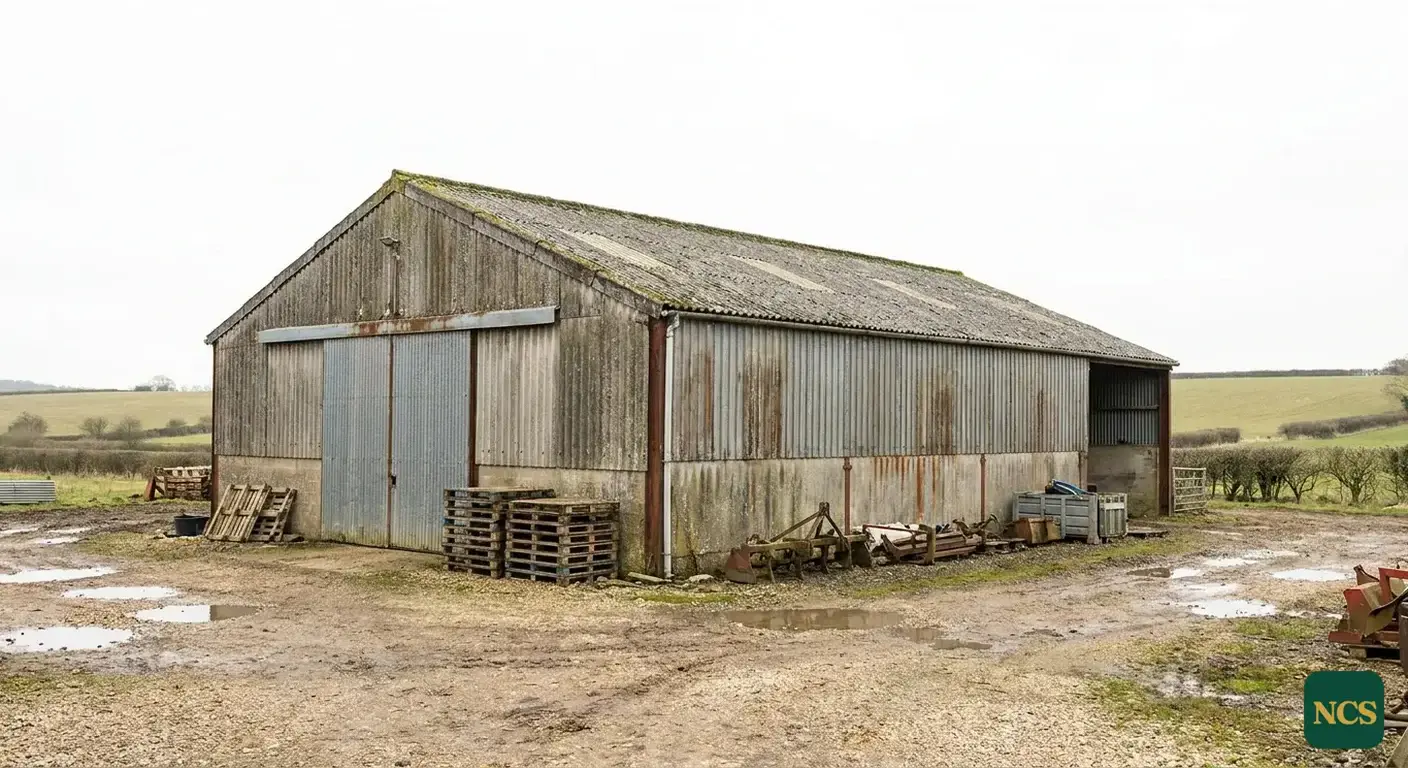
If you own a farm or manage an estate around Chipping Norton, you’ve got a legal duty to deal with any asbestos-containing materials on your land. That’s the Control of Asbestos Regulations 2012. We’ve seen plenty of pre-2000 agricultural buildings around Oxfordshire, especially those with cement-bonded asbestos roofs, that need a professional look. Those old sheets get brittle in the weather, and if you disturb them, they’ll let loose dangerous fibres. Farms are tricky too. Unlike a factory, you’ve got livestock movement, chemical exposure from fertilisers, and the constant vibration from heavy machinery all speeding up that breakdown.
Farm and Estate Buildings Around Chipping Norton With At-Risk Roofs
The Cotswolds around Chipping Norton are full of old farm buildings. From Great Tew to Churchill, we’re regularly up on roofs surveying:
- Dairy units with asbestos-cement panels over milking parlours.
- Open-fronted livestock sheds that take a beating from winter storms.
- Grain stores with corrugated asbestos sheets, some spanning 15m+ with no support.
- Estate workshops where fragile roof lights sit over tractor repairs.
- Field shelters with cut-edge corrosion creeping under the laps of metal profiles.
Grain stores and machinery sheds around Chipping Norton take a harder battering than most commercial units, and the paint system has to be chosen for it.
Why Farm Roofs Fail in Our Climate
Oxfordshire’s weather is tough on farm roofs. Freeze-thaw cycles, driving rain, and ammonia from livestock all combine to cause problems. Here’s what we commonly find failing when we’re out surveying:
- Condensation dripping onto hay from uninsulated metal decks.
- Brittle asbestos sheets cracking under snow loads in places like Cornbury Park.
- Galvanised steel corroding around nail fixings on piggery roofs.
- UV degradation chalking up coatings on south-facing poultry units.

Coating/Encapsulation for Agricultural Buildings
We don’t guess. Our process starts with a close look at your substrate, sometimes even microscopic analysis, before we recommend any encapsulation system. It has to be right for a farm building:
- High-build epoxy primers for asbestos cement to lock those fibres down.
- Anti-condensation coatings in cattle sheds to cut down on respiratory risks.
- Chemical-resistant topcoats for fertiliser stores.
- Reinforced membrane systems for grain store roofs that just won’t stop leaking.
Our Survey-Led Process
- We look at the building’s history and what you need it to do next.
- If we need to, we’ll take core samples and send them to the lab.
- We check your purlins and fixings for structural issues.
- Then we write a custom spec based on how that building works on your farm.
- Finally, our crew gets to work, following that agreed plan.
When Removal Is the Right Answer
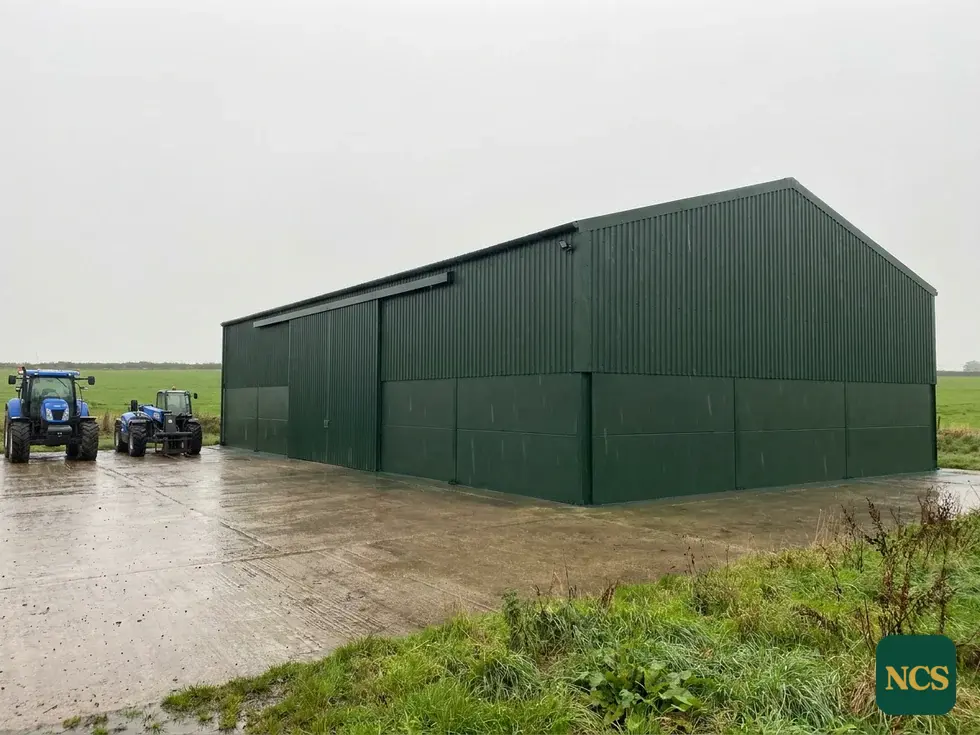
Sometimes, coating isn’t the right call. We’ll always tell you when removal is the best option, and this is never a DIY job. We advise full removal when our surveys find:
- Severe asbestos fibre erosion, especially in busy areas.
- Structural problems because the supports are rusted through.
- You’re planning to convert the building, so the roof will need changing anyway.
- Too many old overlay systems already on the roof, making proper encapsulation impossible.
- HSE-compliant asbestos surveys for working farms.
- Specialist coatings for ammonia-rich livestock buildings.
- Every inspection includes a structural assessment.
- We work with a network of licensed agricultural roofing contractors.
- We give you a no-obligation quote after a full evaluation.
You can check out all our agricultural coatings services or just ask for a no-obligation farm survey.
We carry out agricultural building coatings in and around Chipping Norton. For the full survey-led service and how we assess each building, see our Agricultural Building Coatings service, or request a free site survey.
Recently — June 2026
Summer is the steadiest season for exterior coating: longer dry spells mean preparation, application and curing can be programmed with fewer weather delays.
Surveys remain free and no-obligation, with a written report on condition, the realistic options and the recommended route.