The Duty to Manage Asbestos in Abingdon Under CAR 2012
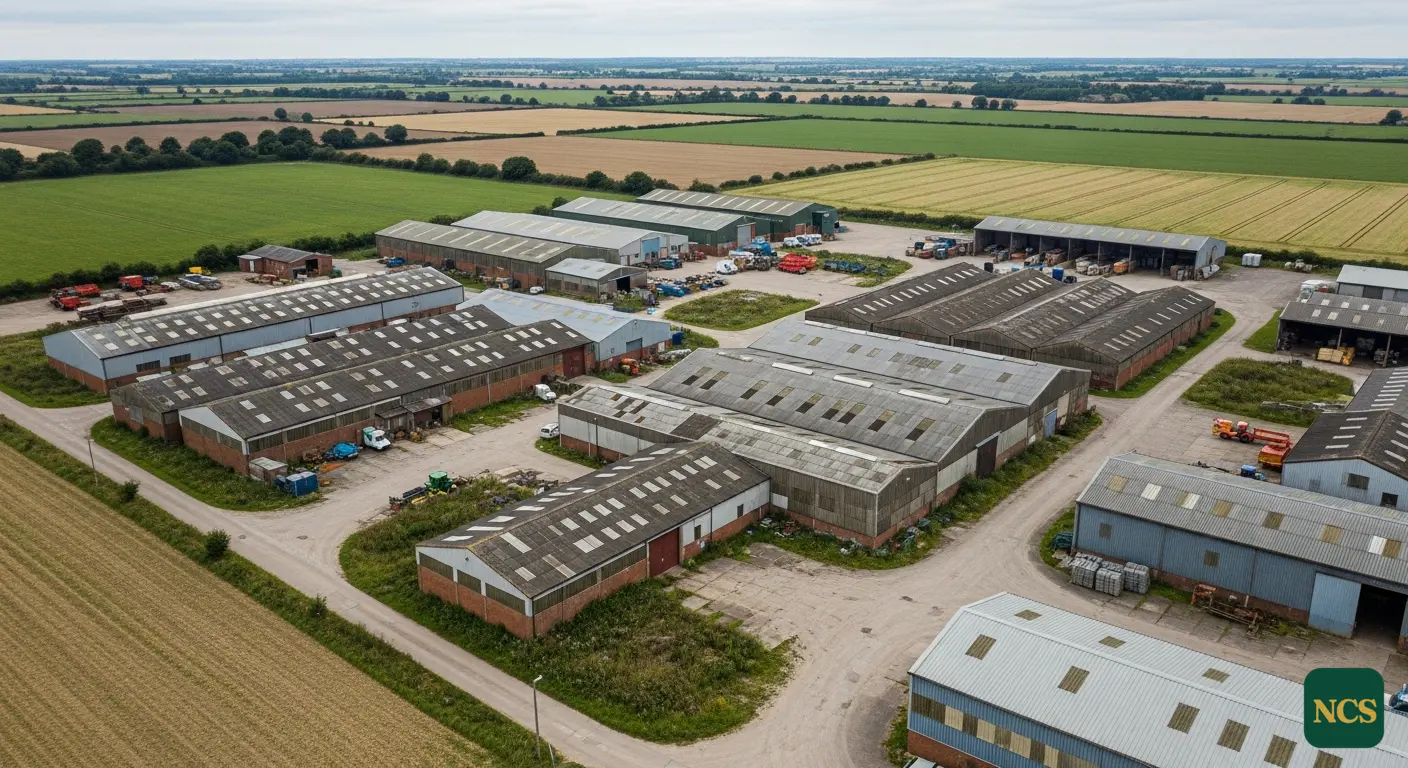
If you own or manage a commercial, industrial or agricultural building in Abingdon that went up before 2000, you’re on the hook under the Control of Asbestos Regulations 2012 (CAR 2012). You’ve got a legal duty to find and manage any asbestos-containing materials (ACMs) on your patch. This hits hard in Abingdon, especially around places like Culham Science Centre, Milton Park and the Abingdon Business Park. We see plenty of older units there with asbestos cement roofs, common throughout the last century. Your duty means you’ve got to check the ACMs, keep a written asbestos register, and have a plan to stop fibres getting out. Encapsulation is one of the approved ways to stabilise those asbestos cement roofs, as long as they’re still in decent nick.
Where Asbestos Cement Roofs Are Found Across Abingdon
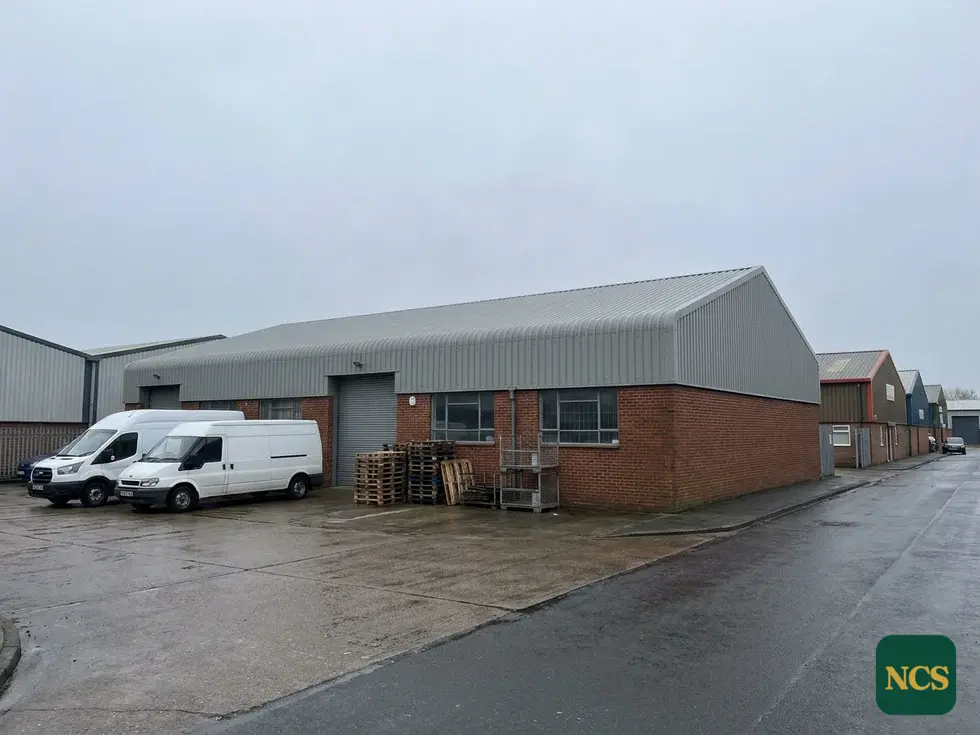
Abingdon’s industrial past means we trip over asbestos cement roofs all the time. They’re everywhere on older commercial and farm buildings. We commonly find them on the warehouse units from the 60s, 70s, and 80s at Marcham Industrial Estate. You’ll also see them on farm buildings around Drayton and Sutton Courtenay, former MoD places like Dalton Barracks, and even some retail or workshop units in the town centre, near Stratton Way. That stuff was popular, strong and fire-resistant. You’ll spot it as corrugated cement sheets on factory roofs, outbuildings, garages, and agricultural barns right across Oxfordshire. If it’s sound, it’s not a big risk, but decades of weather and damage can start releasing fibres. That’s a real worry for Abingdon properties that have taken a beating from the elements.
What Asbestos Roof Encapsulation Involves
Encapsulation is a solid way to deal with asbestos cement roofs that are still sound underneath but starting to show their age on the surface. We start by giving the roof a proper clean. Then, we put down a penetrating primer to lock down any loose fibres. After that, we apply a reinforced membrane system. It’s built specifically for asbestos. This coating bonds permanently to the cement sheets, sealing in the asbestos and getting the roof shedding water again for years. Crucially, encapsulation sidesteps the bigger risks and costs of full removal, because the asbestos stays put, undisturbed. For buildings in Abingdon, this approach often works a treat for roofs that are a bit weathered but still have a serviceable structure.
Our crews cover Abingdon and Oxfordshire for asbestos roof encapsulation, from the survey through to the final coat of encapsulating paint.

When Removal Becomes the Necessary Choice
Encapsulation works for a lot of Abingdon buildings, but sometimes, full asbestos removal is the only way forward. That’s when you’ve got roofs with serious damage, multiple sheets broken or gone. Or if the building’s getting a big refit that’s going to disturb the ACMs. Or when the substrate has just gone too far for a coating to stick, which we often see on older farm buildings where the cement itself is breaking down. Removal means bringing in a licensed contractor, working under strict control, with air monitoring and proper waste disposal. Our survey will tell you if your Abingdon roof has reached the point where this more invasive approach is needed.
Our Survey-Led Process for Abingdon Properties
Every job we do for National Coating Specialists in Oxfordshire starts with a proper asbestos roof survey from our surveyor. For our Abingdon clients, that means: going through any existing asbestos registers; getting up on the roof to physically inspect its condition, including safe sampling if we need it; looking at how the building’s used and what’s planned for it; and checking the substrate’s integrity. We document any fibre release risks, snap photos of key areas, and give you a clear recommendation on whether encapsulation is the right call, or if removal should be on the table. We can only figure out the best solution for your specific building after that survey.
Why a Professional Survey Must Come First
Trying to size up an asbestos cement roof without the right training is asking for trouble, and it could land you in legal hot water. Our Abingdon surveys follow HSG264 guidelines. We don’t just look at the obvious roof sheets, but also hidden ACMs like flashings, gutters, and insulation. The important thing is we can tell the difference between surface weathering, which encapsulation can usually fix, and deeper structural problems that mean removal. We’ve seen plenty of local businesses in Abingdon who think their roof is ‘too far gone’ when encapsulation would actually give them decades more service. Others risk serious exposure by coating severely damaged ACMs. The survey takes away all that guesswork and gives you clear, regulation-compliant advice.
- On-site asbestos roof surveys following HSG264 guidance
- Detailed condition reports with photographic evidence
- Clear encapsulation vs removal recommendations
- Full compliance with CAR 2012 and HSE guidelines
- Local knowledge of Abingdon building types and common issues
For more details on our asbestos roof encapsulation services or to book your free survey, visit our asbestos encapsulation page or request a no-obligation quote today.
We carry out asbestos roof encapsulation on commercial, industrial and agricultural buildings in and around Abingdon. For the full survey-led service and how we assess each building, see our Asbestos Roof Encapsulation service, or request a free site survey.
Recently — June 2026
Settled summer weather suits coating and spraying work, with stable temperatures and dry surfaces helping systems cure and bond as specified.
We continue to survey every building before recommending a route. Whether to coat, repair or replace is decided on the condition of your roof, not a price list.