The asbestos on your Banbury roof is yours to manage by law
You own or run a commercial, industrial or agricultural building around Banbury. If it went up between the 1930s and the 1980s, odds are you’ve got an asbestos cement roof. The Control of Asbestos Regulations 2012 makes it your legal duty to find it, record its condition, and keep it managed. Leave it alone, let it weather, and it won’t get safer or cheaper to sort out. Our first job is figuring out exactly what’s up there and what state it’s in.
Around Banbury we encapsulate asbestos cement roofs with encapsulating paint systems made for the job, applied after low-pressure cleaning that leaves the fibres undisturbed.
Where we keep finding it around Banbury
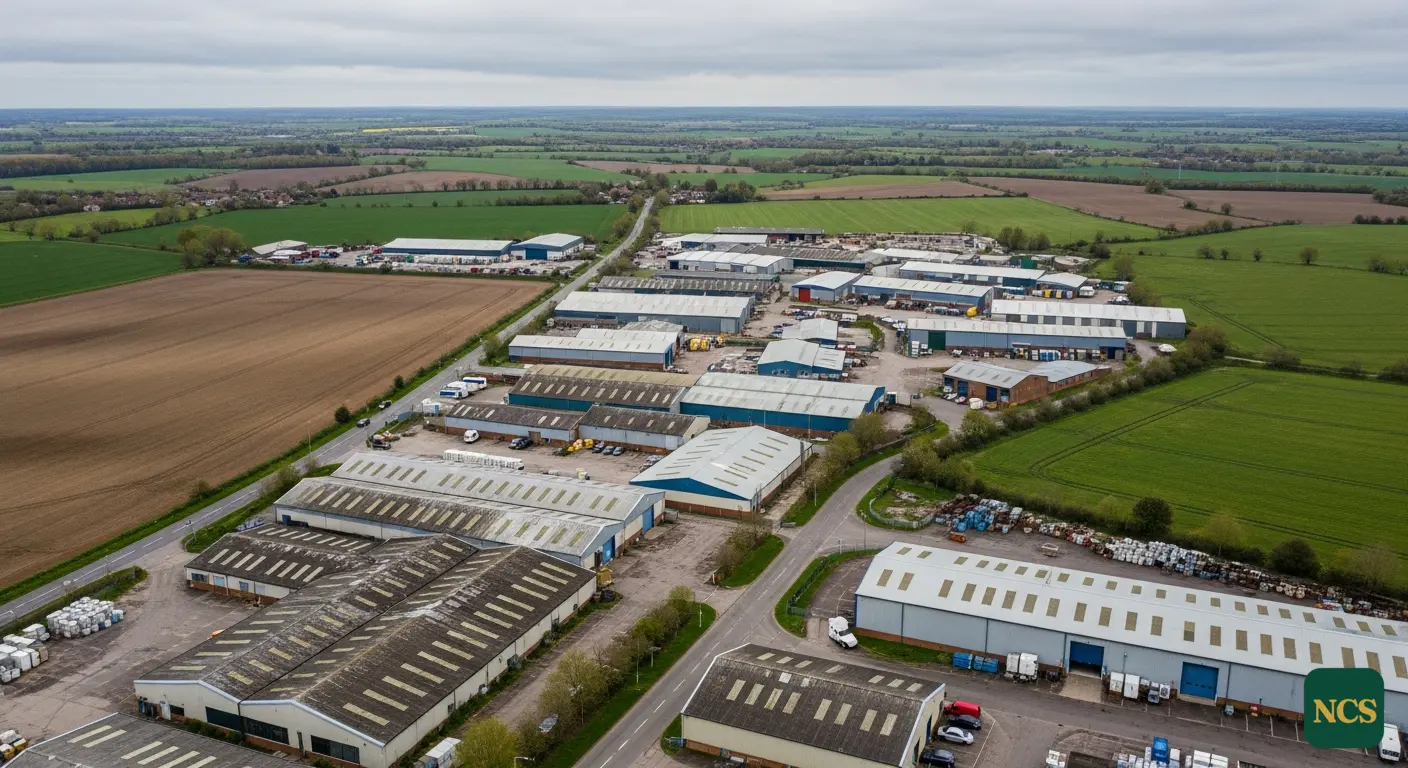
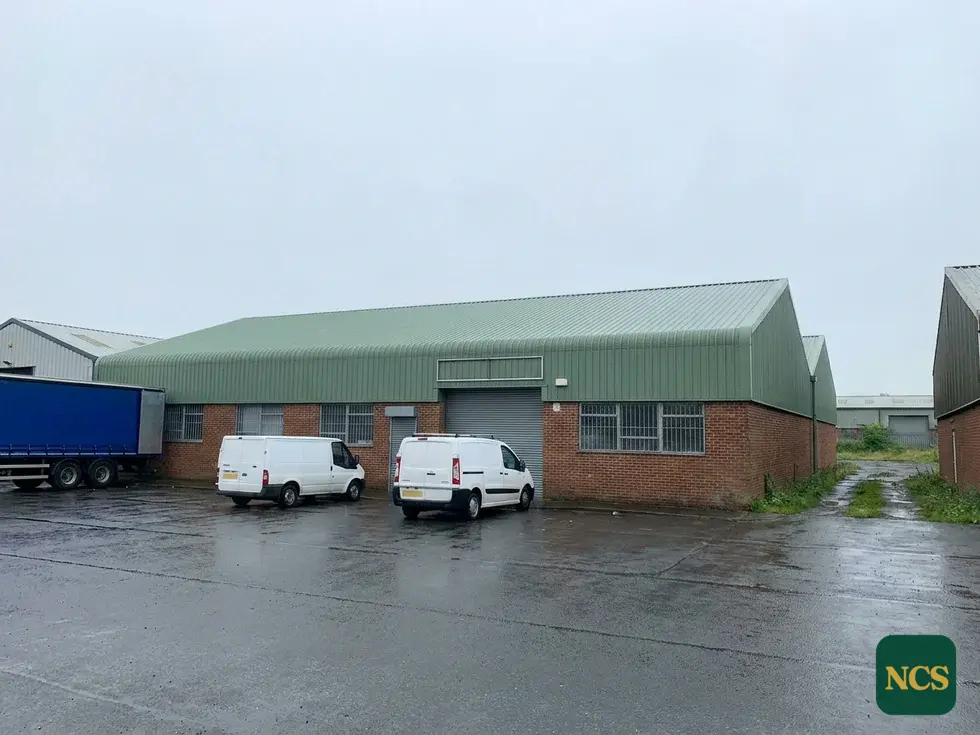
We see the same roofs time and again here in Banbury. Think the industrial units on Banbury Cross and Wildmere estates, farm buildings dotted across the surrounding countryside, and the older commercial spots closer to town. Plenty of schools and public buildings from that era have it too. These sheets are usually past their intended lifespan, which is why they end up porous, green with moss, and weeping at the fixings, even when the panels themselves still feel sound.
What encapsulation actually does
Encapsulation seals the roof instead of ripping it out. We start by cleaning the sheets carefully, under controlled conditions. Then we fix any knackered fastenings and brittle rooflights. After that, we apply a coating system made specifically for asbestos cement. It locks the fibres in, binds the surface, and gets the roof shedding water again. All that for a fraction of the cost and disruption of a full strip-out and re-roof. This isn’t just paint. It’s not a quick cosmetic job either.

When we will tell you to strip it instead
Encapsulation isn’t always the right answer. We’d rather tell you that before a survey than after the job goes wrong. If the sheets are cracked or holed, if the cement has gone soft from years of water getting in, or if the structure itself has shifted, a coating just hides the problem. This only applies to asbestos cement too. Insulation board, lagging, and sprayed coatings need a licensed removal contractor, not us. If removal is the honest way forward, we’ll put that in writing and step aside.
Why we survey before we say anything
No two of these roofs are in the same condition. We can’t give you an answer until we’ve been up there to look. We won’t quote encapsulation from a photo or a quick phone call. Our survey tells us if the sheets are sound enough to coat, if we can safely access, prep, and seal them, and if your money is better spent on removal. You’ll get that judgement in plain English, either way.
What you get from us at Banbury
The process is the same for every building. It starts with facts, not a sales pitch.
- A condition survey covering the sheets, fixings, rooflights, gutters, and structure.
- A photographic record for your asbestos management plan.
- A straightforward written recommendation: encapsulate, repair first, or refer for licensed removal.
- A specification and price only if coating is genuinely the correct course of action.
- Work carried out under controlled, documented conditions.
If a building in your portfolio dates from the 1960s to the 1980s and the roof hasn’t had a proper inspection, our asbestos roof encapsulation survey answers both the compliance and cost questions in one visit. Ask us for a free survey and we’ll come and take a look.
We carry out asbestos roof encapsulation across Banbury and the surrounding area. For the full survey-led service and how we assess each building, see our Asbestos Roof Encapsulation service, or request a free site survey.
Recently — June 2026
Recent enquiries here have been a mix of metal industrial roofs, profiled cladding and ageing asbestos-cement sheets, all assessed on a free site survey before anything is specified.
Settled summer weather suits coating and spraying work, with stable temperatures and dry surfaces helping systems cure and bond as specified.