The Duty to Manage Asbestos in Burford Buildings
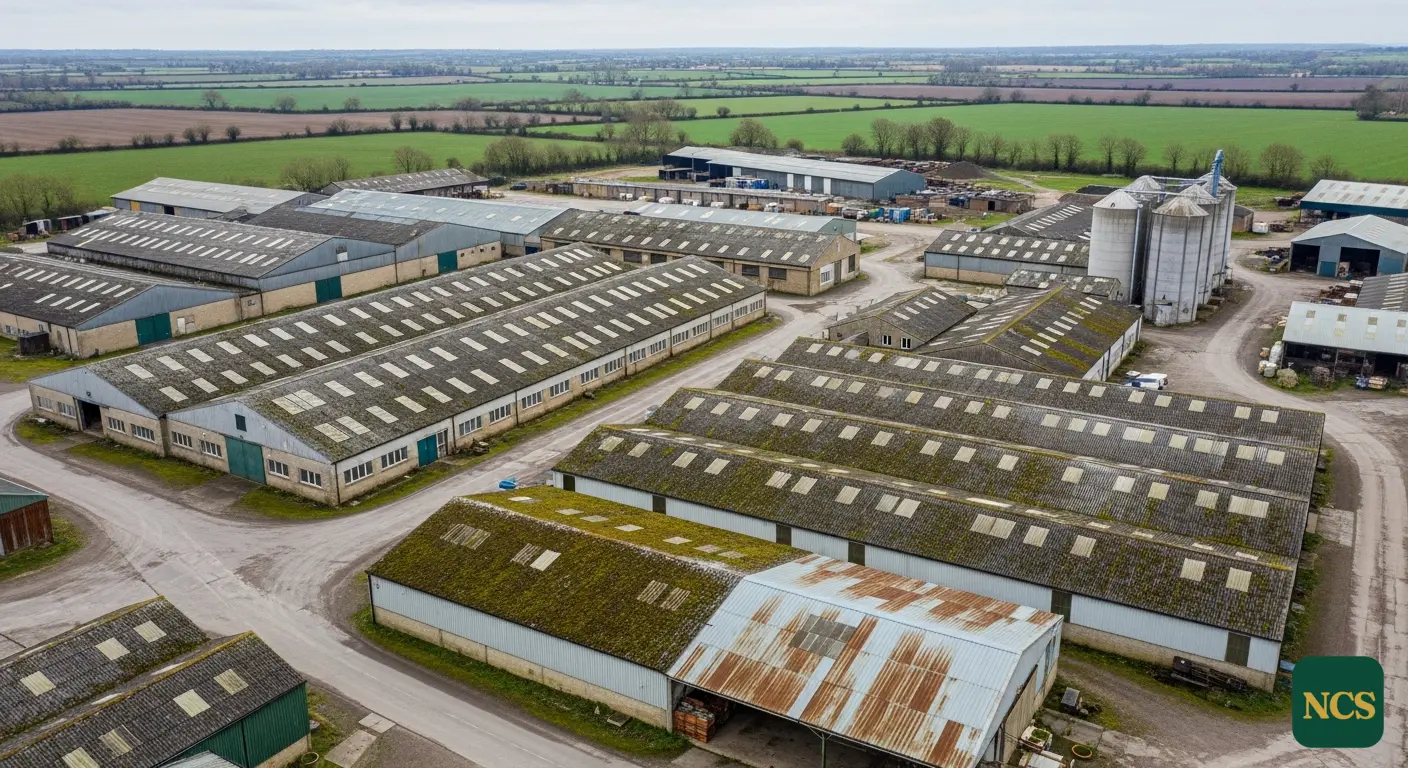
You’ve got a legal duty to manage asbestos on your commercial property in Burford. The Control of Asbestos Regulations 2012 (CAR 2012) make it clear. That includes the Cotswold stone buildings on High Street, the industrial units over on Tanners Lane, and all those agricultural barns out in the countryside. With Burford’s mix of old architecture and working farms, we see plenty of properties built before 2000 that still have asbestos cement roofs. Think outbuildings, warehouses, livestock shelters. If you don’t assess and manage the stuff properly, you’re risking big fines from the HSE. Worse, you’re putting people at risk. We also see asbestos cement on Burford’s vet practices, equestrian centres, and some of the older shops on Sheep Street.
Where Asbestos Cement Roofs Are Found in Burford
Around Burford, asbestos cement roofs tend to pop up in a few common spots. There are the industrial and light commercial units by the A40 roundabout, the farmsteads along the Windrush Valley, especially around Fulbrook and Taynton, and the older commercial buildings right in the town centre. We find these roofs on garden centres, barn conversions, and light-industrial units as much as on the farms. It was a common building material for agricultural buildings all over West Oxfordshire. You’ll spot the corrugated cement sheets on cattle sheds, grain stores, and machinery barns throughout the area. Even some of Burford’s smarter properties, like the converted mill buildings by the river, still have original asbestos cement roofing on their ancillary structures.
What Asbestos Roof Encapsulation Involves
If your asbestos cement roof is structurally sound but showing minor damage or weathering, encapsulation is usually our preferred approach. Our specialist coatings go right over the existing roof, sealing any exposed asbestos fibres. That gives the roof many more working seasons. We start by thoroughly cleaning the roof, getting rid of moss and debris, which is common in Burford’s damp valley location. Then we apply our elastomeric coating system. It’s a flexible, weatherproof layer that bonds permanently to the cement sheets. It stops water getting in, which is what really degrades asbestos over time. For Burford’s historic buildings, encapsulation often makes more sense than removal. You avoid all the disruptive demolition work that could damage Cotswold stone walls or listed structures.
Asbestos roof painting around Burford means encapsulation done under the right controls: an encapsulating paint system specified for asbestos cement, never a standard coat.
When Removal Becomes the Necessary Option
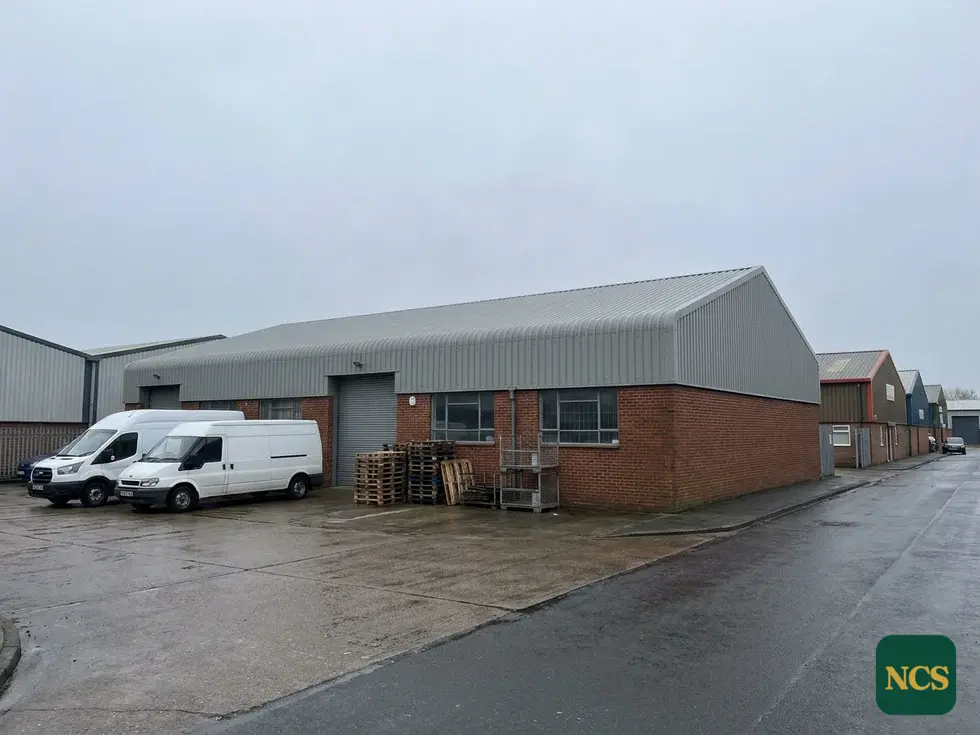
Encapsulation works for most situations, but some Burford properties need full asbestos removal. That’s for roofs with extensive damage, something we see after Oxfordshire’s severe winter storms. Or if the building’s getting a major refurbishment. Or if the asbestos cement sheets have become friable. Removal also becomes necessary when repeated hail or storm damage has broken up a big chunk of the cement sheeting. The choice between encapsulating and removing really comes down to the roof’s condition. That’s why our Burford surveys include fibre release risk assessments, material sampling where it’s safe, and structural evaluations. We do all that before we recommend anything.
Our Survey-Led Process for Burford Properties
Every NCS job in Burford starts with a detailed site survey. Our surveyors get up there, examine the roof’s current condition, work out its remaining lifespan, and pinpoint any areas where fibres might be exposed. For farms and equestrian centres, we pay extra attention to roof areas above feed stores or livestock. That’s where animal activity could disturb damaged asbestos cement. The survey report gives you high-resolution photos of problem areas, like cracked cement sheets or broken flashings. And clear recommendations that factor in Burford’s weather and how exposed the roof is. We only propose encapsulation or removal after this thorough assessment. Never on guesswork, and never off a standard pricing template.
Why a Professional Survey Comes First
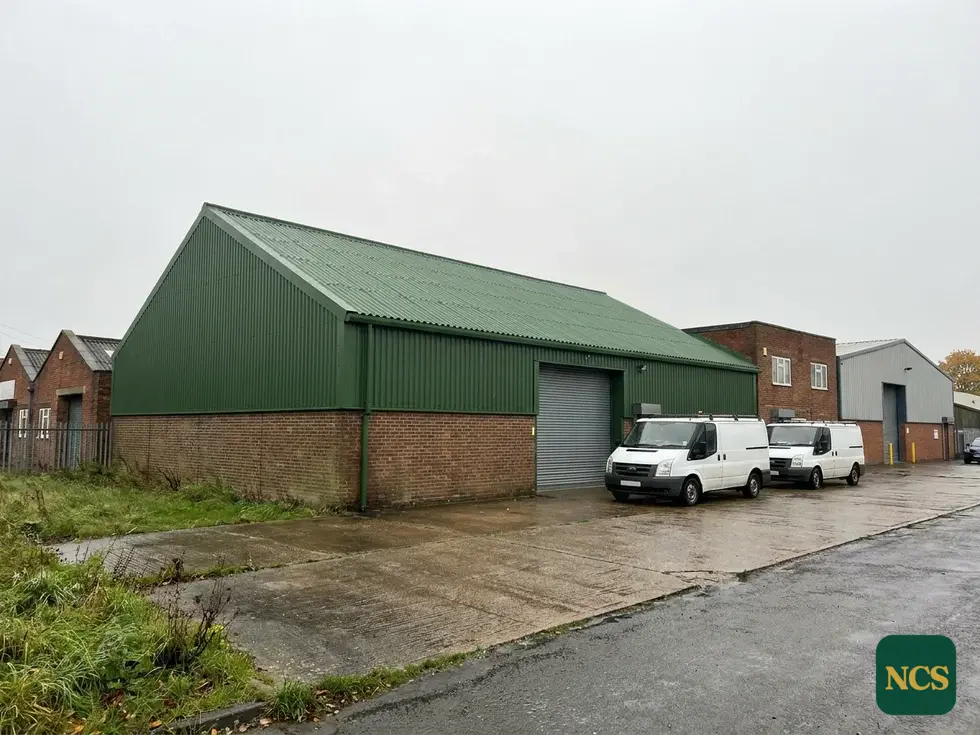
Trying to price or plan asbestos work without a survey is asking for trouble. Burford’s microclimate, with its valley mists and exposure to Cotswold winds and river humidity, creates unique weathering patterns. We’ve seen identical 1980s cement roofs just a few miles apart age completely differently, all down to their orientation and local conditions. Our surveys also check for secondary asbestos risks, like insulation boards or pipe lagging, that could affect the job. Rushing to quote without this knowledge could leave you with unexpected costs or regulatory headaches down the line.
- Our surveyors assess the roof on site
- Detailed condition report with photographic evidence
- Clear recommendations for encapsulation or removal
- Full compliance with CAR 2012 regulations
- No obligation to proceed after the survey
For more details on our asbestos roof encapsulation service, visit our asbestos encapsulation page. To arrange a no-obligation survey of your Burford property, request a free quote today.
We carry out asbestos roof encapsulation work in and around Burford. For the full survey-led service and how we assess each building, see our Asbestos Roof Encapsulation service, or request a free site survey.
Recently — June 2026
Summer is the steadiest season for exterior coating: longer dry spells mean preparation, application and curing can be programmed with fewer weather delays.
Recent enquiries here have been a mix of metal industrial roofs, profiled cladding and ageing asbestos-cement sheets, all assessed on a free site survey before anything is specified.