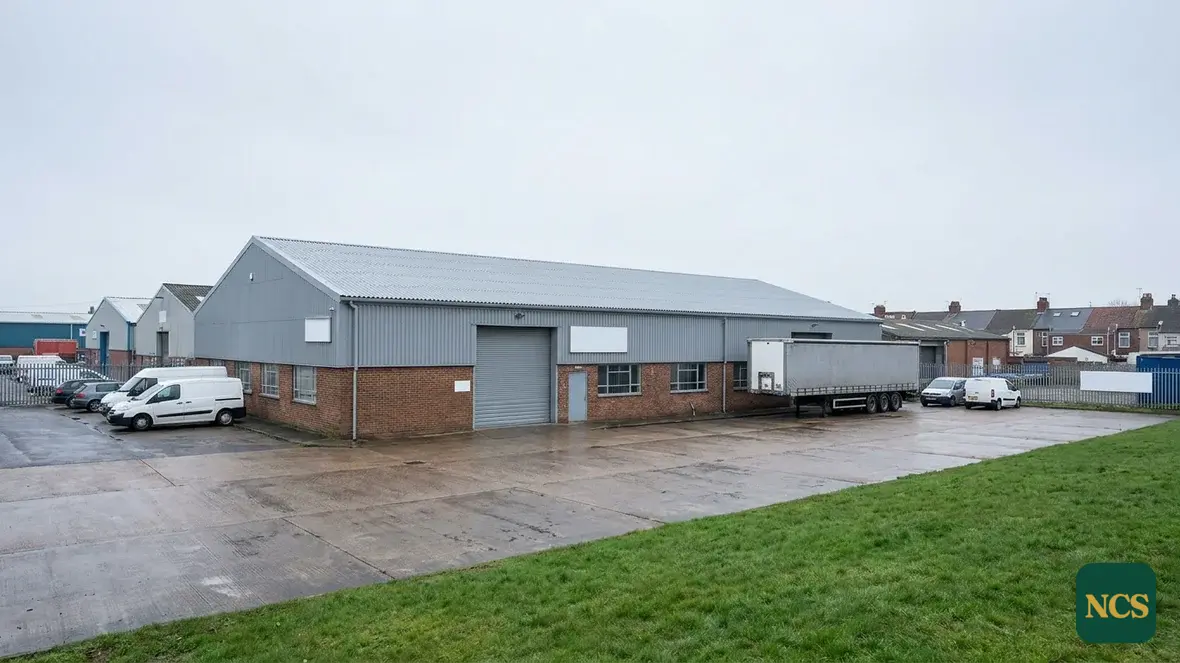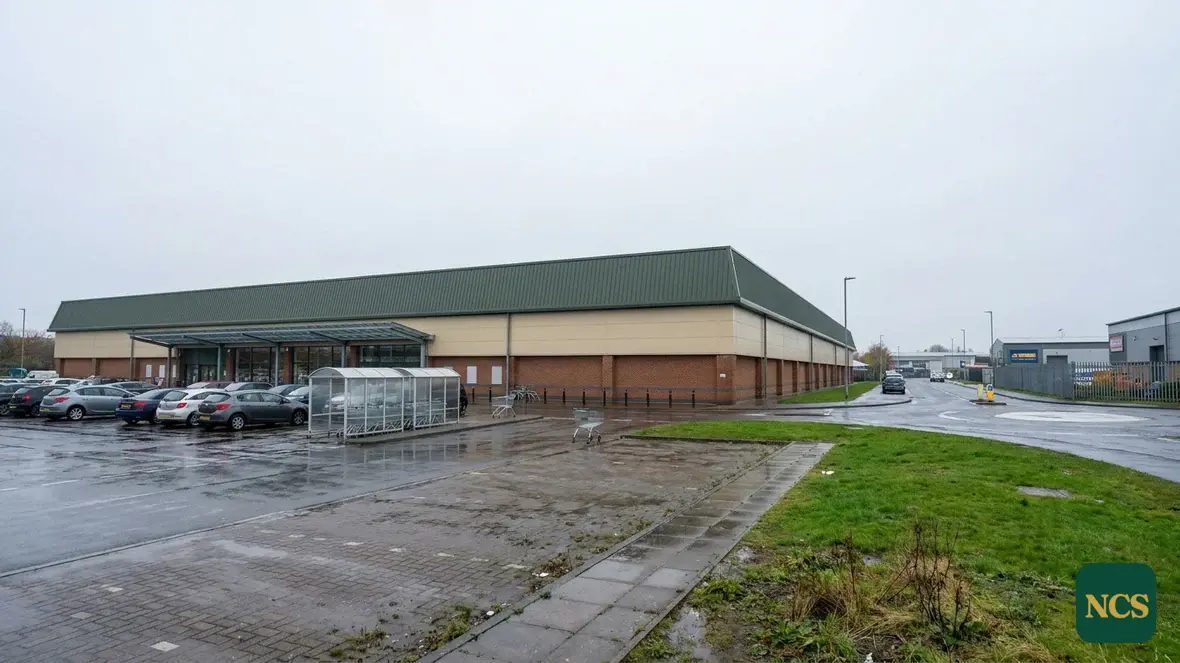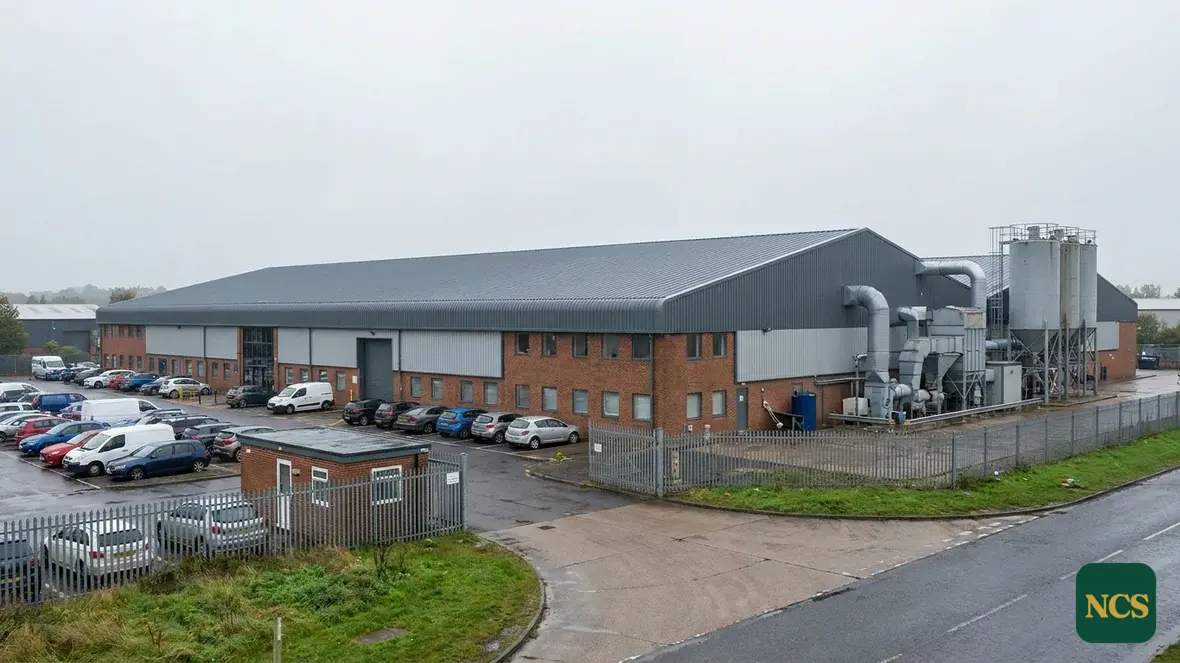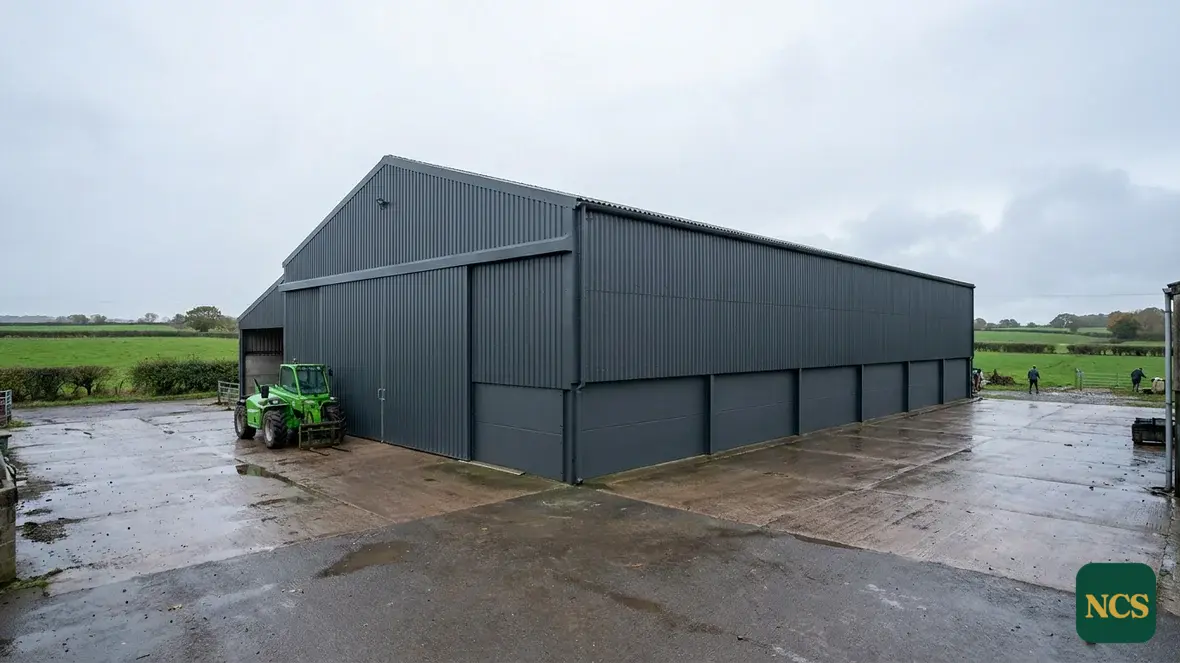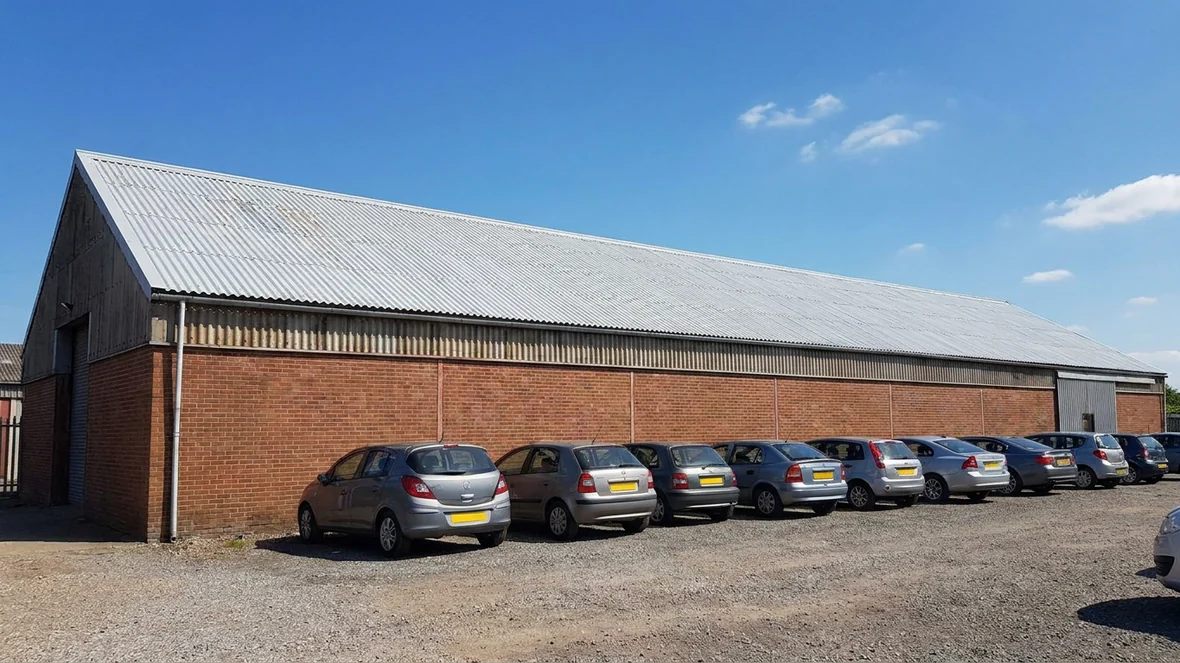
Colchester grew quickly in the decades after the war, and plenty of its working building stock dates from the years when corrugated asbestos cement was the standard roofing material for industrial and agricultural buildings. Units on trading estates, workshops behind older commercial frontages, barns and grain stores across the north Essex farmland: many still carry their original sheets, now well past their fiftieth birthday.
Old roofs, current obligations
If you control a non-domestic building, Regulation 4 of the Control of Asbestos Regulations 2012 makes you the dutyholder. That means identifying any asbestos-containing materials, assessing and recording their condition, and managing the risk they present for as long as they remain. An ageing asbestos cement roof is usually the single largest item on that register.
What the regulations do not require is automatic removal. Sound asbestos cement, managed properly, can legally and safely stay where it is. The question is whether your sheets still qualify as sound, and that is a question of evidence, not optimism.
Encapsulation as a management decision
Where the sheets pass inspection, encapsulation is a practical way to discharge the duty. The roof is cleaned using controlled wet methods, defective fixings and flashings are put right, minor damage is repaired, and the entire surface is sealed with a flexible coating formulated for asbestos cement.
Sealing the surface stops the gradual weathering that releases fibres, restores a watertight finish, and adds years of serviceable life. Compared with stripping and re-sheeting, the cost is significantly lower, the building stays in use throughout the works, and no asbestos waste leaves site. For a Colchester business running tight margins, that difference matters.
What our survey looks at before we quote
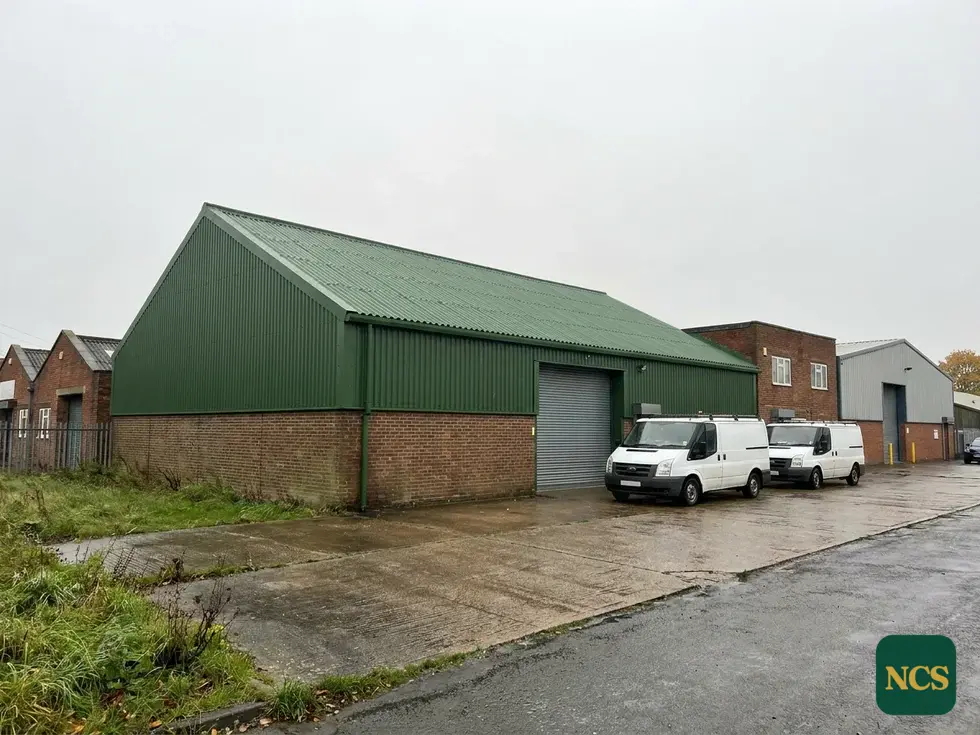
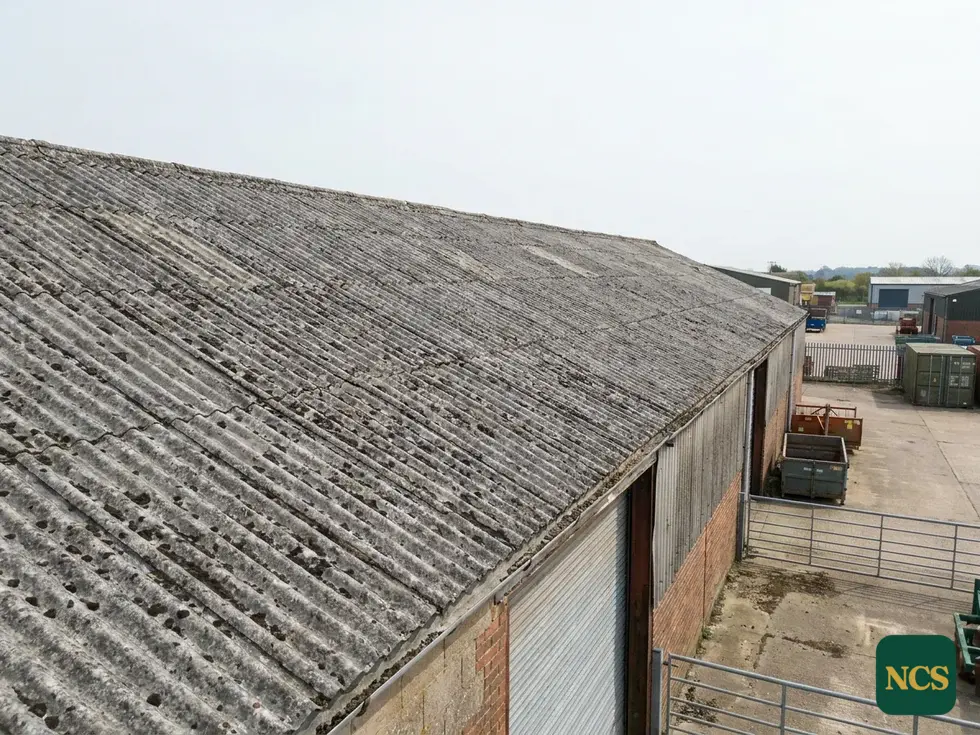
We do not price roofs from the kerb. Every job starts with a proper condition survey, because the survey decides whether encapsulation is even on the table. We examine:
- Sheet condition at close range, including cracking, holes and delamination
- Fixings, laps, ridges and flashings
- Rooflights, which are often the weakest point on these roofs
- Internal evidence of leaks or sheet movement
- The structure carrying the roof
- Confirmation that the material really is asbestos cement
The cases where encapsulation is the wrong answer
Some roofs are past coating, and we will tell you when yours is one of them. Sheets that are brittle, extensively cracked or breaking up at fixings cannot be rescued by a coating; the substrate has failed, and the responsible course is removal and replacement. The same is true where the supporting structure is no longer adequate or where leaks have done sustained damage inside.
There is also a harder line. If the material is not asbestos cement but a higher-risk product such as asbestos insulation board, that work normally belongs to an HSE-licensed removal contractor, and we will say so plainly rather than work around it. An encapsulation quote for the wrong roof is worse than no quote at all.
Arranging an inspection in Colchester
We are based in the South-East and carry out survey and coating work across England, so Colchester and the surrounding Essex towns sit comfortably within our normal working area. The first step is always the same: a survey, written findings, and a straight recommendation, whether that is encapsulation, repairs first, or removal by the appropriate contractor.
Bear in mind that a coated roof remains an asbestos roof. It stays on your register, your management plan continues, and periodic re-inspection is sensible. What encapsulation changes is the trajectory: instead of slowly deteriorating in the weather, the material sits sealed and stable under a maintained finish.